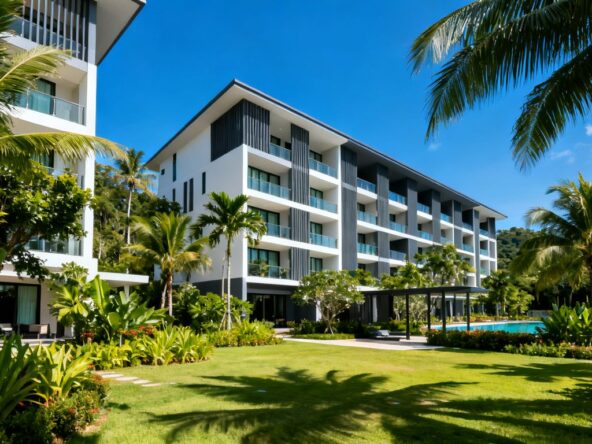


Thinking about buying property in Phuket? It’s a fantastic idea, a real dream for many. But just like anything valuable, you need to think about protecting it. This isn’t just about the building itself; it’s about safeguarding your investment and your peace of mind. Let’s talk about why getting the right insurance for Phuket property is so important, especially with the island’s unique weather and busy tourist scene.
Key Takeaways
- Insurance for Phuket property is vital for protecting your investment from risks like tropical storms, floods, fire, and theft.
- Understand what your policy covers, including building structure, contents, and personal liability, and be aware of common exclusions.
- Consider specific needs for rental properties, such as tenant-related damages and loss of rental income protection.
- Choosing a reputable insurer or working with a local broker can help you find the best coverage and rates for your Phuket property.
- Even for personal use properties, insurance provides financial security against unexpected events, offering peace of mind in paradise.
Understanding Insurance for Phuket Property
Living or investing in Phuket can feel like a dream come true – beautiful beaches, a lively culture, and a busy property market. But what happens if the unexpected occurs? From tropical storms to theft, property insurance in Phuket isn’t just a nice-to-have; it’s a must-have. Let’s look at why this is so important and how you can make the best choice to protect your piece of paradise.
Why Insurance Is Crucial in Phuket
Phuket isn’t just another holiday spot; it’s a popular place for property investment. However, its location means it’s prone to certain risks. The island experiences monsoon seasons, which can bring flooding and damage to buildings. While not common, earthquakes are a possibility as Phuket is in a zone with tectonic activity. If you’re renting out your property, accidents or damage caused by guests can happen. Also, the high number of tourists can sometimes lead to an increase in burglary risks.
The Essential Role of Property Insurance
Property insurance protects your investment against unexpected events like natural disasters, fire, theft, or damage. In Phuket, where tropical weather and tourism are big factors, looking after your property is even more important. Whether you own a villa, a condo, or a property you rent out, insurance gives you financial peace of mind. Without it, you could be facing financial losses that quickly add up.
Safeguarding Your Investment in Paradise
Property insurance acts as a safety net for your investment. It means you won’t be left with massive repair bills if something goes wrong. It covers a range of potential issues:
- Natural Disasters: Damage from floods, storms, or even earthquakes.
- Fire and Theft: Protection against accidental fires, electrical faults, and break-ins.
- Liability: If someone gets hurt on your property, this can help cover medical bills or legal costs.
It’s easy to think that because you have security measures in place, your property is completely safe. While security is good, it doesn’t eliminate all risks. Insurance provides an extra layer of protection that can make a big difference when the unexpected happens.
Key Coverages for Your Phuket Property
When you own a place in Phuket, it’s more than just bricks and mortar; it’s your little piece of paradise. But even paradise can face unexpected bumps. That’s where having the right insurance cover comes in. It’s about making sure that if something goes wrong, you’re not left in a financial pickle.
Protection Against Natural Disasters
Phuket’s beautiful tropical climate is a big draw, but it also means dealing with things like heavy monsoon rains and the occasional tropical storm. Policies typically include cover for damage caused by floods, high winds, and other weather events. It’s wise to check the specifics, as some policies might have different levels of cover for different types of natural events. For instance, flood cover might be standard, but damage from landslides, though rare, might need a special mention.
Fire, Theft, and Vandalism Safeguards
Accidents happen, and unfortunately, so do break-ins. Standard insurance policies usually protect your property against fire damage, whether it’s from an electrical fault or something else. They also offer protection if someone breaks in and steals your belongings or causes damage on purpose. This is important whether you live there full-time or just visit occasionally.
Understanding Liability Coverage
This part of your insurance is about protecting you if someone else gets hurt on your property. Imagine a guest slips by the pool or a visitor trips on a loose tile. Liability cover can help with the costs of medical bills or any legal fees that might come up. It’s a really important safety net, especially if you ever rent out your property.
Optional Add-Ons for Enhanced Protection
Beyond the basics, there are often extra bits you can add to your policy to make sure you’re really covered. Think about things like:
- Loss of Rental Income: If your property is damaged and can’t be rented out, this can cover the income you’d normally receive.
- Contents Cover: This protects your furniture, electronics, and other personal items inside the property.
- Temporary Accommodation: If your home becomes unlivable due to a covered event, this can help pay for a place to stay while repairs are made.
It’s easy to think that because you have good locks or live in a quiet area, you’re completely safe. But insurance acts as a final safety net for those things you just can’t control, like a sudden storm or a faulty wire causing a fire. It’s about having that extra bit of security.
Here’s a quick look at what might be included:
| Coverage Type | What It Protects Against |
|---|---|
| Building Structure | Walls, roof, floors, fixtures |
| Fire & Allied Perils | Fire, lightning, explosions, smoke |
| Storms & Flooding | Wind damage, heavy rain, rising water |
| Theft & Vandalism | Burglary, malicious damage |
| Public Liability | Injury to third parties on your property |
Navigating Phuket’s Unique Risks
Phuket is a beautiful place to own property, but it’s not without its own set of challenges. Thinking about what could go wrong is a smart move, and insurance is your best friend here. It’s about being prepared for the things that are a bit more common in this part of the world.
Tropical Storms and Flood Preparedness
Phuket gets its fair share of rain, especially during the monsoon season which typically runs from May to October. Heavy downpours can lead to flash floods, particularly in low-lying areas or places with poor drainage. This isn’t just about a bit of water in the garden; floods can cause serious damage to your property’s structure, electrical systems, and furnishings. It’s wise to check your property’s location and its history with flooding. Some areas are naturally more prone than others. Having good drainage around your property and keeping gutters clear can make a difference, but insurance is what really covers you if the worst happens.
Considering Earthquake Vulnerability
While Phuket isn’t on the same level as major earthquake zones, it’s located in a region where seismic activity can occur. There have been tremors felt from earthquakes in nearby countries, and while direct major damage from an earthquake is rare, it’s something to be aware of. Your insurance policy should ideally include cover for earthquake damage, even if the likelihood seems low. It’s a bit like wearing a seatbelt – you hope you never need it, but it’s there for a reason.
Addressing Tourism-Related Risks
Phuket is a major tourist destination, and this brings its own set of risks, especially if you rent out your property. High visitor numbers can sometimes mean an increase in petty crime like theft. More significantly, if you have guests staying, there’s always a chance of accidental damage to your property or belongings. Think about things like a guest accidentally starting a small fire, breaking expensive fixtures, or even causing a slip-and-fall incident that could lead to a liability claim. Insurance can cover these sorts of issues, protecting you from unexpected repair bills or legal costs.
Mitigating Theft and Vandalism Concerns
Like any popular tourist spot, Phuket can experience issues with theft and vandalism. This could range from opportunistic break-ins when a property is empty to more deliberate acts of vandalism. While good security measures like strong locks, alarms, and perhaps even CCTV can deter criminals, they aren’t foolproof. Insurance provides a financial safety net if your property is broken into and items are stolen, or if it’s damaged by vandals. It’s about having that extra layer of security for your investment.
Here’s a quick look at how different risks might be covered:
| Risk Type | Typical Insurance Coverage |
|---|---|
| Tropical Storms & Floods | Structural damage, water damage to interiors, damaged contents |
| Earthquakes | Structural damage, damage to fixtures |
| Theft & Vandalism | Cost of stolen items, repair costs for damage |
| Guest-Related Liability | Medical expenses for injured guests, legal fees |
It’s easy to think that because you live in a beautiful, sunny place, bad things won’t happen. But the reality is that tropical weather, a busy tourist scene, and the simple fact that things can break mean that risks are always present. Insurance isn’t just a formality; it’s a practical tool to keep your property safe from financial harm.
Choosing the Right Insurance Provider
Finding the right insurance for your Phuket property can feel a bit like searching for a needle in a haystack, but it’s a really important step. You want a company that’s reliable and understands the local scene. It’s not just about getting a policy; it’s about getting the right policy for your specific needs here in Thailand.
Selecting Reputable Insurers in Thailand
When you’re looking for an insurer, it’s wise to stick with companies that have a solid presence and a good reputation in Thailand. This means they’ll be more familiar with local regulations and quicker to handle claims. Look for insurers who have been around for a while and have positive customer feedback. It’s also a good idea to check if they have a strong network for handling repairs and assessments after an incident. A good insurer will make the claims process as smooth as possible.
The Role of Insurance Brokers
Sometimes, dealing directly with insurance companies can be a bit overwhelming. This is where insurance brokers come in handy. They work for you, not for a specific insurance company. They can compare policies from various providers to find one that best suits your property and budget. Think of them as your personal guide through the insurance maze. They can often access deals or policies you might not find on your own. For example, a broker could help you find suitable coverage for a modern-tropical villa in Bangjo, Phuket, potentially even suggesting options that include loss of rental income protection if you plan to lease it out. They can also explain the nitty-gritty details of policies, like what exactly is covered under ‘natural disasters’ or ‘liability’.
Comparing Policy Options and Premiums
Don’t just go for the first quote you get. It’s really worth taking the time to compare different policies. Look beyond just the price; consider what’s actually included. Some policies might seem cheaper, but they could have more exclusions or higher deductibles. Here’s a quick way to compare:
- Coverage Limits: What’s the maximum amount the insurer will pay out?
- Deductibles: How much will you have to pay out-of-pocket before the insurance kicks in?
- Specific Perils Covered: Does it cover floods, storms, fire, theft, and liability specific to Phuket?
- Add-Ons: Are there optional extras like loss of rental income or specific valuables coverage?
Always read the policy documents carefully. What seems straightforward on the surface can have complex terms and conditions. Understanding these details upfront can save you a lot of hassle later on.
It’s also worth asking about bundling options. If you have multiple properties or other insurance needs, like car insurance, sometimes you can get a better deal by having everything with one provider or through one broker. This can help keep your premiums down without sacrificing protection. Remember, the goal is to get solid protection that gives you peace of mind, allowing you to truly enjoy your slice of paradise without constant worry.
Tailoring Insurance for Rental Properties
So, you’ve got a property in Phuket that you’re renting out. That’s great for income, but it also means you need to think about insurance a bit differently than if you were just living there yourself. Renting out your place brings a whole new set of potential headaches, and your standard home insurance might not cut it. It’s not just about covering the building itself; it’s about protecting yourself from things tenants or their guests might do, or what happens if the property becomes unusable for a while.
Specific Needs of Rental Investments
When you own a rental property, you’re essentially running a small business. This means you’re exposed to risks that a homeowner wouldn’t typically face. Think about it: a guest slips on a wet floor by the pool, or a tenant accidentally causes a fire. These aren’t just minor inconveniences; they can lead to significant financial losses and legal battles. Standard policies often assume the owner is the primary occupant, so you absolutely must inform your insurer that the property is being rented out. Failing to do so could invalidate your entire policy when you need it most. For example, a villa near Porto de Phuket might have different risks than a city apartment, and your insurance needs to reflect that. It’s about making sure your investment is properly protected against the unique challenges of the rental market.
Coverage for Tenant-Related Damages
This is a big one for rental properties. Your policy needs to account for damage caused by tenants, whether it’s accidental or deliberate. This could range from a spilled drink that stains the carpet to more serious damage like broken windows or even vandalism. If you’re renting out a furnished property, you’ll also want to consider coverage for the contents – the furniture, appliances, and decor. A policy that covers accidental damage by tenants can save you a fortune. For instance, if a tenant leaves a tap running and causes a flood, or if they damage the walls, having this cover means you won’t have to pay for repairs out of your own pocket. It’s wise to check the specifics of what constitutes tenant damage under your policy.
Loss of Rental Income Protection
What happens if a fire or a major flood makes your rental property uninhabitable for a few weeks or months? You’d be losing out on rental income during that period, which can really hurt your cash flow. This is where loss of rental income protection comes in. It’s an add-on that can provide a regular payout to cover your lost earnings while the property is being repaired. This type of cover is particularly important in a place like Phuket, where tropical storms and heavy rains can sometimes cause significant damage. It acts as a safety net, ensuring that your financial stability isn’t completely derailed by unforeseen events that take your property offline.
Here’s a quick look at what you might expect for additional coverage costs:
| Coverage Type | Estimated Annual Cost (THB) | Notes |
|---|---|---|
| Tenant Damage (Contents) | 2,000 – 5,000 | For furnished properties |
| Public Liability (Higher Cap) | 5,000 – 10,000 | For properties with pools or high traffic |
| Loss of Rental Income | 5,000 – 10,000 | Weekly payout, depends on rental value |
Building vs. Contents Insurance Explained
When you’re looking at insuring your place in Phuket, it’s easy to get a bit lost in all the terms. Two big ones you’ll hear a lot are ‘building insurance’ and ‘contents insurance’. They sound similar, but they cover pretty different things, and you really need to know the difference to make sure you’re properly protected.
Securing Your Property’s Structure
Building insurance is all about the bricks and mortar, so to speak. This covers the actual physical structure of your home. Think of your walls, the roof, the floors, windows, doors, and even things like built-in wardrobes or a fitted kitchen. It also includes permanent fixtures like plumbing and electrical systems. If something happens, like a big storm rips off part of your roof, or a fire damages the walls, building insurance is what helps pay to get it repaired or rebuilt. It’s about protecting the shell of your property, the thing that makes it a house or a villa in the first place.
Protecting Your Valuables and Furnishings
Contents insurance, on the other hand, is for everything inside your home that isn’t part of the structure. This means your furniture, your electronics (TVs, laptops, sound systems), your clothes, your kitchenware, artwork, jewellery – basically, anything you’d take with you if you moved house. If someone breaks in and steals your laptop, or a flood damages your sofa and your TV, contents insurance is what helps you replace those items. It’s particularly important if you have a lot of expensive items or if your property is furnished, especially if you’re renting it out.
Here’s a quick breakdown:
- Building Insurance: Covers the physical structure and permanent fixtures.
- Contents Insurance: Covers your personal belongings and movable items.
It’s not uncommon for people to think one covers the other, but they’re distinct. You might need both to feel truly secure. For instance, if you have a beautiful villa with high-end furnishings, you’ll want cover for both the villa itself and all the lovely things inside it. It’s about making sure that if the worst happens, you’re not left with just an empty shell or a pile of damaged belongings.
It’s really about understanding what you own and what’s part of the property itself. A good way to think about it is if you turned the house upside down, what would fall out? That’s generally your contents. What stays attached? That’s usually the building.
Addressing Common Insurance Misconceptions
It’s easy to fall into thinking that insurance for your Phuket property is just another unnecessary expense, or that certain risks just won’t happen to you. Let’s clear up some of the common myths that might be holding you back from getting the right protection.
Dispelling the ‘Too Expensive’ Myth
Lots of people hear the word ‘insurance’ and immediately think of sky-high premiums. But honestly, when you look at the potential cost of a major event – like a serious storm damaging your roof, or a fire that guts a significant portion of your home – the annual insurance cost often seems quite small in comparison. It’s about managing risk, not just spending money. Think of it as a small, regular payment to avoid a potentially massive, one-off financial disaster. For many properties in Phuket, the premiums are surprisingly reasonable, especially when you consider the value of what you’re protecting.
Why Personal Use Properties Need Cover
This is a big one. You might think, "I only use my place myself, so who’s going to cause damage?" But that’s not the whole story. Your property is still exposed to the elements, which can be pretty wild in the tropics. We’re talking about heavy rains, potential flooding, and strong winds. Beyond nature, there’s always the risk of accidental fires, electrical faults, or even break-ins. Even a property that’s only used occasionally needs protection against unforeseen events. It’s not just about protecting against people; it’s about protecting against everything that could go wrong.
Insurance as a Complement to Security
Having good security systems – like alarms, cameras, and sturdy locks – is definitely a smart move. They act as a deterrent and can help prevent smaller issues. However, they aren’t foolproof. A determined individual might still find a way, or an accident could happen that security systems can’t prevent. Insurance acts as the final safety net. If the worst does happen, despite your best security efforts, your insurance policy is there to help you recover financially. It’s not an either/or situation; it’s about layering your protection for maximum peace of mind.
Maximising Value and Minimising Costs
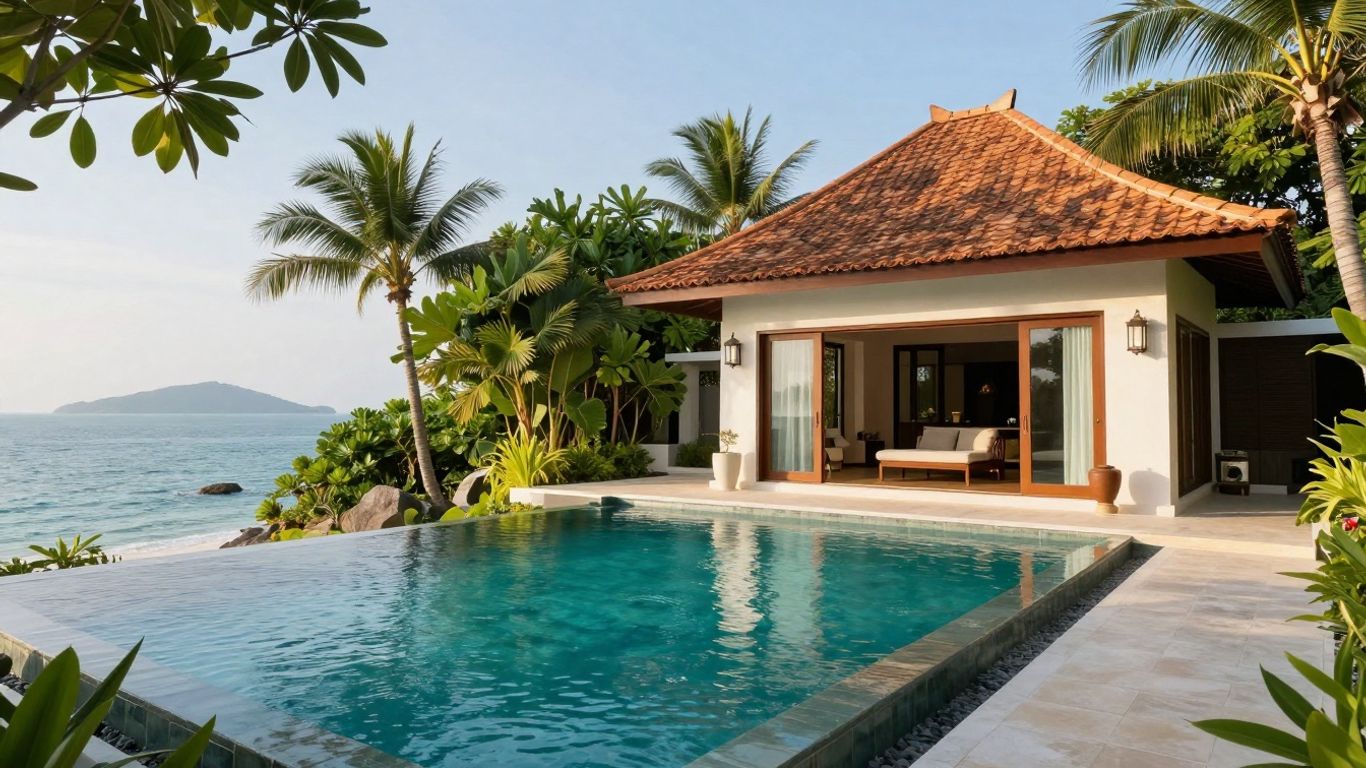
It might seem like a lot to think about, but getting the most bang for your buck with insurance in Phuket is totally doable. It’s not just about picking the cheapest option; it’s about being smart with your money and making sure you’re actually covered when you need it most. Think of it as a bit of a puzzle, where each piece fits to give you the best protection without breaking the bank.
Bundling Policies for Savings
One of the easiest ways to cut down on insurance costs is by looking at bundling. Many insurance companies in Thailand will offer discounts if you take out more than one policy with them. This could mean combining your building insurance with your contents insurance, or even adding other policies like travel or health insurance if you’re a resident. It simplifies things too – just one provider to deal with and one payment to remember.
- Building and Contents Insurance: Often bundled together for a discount.
- Property and Vehicle Insurance: If you own a car or motorbike, check if you can get a deal by insuring both.
- Personal Insurance: Consider adding health or travel insurance if it makes sense for your situation.
Understanding Deductibles and Premiums
Your premium is the amount you pay regularly for the insurance, while the deductible is the amount you agree to pay yourself towards a claim before the insurer steps in. It’s a bit of a balancing act. Generally, if you agree to a higher deductible, your premium will be lower. This can be a good strategy if you have some savings set aside and are confident you won’t need to make frequent claims. However, be realistic about what you can afford to pay out of pocket if the worst happens.
Here’s a quick look at how it can work:
| Deductible Level | Potential Premium Reduction |
|---|---|
| Low (e.g., 5,000 THB) | Standard |
| Medium (e.g., 10,000 THB) | Up to 10% lower |
| High (e.g., 20,000 THB) | Up to 20% lower |
Remember, these figures are just examples and will vary greatly between insurers and policies.
The Importance of Accurate Property Valuations
Getting your property valued correctly is super important. If you undervalue your home, you might end up paying lower premiums, but in the event of a claim, you could be underinsured. This means the payout might not be enough to fully rebuild or replace what you’ve lost. On the flip side, overvaluing your property could mean paying more in premiums than you need to. It’s worth getting a professional valuation done to make sure your sum insured is just right – not too much, not too little.
Don’t just guess your property’s value. An accurate valuation protects you from being underinsured, which could leave you with a significant financial shortfall after a major incident. It also prevents you from overpaying for coverage you don’t actually need.
It’s all about finding that sweet spot where you’re adequately protected without spending more than necessary. A bit of research and smart choices can make a big difference to your wallet and your peace of mind.
The Importance of Policy Exclusions

Reading the Fine Print Carefully
When you get your property insurance sorted for your Phuket place, it’s easy to just skim through the policy documents. You’ve got the main bits covered, right? But honestly, the real devil is often in the details, specifically in the exclusions section. This is where the insurance company spells out exactly what they won’t pay for. It’s not about trying to trick you, but it’s vital you know what’s not covered so you’re not caught out when you least expect it. Think of it as understanding the boundaries of your protection.
Common Exclusions to Be Aware Of
Phuket has its own set of risks, and insurers will often list specific things they don’t cover. You might find that damage from things like termite infestations or general wear and tear isn’t included. Also, if your property has pre-existing issues that you didn’t declare, that could void a claim. Some policies might also exclude damage caused by poor maintenance or if you’ve made significant unapproved alterations to the building. It’s always worth checking if things like gradual water damage or mould are specifically excluded, as these can be tricky.
Here are a few common exclusions you might see:
- Wear and Tear: Normal ageing of materials and fixtures.
- Pest Infestations: Damage caused by termites, rodents, or other pests.
- Gradual Damage: Slow leaks or mould growth that develop over time.
- Faulty Workmanship: Issues arising from poor construction or repairs.
- War and Civil Unrest: Damage resulting from conflict.
Ensuring Comprehensive Protection
So, how do you make sure you’re actually covered for what matters most? First off, don’t be shy about asking your insurer or broker to explain anything you don’t understand. A good policy should be clear and straightforward. If you’re buying a property that’s prone to certain issues, like flooding in a low-lying area, you might need to look for specific add-ons or a different type of policy altogether. It’s your responsibility to understand what you’re buying.
Sometimes, the cheapest policy isn’t the best. It might have more exclusions or higher deductibles, meaning you’ll end up paying more out of your own pocket if something goes wrong. Take the time to compare a few different options and read the full policy wording before you commit. It might save you a lot of hassle and money down the line.
Securing Peace of Mind in Paradise
Owning a property in Phuket, whether it’s a holiday escape or a rental investment, should be about enjoyment, not worry. That’s where having the right insurance comes into play. It’s not just about protecting your physical asset; it’s about safeguarding your financial future and allowing you to truly relax and make the most of your slice of paradise. Think of it as the final, vital step in securing your investment and your tranquility.
The Financial Security of Insurance
Let’s be honest, unexpected things happen. A sudden tropical storm could cause damage, or a burst pipe might lead to costly repairs. Without insurance, you’d be facing these bills entirely on your own. This could mean dipping significantly into savings or even taking out loans, which is hardly the relaxing experience you envisioned. Insurance acts as a financial buffer, absorbing the shock of these unforeseen events. It means that a damaged roof or a flooded bathroom doesn’t turn into a financial crisis. For those who have financed their property, having insurance is often a requirement from the lender, adding another layer of necessity.
Enjoying Your Phuket Property Worry-Free
Imagine this: you’re enjoying a cocktail by your pool, or perhaps you’re miles away, trusting your property manager to look after things. Knowing that your home is protected against common risks like fire, theft, or even those unpredictable weather events, lets you truly switch off. It removes that nagging background anxiety that something might go wrong. This peace of mind is, for many, as valuable as the property itself. It allows you to focus on the good stuff – the sunshine, the culture, the relaxation – rather than the ‘what ifs’.
Partnering with Property Management Services
While insurance is your primary safety net, working with good property management services can significantly reduce the likelihood of claims in the first place. These professionals are on the ground, conducting regular checks, arranging maintenance, and dealing with any tenant issues promptly. They can spot potential problems before they escalate into major damage. For instance, if you own a beautiful residence like this 2-bedroom pool residence in Laguna Phuket, a good management team will ensure it’s always in top condition, whether you’re there or not. Their proactive approach complements your insurance policy, creating a robust system for protecting your investment and minimising potential disruptions. It’s about having a team that looks after your interests, making your ownership experience smooth and stress-free.
Finding your perfect home in a beautiful place should be easy. We help you make sure your new property is safe and sound, so you can relax and enjoy the sunshine. Ready to find your dream spot? Visit our website today to see what’s available!
Your Paradise, Protected
So, that’s the lowdown on insurance for your Phuket place. It might seem like just another thing to sort out, but honestly, it’s a pretty big deal. Think of it as the final piece of the puzzle that lets you really relax and enjoy your property, whether it’s for holidays or earning a bit of extra cash. You wouldn’t drive without car insurance, right? Same idea here. It’s about having that safety net so a sudden storm or a leaky pipe doesn’t turn your dream into a costly headache. Do your homework, chat to a few people, and get the right cover sorted. It’s the smart way to make sure your little slice of paradise stays just that – a paradise, not a problem.
Frequently Asked Questions
Why is insurance so important for homes in Phuket?
Phuket is a beautiful place, but it can face some tough weather like tropical storms and floods. Insurance acts like a safety net. It helps pay for repairs if something bad happens, like a storm damaging your roof or a fire breaking out. Without it, you might have to pay a lot of money to fix things yourself, which can be a real financial headache.
What kind of damage does typical property insurance cover in Phuket?
Most policies cover damage from things like fires, storms, and floods. They can also help if someone breaks in and steals your belongings or causes damage on purpose. It’s good to check what’s included, as some policies might have special rules.
Do I really need insurance if I only use my Phuket home sometimes?
Yes, absolutely! Even if you’re not there all the time, bad things can still happen. A storm can blow through while you’re away, or a pipe could burst. Insurance means you won’t come back to a huge, unexpected repair bill. It’s about protecting your investment, no matter how often you visit.
What’s the difference between building insurance and contents insurance?
Think of it like this: Building insurance covers the actual house – the walls, the roof, the windows, and anything fixed to the property. Contents insurance covers the things inside your house, like your furniture, TV, clothes, and other personal items. You often need both to be fully protected.
Is it expensive to get insurance for a property in Phuket?
Many people think insurance costs a fortune, but it’s usually much cheaper than the cost of fixing major damage yourself. The price depends on your property and the level of cover you choose, but it’s generally a sensible cost for the peace of mind it offers.
What if someone gets hurt on my property in Phuket?
This is where liability cover comes in handy. If a guest or visitor has an accident and gets injured on your property, this part of the insurance can help cover their medical bills or any legal costs you might face. It protects you from unexpected claims.
Should I get extra insurance if I rent out my Phuket property?
Definitely. When you rent out your property, there are more risks. Tenants might accidentally damage things, or you could lose money if the property is damaged and can’t be rented. Policies for rental properties often include cover for tenant damage and loss of rental income, which is vital.
How do I choose the best insurance company in Thailand?
It’s wise to pick an insurance company that has a good reputation in Thailand. Look for one that is known for being fair and paying claims quickly. Reading reviews from other property owners or asking a local property manager for recommendations can be very helpful.