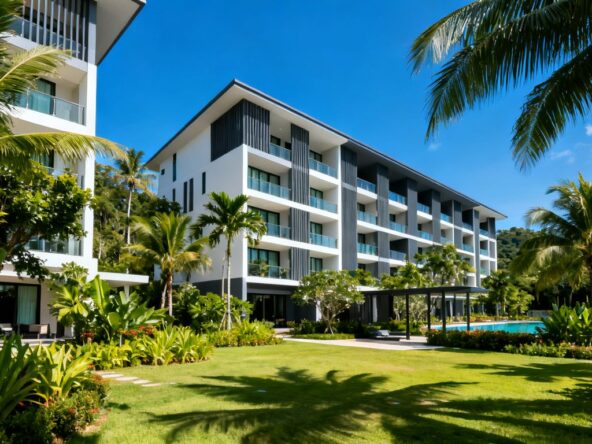


If you’re considering investing in property in Thailand, you might have come across the Thailand Elite Visa. This visa offers a range of benefits aimed at making life easier for foreign investors. But is it really worth it? In this article, we’ll break down what the Thailand Elite Visa for real estate investors entails, its advantages, and how it compares to other visa options. We’ll also look at the property market and the challenges you might face as a foreign buyer. By the end, you’ll have a clearer picture of whether this visa is the right choice for your investment plans.
Key Takeaways
- The Thailand Elite Visa provides long-term residency options for property buyers, making it easier to settle in Thailand.
- Investors can enjoy various luxury lifestyle perks, including exclusive services that enhance their living experience.
- Foreign property ownership in Thailand comes with specific legal considerations, particularly regarding land ownership restrictions.
- Comparing the Elite Visa with other visa types shows that it offers unique benefits not available with standard options.
- Understanding the local property market is crucial for making informed investment decisions, including potential returns and popular locations.
Understanding the Thailand Elite Visa for Real Estate Investors
The Thailand Elite Visa is something a lot of people considering buying property in Thailand look into. It’s not just a visa; it’s more like a membership programme that gives you a bunch of perks, including the right to live in Thailand for an extended period. For those thinking about investing in Thai real estate, it can be a pretty attractive option. Let’s have a look at what it’s all about.
Overview of the Thailand Elite Visa
The Thailand Elite Visa isn’t your typical visa. It’s a residency programme aimed at attracting high-net-worth individuals, investors, and retirees to Thailand. Think of it as a long-term membership that comes with a range of benefits designed to make your life in Thailand easier and more comfortable. Unlike other visas, it’s not tied to employment or investment in a specific business. One of the main draws is the extended stay it offers, which can range from 5 to 20 years, depending on the package you choose. This makes it a good option for those who want to buy property in Thailand and spend a significant amount of time there without the hassle of frequent visa runs or renewals.
Eligibility Criteria for Applicants
So, who can actually apply for the Thailand Elite Visa? Well, the eligibility criteria are relatively straightforward, but there are a few key things to keep in mind:
- Applicants must be at least 20 years old.
- You need to have a clean criminal record.
- You can’t be bankrupt.
- You must not have overstayed any previous Thai visas.
It’s worth noting that while owning property in Thailand isn’t a requirement for the Elite Visa, it can certainly help strengthen your application. It shows that you have a genuine interest in living in Thailand long-term and that you’re invested in the country’s future.
Types of Membership Packages
The Thailand Elite Visa comes in several different membership packages, each offering a different set of benefits and a different price point. Here’s a quick rundown of some of the most popular options:
- Gold Membership: This is one of the more affordable options, offering a 5-year visa with a one-time fee. As of late 2023, the 5 years Thailand Elite Visa Gold Membership costs 900,000 THB.
- Platinum Membership: This package extends your stay to 10 years and includes additional benefits like VIP assistance at the airport and access to exclusive events.
- Diamond Membership: For those looking for the ultimate experience, the Diamond Membership offers a 15-year visa, along with a host of premium services and privileges.
Each package has its own set of perks, so it’s worth doing your research to figure out which one best suits your needs and budget. The Thailand Elite Visa programme offers various membership tiers, each tailored to meet a variety of lifestyle and travel needs.
Benefits of the Thailand Elite Visa for Property Buyers
The Thailand Elite Visa isn’t just about staying in Thailand; it’s about enhancing your lifestyle, especially if you’re looking to invest in property. It offers a range of benefits tailored to make life easier and more enjoyable for foreign property owners.
Extended Residency Options
One of the most significant advantages is the extended residency it provides. Unlike standard tourist visas that require frequent renewals, the Elite Visa grants you long-term stay, ranging from 5 to 20 years, depending on the package you choose. This stability is invaluable for property buyers who plan to spend significant time in Thailand. It removes the hassle of constant visa runs and allows you to focus on enjoying your property and exploring the country. This is perfect for investors who can’t yet figure out which property to buy and wish to visit the site itself in person before settling into property ownership in Thailand. This way, they can avail of a variety of membership options that grant long-term stay privileges in Thailand along with exclusive benefits and VIP services.
Luxury Lifestyle Perks
The Elite Visa comes with a host of luxury lifestyle perks designed to make your stay as comfortable and convenient as possible. These can include:
- Airport concierge services: Imagine being greeted upon arrival and whisked through immigration and customs. This is a standard perk for Elite Visa holders.
- Access to exclusive lounges: Enjoy complimentary refreshments and a relaxing environment while waiting for your flight.
- Discounts and special offers: Many businesses, from hotels to restaurants, offer exclusive discounts to Elite Visa members.
These perks aren’t just about pampering; they save you time and reduce stress, allowing you to focus on your property investments and enjoy your life in Thailand.
Access to Exclusive Services
Beyond the luxury perks, the Elite Visa provides access to a range of exclusive services that can be particularly beneficial for property owners. These services are designed to assist with various aspects of living and investing in Thailand, such as:
- Assistance with opening bank accounts: Navigating the Thai banking system can be tricky for foreigners. The Elite Visa programme offers assistance to streamline this process.
- Help with legal and administrative matters: Whether it’s understanding property laws or dealing with government agencies, the Elite Visa provides access to support services.
- Language assistance: Overcome language barriers with access to translation and interpretation services.
These services can be invaluable for property buyers in Thailand, helping you navigate the complexities of owning property in a foreign country. The Thailand Elite Visa is also available for property owners to take advantage of. This long-term visa programme has similar offerings to residency packages, but with a twist—the Elite Visa doesn’t require property ownership unlike the LTR visa.
Navigating Property Ownership as an Elite Visa Holder

Legal Framework for Foreign Ownership
Okay, so you’ve got your Thailand Elite Visa long-term stay privileges and you’re thinking about buying some property. That’s great! But before you get too excited about that beachfront villa, it’s important to understand the rules of the game. Foreign ownership in Thailand is, well, a bit different. It’s not as straightforward as buying a house back home. Condominiums are generally okay to buy outright, but land ownership is where things get tricky.
- Foreigners can own condominium units outright.
- Land ownership is generally prohibited, but long-term leases (up to 30 years, renewable) are common.
- Setting up a Thai company is another route, but it comes with its own set of regulations and scrutiny.
It’s really important to get proper legal advice before you sign anything. Don’t just rely on what the estate agent tells you. Get a solicitor who specialises in property law and understands the ins and outs of foreign ownership. It could save you a lot of money and hassle in the long run.
Types of Properties You Can Buy
So, what can you buy? Well, the good news is there’s still plenty of choice. Condos are the most popular option for foreigners, and there are some amazing developments popping up all over the country. Houses and villas are also an option, but usually through a leasehold arrangement. Basically, you lease the land for a long period, and then own the building on top of it. Here’s a quick rundown:
- Condominiums: Freehold ownership is possible.
- Houses/Villas: Leasehold is the most common arrangement.
- Land: Direct ownership is restricted; leasehold or company structure needed.
Restrictions on Land Ownership
Right, let’s talk about land. This is where things get a bit more complicated. As a foreigner, you can’t directly own land in Thailand. There are a couple of ways around this, but they both come with their own risks and considerations. One option is to set up a Thai limited company, and the company can then own the land. However, this means you’ll need to have Thai partners, and there are rules about the percentage of shares they need to hold. Another option is a long-term lease, which can give you a significant degree of control over the land for an extended period. It’s worth noting that the Thailand Elite Visa doesn’t automatically grant you any special rights when it comes to land ownership. You’re still subject to the same laws as any other foreigner.
| Restriction | Details and the Thai bank account is a breeze with the Elite Visa.
Comparing the Thailand Elite Visa with Other Visa Options
It’s easy to think the Thailand Elite Visa is the only way to stay long-term, but it’s not. There are other options, and it’s worth comparing them to see what best fits your needs. The Elite Visa offers a unique set of perks, but it also comes with a price tag. Let’s look at some alternatives.
Long-Term Resident Visa
The Long-Term Resident (LTR) Visa is another option for those wanting to stay in Thailand for an extended period. It’s aimed at high-potential individuals, wealthy global citizens, and skilled professionals. Unlike the Elite Visa, the LTR visa has specific categories and requirements, often tied to investment or employment. You’ll need to meet certain financial or professional criteria to qualify. The LTR visa can be a good choice if you meet the requirements and want to work or invest actively in Thailand. It’s also worth noting that the LTR visa is valid for 10 years, offering a long-term stay.
SMART Visa for Investors
The SMART Visa is designed to attract highly skilled workers and investors to specific industries in Thailand. If you’re involved in science, technology, or innovation, this visa might be a good fit. It offers several benefits, including exemptions from work permit requirements and extended visa validity. However, it’s important to note that the SMART Visa is tied to specific industries and requires endorsement from relevant government agencies. It’s not as straightforward as the Elite Visa, but it can be a great option if you meet the criteria and want to contribute to Thailand’s technological advancement. The application process can be complex, so it’s worth seeking professional advice.
Business and Investor Visa
For those looking to invest in or start a business in Thailand, the Business and Investor Visa is a common route. This visa typically requires a significant investment in a Thai company or business. It allows you to work and reside in Thailand while managing your investment. However, it also comes with responsibilities, such as complying with Thai labour laws and reporting requirements. The Business and Investor Visa can lead to permanent residency, but it requires a substantial commitment and ongoing involvement in your business. It’s a different approach compared to the Elite Visa, which offers a more passive residency option. The Elite Visa cost is something to consider when comparing options.
Choosing the right visa depends on your individual circumstances and goals. The Thailand Elite Visa offers convenience and luxury, but it may not be the most suitable option for everyone. Consider your financial situation, professional aspirations, and long-term plans before making a decision. Researching all available options and seeking professional advice is always recommended.
Investment Opportunities in Thailand’s Real Estate Market
Popular Locations for Property Investment
Thailand offers a diverse range of locations for property investment, each with its own unique appeal. Phuket remains a firm favourite, attracting those seeking luxury villas and beachfront condos. Bangkok, the bustling capital, presents opportunities in high-rise apartments and commercial properties. Chiang Mai, with its relaxed atmosphere and cultural attractions, is popular for those seeking a more laid-back lifestyle and investment in guesthouses or boutique hotels. Emerging destinations like Hua Hin and Pattaya also offer potential, with ongoing development and increasing tourism. Consider your investment goals and lifestyle preferences when choosing a location. For example, a 4 rai land parcel in Thalang, Phuket, is available for sale, presenting a significant opportunity for development.
Market Trends and Insights
Thailand’s real estate market is influenced by various factors, including economic growth, tourism trends, and government policies. Recent trends indicate a growing demand for condominiums in urban areas, driven by young professionals and foreign investors. The luxury property market remains resilient, with high-end villas and apartments attracting affluent buyers. It’s important to stay informed about market trends and conduct thorough research before making any investment decisions. Keep an eye on new infrastructure projects, such as improved transportation links, as these can significantly impact property values. Understanding these trends is key to making informed decisions.
Potential Returns on Investment
The potential returns on investment in Thai real estate vary depending on the type of property, location, and market conditions. Rental yields for condominiums typically range from 4% to 8%, while capital appreciation can offer significant gains over the long term. Factors such as location, property management, and marketing strategies can influence rental income. Consider both short-term and long-term investment strategies to maximise your returns. Investing in worthwhile investment opportunities can enable you to build equity and increase your wealth over time through rental income or property appreciation.
Investing in Thailand’s real estate market can be rewarding, but it’s essential to conduct due diligence and seek professional advice. Understanding the local market dynamics, legal framework, and tax implications is crucial for making informed decisions and achieving your investment goals. Diversifying your portfolio and considering different investment strategies can also help mitigate risks and maximise returns.
Challenges Faced by Foreign Property Buyers
Understanding Thai Property Laws
Buying property in Thailand as a foreigner can feel like navigating a maze. The legal landscape is quite different from what you might be used to back home, and it’s easy to get lost in the details. For instance, direct land ownership is generally off-limits to foreigners. You really need to get your head around concepts like leasehold agreements and the ins and outs of owning a condo. It’s not just about the big laws either; local regulations and zoning rules can also throw a spanner in the works. Getting proper advice is key.
Dealing with Developers and Agents
Working with developers and agents can be a mixed bag. While many are professional and trustworthy, there are always a few bad apples. It’s important to do your homework and check their credentials. Don’t be afraid to ask tough questions and get everything in writing. Remember, they’re trying to sell you something, so it pays to be cautious. It’s also worth remembering that cultural differences can sometimes lead to misunderstandings, so clear communication is essential. You might want to buy condos in Thailand to avoid some of these issues.
Financing and Payment Options
Securing finance as a foreigner can be tricky. Thai banks are often reluctant to lend to non-residents, and even if they do, the terms might not be that attractive. This often means you’ll need to explore alternative financing options, such as using funds from overseas or getting a loan from a foreign bank. Payment structures can also be complex, with staged payments and various fees to consider. It’s important to factor in currency exchange rates and potential fluctuations, as these can significantly impact the final cost. Getting a Thailand Elite Visa can sometimes help with these processes.
It’s easy to get caught up in the excitement of buying property abroad, but it’s important to stay grounded and do your research. Don’t rush into anything, and always seek professional advice before making any major decisions. Remember, buying property is a big investment, so it’s worth taking the time to get it right.
Here’s a quick look at some potential costs involved:
| Cost | Percentage of Property Value | Notes |
|---|---|---|
| Transfer Fees | 2% | Split between buyer and seller (typically) |
| Stamp Duty | 0.5% | Payable on registration |
| Legal Fees | 0.5% – 1% | Varies depending on the complexity of the transaction |
| Withholding Tax | 1% – 3.3% | Depends on the seller (individual or company) |
Some things to keep in mind:
- Always get independent legal advice.
- Check the developer’s reputation thoroughly.
- Understand the payment schedule and any associated fees.
- Factor in currency exchange risks.
The Application Process for the Thailand Elite Visa
Step-by-Step Application Guide
So, you’re thinking about getting a Thailand Elite Visa? Good choice! The application process isn’t too bad, but it’s good to know what to expect. First, you’ll need to make sure you’re actually eligible. Passport needs to be valid for at least six months, and you can’t have a criminal record. Some nationalities are restricted too.
Once you’ve checked that, it’s time to gather your documents. You’ll need a completed application form, a copy of your passport, and a recent photo. Then, you submit all of that. After submission, the Thai government and Ministry of Foreign Affairs will review your application. This can take around two months, so be patient. If all goes well, you’ll get an approval letter. Then you pay the fee. After payment, you can get your visa affixed at the airport upon arrival in Thailand, or at a Thai embassy/consulate.
The whole process can be done from overseas, which is pretty convenient. You don’t need to be in Thailand to apply.
Required Documentation
Okay, let’s talk about the paperwork. Getting all your documents in order is key to a smooth application. Here’s a list of what you’ll likely need:
- Completed application form (get this from the Thailand Elite Visa people)
- Copy of your passport’s data page
- Copy of your current Thai visa (if you have one)
- Copy of your most recent entry/exit details for Thailand
- A high-resolution, passport-quality photo
Make sure all copies are clear and easy to read. It’s also a good idea to have digital copies saved somewhere safe. You might also need to provide additional documents depending on your specific circumstances, so it’s always best to check with the Elite Visa application folks directly.
Processing Times and Fees
Alright, let’s get down to the nitty-gritty: how long does it take, and how much does it cost? The processing time can vary, but generally, you’re looking at around two months for the Thai government to process your application. This includes checks by the Thai government and the Ministry of Foreign Affairs.
As for the fees, these depend on the membership package you choose. There are several options, each with different benefits and price points. It’s worth comparing the packages to see which one suits your needs best. Once your application is approved, you’ll need to pay the membership fee before your visa is issued. Remember to factor in potential currency conversion fees if you’re paying from abroad. After you receive your Thailand Elite Visa Welcome Letter, your visa is confirmed by Thai Immigration. You can then book your flight to Thailand. Upon arrival at Bangkok or Phuket International Airport, a VIP Greetings escort will take care of you and affix your visa at the airport. Special Immigration service, no queue at airport, exclusive departure and arrival lounge & free limousine transfer are granted to Thailand Elite Visa members.
Tax Implications for Property Buyers on an Elite Visa
So, you’re thinking about buying property in Thailand with your Elite Visa? That’s great! But before you jump in, let’s talk about the less exciting, but super important stuff: taxes. It’s not the most thrilling topic, but understanding the tax implications can save you a lot of headaches (and money) down the line. The Elite Visa Cost is one thing, but you need to factor in the taxes too.
Property Taxes in Thailand
Okay, first things first: property taxes. In Thailand, the main property tax you’ll encounter is the Local Development Tax. It’s usually a pretty small percentage of the assessed value of your property, and it’s paid annually to the local authorities. The exact amount varies depending on the location and the type of property you own. It’s worth checking with the local land office to get the specifics for your area. Don’t forget about transfer fees and stamp duty when you initially purchase the property. These are one-off costs, but they can add up, so factor them into your budget.
Income Tax on Rental Properties
Planning to rent out your Thai property? Smart move! But remember, rental income is taxable. If you’re considered a tax resident in Thailand (meaning you’ve stayed in the country for more than 180 days in a calendar year), you’ll need to declare your worldwide income, including rental income from your Thai property. Even if you’re not a tax resident, rental income earned in Thailand is still subject to Thai income tax. You can deduct allowable expenses, like property management fees and maintenance costs, to reduce your taxable income. Keep good records of all your income and expenses to make tax time easier. You’ll need a tax identification number if you’re earning income in Thailand.
Capital Gains Tax Considerations
What happens if you decide to sell your property later on? Well, any profit you make (the capital gain) is also subject to tax. The capital gains tax rate depends on a few things, including how long you’ve owned the property and your personal income tax bracket. If you’ve owned the property for a while, you might be eligible for some tax relief. It’s a good idea to get professional advice from a tax advisor to figure out the best way to minimise your capital gains tax liability. They can help you understand the rules and regulations and make sure you’re paying the right amount of tax. Remember, the Thailand Elite Visa doesn’t exempt you from paying taxes. If you are looking at luxury condos in Phuket, make sure you factor in all the tax implications.
It’s always best to seek professional advice from a qualified tax advisor who specialises in Thai property tax. They can provide tailored advice based on your individual circumstances and help you navigate the complexities of the Thai tax system. Don’t rely solely on general information – get expert guidance to ensure you’re compliant and making informed decisions.
Here’s a quick summary of things to keep in mind:
- Keep accurate records of all property-related income and expenses.
- Understand the difference between being a tax resident and a non-resident.
- Seek professional tax advice to optimise your tax position.
Real Estate Investment Strategies for Elite Visa Holders
Long-Term vs Short-Term Rentals
Okay, so you’ve got your Thailand Elite Visa, and you’re thinking about property. Smart move! But what’s the plan? Are you looking at long-term rentals, or are you thinking more short-term, like holiday lets? Both have their pros and cons, and it really depends on what you’re after. Long-term rentals give you a steady income, but short-term can bring in more cash, especially in tourist hotspots. Think about your risk tolerance and how much time you want to spend managing the property.
- Long-term rentals offer stable, predictable income.
- Short-term rentals can yield higher profits, especially during peak seasons.
- Consider the management effort involved in each strategy.
Flipping Properties for Profit
Flipping properties can be a good way to make some money, but it’s not as easy as it looks on those TV shows. You need to know the market, be able to spot a bargain, and have the cash to do the place up. Plus, you’ve got to factor in taxes and fees. It can be risky, but the rewards can be good if you know what you’re doing. It’s worth doing your homework and maybe talking to someone who’s done it before. You might want to look at sea view land for sale in Phuket, as that could be a good investment.
Diversifying Your Property Portfolio
Don’t put all your eggs in one basket, as they say. Diversifying your property portfolio is a good way to spread the risk. Think about different types of properties – apartments, villas, commercial spaces. And different locations, too. That way, if one area or type of property takes a hit, you’re not completely scuppered. It’s all about playing it smart and not getting too carried away with one particular thing.
Diversifying your property portfolio is a smart move. It reduces risk and increases your chances of a steady income stream. Consider different property types and locations to maximise your returns and minimise potential losses.
Success Stories of Thailand Elite Visa Holders
Case Studies of Successful Investors
Let’s be honest, everyone loves a good success story, right? When it comes to the Thailand Elite Visa, there are plenty of people who’ve used it to their advantage, especially in the property market. Take, for example, Mr. and Mrs. Smith from the UK. They initially invested in a condo in Bangkok as a holiday home. After a few years, they realised the rental income potential and decided to expand their portfolio. The Elite Visa made managing their properties from abroad incredibly easy, with its concierge services and streamlined processes. They now own three properties and are living comfortably off the rental income. Another example is a tech entrepreneur from Singapore who used the visa to establish a regional office in Chiang Mai, taking advantage of the lower cost of living and access to skilled workers. He initially bought a house as a base and has since invested in commercial property. These are just a couple of examples, but they show the diverse ways the Elite Visa can be a springboard for investment success.
Testimonials from Property Buyers
It’s one thing to hear about success stories, but it’s another to hear directly from the people who’ve experienced it. Here are a few snippets from Elite Visa holders who’ve invested in Thai property:
- John, from Australia: “The Elite Visa took away all the stress of long-term stays. I can come and go as I please, and the exclusive departure and arrival lounge at the airport is a real treat.”
- Maria, from Germany: “I was worried about the legal side of buying property as a foreigner, but the Elite Visa’s concierge service connected me with a great lawyer who made the whole process smooth.”
- Kenji, from Japan: “The discounts on golf courses are a great perk, but the real benefit is the peace of mind knowing I can stay in Thailand long-term without any visa hassles.”
The common thread in these testimonials is the convenience and peace of mind that the Elite Visa provides. It removes many of the barriers that foreign property buyers often face, making the investment process much smoother and more enjoyable.
Lessons Learned from Their Experiences
So, what can we learn from these success stories and testimonials? Here are a few key takeaways:
- Do your research: Understand the Thai property market, the legal framework, and the tax implications before investing.
- Use the concierge services: The Elite Visa offers a range of services designed to make your life easier. Don’t be afraid to use them.
- Network with other investors: Thailand has a vibrant community of foreign investors. Connecting with them can provide valuable insights and opportunities.
Ultimately, the Thailand Elite Visa can be a valuable tool for property buyers, but it’s important to approach it with a clear understanding of your goals and the Thai market. With careful planning and a bit of due diligence, you can unlock the potential for investment success and enjoy a comfortable life in the Land of Smiles. The Thailand Elite Visa is a great way to get started.
Future of the Thailand Elite Visa Programme
Potential Changes to Visa Regulations
The Thailand Elite Visa programme, now rebranded as Thailand Privilege, has seen some changes recently, and it’s worth thinking about what might happen next. Visa regulations are always subject to change based on economic factors, political decisions, and even global events. It’s possible we could see adjustments to the membership tiers, benefits, or even the eligibility criteria in the coming years. For example, the government might introduce new categories tailored to specific investor profiles or adjust the investment thresholds required for certain privileges. It’s also possible that the list of countries eligible for the programme could be updated.
Impact on Foreign Investment
The Thailand Elite Visa programme plays a role in attracting foreign investment, particularly in the property sector. If the programme continues to be attractive, it could lead to increased investment in Thai real estate. However, any significant changes to the programme could have an impact. A more expensive or restrictive programme might deter some investors, while a more flexible or beneficial programme could attract even more. The success of the Thailand Elite Visa in the future will depend on how well it adapts to the changing needs of foreign investors and the overall economic climate.
Long-Term Outlook for Property Buyers
For those considering buying property in Thailand, the long-term outlook is generally positive, but it’s important to stay informed about potential changes to visa regulations. Here are a few things to keep in mind:
- Economic Growth: Thailand’s economic growth will continue to be a key driver of the property market.
- Infrastructure Development: Ongoing infrastructure projects, such as new transportation links, can increase property values.
- Tourism: The tourism sector is vital, and its recovery will support the demand for rental properties.
It’s always a good idea to seek professional advice from a real estate agent or legal expert who is familiar with the Thai property market and visa regulations. This can help you make informed decisions and avoid potential pitfalls. Keeping an eye on any changes to the long-term resident visa programme is also a good idea, as it can affect your investment strategy.
It’s also worth noting that the programme’s popularity could lead to increased competition for prime properties, so it’s important to do your research and act decisively when you find a property that meets your needs. The future of the programme looks promising, but staying informed and adaptable is key to making the most of the opportunities it presents.
The Thailand Elite Visa Programme is set to evolve, offering even more benefits for those looking to enjoy life in Thailand. With new options and features, it aims to attract more visitors and long-term residents. If you’re curious about how this programme can enhance your experience in Thailand, visit our website for more details and guidance on how to apply!
Final Thoughts on the Thailand Elite Visa for Property Buyers
In the end, whether the Thailand Elite Visa is worth it for property buyers really depends on your personal situation and goals. If you’re looking for a long-term stay with added perks, it could be a good fit. But remember, the costs are significant, and not all property types are eligible. Plus, the recent changes in visa regulations might affect your plans. It’s wise to weigh the benefits against the expenses and legal requirements. If you’re serious about investing in Thailand, it might be worth chatting with a local expert to get the best advice tailored to your needs.