

Watch This Episode: Our Phuket Real Estate Podcast
Our podcast covers all the topics for property investors looking at buying real estate in Thailand.
Thinking about diving into the Samui property market? It’s a decision that can seem a bit daunting at first. Samui, with its stunning beaches and vibrant culture, has become a hotspot for real estate investment. But is it really worth your money? Let’s break it down and see what makes Samui property investment tick.
Key Takeaways
- Samui’s limited land availability keeps property demand high, driving prices up.
- Government policies in Thailand are favourable for foreign investors, easing property ownership.
- Tourism boosts the rental market, offering steady income for property investors.
- Samui’s natural beauty and strategic location make it a desirable investment spot.
- Legal complexities exist for foreign investors, but navigating them can lead to rewarding opportunities.
Understanding the Samui Property Market
Current Trends in Samui Real Estate
Koh Samui has emerged as a sought-after destination for property investment, with its market showing promising growth. Over recent years, there’s been a notable increase in demand for luxury villas and beachfront properties. The island’s appeal is driven by its natural beauty and a lifestyle that combines relaxation with modern conveniences. Investors are particularly drawn to Samui’s potential for high rental yields, especially in the luxury segment.
Key Factors Driving Property Prices
Several elements influence property prices in Samui:
- Tourism Growth: The island’s popularity as a tourist destination boosts demand for short-term rentals, pushing up property prices.
- Infrastructure Improvements: Recent developments in roads and utilities have made more areas accessible, enhancing property values.
- Limited Land Availability: As a small island, there’s a finite amount of land available for development, which can lead to higher prices.
The Role of Infrastructure Development
Infrastructure plays a pivotal role in shaping Samui’s property market. With ongoing projects aimed at improving transportation and utilities, areas that were once hard to reach are now more attractive to investors. The expansion of the island’s airport and enhancements in public services have also contributed to a more robust property market.
Samui’s transformation from a tranquil island to a bustling real estate hub is largely due to strategic infrastructure investments. These changes not only make the island more livable but also significantly boost property values, offering investors a promising return on investment.
Benefits of Investing in Samui Real Estate
High Return on Investment Potential
Investing in Samui real estate can be quite rewarding. Properties on the island often appreciate in value, thanks to limited land availability. This scarcity, combined with the island’s natural beauty, drives demand and pushes prices higher. For those looking at rental income, the thriving tourism industry ensures a steady flow of visitors, boosting rental yields. It’s a win-win for investors seeking both capital appreciation and income.
Favourable Government Policies
Thailand’s government has rolled out policies to attract foreign investors. These include relaxed property ownership laws and enticing tax incentives. Such measures make Samui a friendly environment for foreign investments. For instance, luxurious villas with ocean views are not just homes but potential income sources, thanks to these supportive policies.
Diverse Property Options Available
Samui offers a wide range of property choices, catering to different budgets and preferences. From high-end villas with private pools to more affordable condos, there’s something for everyone. Whether you’re a first-time investor or a seasoned buyer, the island’s real estate market is diverse enough to meet your needs. This variety ensures that Samui remains an attractive destination for property investment.
Exploring Samui’s Desirable Location
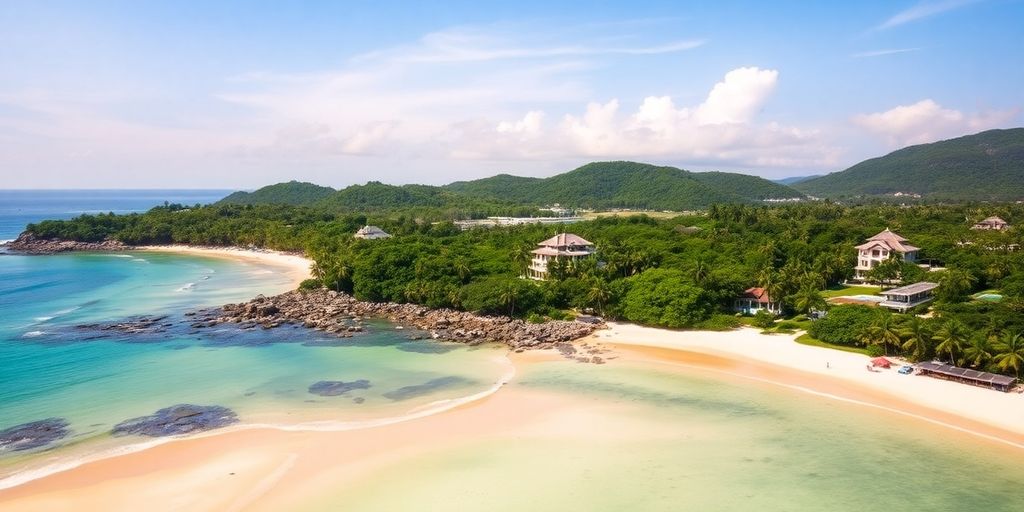
Koh Samui is like a postcard come to life. It’s got these stunning beaches with soft, white sand and water so clear you can see your toes. The island’s lush green mountains provide a breathtaking backdrop that makes you feel like you’re in a tropical paradise. Imagine waking up to panoramic ocean views every day. It’s not just about the beaches; the island is dotted with coconut groves and waterfalls, making it a nature lover’s dream.
Accessibility and Connectivity
Getting to Samui is a breeze. The island is well-connected with direct flights from major cities like Bangkok, Singapore, and Hong Kong. This makes it super convenient for tourists and investors alike. Once you’re on the island, getting around is easy too, thanks to a range of transportation options including taxis, Grab rides, and the local songthaews. The roads have seen significant improvements, making travel smoother and more enjoyable.
Lifestyle and Recreational Opportunities
Samui isn’t just about beautiful views; it’s got a vibrant lifestyle to match. Whether you’re into water sports, yoga retreats, or just lounging by the pool, there’s something for everyone. The island hosts a mix of high-end resorts and local eateries, offering a taste of both luxury and traditional Thai culture. Plus, there’s a growing expat community, which adds to the diverse social scene.
Samui’s unique blend of natural beauty, accessibility, and lifestyle options makes it a standout choice for those looking to invest in a piece of paradise. It’s not just a place to visit; it’s a place to live and enjoy life to the fullest.
For anyone considering a property here, this serene beachfront villa in Lipa Noi offers stunning sunset views and a private environment, making it an ideal investment choice.
The Impact of Tourism on Samui Property Investment
Tourism as a Growth Driver
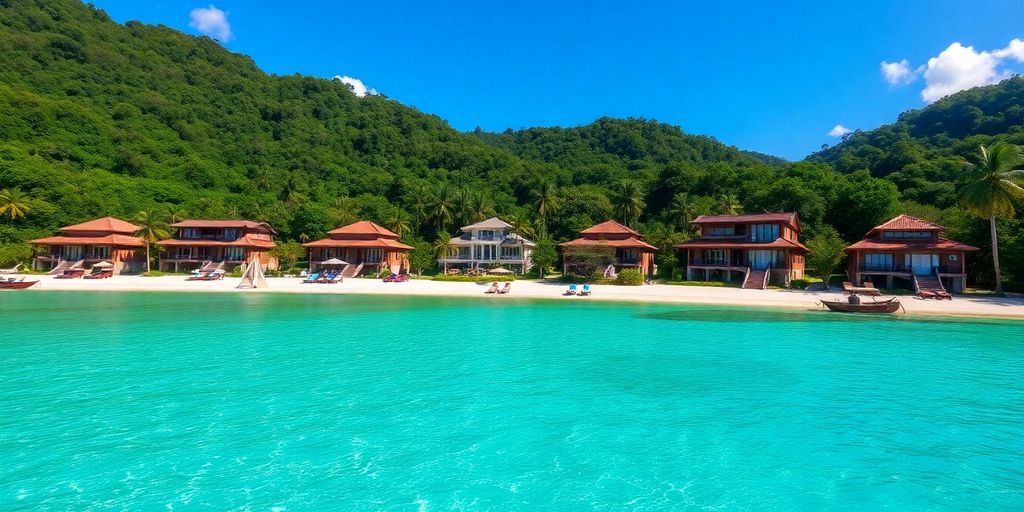
Koh Samui’s tourism industry is a powerhouse that keeps the local economy buzzing. With its stunning beaches, vibrant nightlife, and cultural attractions, the island draws visitors from all corners of the globe. This influx of tourists creates a steady demand for rental properties, making it an attractive option for investors seeking to capitalise on short-term rental income. The thriving tourism sector is a key factor driving property prices up, as more investors look to tap into this lucrative market.
Rental Demand and Yields
Investing in Samui real estate offers the potential for high rental yields, thanks to the island’s popularity as a tourist destination. Whether it’s a beachfront villa or a cosy apartment, properties in prime locations are snapped up quickly by holidaymakers. Investors can benefit from:
- High occupancy rates during peak tourist seasons.
- Competitive rental pricing due to limited supply.
- Opportunities for both short-term and long-term rentals.
Challenges of Tourism Dependency
However, relying heavily on tourism has its downsides. The COVID-19 pandemic highlighted how vulnerable Samui’s economy is when global travel grinds to a halt. This dependency can lead to market volatility, affecting property values and rental income. Potential investors should consider:
- Diversifying investment portfolios to mitigate risks.
- Understanding the seasonal nature of the rental market.
- Preparing for fluctuations in tourism demand.
Investing in Samui real estate can be rewarding, but it’s essential to weigh the benefits against the risks associated with a tourism-dependent economy. Balancing optimism with caution will help investors navigate the dynamic property landscape in Koh Samui.
Legal Considerations for Foreign Investors
When thinking about investing in property in Samui, it’s super important to get the legal stuff right, especially for foreign investors. Thailand has some unique rules that you need to know about before diving in.
Property Ownership Laws in Thailand
Foreigners can own condos in Thailand, but the rules are a bit different for other types of properties. For condos, foreigners can own up to 49% of the total area of all the units in a single condo building. This makes condos a popular choice for foreign investors. If you’re looking at villas or land, you might need to set up a Thai Limited Company. In this setup, you, as the foreign investor, can own 49% of the company, while Thai nationals must own the majority. This structure helps foreigners manage their investments while playing by the rules.
Visa and Immigration Requirements
You’ll need a valid passport and proof of funds to buy property in Thailand. It’s pretty straightforward. If you’re planning to stay long-term, consider getting a long-term visa, which can be renewed. Long-term visas are available for those who meet certain financial criteria, and they can make living in Thailand much simpler.
Navigating Legal Complexities
It’s a good idea to work with a legal advisor who knows Thai property laws inside and out. They can help you with the paperwork and make sure everything’s above board. Here are some key points to keep in mind:
- Understand Ownership Limits: Remember that foreign ownership is capped at 49% for most properties.
- Consider a Thai Limited Company: This is often the best way to own villas or land.
- Lease Options: If direct ownership isn’t possible, consider a long-term lease, usually up to 30 years, with options to renew.
“Working with a trusted legal expert can save you a lot of headaches and ensure your investment is secure.”
Navigating these legal waters might seem daunting, but with the right help, you can make a smart investment in Samui’s property market.
Challenges and Risks in Samui Property Investment
Investing in Samui’s real estate market can be incredibly rewarding, but it’s not without its share of challenges and risks. Let’s dive into some of the key issues investors might face.
Market Volatility and Economic Factors
The property market in Samui, like anywhere else, is subject to fluctuations. Economic downturns, changes in government policy, or shifts in tourism can all impact property values. Investors need to be prepared for these ups and downs. It’s crucial to stay informed about both local and global economic trends that might affect your investment.
Environmental and Infrastructure Concerns
Samui’s infrastructure, particularly its water utility services, is still developing. Many properties rely on deep wells for water, and while improvements are underway, it’s something to keep in mind. Additionally, environmental factors such as weather patterns and natural disasters can pose risks to property investments.
Managing Investment Expectations
Having realistic expectations is vital when investing in Samui. The island is beautiful and offers great potential, but it’s important to balance the allure of this stunning 5-bedroom villa in Samui with the realities of the market. Consider ongoing costs like maintenance, property taxes, and utilities, which can impact your return on investment.
Investing in Samui requires a careful balance of optimism and pragmatism. While the island offers incredible opportunities, it’s essential to approach each investment with clear eyes and a solid understanding of the potential risks involved.
Strategies for Successful Samui Property Investment
Identifying Lucrative Investment Opportunities
Investing in Samui real estate can be a rewarding venture if you know where to look. Understanding the local market trends is key. Start by researching neighbourhoods with rising demand and limited land availability. This scarcity often leads to higher property values. Consider areas close to popular beaches or with scenic views, as these are perennial favourites among buyers and renters alike. Don’t just focus on residential properties; commercial real estate in tourist-heavy zones can also offer substantial returns.
Long-term vs Short-term Investment Strategies
When it comes to Samui, deciding between long-term and short-term investment strategies depends on your financial goals. Long-term investments, such as purchasing villas or condos, can provide steady rental income and potential appreciation over time. On the flip side, short-term options like flipping properties might yield quicker profits but come with higher risks. Weighing these options carefully will help align your strategy with your financial objectives.
Engaging Professional Assistance
Navigating the Samui property market can be tricky, especially for newcomers. Hiring a professional real estate agent can be invaluable. They offer insights into the market, help you find the best deals, and guide you through the buying process. Additionally, legal experts can assist in understanding property ownership laws, which are crucial for foreign investors. For instance, improving leasehold asset laws is an area that can significantly impact investment outcomes. Engaging professionals ensures that you make informed decisions and avoid common pitfalls.
Investing in Samui real estate is not just about buying property; it’s about understanding the market dynamics, aligning your investment strategy with your financial goals, and leveraging professional guidance to navigate complexities. With a thoughtful approach, Samui can offer rewarding investment opportunities.
Comparing Samui with Other Thai Investment Destinations
Samui vs Phuket: A Comparative Analysis
When it comes to investing in Thai real estate, Samui and Phuket are often top contenders. While both islands offer stunning natural beauty and a tropical lifestyle, they cater to different investor needs. Samui is known for its laid-back vibe and a slower pace of life, making it ideal for those seeking tranquillity. In contrast, Phuket is bustling with activities and has a more developed infrastructure, attracting those who prefer a vibrant city atmosphere.
| Feature | Koh Samui | Phuket |
|---|---|---|
| Lifestyle | Relaxed | Busy |
| Infrastructure | Developing | Developed |
| Market Growth | Emerging | Stable |
The Appeal of Pattaya and Bangkok
Pattaya and Bangkok offer urban experiences quite distinct from island life. Pattaya, with its lively nightlife and beaches, draws a diverse crowd, while Bangkok’s appeal lies in its status as Thailand’s bustling capital. The city’s real estate market is mature, offering a range of properties from luxury condos to affordable apartments. In comparison, Pattaya’s market is more volatile but offers high rental yields due to its tourism-driven economy.
Emerging Markets in Thailand
Beyond the well-known destinations, emerging markets in Thailand present intriguing opportunities. Areas like Chiang Mai and Hua Hin are gaining attention for their unique offerings. Chiang Mai, known for its cultural richness and cool climate, attracts retirees and digital nomads. Hua Hin, with its royal connections and golf courses, appeals to affluent Thais and foreigners alike. These emerging markets may offer lower entry costs and potential for growth as they develop further.
Exploring these diverse locations highlights the varied opportunities within Thailand’s real estate market. Each destination offers its own set of advantages and challenges, making it crucial for investors to align their choices with their investment goals.
Future Prospects for Samui Property Investment
Predicted Market Trends and Developments
Looking ahead, the Samui property market is poised for significant growth. A projected boost in the economy is expected to drive housing demand, with property transfers for residential units valued up to 7 million baht increasing. This includes a notable rise in condo transfers, while low-rise properties are also seeing a surge. The scarcity of available land on the island continues to push prices upwards, benefiting investors keen on capitalising on this trend.
Potential for Sustainable Growth
Samui’s appeal lies in its natural beauty and strategic location. The island’s infrastructure development, particularly in transport and utilities, is set to enhance its attractiveness further. With direct flights connecting Samui to major Asian hubs, accessibility is a strong selling point. The ongoing improvements in public utilities, such as the expansion of water supply networks, are crucial for supporting the island’s growth sustainably.
Impact of Global Economic Changes
The global economic landscape will inevitably influence Samui’s property market. A growing middle class in Asia, especially within ASEAN countries, is expected to increase demand for Samui real estate. However, investors should be mindful of potential economic downturns that could impact tourism, a key driver of the island’s economy. Balancing these factors will be essential for ensuring long-term returns on investment.
Investing in Samui real estate offers a unique opportunity to own a slice of paradise while benefiting from the island’s promising growth prospects. However, it’s essential to remain aware of the challenges and risks, particularly the reliance on tourism and the need for continuous infrastructure development.
Looking ahead, investing in property in Samui presents exciting opportunities. With its stunning beaches and vibrant culture, the island continues to attract both tourists and investors. As the market grows, now is the perfect time to explore your options. Visit our website to discover how you can find your ideal property in this beautiful destination!
Conclusion
In the end, Koh Samui seems like a pretty decent spot for real estate investment. The island’s got limited land, which means properties are in demand and prices are on the up. Plus, the government is making it easier for foreigners to invest, with relaxed laws and tax perks. The place itself is stunning, with beaches and mountains that make it a dream location. And let’s not forget the booming tourism scene, which means there’s always a chance to earn from rentals. Sure, there are some hurdles, like the complex visa system and the high cost of air travel, but if you’re up for a bit of a challenge, the rewards could be worth it. So, if you’re thinking about diversifying your investment portfolio, Koh Samui might just be the place to do it.