

Chaweng, located on the vibrant island of Koh Samui, is often seen as a prime spot for property investment, especially in the Airbnb market. With its lively atmosphere, beautiful beaches, and a myriad of amenities, it certainly draws attention from investors. But is it truly a worthwhile area for Airbnb investment in Chaweng Koh Samui? Let’s explore the dynamics of the market, the attractions that bring tourists, and the potential challenges and benefits of investing here.
Key Takeaways
- Chaweng boasts high rental demand, especially for vacation homes and condos.
- The area is known for its vibrant nightlife and numerous dining options, attracting many tourists.
- Investors can expect a solid return on investment, with some achieving up to 20% annually.
- Challenges include seasonal fluctuations and potential overcrowding during peak times.
- Local regulations help maintain property value and prevent overdevelopment, making it a safer investment.
Understanding The Chaweng Market Dynamics
Current Property Trends
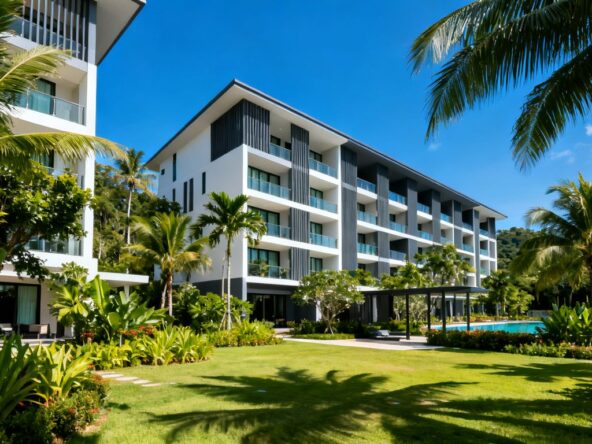
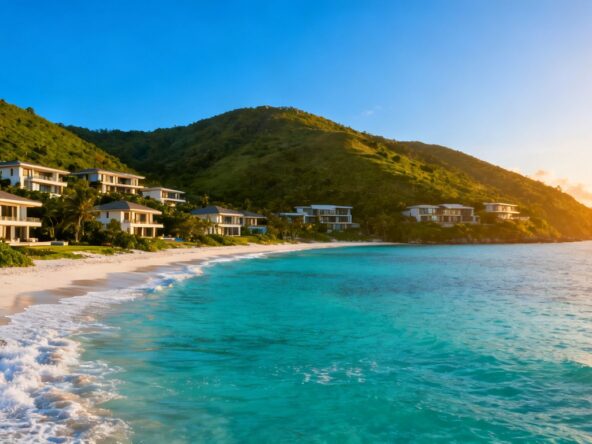
Okay, so let’s talk about what’s actually happening with property in Chaweng right now. It’s not as simple as ‘prices are up’ or ‘prices are down’. There’s a lot more to it. For starters, there’s been a noticeable shift towards luxury condos and villas, especially those with sea views. These high-end properties are attracting a specific type of tourist and investor, one who’s willing to pay for the premium experience.
- Increased demand for luxury properties.
- A slight dip in demand for older, less renovated apartments.
- New developments focusing on sustainable building practises.
Rental Demand Insights
Rental demand in Chaweng is interesting. It’s not consistent throughout the year, obviously. Peak season (December to March) sees a huge surge, while the rainy season can be a bit quieter. What’s also important is who is renting. You’ve got families, couples, backpackers, and increasingly, digital nomads. Each group has different needs and budgets, which affects the types of properties that are most in demand. For example, families might look for villas with multiple bedrooms and a pool, while digital nomads might prefer smaller, modern condos with fast internet.
Understanding the seasonal nature of tourism and the diverse needs of renters is key to maximising your investment. Don’t just assume that what works in one area will work in another. Do your research and tailor your property to the specific market you’re targeting.
Future Growth Projections
Predicting the future is always tricky, but there are some signs that point towards continued growth in Chaweng. The island’s infrastructure is improving, with upgrades to the airport and roads. Plus, there’s a growing focus on attracting higher-spending tourists. This could lead to increased demand for luxury accommodation and higher rental yields. However, it’s also important to be aware of potential challenges, such as increased competition from other areas of Koh Samui and changes in government regulations.
| Factor | Projection |
|---|---|
| Tourism Numbers | Steady increase, especially high-end tourists |
| Infrastructure Projects | Continued improvements |
| Property Prices | Moderate growth in prime locations |
Attractions That Drive Tourism
Vibrant Nightlife
Chaweng is known for its nightlife, and that’s a big draw for tourists. You’ll find everything from beach bars to nightclubs. It’s definitely a place that comes alive after dark. It’s not for everyone, but if you’re looking for a party atmosphere, Chaweng is the place to be. It’s a big reason why so many people choose to visit this area of Koh Samui.
Dining and Shopping Options
There are many restaurants in Chaweng, offering all kinds of food. You can find Thai food, of course, but also international cuisine. There are also many shops, selling everything from souvenirs to clothes. It’s easy to spend a day just wandering around and exploring the different options. The variety of dining and shopping is a major attraction for tourists.
Cultural Experiences
While Chaweng is known for its modern attractions, there are also opportunities to experience Thai culture. You can visit temples, attend local festivals, or take a Thai cooking class. These experiences can add depth to a trip and provide a glimpse into the local way of life. It’s a nice contrast to the more touristy aspects of Chaweng.
It’s worth remembering that while Chaweng has a lot to offer, it can also be very busy and crowded, especially during peak season. If you’re looking for a quiet, relaxing holiday, you might want to consider other areas of Koh Samui. But if you’re looking for action and excitement, Chaweng is a great choice.
Investment Potential in Chaweng
High Return on Investment
Chaweng continues to be a hotspot for property investment, and it’s easy to see why. The potential for a high return on investment is a major draw, with some owners seeing net ROI figures between 6-8%, and some even higher! This is largely thanks to platforms like Airbnb and rental management services, making it easier than ever to generate income from your property. It’s not just about buying a place; it’s about creating a revenue stream. The demand is there, and if you play your cards right, your property could pay for itself over time.
Comparative Analysis with Other Areas
When you’re thinking about investing in Koh Samui, it’s easy to get caught up in the hype around Chaweng. But how does it stack up against other areas? Let’s take a quick look:
| Area | Pros | Cons | Best For |
|---|---|---|---|
| Chaweng | Great nightlife, excellent dining, vibrant atmosphere | Can be noisy and crowded | Investors seeking high rental income |
| Bophut | Charming, lovely beach, boutique shops | Quieter than Chaweng | Expats and families |
| Lamai | Beautiful beach, less crowded, more affordable land and villas | Not as vibrant as Chaweng, limited public transport | Buyers seeking relaxation and value |
| Maenam | Tranquil surroundings, lower property prices compared to Chaweng | More secluded, fewer amenities | Those seeking peace and quiet |
Chaweng is great, but it’s not the only option. Bophut is favoured by expats, Lamai offers more affordable options, and Maenam is a hidden gem for those seeking tranquillity. It really depends on what you’re looking for.
Long-Term Value Appreciation
Investing in Chaweng isn’t just about short-term gains; it’s about the long game. Koh Samui’s real estate market is supported by ongoing development and investment, making it a safer bet than areas relying on cheaper materials and questionable construction. Plus, with a growing number of developers pouring money into the island, you can be sure that properties are built to last. These aren’t just holiday homes; they’re long-term assets.
Investing in Koh Samui real estate means investing in quality. The island’s commitment to modern construction norms ensures that properties are built to last, safeguarding your investment for the future. This focus on quality, combined with the island’s growing popularity, positions Koh Samui as a prime location for long-term value appreciation.
Challenges of Investing in Chaweng
Chaweng, with its lively atmosphere and beautiful beaches, is a popular spot for tourists and investors alike. However, like any investment location, it comes with its own set of challenges that potential Airbnb investors should be aware of.
Seasonal Fluctuations
One of the biggest hurdles in Chaweng is the seasonal nature of tourism. The high season, typically from December to March, sees a surge in visitors, leading to higher occupancy rates and rental prices. However, during the low season, which spans several months, demand can drop significantly. This can result in lower income and periods of vacancy, impacting your overall return on investment. It’s important to factor in these fluctuations when projecting your earnings and managing your cash flow.
Overcrowding Issues
Chaweng’s popularity can also be a double-edged sword. During peak season, the area can become quite crowded, which may deter some travellers seeking a more relaxed experience. This overcrowding can also strain local resources and infrastructure, potentially affecting the quality of life for both residents and tourists. Investors need to consider how these issues might impact the long-term appeal of Chaweng as a tourist destination.
Regulatory Considerations
Navigating the local regulations is another challenge. Thailand has specific laws regarding property ownership and business operations, which can be complex for foreign investors. It’s important to understand the rules around short-term rentals, licencing requirements, and tax obligations. Seeking advice from a local legal professional is highly recommended to ensure you’re compliant with all applicable laws and regulations.
Investing in Chaweng can be rewarding, but it’s not without its risks. Thorough research, careful planning, and a good understanding of the local market are essential for success. Don’t rush into anything, and always seek professional advice when needed.
Here are some things to keep in mind:
- Understand the local laws regarding property ownership and rental businesses.
- Factor in the seasonal fluctuations and plan your finances accordingly.
- Consider the potential impact of overcrowding on the tourist experience.
Local Amenities and Infrastructure
Accessibility to Services
Chaweng is pretty well sorted when it comes to everyday stuff. You’ve got supermarkets like Tesco and Big C for groceries, plus loads of smaller shops dotted around. Finding a pharmacy is easy too, and there are plenty of ATMs if you need cash. Basically, anything you need on a daily basis is usually within easy reach, which is a big plus for both residents and tourists.
Transportation Options
Getting around Chaweng is generally straightforward. Songthaews (shared taxis) are a common sight and a cheap way to travel along the main roads. You can also rent scooters, which are popular for exploring the island at your own pace – just be careful on the roads! Taxis are readily available, but they tend to be more expensive. Samui International Airport is also close by, making it easy for tourists to get to and from Chaweng.
Healthcare Facilities
Access to healthcare is important, and Chaweng has a few options. There are several clinics for minor ailments, and for more serious issues, you’ve got hospitals nearby. Bangkok Hospital Samui is a well-regarded private hospital not too far away. Having these facilities close by gives peace of mind, whether you’re living there or just visiting.
Living in Chaweng means you’re not isolated. Everything from basic shopping to getting medical help is relatively easy. The transport links are decent, and the airport being close is a real bonus. It’s not perfect, but for a tourist hotspot, it manages to provide a good level of convenience.
Building Regulations and Development
Local Construction Norms
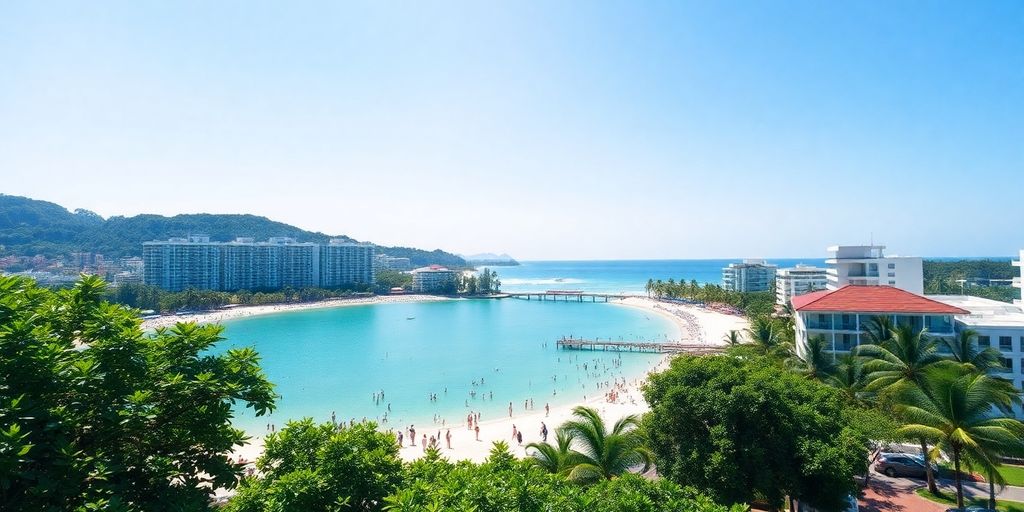
Building in Chaweng, like anywhere, has its quirks. It’s not just about slapping up a building; there are local norms you need to be aware of. For example, plot sizes can be restricted, and there are often height restrictions in place to preserve the island’s character. It’s worth getting friendly with a local architect or builder who knows the ins and outs of the system. They can help you avoid costly mistakes and ensure your project ticks all the boxes.
Impact on Property Value
What you can build, and how you build it, directly affects the value of your property. Sticking to local construction norms is important, but so is building something that appeals to the market. A well-designed villa that maximises views and blends in with the surroundings will always be worth more than a poorly planned concrete block. Also, properties built with sustainable materials and practises are becoming increasingly attractive to buyers and renters, potentially boosting their value.
Sustainability Practises
Sustainability is becoming a bigger deal in Chaweng. People are more aware of the environmental impact of construction, and there’s a growing demand for eco-friendly properties. This isn’t just about being green; it’s also about saving money in the long run. Solar panels, rainwater harvesting, and energy-efficient appliances can all reduce your operating costs and make your property more attractive to environmentally conscious tenants or buyers.
It’s worth noting that Koh Samui has been proactive in implementing building regulations to prevent overdevelopment. These rules aim to protect the environment and maintain the island’s appeal. This can be a good thing for long-term property values, as it prevents the island from becoming overcrowded and losing its charm.
Here are some sustainable practises to consider:
- Using locally sourced materials to reduce transportation costs and support the local economy.
- Implementing water-saving technologies, such as low-flow toilets and showerheads.
- Designing buildings to maximise natural light and ventilation, reducing the need for artificial lighting and air conditioning.
Airbnb Market Performance
Occupancy Rates
Chaweng’s Airbnb market is pretty active, and occupancy rates are a key indicator of how well properties are performing. Generally, higher occupancy means more income for investors. Occupancy can fluctuate quite a bit depending on the time of year, with peak season seeing a significant jump. It’s worth keeping an eye on trends to understand when to adjust pricing or marketing strategies.
Average Rental Prices
Rental prices in Chaweng can vary widely depending on the type of property, its location, and the amenities it offers. Luxury villas right on the beach will command a premium, while smaller apartments further inland might be more budget-friendly. Here’s a rough idea of what you might expect:
- Studios/Apartments: £30-£60 per night
- 1-2 Bedroom Condos: £50-£100 per night
- Villas: £150+ per night
Guest Demographics
Understanding who’s booking Airbnbs in Chaweng is crucial for tailoring your property to meet their needs. You’ll find a mix of:
- Young couples and honeymooners
- Families on holiday
- Backpackers and budget travellers
- Digital nomads looking for longer stays
Knowing your target audience helps you decide on the right amenities, decor, and marketing approach. For example, if you’re targeting families, you might want to include things like a cot, high chair, and kid-friendly activities in your listing.
Comparative Analysis with Other Locations
Bophut vs. Chaweng
Chaweng is the bustling heart of Koh Samui, known for its vibrant nightlife and extensive shopping options. It’s a magnet for tourists seeking action and convenience. Bophut, on the other hand, offers a more relaxed vibe, popular with expats and families. Bophut’s Fisherman’s Village provides a charming contrast to Chaweng’s high-energy atmosphere.
- Chaweng: Higher rental yields, more tourist-centric.
- Bophut: Quieter, more residential, growing family market.
- Consider your target demographic: party-goers vs. long-term residents.
Bophut is generally considered more expensive than Chaweng for long-term rentals, but cheaper for property purchases. This is due to the higher demand from expats and families looking for a quieter, more residential area.
Lamai’s Appeal
Lamai presents a middle ground between the intensity of Chaweng and the tranquillity of Maenam. It boasts beautiful beaches and a more laid-back atmosphere than Chaweng, while still offering a good selection of restaurants and shops. It’s becoming increasingly popular for those seeking more affordable land and villa options.
- More affordable than Chaweng and Bophut.
- Quieter beaches, suitable for families and couples.
- Growing popularity, indicating potential for future appreciation.
Maenam’s Tranquillity
Maenam is the hidden gem of Koh Samui, offering a peaceful escape from the crowds. It’s ideal for investors seeking a tranquil environment and relatively lower property prices compared to the more bustling areas. It’s a great option for those looking to attract tourists seeking relaxation and wellness retreats.
- Lowest property prices compared to other areas.
- Tranquil environment, ideal for relaxation.
- Potential for niche tourism (wellness, yoga, etc.).
Post-COVID Recovery and Future Outlook
Tourism Resurgence
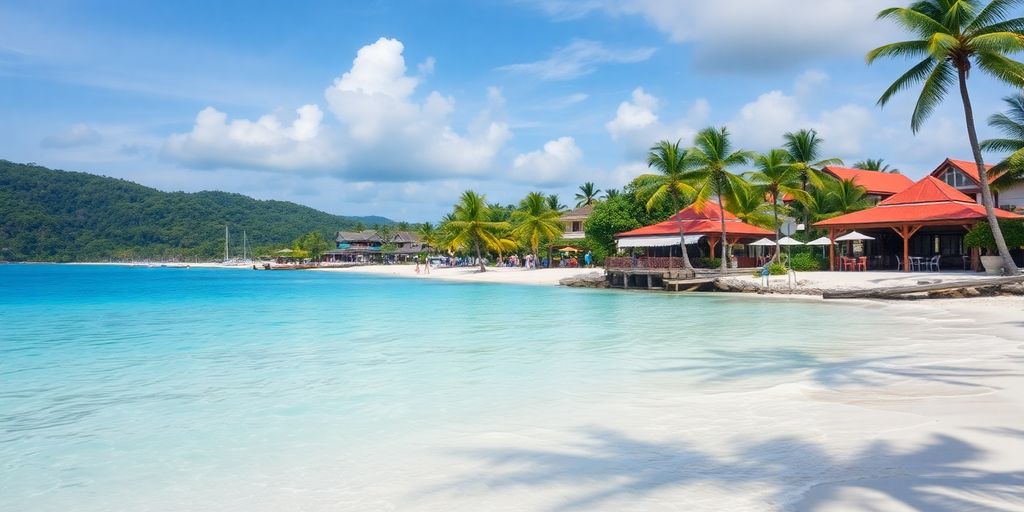
Koh Samui, and Chaweng specifically, is seeing a real bounce back. After a tough few years, tourism is picking up speed, and it’s not just backpackers anymore. We’re seeing more families and higher-end travellers looking for quality accommodation. This is great news for Airbnb investors, as it means a broader range of potential guests and opportunities to cater to different needs.
Market Recovery Trends
Things are definitely looking up. The number of tourists is increasing, and so are occupancy rates. This is pushing rental prices higher, which is obviously good news for anyone with an Airbnb property.
Here’s a quick look at some key trends:
- Increased bookings, especially for longer stays.
- Higher demand for villas and apartments with amenities like pools and kitchens.
- A shift towards more sustainable and eco-friendly accommodation options.
The recovery isn’t just about numbers; it’s about the type of tourist we’re attracting. People are looking for experiences, not just a place to sleep. This means investors need to think about what they can offer beyond just a bed and a roof.
Investor Sentiment
People are feeling more confident about investing in Chaweng. The pandemic definitely caused some hesitation, but now that things are stabilising, investors are starting to see the potential again. Interest from overseas buyers is also on the rise, which is helping to drive up property values. It’s not quite back to pre-pandemic levels, but the trend is definitely positive. It’s a good time to get in before prices climb too high.
Property Types and Investment Options
Villas and Luxury Homes
Chaweng has a lot of villas, from smaller ones to huge, fancy places. These are often a good bet for high-end tourists who want privacy and space. You’ll find some right on the beach, others tucked away in the hills. The price range is pretty wide, so do your homework. Think about things like:
- How close is it to the beach?
- Does it have a pool?
- What kind of view does it have?
Condos and Apartments
Condos are usually cheaper than villas, and there are more of them around. They’re good if you’re on a tighter budget or want something easier to manage. Look for places with good amenities, like a gym or a shared pool. Location is key here too. A condo near the main road will be easier for guests to get around.
Land Acquisition Opportunities
Buying land and building something yourself is another option, but it’s more complicated. You’ll need to deal with permits, construction, and all that stuff. But, if you do it right, you could end up with a property that’s exactly what you want and worth a lot more than you paid for the land.
Building something from scratch can be a real headache, but it also means you get to control everything. Just make sure you’ve got a good team of people helping you out, and be prepared for delays and unexpected costs. It’s not for the faint of heart, but the payoff can be huge.
Community and Lifestyle in Chaweng
Local Culture and Events
Chaweng isn’t just about the beach parties; there’s a real local culture bubbling beneath the surface. You’ll find traditional Thai festivals happening throughout the year, and they’re a great way to experience the island’s heritage. I remember stumbling upon a local market once, completely by accident, and it was way more interesting than any tourist trap. The food was amazing, and everyone was so friendly. It’s these kinds of experiences that really make you feel connected to a place.
Expat Community
There’s a pretty big expat community in Chaweng, which can be a real plus if you’re thinking of moving here. It means there are plenty of people around who understand what it’s like to adjust to a new culture, and they can offer advice and support. Plus, there are often expat meetups and events, which is a good way to make friends. It’s worth noting that the community is diverse, with people from all over the world, so you’re bound to find someone you click with.
Family-Friendly Environment
While Chaweng is known for its nightlife, it can also be surprisingly family-friendly. During the day, the beach is perfect for kids to play on, and there are plenty of restaurants with menus that cater to younger tastes. There are also a few international schools in the area, which is something to consider if you’re planning on moving with children. Of course, you’ll need to be mindful of the noise levels at night, but there are quieter areas within Chaweng that are more suitable for families.
Living in Chaweng is a mixed bag. It’s exciting, vibrant, and there’s always something going on. But it can also be overwhelming at times, especially during peak season. You need to be prepared for the crowds, the noise, and the higher prices. But if you’re looking for a place with a strong sense of community and a lively atmosphere, Chaweng could be a good fit.
Financial Considerations for Investors
Cost of Living
Okay, so you’re thinking about investing in Chaweng. Great! But let’s talk about the money side of things. It’s not just about buying the property; it’s about keeping it going. The cost of living in Chaweng can be a bit of a surprise if you’re not ready for it. Things like utilities (electricity can be pricey with air con running all the time), groceries (especially if you want stuff from home), and general upkeep all add up.
- Expect to pay more for imported goods.
- Local markets offer cheaper alternatives.
- Factor in monthly expenses for a realistic budget.
Tax Implications
Taxes. Nobody likes them, but they’re a fact of life. When you’re investing in property in Thailand, you need to get your head around the tax rules. There’s property tax, income tax on your rental income, and potentially other taxes depending on how you structure your investment. Getting some professional advice here is really important. Don’t try to wing it; you could end up paying more than you need to, or worse, getting into trouble with the tax authorities.
Financing Options
So, how are you going to pay for this investment? Unless you’re sitting on a pile of cash, you’ll probably need some kind of financing. Getting a mortgage as a foreigner in Thailand can be tricky, but it’s not impossible. You might need to look at local banks or international lenders. Also, think about things like interest rates and repayment terms.
- Explore options with local Thai banks.
- Consider international lenders specialising in overseas property.
- Be prepared for potentially higher interest rates compared to your home country.
It’s worth remembering that currency exchange rates can fluctuate, which can affect your returns. Keep an eye on the exchange rate between your home currency and the Thai Baht. This can impact both your initial investment and your ongoing income.
When thinking about investing, it’s important to consider your finances carefully. You need to look at how much money you can spend and what your goals are. Make sure to check the costs involved, like taxes and fees, so you know what to expect. If you want to learn more about smart investing, visit our website for helpful tips and advice!
Final Thoughts on Investing in Chaweng
So, is Chaweng a good spot for Airbnb investment? Well, it’s got a lot going for it. The lively atmosphere, great beaches, and a solid rental market make it appealing. Sure, it can get a bit crowded, especially in peak season, but that just means more potential guests. If you’re looking to invest, Chaweng offers a mix of fun and profit. Just keep an eye on the market trends and maybe consider the quieter areas too. Overall, if you’re ready to dive into the rental scene, Chaweng could be a smart choice.