
Watch This Episode: Our Phuket Real Estate Podcast
Our podcast covers all the topics for property investors looking at buying real estate in Thailand.
Watch This Episode: Our Phuket Real Estate Podcast
Our podcast covers all the topics for property investors looking at buying real estate in Thailand.
Thinking about investing in Airbnb properties? Chaweng on Koh Samui could be a great choice. With its vibrant atmosphere, stunning beaches, and a solid rental market, it’s definitely drawing interest from investors. Sure, it can get a bit busy, especially during peak times, but that just means there are more potential guests. If you’re ready to jump into the rental market, Chaweng offers a mix of fun and profit. Let’s take a closer look at what makes this area tick and whether it’s a smart investment move for you.
Key Takeaways
- Chaweng has a strong demand for rentals, especially for holiday homes and condos.
- The area is known for its lively nightlife and diverse dining options, making it popular with tourists.
- Investors can expect decent returns, with some achieving 6-8% ROI or more.
- Seasonal variations can impact income, so planning ahead is essential for investors.
- Understanding local regulations is important for successful Airbnb investment.
Investment Potential in Chaweng
Chaweng is still a popular place for people to buy property, and it’s easy to see why. The chance to get a good return on your investment is a big plus, with some owners seeing decent net ROI figures. Platforms like Airbnb and various rental management services make it easier than ever to make money from your property. It’s not just about buying a place; it’s about creating a way to earn money.
High Return on Investment
Chaweng is a great place for investors who want to make a lot of money. The area’s popularity with tourists means there are always people looking to rent. Here’s a quick look at what you might expect:
- Prime beachfront properties: 6-10% ROI
- Condos near the main street: 5-8% ROI
- Villas slightly inland: 4-7% ROI
Long-Term Value Appreciation
Investing in Chaweng isn’t just about making money quickly; it’s about thinking long-term. The Koh Samui real estate market is supported by ongoing development and investment, making it a safer bet than areas that rely on cheaper materials and questionable construction. Plus, with more and more developers putting money into the island, you can be sure that properties are built to last. These aren’t just holiday homes; they’re assets that will last for years.
Investing in Koh Samui real estate means investing in quality. The island’s commitment to modern construction norms ensures that properties are built to last, safeguarding your investment for the future. This focus on quality, combined with the island’s growing popularity, positions Koh Samui as a prime location for long-term value appreciation.
Market Demand for Rentals
Chaweng is a busy place that attracts a lot of tourists. This means there’s always a demand for rental properties. Whether it’s short-term holiday rentals or longer-term lets, there are always people looking for a place to stay. This high demand can help you keep your property occupied and generate a steady income. Here are some factors driving rental demand:
- Year-Round Tourism: Koh Samui enjoys a tropical climate, making it a year-round destination.
- Variety of Travellers: Chaweng attracts a diverse range of tourists, from budget backpackers to luxury travellers.
- Increasing Awareness: More people are discovering Chaweng as a desirable holiday destination.
Tourist Attractions in Chaweng
Chaweng is a major draw for tourists, and it’s easy to see why. It’s not just one thing, but a combination of factors that make it appealing. From the beaches to the nightlife, there’s something for everyone. Let’s break down some of the main attractions:
Vibrant Nightlife
Okay, let’s be real, Chaweng is known for its nightlife. If you’re after a party, this is definitely the place to be. It’s buzzing after dark, with beach bars and nightclubs galore. It might not be everyone’s cup of tea, especially if you’re after a quiet getaway, but it’s a massive draw for a lot of people. It’s a key reason why many choose to visit this part of Koh Samui. You can find oceanfront view villa here.
Beautiful Beaches
Of course, we can’t forget the beaches! Chaweng Beach is the big one, a long stretch of sand perfect for sunbathing, swimming, and all sorts of water sports. The water is usually pretty calm, making it great for families too. But there are other beaches nearby as well, each with its own vibe.
- Chaweng Beach: The main beach, long and sandy.
- Chaweng Noi Beach: A bit quieter, more secluded.
- Nearby Lamai Beach: Worth a visit for a change of scenery.
Cultural Experiences
It’s easy to think of Chaweng as just a modern tourist spot, but there are definitely opportunities to experience Thai culture too. You can visit temples, check out local festivals, and even take a Thai cooking class. I always remember stumbling upon a local market once, completely by accident, and it was way more interesting than any tourist trap. The food was amazing, and everyone was so friendly. It’s these kinds of experiences that really make you feel connected to a place.
Don’t just stick to the main tourist spots. Get out there and explore! Talk to locals, try new foods, and see what hidden gems you can find. That’s where the real magic happens.
Understanding the Rental Market
Seasonal Demand Fluctuations
Chaweng’s rental market is heavily influenced by the seasons. Peak season, typically from December to March, sees a surge in demand, leading to higher occupancy rates and rental prices. During the monsoon season, demand tends to decrease, impacting rental income. Understanding these fluctuations is crucial for planning your investment strategy. You’ll need to consider:
- Adjusting rental rates based on the season.
- Implementing marketing strategies to attract off-season renters.
- Budgeting for periods of lower occupancy.
It’s important to remember that Chaweng’s rental market isn’t static. Keep an eye on trends and adapt your approach to maximise your returns. Don’t be afraid to experiment with pricing and marketing to find what works best for your property.
Types of Properties in Demand
The types of properties in demand vary depending on the target market. Luxury villas with sea views are popular with families and groups seeking a high-end experience, while smaller condos are favoured by solo travellers and digital nomads. Guesthouses can also be a viable option, offering a more budget-friendly alternative. Here’s a quick overview:
- Villas: Ideal for families and groups, offering privacy and luxury.
- Condos: Suitable for solo travellers and couples, providing convenience and affordability.
- Guesthouses: A budget-friendly option, attracting backpackers and budget-conscious travellers.
Average Rental Prices
Average rental prices in Chaweng vary significantly depending on the type of property, location, and amenities. Beachfront properties command higher prices than those further inland. Here’s a rough guide to rental prices:
| Property Type | Average Price (per night) |
|---|---|
| Studios/Apartments | £30-£60 |
| 1-2 Bedroom Condos | £50-£100 |
| Villas | £150+ |
It’s important to conduct thorough research to determine the optimal rental price for your property. Consider factors such as location, size, amenities, and current market conditions. Don’t forget to factor in property tax and other expenses when calculating your potential rental income.
Challenges of Investing in Chaweng
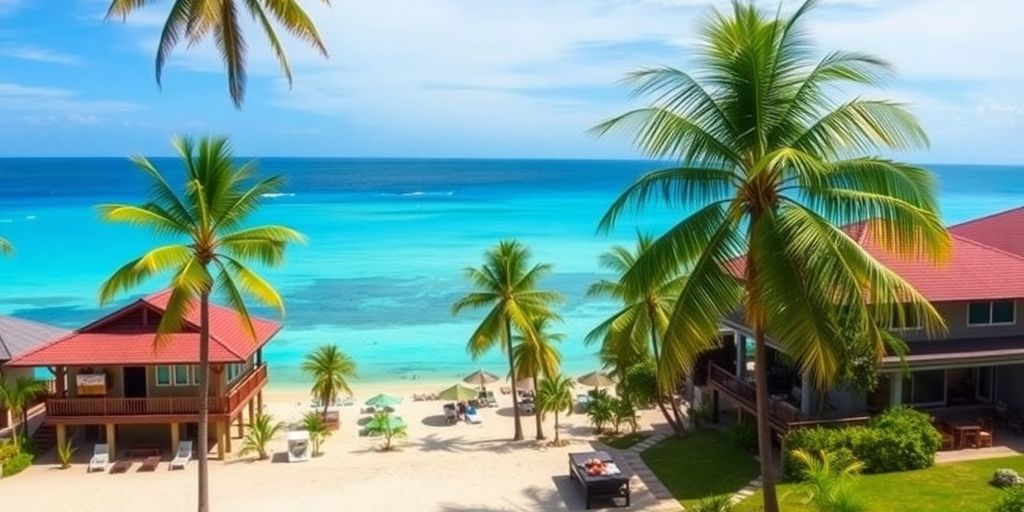
Chaweng, with its lively atmosphere and beautiful beaches, is a popular spot for tourists and investors alike. However, like any investment location, it comes with its own set of challenges that potential Airbnb investors should be aware of.
Seasonal Fluctuations
One of the biggest issues in Chaweng is how tourism changes with the seasons. The peak season, usually from December to March, sees a big jump in visitors, meaning higher occupancy rates and rental prices. However, during the low season, which lasts several months, demand can drop a lot. This can lead to lower income and times when your property is empty, which affects your overall return on investment. You need to think about these changes when you’re working out your earnings and managing your money.
Overcrowding Issues
Chaweng’s popularity can be a bit of a problem too. During the busiest times, the area can get really crowded, which might put off some travellers who want a more peaceful experience. This overcrowding can also put a strain on local resources and things like roads and water, which could affect how nice it is to live there for both residents and tourists. Investors need to think about how these problems might affect how attractive Chaweng is as a tourist place in the long run.
Regulatory Considerations
Navigating the local regulations is another challenge. Thailand has specific laws regarding property ownership and rental businesses, and these can be complex and subject to change. It’s important to get proper legal advice to make sure you’re following all the rules and regulations. Not doing so could lead to fines or even legal action.
It’s easy to think of Chaweng as just a modern tourist spot, but there are definitely opportunities to experience Thai culture too. You can visit temples, check out local festivals, and even take a Thai cooking class. I always remember stumbling upon a local market once, completely by accident, and it was way more interesting than any tourist trap. The food was amazing, and everyone was so friendly. It’s these kinds of experiences that really make you feel connected to a place.
Local Amenities and Services
Dining and Entertainment Options
Chaweng is a proper hub for food and fun, that’s for sure. You’ll find everything from street food stalls selling tasty Thai snacks to fancy restaurants serving up international cuisine. There are loads of bars and clubs too, so if you’re after a night out, you won’t be disappointed. It’s a real mix, catering to all tastes and budgets. You can grab a quick bite for a few quid or splash out on a fancy meal – the choice is yours. It’s worth exploring a bit to find your favourite spots. I found a great little place tucked away down a side street that does the best Pad Thai I’ve ever had.
Accessibility and Transport Links
Getting around Chaweng is generally pretty easy. The main roads are well-maintained, and there are plenty of taxis and tuk-tuks available. If you’re feeling adventurous, you can rent a scooter, but be careful – the traffic can be a bit chaotic. Songthaews (shared taxis) are a cheap way to get around, but they can be a bit slow. Samui International Airport is close by, which is a real bonus if you’re flying in or out.
Here’s a quick rundown of transport options:
- Taxis: Readily available, but can be pricey.
- Scooters: Popular, but require caution.
- Songthaews: Cheap, but can be slow.
- Airport: Close proximity is a major plus.
Healthcare Facilities
Access to healthcare is important, and Chaweng has a few options. There are several clinics for minor ailments, and for more serious issues, you’ve got hospitals nearby. Bangkok Hospital Samui is a well-regarded private hospital not too far away. Having these facilities close by gives peace of mind, whether you’re living there or just visiting. It’s always good to know that medical help is available if you need it, giving you peace of mind during your stay. It’s worth checking your oceanfront view villa travel insurance covers you for medical treatment in Thailand, just in case.
Living in Chaweng means you’re not isolated. Everything from basic shopping to getting medical help is relatively easy. The transport links are decent, and the airport being close is a real bonus. It’s not perfect, but for a tourist hotspot, it manages to provide a good level of convenience.
Comparative Analysis with Other Areas

When you’re thinking about investing in Koh Samui, it’s easy to get tunnel vision and only focus on Chaweng. But how does it really stack up against other popular areas? Let’s take a look at some alternatives. It’s important to consider the pros and cons of each location before making a decision.
Chaweng vs. Lamai
Lamai offers a more laid-back vibe compared to the hustle and bustle of Chaweng. It’s known for its beautiful beach and slightly cheaper prices, making it attractive to budget-conscious travellers and long-term residents. If you’re after a quieter atmosphere, Lamai might be a better bet. You can find some great sea view land for sale there.
- Quieter atmosphere.
- Lower cost of living.
- Growing popularity with families.
Chaweng vs. Bophut
Bophut, with its Fisherman’s Village, provides a charming contrast to Chaweng’s high-energy atmosphere. It’s a blend of traditional Thai life and modern amenities. Bophut is generally considered more expensive than Chaweng for long-term rentals.
- More relaxed and family-friendly.
- Boutique shopping and dining options.
- Generally more expensive than Chaweng.
Chaweng vs. Maenam
Maenam is even more peaceful than Lamai or Bophut, offering a truly authentic Thai experience. It’s further from the main attractions, which can be a plus or a minus depending on what you’re looking for. If you want to escape the tourist crowds, Maenam could be ideal. It’s a good spot for lake view condominium for sale.
- Peaceful and quiet.
- Authentic Thai experience.
- Further from main attractions.
Choosing between Chaweng, Lamai, Bophut, and Maenam depends on your investment goals and target audience. Chaweng is great for high rental income, while Lamai and Maenam are better for budget-conscious travellers. Bophut appeals to families and expats.
Financing Your Investment
Local Banking Options
So, you’re thinking about buying a place in Chaweng to rent out on Airbnb? Great! But unless you’re loaded, you’ll probably need a loan. Dealing with banks in a new country can be a bit of a headache, but it’s doable. Thai banks do offer mortgages to foreigners, but the requirements can be pretty strict. You’ll likely need a good credit history, proof of income, and a hefty deposit. It’s worth shopping around to see what different banks offer, as interest rates and terms can vary quite a bit.
International Lenders
If local banks aren’t playing ball, don’t panic! There are international lenders who specialise in helping foreigners buy property abroad. These lenders might be more flexible than Thai banks, but they often charge higher interest rates and fees. Make sure you read the fine print carefully before signing anything. It’s also worth checking if your home bank offers international mortgages. They might have a programme that makes things a bit easier.
Understanding Interest Rates
Interest rates are a big deal when you’re taking out a loan, so it’s important to understand how they work. In Thailand, interest rates can be higher than what you’re used to back home. They can also be variable, which means they can go up or down depending on market conditions. Before you commit to a loan, make sure you can afford the repayments even if interest rates rise. It’s also worth considering fixed-rate mortgages, which offer more stability but might come with higher initial rates.
It’s worth remembering that currency exchange rates can fluctuate, which can affect your returns. Keep an eye on the exchange rate between your home currency and the Thai Baht. This can impact both your initial investment and your ongoing income.
Here’s a quick rundown of things to consider:
- Compare rates: Don’t just go with the first lender you find. Get quotes from several different banks and lenders to see who offers the best deal.
- Factor in fees: Loan fees can add up quickly, so make sure you know what you’re paying for.
- Read the fine print: Understand the terms and conditions of your loan before you sign anything. Pay attention to things like prepayment penalties and late payment fees.
Property Management Considerations
So, you’re thinking about renting out your place in Chaweng? Great! But before you start dreaming of all that lovely income, let’s have a chat about property management. It’s not always as simple as handing over the keys and watching the money roll in. There are a few things to consider, trust me.
Self-Management vs. Professional Services
Okay, first things first: are you going to manage the property yourself, or are you going to get someone else to do it? Self-management can save you some money, but it also means you’re on call 24/7. Think about dealing with late-night calls about broken air conditioning or leaky taps. Not fun, is it? On the other hand, professional services offer maintenance and can take a load off your mind, but they will take a cut of your earnings. It’s a trade-off.
Here’s a quick rundown:
- Self-Management: Cheaper, more control, but a lot more work.
- Professional Management: Less hassle, but more expensive.
- Hybrid Approach: Some tasks you do, some you outsource. Best of both worlds?
Maintenance and Upkeep
Right, let’s talk about keeping your property in tip-top shape. Regular maintenance is absolutely key to keeping guests happy and getting those five-star reviews. Think about it: nobody wants to stay in a place that’s falling apart. So, make sure you’re on top of things like cleaning, repairs, and general upkeep. A well-maintained property also helps to maintain high rental income.
Here’s a little checklist to get you started:
- Regular cleaning (duh!).
- Checking for and fixing any leaks or damages.
- Maintaining the garden or outdoor areas.
Guest Experience Management
Finally, let’s think about your guests. They’re the ones paying the bills, after all! Making sure they have a great experience is crucial for getting good reviews and repeat bookings. This means being responsive to their needs, providing clear instructions, and generally being a good host. A welcome basket with some local goodies can go a long way, trust me.
Think about what you would want if you were staying in an Airbnb. Cleanliness, comfort, and good communication are all essential. Go the extra mile, and you’ll be rewarded with happy guests and a thriving rental business.
Market Trends and Future Outlook
Predicted Growth in Tourism
Chaweng is expected to see a steady increase in tourism, particularly from higher-spending visitors. This is partly due to ongoing improvements to the island’s infrastructure, such as the airport and road networks. The focus is shifting towards attracting tourists who are looking for more than just a cheap holiday; they want experiences. This means that investors need to think about what they can offer beyond just basic accommodation.
- Increased bookings, especially for longer stays.
- Higher demand for villas and apartments with amenities like pools and kitchens.
- A shift towards more sustainable and eco-friendly accommodation options.
Understanding the seasonal nature of tourism and the diverse needs of renters is key to maximising your investment. Don’t just assume that what works in one area will work in another. Do your research and tailor your property to the specific market you’re targeting.
Impact of Development Projects
New development projects are having a significant impact on Chaweng. There’s a noticeable shift towards luxury condos and villas, especially those with sea views. These high-end properties are attracting a specific type of tourist and investor, one who’s willing to pay for the premium experience. Investors can explore options for purchasing land in Phuket to cater to this growing demand. Here’s a quick look at some key trends:
- Luxury is in: High-end villas and condos are seeing the most interest.
- Location matters: Beachfront properties and those close to amenities are always in demand.
- Sustainability is growing: Eco-friendly developments are becoming more popular with environmentally conscious travellers.
Long-Term Investment Viability
People are feeling more confident about investing in Chaweng. The pandemic definitely caused some hesitation, but now that things are stabilising, investors are starting to see the potential again. Interest from overseas buyers is also on the rise, which is helping to drive up property values. It’s not quite back to pre-pandemic levels, but the trend is definitely positive. It’s a prime location for long-term value appreciation. The recovery isn’t just about numbers; it’s about the type of tourist we’re attracting. People are looking for experiences, not just a place to sleep. This means investors need to think about what they can offer beyond just a bed and a roof.
| Factor | Projection |
|---|---|
| Tourism Numbers | Steady increase, especially high-end tourists |
| Infrastructure Projects | Continued improvements |
| Property Prices | Moderate growth in prime locations |
As we look ahead, the real estate market is changing rapidly. More people are interested in buying homes in popular areas like Phuket and Samui. This trend shows that many are eager to invest in beautiful locations. If you want to stay updated on these exciting changes and find your dream property, visit our website today!
Final Thoughts on Investing in Chaweng
In conclusion, Chaweng seems like a promising option for those looking to invest in Airbnb properties. The lively atmosphere, beautiful beaches, and a strong rental market certainly make it appealing. Yes, it can get quite busy, especially during peak seasons, but that just means more potential guests for your property. If you’re thinking about investing, Chaweng has a lot to offer in terms of enjoyment and profit. Just remember to keep an eye on market trends and consider quieter areas too. Overall, if you’re ready to jump into the rental market, Chaweng could be a smart move.