


Watch This Episode: Our Phuket Real Estate Podcast
Our podcast covers all the topics for property investors looking at buying real estate in Thailand.
Watch This Episode: Our Phuket Real Estate Podcast
Our podcast covers all the topics for property investors looking at buying real estate in Thailand.
Buying property in Thailand can be quite the adventure, especially if you’re from abroad. It’s not just about finding the right place; you’ve got to deal with language barriers, legal stuff, and even a bit of cultural learning. But don’t worry, it doesn’t have to be a headache. With some planning and the right help, you can make the process a lot easier. This guide will walk you through overcoming language barriers and making your property purchase as smooth as possible.
Key Takeaways
- Language barriers can be a major hurdle for foreign buyers in Thailand, but hiring a bilingual real estate agent can help bridge the gap.
- Understanding Thai property laws is essential. Engaging a legal professional familiar with local regulations can safeguard your interests.
- Building relationships with Thai sellers involves cultural sensitivity and effective communication.
- Knowing the Thai property market trends and popular locations can guide you in making profitable investment decisions.
- Managing financial transactions, including opening a Thai bank account and understanding applicable taxes, is crucial for a hassle-free purchase.
Understanding Language Barriers in Thailand
The Importance of Language in Property Transactions
Buying property isn’t just about numbers and contracts; it’s also about communication. Language plays a crucial role in ensuring that all parties understand the terms and conditions of the sale. Misunderstandings can lead to serious issues, from financial disputes to legal troubles. In Thailand, the language barrier can be significant, especially when dealing with local sellers or authorities who might not speak English fluently.
Common Language Challenges for Foreign Buyers
Foreign buyers often face several language-related hurdles. Here are some common ones:
- Complex Terminology: Real estate jargon can be confusing even in your native language. In Thai, it becomes even more challenging.
- Legal Documents: Contracts and legal documents are often in Thai, requiring precise understanding to avoid mistakes.
- Cultural Nuances: Language is tied to culture. Certain phrases or expressions might not translate well, leading to potential misunderstandings.
Strategies to Overcome Language Barriers
To tackle these challenges, consider the following strategies:
- Hire a Bilingual Agent: A bilingual real estate agent can bridge the gap between languages, ensuring smooth communication. They can help translate documents and explain local customs.
- Use Translation Apps: While not perfect, translation apps can help with basic communication needs.
- Learn Basic Thai: Knowing a few key phrases can go a long way in building rapport with sellers and locals.
- Engage Legal Professionals: Legal experts familiar with Thai property laws can provide clarity and ensure compliance with local regulations.
Embracing the language and culture of Thailand not only helps in property transactions but also enriches your experience as a homeowner. It’s about more than just buying a house; it’s about becoming part of a community.
Choosing the Right Bilingual Real Estate Agent

Benefits of Hiring a Bilingual Agent
When you’re diving into the Thai property market, having a bilingual real estate agent by your side is like having a trusty guide on a mountain hike. They help bridge the language gap, making sure nothing gets lost in translation. This is crucial when negotiating terms or understanding the finer details of a sale. Plus, they come with local insights that can save you from potential pitfalls. A good agent knows the ins and outs of the market, and can even spot a red flag from a mile away.
How to Find a Trustworthy Agent
Finding a reliable agent isn’t just about picking the first name that pops up on Google. It’s about doing your homework. Start by asking around in expat circles—word of mouth is gold. Check online reviews, but take them with a grain of salt. Look for agents who have a track record with foreign buyers; they’ll be more attuned to your needs. Don’t shy away from asking for references or about their experience in the area.
Questions to Ask Your Potential Agent
Before you sign on the dotted line with an agent, there are a few questions you should definitely ask:
- How long have you been working in the Thai property market?
- Can you provide references from past clients?
- What is your experience with foreign buyers?
When choosing an agent, it’s not just about their knowledge, but how well they communicate and understand your needs. A good agent should make you feel confident and informed every step of the way.
For those considering a luxurious beachfront property in Bang Por, Phuket, engaging a seasoned agent familiar with such exclusive listings can make all the difference. They can navigate the local market dynamics and connect you with properties that truly match your criteria.
Navigating Thai Legal Procedures
Understanding Thai Property Laws
When buying property in Thailand, you must grapple with a unique set of laws and regulations. Foreigners, for instance, can’t own land directly but can own buildings or lease land for up to 30 years. Understanding these rules is key to a successful purchase. It’s wise to consult with a local lawyer who can guide you through the legal maze and ensure you meet all requirements.
The Role of Legal Professionals
Hiring a legal professional is not just advisable; it’s practically essential. They help in reviewing contracts, ensuring that the terms are fair and that there are no hidden clauses that could cause issues down the line. Here’s what they typically assist with:
- Contract Review: Ensuring the contract is clear and fair.
- Due Diligence: Checking the property’s legal status and any encumbrances.
- Negotiations: Helping to negotiate terms with the seller.
Ensuring Compliance with Local Regulations
Compliance with local regulations is non-negotiable. This includes everything from zoning laws to building codes. Failure to comply can result in fines or even the loss of your property rights. A legal advisor can help you navigate these requirements, ensuring that your purchase is above board and secure.
Engaging with local legal experts not only protects your investment but also provides peace of mind. Their expertise is invaluable in navigating the complexities of Thai property law.
Building Rapport with Thai Sellers
The Importance of Cultural Sensitivity
When buying property in Thailand, it’s not just about the numbers and paperwork. Cultural understanding plays a significant role. The Thai concept of "jai yen" or "cool heart" is all about keeping calm and showing genuine interest. This approach builds trust and goodwill, which can make the whole process smoother.
Effective Communication Techniques
Communication isn’t just about language. It’s about how you connect with people. Here are some tips:
- Learn Basic Thai Phrases: Even if it’s just greetings or thank yous, speaking a bit of Thai can show respect and appreciation.
- Use a Translator: If you’re not confident in your Thai, having a translator can help avoid misunderstandings.
- Be Patient and Respectful: Thai culture values patience and calmness, so keep a cool head during discussions.
Participating in Local Traditions
Engaging in local traditions can enhance your relationship with sellers. Thailand is rich in traditions, and participating in these can show respect and goodwill:
- House Blessing Ceremonies: These are often conducted by Buddhist monks to bring good fortune. Being part of these can endear you to the community.
- Spirit Houses: Many properties have a small shrine known as a "San Phra Phum." Maintaining this with offerings like flowers or incense shows respect for local customs.
Building a connection with Thai sellers isn’t just about the transaction. It’s about understanding and respecting their culture, which can lead to a more pleasant buying experience.
Understanding the Thai Property Market
Key Market Trends to Watch
When considering a property purchase in Thailand, especially if you’re looking to Buy Luxury Villas in Phuket, it’s key to keep an eye on the market trends. Thailand’s property market is dynamic, influenced by both local and international factors. Here are some trends to be aware of:
- Rising Demand for Luxury Villas: With an increasing number of expatriates and tourists, there is a growing interest in luxury villas, particularly in regions like Phuket.
- Urban Development: Cities like Bangkok and Chiang Mai are seeing rapid urbanisation, making them hotspots for investment.
- Eco-Friendly Properties: There’s a notable shift towards sustainable living, with more eco-friendly developments popping up.
Popular Locations for Foreign Buyers
If you’re looking to Buy Villas In Phuket, you’re in good company. Phuket remains a top choice for international buyers, thanks to its stunning beaches and vibrant lifestyle. Other popular areas include:
- Bangkok: The capital city offers a mix of modern living and traditional Thai culture.
- Chiang Mai: Known for its cooler climate and rich history, it’s a favourite among retirees.
- Koh Samui: Offers a laid-back island lifestyle with beautiful beaches and lush landscapes.
How to Identify Profitable Investments
Identifying a profitable investment in Thailand requires a bit of research and local knowledge. Here are some tips:
- Research the Location: Areas with planned infrastructure developments often see a rise in property values.
- Understand Market Dynamics: Knowing whether it’s a buyer’s or seller’s market can influence your negotiation strategy.
- Consult Local Experts: Engaging with a local real estate agent can provide insights into the best opportunities.
Buying property in Thailand is more than just a transaction; it’s a chance to immerse yourself in a vibrant culture. Whether you’re planning to Buy Villa Koh Phuket or explore other regions, understanding the market dynamics can lead to a rewarding investment.
Managing Financial Transactions in Thailand
Opening a Thai Bank Account
Setting up a Thai bank account is more than just a convenience; it’s a necessity for anyone planning to buy property in the country. Having a local account simplifies transactions, offers better currency exchange rates, and builds financial credibility. To open an account, you usually need your passport, proof of address in Thailand, and sometimes a reference from your home bank. While it might seem like a hassle, it’s a step that makes paying for property-related expenses much easier.
Opening a Thai bank account is a crucial step in the property buying process, ensuring smoother transactions and establishing your financial presence in Thailand.
Transferring Funds Safely
Moving money internationally can be tricky, especially when large sums are involved. To do it right, you’ll need a "Foreign Exchange Transaction Form" for significant transfers. This form is essential if you plan to send money back to your home country later without facing hefty taxes. Always specify the purpose of your transfer, like "For the purchase of a condominium," to comply with Thai regulations. Double-check your paperwork to avoid mistakes that could lead to delays or extra fees.
- Obtain a Foreign Exchange Transaction Form for large transfers.
- Clearly state the transfer’s purpose to meet regulatory requirements.
- Verify all details to prevent costly errors.
Understanding Taxes and Fees
Buying property in Thailand isn’t just about the sticker price. There are several additional costs to consider:
- Transfer Fee: Usually split between buyer and seller, based on the property’s registered value.
- Stamp Duty: A government tax, calculated on the higher of the sale or assessed value.
- Withholding Tax: Often deducted from the sale price, depending on the seller’s tax situation.
- Specific Business Tax (SBT): Applies if the property is sold within five years and isn’t the seller’s primary residence.
Understanding these costs upfront helps you avoid potential financial pitfalls when purchasing property in Thailand.
Exploring Financing Options for Foreign Buyers
Thai Bank Loans for Foreigners
Getting a loan from a Thai bank as a foreigner can be tricky, but it’s not impossible. Some banks do offer loans to foreigners, but be prepared for some strict terms. Interest rates might be higher, and the loan-to-value ratios can be less favourable compared to what Thai nationals get. It’s crucial to shop around and compare what different banks offer to find a deal that works for you.
International Financing Solutions
If local bank loans don’t appeal, you might consider international financing. Some banks in your home country or international banks with branches in Thailand might offer better terms. They typically understand your financial situation better, which can be a plus. But, keep an eye on exchange rates and any fees that might pop up during international transactions.
Pros and Cons of Different Financing Methods
When deciding how to finance your Thai property, think about the following:
- Thai Bank Loans: These are easier to handle locally, but they might come with higher interest rates and stricter conditions.
- International Financing: This option might offer better terms, but you’ll have to deal with currency exchange and international transfer fees.
Sorting through the financing options might seem overwhelming, but with the right info and help, you can find a solution that fits your needs and makes buying property in Thailand a bit smoother.
Also, improving leasehold asset laws and agreements can make Thailand more attractive for foreign real estate investors. This can open up new opportunities for financing and investment.
Participating in Local Rituals and Ceremonies
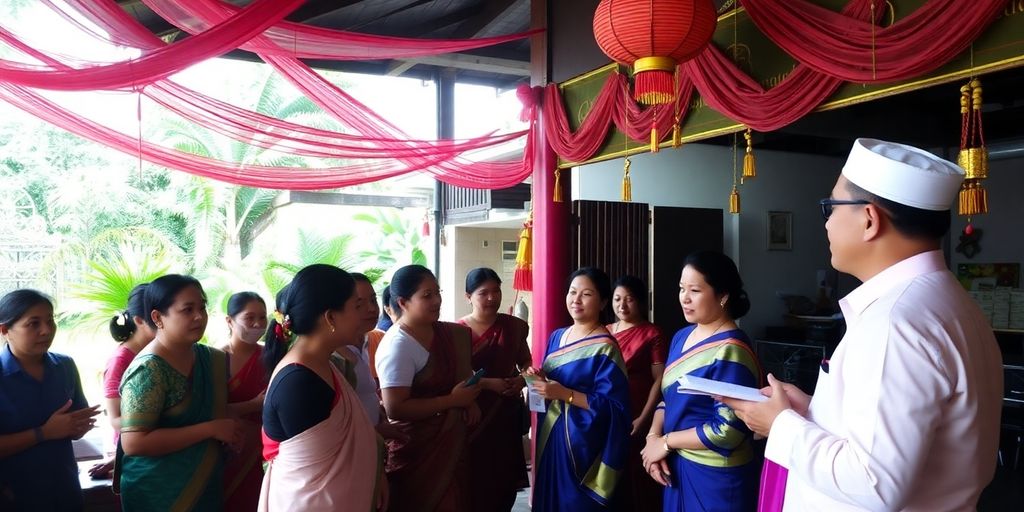
The Significance of House Blessing Ceremonies
In Thailand, moving into a new home is often marked by a house blessing ceremony. Conducted by Buddhist monks, this ritual is believed to bring good fortune and positive energy to the household. Engaging in or showing respect for these ceremonies can not only bring you luck but also help you build a positive relationship with the local community. It’s a beautiful way to start life in a new home, surrounded by well-wishes and traditional blessings.
Maintaining Spirit Houses
Many Thai properties come with a small shrine known as a "San Phra Phum" or Spirit House. These are meant to house the guardian spirits of the land. Keeping this shrine maintained with offerings like flowers or incense is seen as a sign of respect. It’s a simple yet meaningful practise that shows your appreciation for local traditions and can enhance your standing in the community.
Respecting Local Customs
Participating in local rituals and ceremonies is more than just a gesture; it’s a way to immerse yourself in Thai culture. Here are a few tips:
- Observe and Learn: Before participating, take time to observe the customs and ask questions if you’re unsure about any practises.
- Dress Appropriately: Wearing modest clothing is often expected during ceremonies.
- Show Respect: Whether it’s a nod of the head or a quiet prayer, showing respect goes a long way.
Embracing these customs not only enriches your experience as a homeowner but also helps you feel more connected to your community.
If you’re considering purchasing a property, like the prime 4 Rai land for sale in Thalang, Phuket, understanding and participating in these local traditions can make the process smoother and more rewarding.
Effective Negotiation Tactics in Thailand
Approaching Negotiations with Respect
In Thailand, negotiations aren’t just about numbers; they’re about relationships. Bargaining aggressively might work in some places, but here, it’s all about keeping things cool and respectful. A friendly smile and a calm demeanour can make a big difference. Approaching negotiations with a sense of respect and understanding often leads to better outcomes for everyone involved.
Finding Common Ground
Finding a middle ground is key when negotiating property deals in Thailand. It’s not just about what you want, but also about what works for both parties. Here are some tips to help you find that sweet spot:
- Listen actively: Pay attention to the seller’s needs and concerns.
- Be flexible: Be open to adjusting your terms to meet halfway.
- Stay patient: Sometimes, it takes time to reach a mutually satisfying agreement.
Avoiding Common Pitfalls
Even experienced buyers can stumble into common traps during negotiations. Here’s how to sidestep them:
- Don’t rush: Take your time to understand the terms and conditions.
- Avoid assumptions: Clarify any uncertainties before proceeding.
- Keep emotions in check: Stay calm and composed, even if things get tense.
Buying a house in Thailand is more than just a transaction; it’s about blending into a new culture. By respecting local customs and taking the time to understand the seller’s perspective, you not only make the process smoother but also enrich your experience as a homeowner.
Ensuring a Smooth Property Purchase Experience
The Role of Due Diligence
Before you get too excited about your dream home in Thailand, remember the importance of due diligence. This means double-checking everything about the property. Make sure the title is clear, and there are no hidden debts. You don’t want surprises later. Here’s a quick checklist:
- Verify the authenticity of the title deed.
- Check for any outstanding debts linked to the property.
- Confirm zoning laws or any future development plans nearby.
Finalising the Purchase Agreement
This step is all about getting the paperwork right. The Sales and Purchase Agreement (SPA) is crucial. Get a lawyer to go through it with a fine-tooth comb. They’ll help make sure there are no nasty surprises, like hidden fees or unfair terms. It’s not just about signing on the dotted line; it’s about understanding what you’re signing.
Post-Purchase Considerations
Once the ink is dry, it’s time to settle in. Living in a community means getting to know your neighbours and understanding local customs. If you plan to rent out the property, be sure to know the legal ins and outs, like tenant rights and rental income laws. Hiring a property management company can be a smart move if you’re not around full-time.
Owning property in Thailand isn’t just a financial move; it’s a chance to embrace a new culture. Understanding local customs can make your experience as a homeowner more fulfilling.
Embracing Thai Culture as a Homeowner
Adapting to Community Living
Living in Thailand means diving into vibrant community life. Whether you’re in a bustling Bangkok condo or a serene villa in Chiang Mai, adapting to the local way of life is essential. Community living in Thailand is all about mutual respect and understanding. Here’s how you can fit in:
- Engage with the Juristic Person: In many housing estates, a juristic person or management team looks after the community’s well-being. They handle everything from security to maintenance. Knowing them and understanding the rules can make your life easier.
- Participate in Local Events: Join in on community events and festivals. It’s a fun way to meet your neighbours and learn about Thai culture.
- Respect Local Norms: Simple gestures, like a friendly "wai" (the traditional Thai greeting), can go a long way in making connections.
Engaging with Local Craftsmen
When it comes to maintaining your home, local craftsmen are invaluable. They offer cost-effective solutions and bring a wealth of knowledge about the area. Building a good relationship with them can lead to better service and even some handy tips about living in Thailand.
- Hire Locally: Whether it’s fixing a leaky tap or installing an air conditioner, local craftsmen are often more affordable and efficient.
- Learn from Them: Don’t hesitate to ask for advice or recommendations. They can provide insights into the best local products and services.
- Show Appreciation: A simple thank you or a small gesture of appreciation can strengthen your relationship with them.
Staying Connected with the Community
Being a homeowner in Thailand opens doors to immerse yourself in the local community. From participating in neighbourhood gatherings to joining local clubs, there are plenty of ways to stay connected.
- Join Community Groups: Many areas have clubs or groups for various interests. Whether it’s a cooking class or a book club, it’s a great way to make friends.
- Volunteer: Giving back to the community through charity work or teaching can be rewarding and helps build a positive reputation.
- Learn the Language: Taking Thai language classes not only enhances your experience but also shows your commitment to integrating into the local culture.
Owning a home in Thailand is not just about having a place to stay; it’s about becoming part of the community. With every festival you attend and every neighbour you greet, you’re weaving yourself into the rich tapestry of Thai life.
For those interested in a unique living experience, consider exploring the Japanese Inspired Design Villa in Bangtao. This luxurious property offers a serene environment perfect for embracing Thai culture while enjoying modern amenities.
As a homeowner in Thailand, embracing the local culture can truly enhance your living experience. From enjoying traditional festivals to exploring local cuisine, there are countless ways to immerse yourself in the vibrant Thai way of life. If you’re looking to find your dream home in this beautiful country, visit our website today and start your journey!
Conclusion
Buying property in Thailand might seem like a big task, especially with the language and cultural differences, but it’s definitely doable. By taking the time to learn about local customs and laws, and by working with a reliable real estate agent, you can make the process much smoother. It’s also important to keep an eye on your finances, understand any taxes or fees, and build good relationships with sellers. Following these steps will help you confidently start your journey to owning a piece of this beautiful country.