


Thinking about owning a slice of paradise in Thailand? You’re not alone. Many foreigners dream of having their own villa in this beautiful country. But the rules can be a bit tricky, especially for non-citizens. This guide will break down the legal ways you can own property in Thailand, whether it’s a condo in Bangkok or a villa by the beach. From understanding the local laws to exploring different ownership options, we’ve got you covered.
Key Takeaways
- Foreigners can buy condos directly, but there’s a cap of 49% on foreign ownership in a building.
- Leasehold agreements are an option, usually lasting up to 30 years with possible renewals.
- Setting up a Thai Limited Company is a way to own land, but it requires Thai partners.
- Joint ownership with a Thai spouse is possible, but comes with legal considerations.
- Using a Thai nominee to own property is risky and not recommended.
Understanding Foreign Property Ownership in Thailand
Legal Framework and Restrictions
In Thailand, foreigners face certain restrictions when it comes to owning property. These laws are primarily in place to protect the local real estate market from being overly influenced by foreign investments, which could drive up prices and make it harder for Thai citizens to afford homes. Foreigners are generally not allowed to own land outright, but they can own buildings on leased land. This means you can own a house, but the land it sits on must be leased or owned through a legal entity such as a Thai limited company.
Types of Properties Available to Foreigners
Foreigners have several options when it comes to owning property in Thailand:
- Condominiums: Foreigners can own up to 49% of the total floor area of a condominium building. This is the most straightforward option for property ownership.
- Leasehold Properties: Foreigners can lease land for up to 30 years, with an option to renew.
- Thai Limited Company: By setting up a company, foreigners can indirectly own land, though this method requires careful legal structuring.
Common Misconceptions
There are a few common misconceptions about foreign property ownership in Thailand:
- Foreigners can easily own land: This is not true; owning land directly is not permitted.
- Thai companies can be used as a loophole: While possible, it must be done legally, with genuine Thai shareholders.
- Lease agreements are indefinite: Leases have fixed terms and conditions, often requiring renewal after 30 years.
Understanding these restrictions and opportunities is crucial for foreigners looking to invest in Thai real estate. It’s not just about finding the right property but also about navigating the legal landscape to secure your investment.
Exploring Legal Avenues for Property Ownership

Freehold Condominium Ownership
Owning a condominium is probably the most straightforward way for foreigners to hold property in Thailand. The law permits foreigners to own up to 49% of the total unit space in a condominium building. This means you can own your slice of paradise without the hassle of complicated legal structures. When considering this option, it’s essential to verify that the condominium project complies with local laws and that the developer has secured the necessary foreign ownership quota.
Leasehold Arrangements
Leasehold agreements are another popular avenue. You can lease land or property for up to 30 years, with an option to renew. This arrangement can be an attractive choice for those looking to enjoy long-term residence without owning the land outright. While leaseholds offer a way to sidestep the restrictions on land ownership, they do come with certain limitations, such as the need to negotiate renewal terms and the potential for changing laws.
Setting Up a Thai Limited Company
Some foreigners opt to set up a Thai Limited Company to purchase property. This involves having Thai nationals hold at least 51% of the company’s shares, while you retain control over the remaining 49%. While this method can be effective, it requires careful legal structuring to ensure compliance with Thai laws. It’s crucial to engage with professionals who understand the nuances of setting up and maintaining such a company to avoid any legal pitfalls.
Understanding the Thai laws that restrict foreign ownership of land is key to navigating real estate investments as a foreigner. Despite these hurdles, methods like freehold condominiums, leaseholds, and company ownership offer viable paths to owning property in Thailand.
Navigating Leasehold Agreements
Duration and Renewal Options
In Thailand, leasehold agreements typically last for 30 years. This might sound short, but many developers offer a renewal clause. This clause can extend the lease for two additional 30-year terms, making it a 90-year lease in total. This is often called the 30+30+30 lease structure. However, these renewals aren’t always legally binding. It’s wise to team up with a reliable developer and a savvy lawyer to boost your chances of a smooth renewal process.
Legal Implications and Considerations
When you sign a lease in Thailand, it’s crucial to register it at the local Land Office. This registration acts as a lien against the title deed, giving your lease a solid legal footing. This makes your position as a foreign lessee more secure compared to other methods like using a Thai company. But remember, leasehold renewals aren’t guaranteed. Terms can change, so having a sharp contract and regular legal check-ins is a smart move.
Leasehold agreements are a practical way for foreigners to tap into Thailand’s booming property market. Yet, understanding the legal landscape and potential pitfalls is key.
Benefits and Drawbacks
Leasehold agreements come with their own set of perks and downsides:
- Advantages:
- Drawbacks:
In the end, leasehold agreements can be a viable path to owning property in Thailand, but tread carefully and stay informed.
Utilising Thai Limited Companies for Property Purchase
Requirements and Regulations
Setting up a Thai Limited Company to buy property is a common route for foreigners, but it’s not without its hoops. First off, you need to make sure the company is a real business—not just a shell. It has to generate revenue and be registered in Thailand. One key rule is that foreigners can’t own more than 49% of the company shares. This means Thai shareholders must hold the majority stake. Make sure these shareholders are genuine and not just names on paper to get around the law.
Role of Thai Shareholders
Thai shareholders play a crucial part in this setup. They need to be actual investors with a say in the company’s operations, not just stand-ins. You might need to work with a lawyer to ensure the shares are structured in a way that gives you some control over the company without breaking the rules. This might involve giving the Thai shareholders restricted voting rights or having them sign over their shares to you under certain conditions.
Potential Risks and Benefits
There are upsides and downsides to buying property this way. On the plus side, it allows you to own land indirectly, which is otherwise tricky for foreigners. But there are risks too. You need to ensure the company is legitimate and operates as a real business. Plus, if anything goes wrong with the company, it could impact your property ownership. Always consult with legal and financial experts to guide you through this complex process.
Setting up a Thai Limited Company can be a smart move for owning property, but it’s loaded with legalities. Get the right advice to navigate through it all and make sure everything’s above board.
Joint Ownership with a Thai Spouse
Legal Considerations and Implications
When you’re a foreigner married to a Thai national, owning property can be a bit tricky. The Thai spouse can buy property in their name, but the foreign partner can’t legally own any part of it. This means, if a Thai spouse buys land, they must sign a declaration at the Land Department stating the funds used were solely theirs. This declaration is crucial because it legally binds the ownership to the Thai spouse, leaving the foreign partner without any direct claim to the property.
Financial and Emotional Aspects
Owning property with a Thai spouse involves more than just signing papers. Financially, it requires clear communication about who pays for what, especially since the property is technically owned by the Thai spouse. Emotionally, it can be challenging as the foreign partner might feel insecure about not having a legal stake. However, many couples find ways to work around this by setting up agreements or trusts that protect both parties’ interests.
Safeguarding Your Investment
To protect your investment, consider entering into a lease agreement with your spouse. This can grant you the right to live on the property for a set period, typically up to 30 years. It’s also wise to consult with a legal expert to ensure all agreements are clear and in your favour. Another option is to have a written agreement that outlines what happens to the property in case of divorce or other unforeseen circumstances.
While the legal landscape can be complex, having a solid plan and clear agreements can provide peace of mind and security for both partners involved.
Risks of Using a Thai Nominee
Legal Risks and Consequences
Using a Thai nominee to purchase property might seem like a clever workaround, but it comes with significant legal risks. Thai law strictly prohibits foreigners from using nominees to own land. If authorities discover this arrangement, both you and the nominee could face serious legal consequences. This might include fines or even the forced sale of the property. It’s not just about losing your investment; it’s about the potential legal battles that could ensue.
Alternatives to Nominee Arrangements
Instead of relying on a nominee, there are other legal avenues to consider. For instance, purchasing a condominium is a viable option since foreigners can own up to 49% of the total unit area. Another alternative is entering into a long-term lease agreement, which can be renewed. Exploring these options can provide peace of mind and legal security.
Ensuring Compliance with Thai Law
To protect your interests and ensure compliance with Thai law, it’s crucial to consult with legal professionals. They can guide you through the complexities of Thai property laws and help you make informed decisions. A good lawyer will not only advise you on legal ownership but also help you navigate any potential pitfalls.
Before making any property investments in Thailand, always seek professional advice to avoid legal complications and safeguard your investment.
Recent Developments in Foreign Ownership Laws
New Policies and Regulations
Thailand’s property laws have seen some interesting updates recently. The government is working on a draught regulation that could allow foreigners to directly buy land. This would be a big change, as currently, foreigners can’t own land outright. The proposal would let them buy up to 1 rai (about 1,600 square metres) in specific areas like Bangkok or Pattaya. To qualify, investors might need to meet criteria related to their assets or skills.
Impact on Foreign Investors
These changes could be a game-changer for foreign investors. Allowing direct land ownership would mean more control over investments. Plus, it could attract more property developers, especially from places like China. This shift might boost the real estate market and contribute to Thailand’s economic growth.
Future Prospects
Looking ahead, these developments could open up new opportunities. With the potential for direct land ownership, Thailand might see more foreign investment. This could lead to more competition in the property market, possibly driving up property values. It’s a promising time for investors keeping an eye on Thailand’s real estate scene.
Stay informed about policy updates to make the most of new opportunities in Thailand’s property market.
Consulting Legal and Financial Experts
Importance of Professional Guidance
When you’re thinking about buying property in Thailand, getting advice from legal and financial experts is a smart move. These professionals know the ins and outs of Thai property laws, which can be quite complex, especially for foreigners. They can help you understand the legal requirements and guide you through the process, ensuring everything is above board. A good lawyer will review contracts and make sure all the terms are clear and enforceable.
Choosing the Right Experts
Picking the right experts is crucial. Here’s a quick list to help you:
- Real Estate Lawyers: Look for someone who specialises in Thai property laws and has experience dealing with foreign clients.
- Financial Advisors: They can offer insights into the financial aspects of buying property, including taxes and potential returns.
- Property Management Consultants: If you’re planning to rent out your property, these experts can help manage it efficiently.
Staying Informed on Legal Changes
The laws around foreign property ownership in Thailand can change, sometimes without much notice. It’s essential to stay updated on these changes to avoid any legal issues. Regular consultations with your legal team can keep you informed and prepared.
Keeping an eye on regulatory developments can make a big difference in your investment’s success. With the condo market in Q4 2024 experiencing shifts, staying informed is more important than ever.
Exploring Investment Opportunities in Thailand
High-End Condominiums and Villas
Thailand is a paradise for those looking to invest in luxury real estate. High-end condominiums and villas are particularly attractive to foreign investors. These properties offer not just a place to live, but a lifestyle. In places like Phuket, these homes are seen as personal sanctuaries and legacy investments. They provide stable returns in a dynamic market, making them a smart choice for those looking to secure their financial future.
Emerging Real Estate Markets
While Bangkok and Phuket are popular, there are emerging markets worth considering. Areas like Chiang Mai and Hua Hin are gaining attention for their potential growth. These regions offer lower entry prices and the promise of future appreciation. Investing in these emerging markets might be a strategic move for those willing to take a risk for potentially higher rewards.
Balancing Investment and Lifestyle
When investing in Thailand, it’s important to balance financial goals with personal desires. Are you looking for a holiday home, a rental property, or a place to retire? Each choice has its own implications. Consider the lifestyle you want and how the property fits into your long-term plans. Whether you’re seeking a bustling city life or a quiet beach retreat, Thailand has something to offer.
Adapting to Thailand’s Property Market
Understanding Market Trends
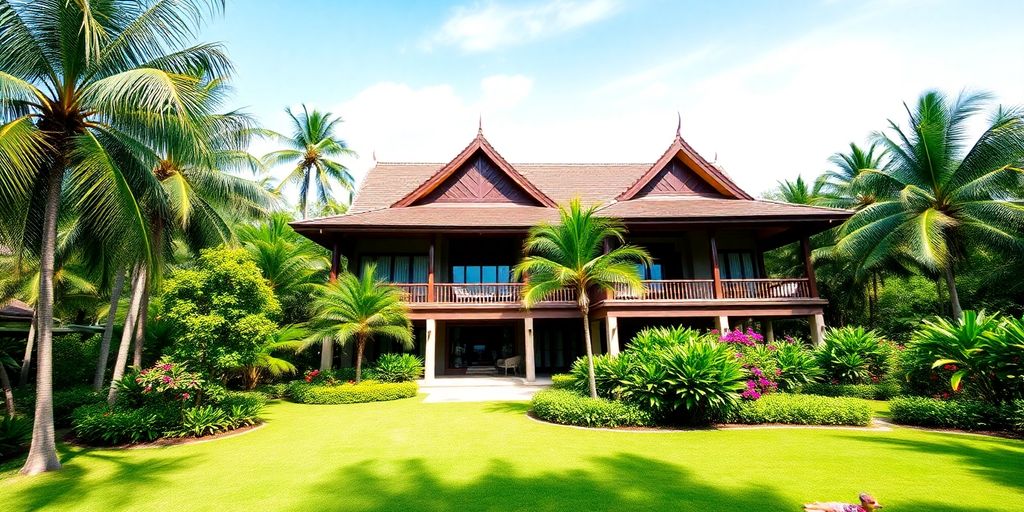
The property market in Thailand is always shifting, and keeping an eye on these changes is crucial. Whether you’re looking to Buy Luxury Villas in Phuket or considering other investment options, understanding market dynamics can help you make smarter choices. Foreign investors often find that trends vary significantly by region, with areas like Phuket and Bangkok showing different growth patterns. Staying informed about these trends can give you a competitive edge.
Strategies for Successful Investment
- Research Extensively: Before you decide to Buy Villas In Phuket, it’s essential to conduct thorough research. Look into property values, rental yields, and future development plans in the area.
- Engage Local Experts: Hiring local real estate agents or consultants can provide insights that you might not find online. They can guide you through the process and help avoid potential pitfalls.
- Diversify Your Portfolio: Don’t put all your eggs in one basket. Consider investing in different types of properties or even different locations within Thailand.
Long-Term vs Short-Term Goals
When deciding to Buy Villa Koh Phuket, consider whether your investment is for the long haul or a shorter-term gain. Long-term investments might involve holding onto a property for several years, benefiting from rental income and appreciation. Short-term goals might focus on flipping properties or capitalising on quick market gains.
"The choice between long-term and short-term investments should align with your financial goals and risk tolerance."
In conclusion, adapting to Thailand’s property market requires a mix of staying informed, strategic planning, and leveraging local expertise. Whether you’re eyeing a Villa Sale Koh Phuket or exploring other opportunities, understanding the market and having a clear strategy is key to securing your dream property.
Navigating Thailand’s property market can be a bit tricky, but with the right guidance, you can find the perfect home or investment. Whether you’re looking to buy, rent, or sell, our team is here to help you every step of the way. Visit our website to explore your options and start your journey today!
Conclusion
Owning a piece of paradise in Thailand is more than just a dream for many; it’s a real possibility with the right approach. While the journey to owning property as a foreigner in Thailand might seem a bit daunting at first, it’s definitely doable. Whether you’re eyeing a sleek condo in bustling Bangkok or a serene villa by the beach, understanding the legal landscape is key. From leaseholds to setting up a Thai company, there are several paths to explore. Just remember, it’s crucial to get the right advice and stay informed about the latest regulations. With a bit of patience and the right guidance, you can secure your dream villa and enjoy all the beauty and culture Thailand has to offer. So, take the plunge, do your homework, and soon enough, you might just find yourself sipping a coconut on your very own Thai terrace.