
Thinking about buying a place in Phuket? It’s a dream for many, but getting the money sorted can feel like a puzzle. Especially if you’re not a local, figuring out the mortgage side of things is pretty important. This guide is here to break down the Phuket property mortgage options, looking at what you need to do, what’s available, and what to watch out for.
Key Takeaways
- Phuket’s property market is doing well, with lots of chances to invest.
- Foreigners can get mortgages, but you’ll need to meet certain requirements.
- There are different kinds of mortgages, like ones in Thai Baht or other currencies.
- Big banks like Bangkok Bank, Kasikorn, and UOB are common places to look for mortgages.
- It’s really important to get to grips with the legal stuff and potential problems before you apply.
Understanding Phuket Property Mortgage Options
The Growing Phuket Real Estate Market
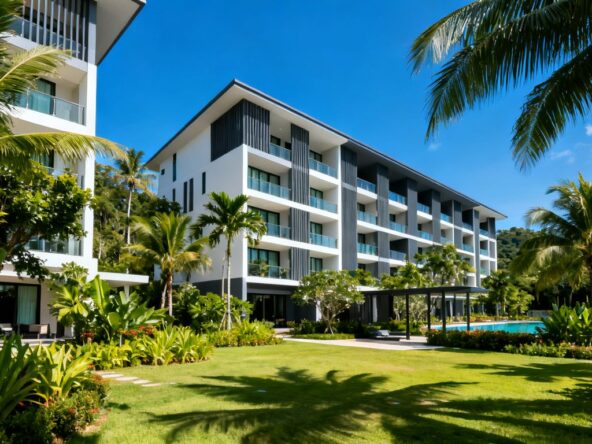
Phuket’s property market is really picking up steam, especially after Thailand reopened its borders. It’s not just about holiday homes anymore; there’s a solid investment angle here too. You’ll find everything from swanky villas with ocean views to more practical apartments, all catering to a mix of local and international buyers. Property values have been climbing, and with tourism bouncing back, rental yields are looking pretty good. Areas like Patong and the historic Old Town are particularly popular, drawing in people who want to be close to the action or soak up the island’s charm. It’s a dynamic market, and understanding these trends is your first step.
Investment Potential in Phuket
So, why Phuket for investment? Well, beyond the obvious appeal of a tropical paradise, the island offers tangible returns. The demand for quality properties, especially those with desirable features like sea views or private pools, remains high. This sustained interest translates into potential for capital appreciation and steady rental income, particularly if you’re looking at properties suitable for short-term holiday lets. It’s about finding that sweet spot between lifestyle and financial gain.
Types of Properties Available
When you’re looking at property in Phuket, the choices are quite varied:
- Condominiums: Often a good entry point, especially for expats or those looking for a more manageable property. They’re usually found close to beaches and amenities, making them convenient.
- Villas: These offer more space, privacy, and often come with private pools and stunning views. They represent a more luxurious end of the market.
- Land Plots: For the ambitious, buying land allows you to build your own bespoke property or invest in future development.
The key is to match the property type to your personal goals, whether that’s a holiday home, a rental investment, or a place to live full-time.
Eligibility Criteria for Foreign Buyers
Right then, so you’re a foreigner looking to get a mortgage for a place in Phuket. It’s definitely doable, but there are a few hoops you’ll likely need to jump through. Banks want to see that you’re a safe bet, which is fair enough, really. They’re not just handing out cash willy-nilly, especially when it comes to international buyers.
Work Permit and Residency Requirements
First off, your immigration status is a big deal. Most lenders will want to see that you’ve got some sort of established presence in Thailand. This usually means having a valid work permit, and often, they’ll want to see that you’ve held it for at least a year. Alternatively, if you’ve got a Thai resident permit, that can also tick the box. It shows you’re not just a tourist passing through. You’ll probably need to provide a letter from your employer, too, confirming how long you’ve been there and what you earn. It’s all about proving you’re settled and not likely to just up sticks and leave.
Income and Employment Verification
This is pretty standard stuff, really. Banks need to be sure you’ve got a steady income to pay back the loan. They’ll want to see your payslips from the last few months, and again, that letter from your employer is key. Sometimes, they might even ask for company documents if you’re self-employed or own a business. The main thing is demonstrating a consistent and reliable source of income. They’re looking for stability, plain and simple.
Credit Check and Financial Stability
Yep, they’ll run a credit check, just like they do back home. But it’s not just about your credit score. They’ll look at your overall financial picture. A general rule of thumb is that your fixed income should be at least three times the amount of your monthly mortgage repayment. Also, there’s a bit of a cap on the loan term combined with your age – usually, it shouldn’t go beyond 60 years. So, if you’re already in your late 40s, you might find the loan term is shorter than someone younger. It’s all about making sure the loan is manageable for you and for the bank.
It’s worth noting that while the process is becoming more accessible, Thai banks often view foreign applicants with a slightly higher risk profile. This can sometimes translate to different loan terms or interest rates compared to local borrowers. Being prepared for this is half the battle.
Here’s a quick rundown of what they’re generally looking for:
- Work Permit/Residency: At least one year of validity is common.
- Stable Employment: Proof of consistent income is vital.
- Income Level: Often needs to be a multiple of the monthly loan payment.
- Age Limit: Loan term plus age usually capped around 60.
- Creditworthiness: A clean credit history is beneficial.
Key Considerations Before Applying for a Mortgage
Right then, before you get too excited about that dream villa in Phuket, let’s have a proper think about the money side of things. Getting a mortgage over there isn’t quite like popping down to your local bank, and there are a few things you really need to get your head around.
Interest Rates and Loan Terms
First off, interest rates. As a foreign buyer, you’ll likely find these are a bit higher than what Thai nationals pay. It’s just the way it is. And the loan terms? They might be shorter too, often between 10 and 20 years, and this can depend on your age. It really pays to shop around and compare what different lenders are offering. You don’t want to get stuck with a deal that’s going to cost you a fortune in the long run.
Down Payment Requirements
Next up, the down payment. Most Thai banks are going to want a good chunk of the property’s price upfront, usually somewhere in the region of 30-40%. So, make sure you’ve got the cash ready to go before you even start looking seriously. A bigger down payment can sometimes mean better loan terms, which is always a good thing.
Legal and Logistical Aspects
This is where things can get a bit tricky. You absolutely must do your homework on the property itself. Check its legal standing, make sure there are no outstanding debts or any other nasty surprises lurking. It’s a really good idea to get a legal expert who knows Thai property law inside out to help you. They can spot potential problems you might miss. And, of course, have all your paperwork sorted – proof of income, employment details, the lot. It’s all about being prepared.
Getting a mortgage in a foreign country involves more than just picking a property. You need to be organised and understand the local rules and financial landscape. It’s not a quick process, so patience is key.
When you’re looking at buying property, like a villa, remember that land ownership for foreigners can be complex. You might not actually own the land your house is built on, which can affect how a mortgage works. It’s worth looking into options for building or buying a villa and understanding the full picture.
Navigating the Mortgage Application Process
So, you’ve found the perfect place in Phuket, but now comes the bit that can feel a bit like a maze: the mortgage application. It’s not exactly a walk in the park, especially when you’re dealing with international finance and local regulations. But don’t worry, with a bit of preparation, you can get through it.
Documentation Needed
First things first, you’ll need to gather your paperwork. Banks want to see who you are, where your money comes from, and what you’re planning to buy. Generally, you’ll need:
- Proof of Identity: Your passport is usually the main document here.
- Income Evidence: This means payslips, tax returns, or any other official documents showing your earnings. If you’re self-employed, this can be a bit more involved.
- Bank Statements: Typically, they’ll want to see the last three to six months of your bank activity to get a feel for your financial habits.
- Property Details: Information about the specific property you’re interested in, like the sale agreement.
Steps to Secure a Mortgage
Getting the green light for a mortgage usually follows a set path. It might seem like a lot, but each step is there for a reason:
- Pre-Approval: Before you get too attached to a particular villa, it’s smart to get a mortgage pre-approval. This gives you a realistic idea of your budget. It’s a good way to understand your borrowing capacity early on.
- Property Search: Once you know your budget, you can focus on finding a property that fits your needs and your pre-approved loan amount. Think about location, size, and potential rental income if that’s part of your plan.
- Formal Application: With your chosen property, you’ll submit the full mortgage application along with all the required documents. This is where the bank really digs in.
- Property Valuation: The lender will arrange for the property to be valued. This is to make sure it’s worth what you’re paying and meets their lending criteria. A property like this 3-bedroom villa near Layan Beach, for example, would undergo a thorough assessment.
- Approval and Offer: If everything checks out, you’ll receive a formal mortgage offer. This document lays out all the terms and conditions, including the interest rate and repayment schedule.
Common Challenges and Solutions
It’s not always smooth sailing. You might hit a few bumps along the way:
- Documentation Delays: Make sure all your paperwork is complete and accurate from the start. Missing or incorrect documents are a common cause of delays.
- Valuation Issues: Sometimes, the property’s valuation might come in lower than expected. Be prepared to negotiate with the seller or, in some cases, look at other properties.
- Understanding Terms: Mortgage agreements can be complex. If anything is unclear, don’t hesitate to ask for clarification. Getting advice from a legal professional familiar with Thai property law is often a good idea.
Applying for a mortgage in a foreign country requires patience and attention to detail. Being organised and proactive can make a significant difference in the outcome and reduce potential stress.
Remember, getting a mortgage is a big step, but by understanding the process and being prepared, you can make it a much more manageable experience. It’s all about being informed and taking it one step at a time.
Types of Mortgages Available in Phuket
When you’re looking to buy a place in Phuket, figuring out the mortgage is a big step. It’s not always straightforward, especially for folks from overseas, but there are definitely options out there. You’ll want to get a feel for what’s on offer to see what fits your situation best.
Thai Baht Mortgages
These are probably the most common type of loan you’ll find. Basically, the mortgage is all sorted in Thai Baht. This means your monthly payments and the total amount you owe are all in the local currency. If you’re planning on living in Phuket for a good while, or if you earn money in Thailand, this could be a sensible choice. It cuts out a lot of the hassle with currency exchange rates fluctuating.
Foreign Currency Mortgages
Now, if you’d rather keep things in your home currency, a foreign currency mortgage might be the way to go. This means you could take out the loan in pounds, dollars, or whatever your usual currency is. It’s a good way to avoid worrying about how the exchange rate might affect your repayments. However, it’s worth remembering that exchange rates do move, so while it might seem simpler, there’s still a currency element to consider.
Investment Loans
If your main goal is to buy a property to rent out, then an investment loan could be what you’re after. These are often set up with slightly different terms compared to a standard home loan. Sometimes the interest rates are a bit lower, and the repayment schedules can be more flexible. This can make them quite attractive if you’re looking to make a return on your property purchase.
Here’s a quick rundown:
- Thai Baht Mortgages: Repaid in Thai Baht. Good for long-term residents or those earning locally.
- Foreign Currency Mortgages: Repaid in your home currency. Helps avoid exchange rate worries.
- Investment Loans: Designed for rental properties, often with more flexible terms.
Choosing the right type of mortgage is really about matching it to your personal financial setup and what you plan to do with the property. It’s not a one-size-fits-all situation, so take your time to weigh up the pros and cons of each.
Top Lenders Offering Mortgages in Phuket
When you’re looking to buy a place in Phuket, figuring out who actually lends money for property to foreigners can feel a bit like a treasure hunt. It’s not always straightforward, but thankfully, there are a few established banks that regularly work with overseas buyers. Knowing who they are can save you a lot of time and hassle.
Bangkok Bank and Kasikorn Bank
These two are probably the most well-known names when it comes to banking in Thailand, and they do offer mortgages to foreign buyers. They’ve got a big presence, so you’d expect them to be pretty experienced with different types of customers. However, it’s worth noting that the terms they offer foreigners might not always be as favourable as those for Thai nationals. Expect interest rates to be a bit higher, and they often ask for a substantial down payment, usually around 30% of the property’s value. Loan terms might also be shorter, which means your monthly payments could be larger.
United Overseas Bank (UOB)
UOB is another bank that expats often consider. They tend to be a bit more flexible with their mortgage packages, especially if you’re looking at buying a condominium. They seem to understand the needs of people living and working abroad a bit better, and they might even take potential rental income into account when they’re looking at your application. This could be a good option if you’re buying a property with the intention of renting it out.
Industrial and Commercial Bank of China (ICBC)
ICBC offers a specific product that might appeal to certain buyers, particularly those from Hong Kong, Macau, or mainland China. It’s called the ‘Foreigner Housing Unfunded Financing’. This isn’t a standard mortgage, and it usually applies to properties above a certain value, typically over 2.5 million Thai Baht. It’s a bit of a niche option, but worth knowing about if you fit the profile.
It’s always a good idea to shop around and compare what each bank is offering. The details can change, and what works for one person might not be the best for another. Getting quotes from a few different places is a smart move.
| Lender | Typical Down Payment | Potential Interest Rate | Loan Term Considerations |
|---|---|---|---|
| Bangkok Bank | ~30% | Higher | Shorter |
| Kasikorn Bank | ~30% | Higher | Shorter |
| United Overseas Bank (UOB) | 20-30% | Moderate | More Flexible |
| ICBC | ~30% | Moderate | Varies |
Alternative Financing Options
Securing a mortgage in Phuket as a foreigner isn’t always straightforward, and sometimes the usual bank routes just don’t fit. Thankfully, there are a few other ways you might be able to finance your property purchase. It’s worth looking into these if traditional mortgages feel out of reach or don’t quite suit your situation.
Joint Ventures with Local Investors
Teaming up with a local Thai investor can be a smart move. Not only does it help you get to grips with the local property laws and paperwork, but you also gain a partner who knows the Phuket market inside out. They can offer insights that might save you from making a costly mistake and could even make you look more credible to lenders. It’s a bit like having a guide who speaks the local language and knows all the shortcuts.
Property Developer Financing
Many property developers, especially those building larger projects or off-plan properties, offer their own financing schemes. This can be quite flexible. You might find they offer extended payment plans, allowing you to spread the cost over the construction period, sometimes up to two years. Some developers even offer low or zero-interest financing directly. It’s definitely worth asking about this when you find a property you like, as it can sometimes be more accommodating than a bank loan. Always check the developer’s reputation thoroughly before agreeing to any in-house financing.
Extended Payment Plans
This often goes hand-in-hand with developer financing, particularly for new builds. Instead of needing the full amount upfront or a large deposit for a mortgage, you might pay a smaller initial deposit, with the rest of the balance paid in instalments over a set period, usually aligning with the construction timeline. This can make buying a property much more manageable if you don’t have a huge lump sum readily available.
Exploring these alternative avenues can really open up your options for buying property in Phuket. Each one has its own set of pros and cons, so it’s about finding what works best for your personal finances and investment goals. Don’t be afraid to ask questions and compare what’s on offer.
Securing Your Phuket Property Mortgage
Right then, you’ve found your dream spot in Phuket, and the paperwork is starting to pile up. Getting the mortgage finalised is the last big hurdle. It’s not just about signing on the dotted line; there are a few key stages to get through, and understanding them makes the whole thing much less daunting.
Understanding Loan Agreements
Before you get too excited, you’ll need to properly get your head around the loan agreement. This document is the nitty-gritty of your mortgage. It lays out everything: the amount you’re borrowing, the interest rate (and whether it’s fixed or variable – a big deal!), the repayment schedule, and any fees involved. It’s absolutely vital to read every single word. If anything looks confusing, or you’re not sure about a clause, don’t just skim over it. Ask the lender for clarification, or better yet, get a legal professional who understands Thai property law to explain it. You don’t want any nasty surprises down the line.
The Role of the Land Department
The Land Department is where the official ownership transfer happens, and your mortgage gets registered. Think of them as the gatekeepers of property ownership in Thailand. Once your loan is approved and you’ve met all the lender’s conditions, the bank will work with you and the seller to get everything processed here. They’ll check all the paperwork, ensure there are no outstanding issues with the property title, and then officially record the mortgage against the property. This step is what legally ties the lender’s interest to your new home.
Finalising the Mortgage Registration
This is the grand finale. After the Land Department has done its checks and is happy, the mortgage registration takes place. This usually involves a fee, which is typically a percentage of the loan amount. The bank will disburse the funds to the seller, and you’ll officially become the owner, with the mortgage registered on the title deed. It’s a good idea to get a copy of the registered mortgage document for your records. This confirms that the lender’s security interest is properly recorded, and your ownership is clear, subject to the terms of the loan, of course.
Thinking about getting a mortgage for your property in Phuket? It’s a big step, and we’re here to help make it smoother. We’ll guide you through the process, ensuring you understand all the details. Ready to explore your options and secure your dream home? Visit our website today to learn more and get started on your property journey.
So, Can You Actually Get a Mortgage for a Phuket Property?
Right, so after all that, can a foreigner actually get a mortgage for a place in Phuket? The short answer is yes, it’s possible, but it’s definitely not as simple as popping down to your local bank back home. You’ll need to do your homework, gather a stack of paperwork, and be prepared for stricter rules. Banks like Bangkok Bank and Kasikorn are options, but expect higher interest rates and a decent chunk for a down payment. It’s a bit of a maze, really. But if you’re serious about buying, getting professional advice and understanding all the ins and outs is the way to go. With the right preparation, that dream property in Phuket might just be within reach.
Frequently Asked Questions
Can foreigners actually get a mortgage in Phuket?
Yes, it’s possible for foreigners to get a mortgage in Phuket, but it’s not always simple. Banks have specific rules, and you’ll need to meet certain requirements. You can generally only get a mortgage for a completed condo that you own outright.
What kind of properties can foreigners get a mortgage for?
Typically, banks will only offer mortgages for completed condominium units that are fully owned by the buyer. This means you usually can’t get a loan for properties that are still being built (off-plan) or for other types of property ownership.
What are the main things banks look for in foreign applicants?
Banks want to see that you have a steady job and a good income. You’ll need to prove you’ve been employed for a while and that your earnings are enough to cover the loan payments. They also check your credit history to see if you’re financially reliable.
How much money do I need to put down?
Most banks in Thailand ask for a significant down payment, often around 30% to 40% of the property’s price. Having more money ready for the down payment can sometimes help you get better loan terms.
Which banks are good options for mortgages in Phuket?
Some well-known banks that offer mortgages to foreigners in Phuket include Bangkok Bank, Kasikorn Bank, and UOB. The Industrial and Commercial Bank of China (ICBC) also has options, especially for buyers from certain regions.
Are there other ways to finance a property if a mortgage is difficult?
Yes, if getting a bank loan is tricky, you could look into other options. Some property developers offer payment plans that let you pay over time, sometimes with little or no interest. Partnering with a local investor for a joint venture is another possibility.
What documents will I need to apply for a mortgage?
You’ll need standard identification like your passport, proof of your income (like payslips or tax documents), and bank statements showing your financial activity. You’ll also need all the paperwork related to the property you want to buy.
What are the risks involved in getting a mortgage in Phuket?
Interest rates for foreigners can be higher, and loan terms might be shorter. It’s also important to understand all the legal details and make sure you’ve done your homework on the property itself. Getting advice from a legal expert is a good idea.