

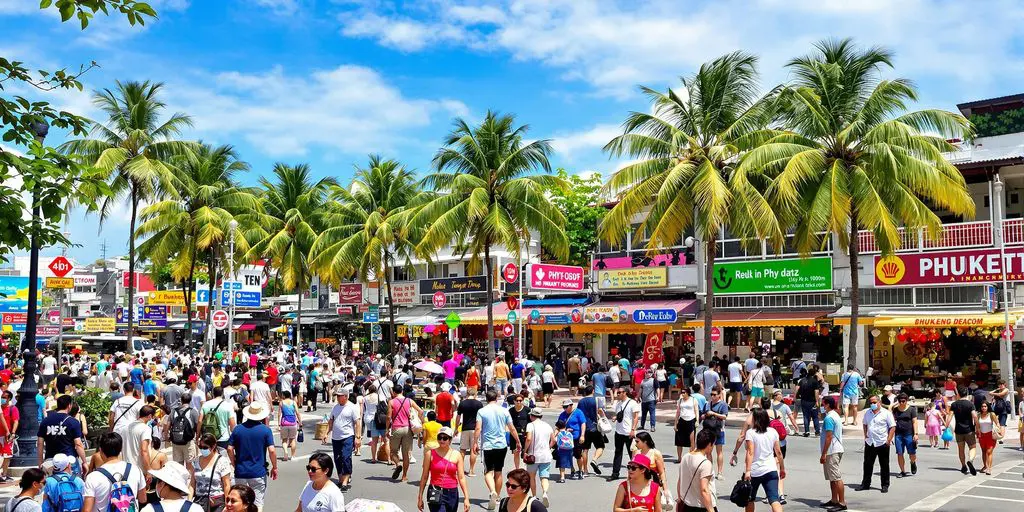
Phuket, a stunning island in Thailand, has seen its population change dramatically over the years. Known for its beaches and bustling tourism, the island’s growth has been shaped by various factors like migration, urbanisation, and economic opportunities. In this article, we’ll explore the trends and insights surrounding Phuket’s population as we look ahead to 2025.
Key Takeaways
- Phuket’s population reached around 424,000 in 2023, with steady growth influenced by tourism and migration.
- The COVID-19 pandemic temporarily slowed population increases but recovery has been strong.
- Urban centres in Phuket are expanding, leading to challenges in infrastructure and resource management.
- Migration, both domestic and international, plays a big role in shaping the island’s demographics.
- Future growth by 2025 will require careful planning to balance economic, social, and environmental needs.
Historical Growth of Phuket’s Population
Population Trends from 2015 to 2023
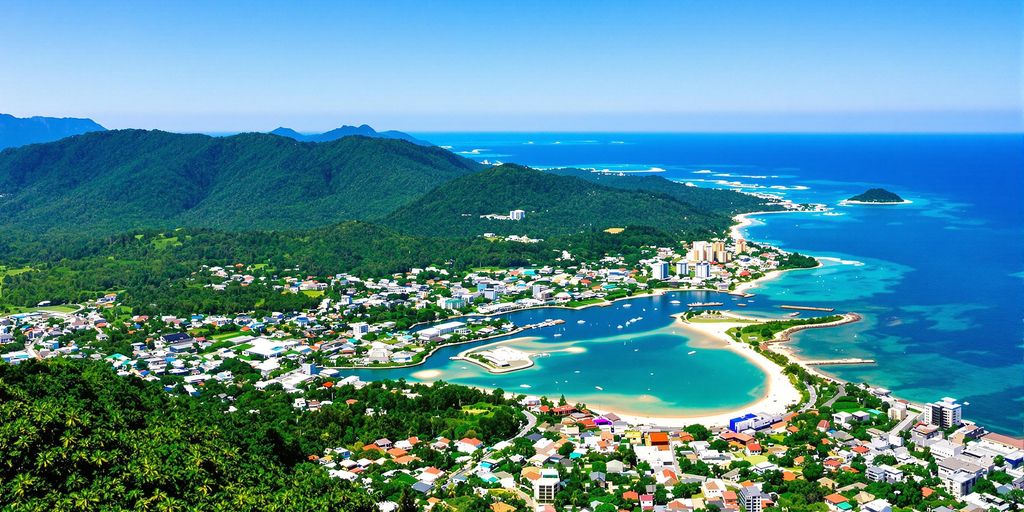
Phuket’s population has seen notable changes over the years. In 2015, the island’s population was approximately 386,000. By 2023, this number had grown to around 424,000. This steady increase highlights the island’s growing appeal as both a tourist destination and a place to settle. The annual growth rate averaged around 1.2%, reflecting a consistent upward trajectory.
| Year | Population (in 1,000s) |
|---|---|
| 2015 | 386 |
| 2016 | 392 |
| 2017 | 399 |
| 2018 | 405 |
| 2019 | 412 |
| 2020 | 418 |
| 2023 | 424 |
Impact of Tourism on Population Growth
Tourism has been a driving force behind Phuket’s population growth. The island’s thriving hospitality sector has attracted workers from across Thailand and neighbouring countries. Seasonal migration, spurred by the demand for labour in hotels, restaurants, and entertainment venues, has contributed significantly to the population numbers.
- Tourism accounts for a substantial portion of new job opportunities on the island.
- Many workers bring their families, further boosting long-term population figures.
- The construction of resorts and infrastructure has also attracted a skilled workforce.
Effects of the COVID-19 Pandemic
The COVID-19 pandemic brought a temporary halt to Phuket’s population growth. With tourism at a standstill, many workers returned to their hometowns, leaving the island’s population to stagnate. However, as global travel resumed in late 2022, the population began to rebound. The “Phuket Sandbox” initiative, which allowed vaccinated travellers to visit the island, played a crucial role in reviving both tourism and migration.
While the pandemic disrupted growth temporarily, Phuket has demonstrated resilience, quickly regaining its position as a bustling hub for both residents and visitors.
Demographic Composition of Phuket
Age Distribution in the Population
Phuket’s population is a diverse mix of age groups. The island has a significant working-age population, with individuals aged 25-54 making up the majority. However, the elderly population is slowly growing, reflecting trends seen across Thailand. Younger age groups, particularly those under 15, have seen a slight decline, which could be attributed to changing family structures and urban lifestyles.
Gender Ratios Across the Island
The gender ratio in Phuket is fairly balanced, though in some areas, there is a slight skew towards males, especially in urban centres. This could be influenced by the influx of male workers in industries like construction and tourism. In rural areas, the gender ratio tends to even out, with many families maintaining traditional roles.
Ethnic and Cultural Diversity
Phuket is a melting pot of cultures and ethnicities. The majority of the population is Thai, but there are significant communities of Chinese descendants, Malay Muslims, and expatriates from countries like Russia, Australia, and the UK. This diversity is reflected in local festivals, cuisine, and daily life, making Phuket a uniquely vibrant place to live.
Urbanisation and Population Density in Phuket
Key Urban Centres and Their Growth
Phuket’s urban landscape has transformed significantly over the past decade. The island, once primarily known for its beach-centric lifestyle, is now witnessing rapid urbanisation. Areas like Phuket Town and Patong have seen considerable growth, both in terms of infrastructure and population. This shift is largely driven by increased tourism and the demand for modern amenities. The emergence of new districts, moving away from coastal zones, reflects the island’s evolving character.
Rural Versus Urban Population Shifts
The migration from rural to urban areas on the island has been steadily increasing. This trend is fuelled by better job prospects and improved living conditions in urban centres. However, this shift poses challenges for rural communities, which often experience a decline in resources and workforce. Urban areas, on the other hand, face mounting pressure on housing and public services, leading to higher costs of living.
Challenges of Increasing Population Density
Phuket’s growing population density has brought about a host of challenges. Overcrowding in urban areas has strained infrastructure, including roads, water supply, and waste management systems. The real estate market is adapting to these changes, with Phuket’s real estate market evolving to accommodate the rising demand for urban housing. Addressing these challenges requires careful urban planning and sustainable development strategies.
Migration Patterns and Their Influence on Phuket
Domestic Migration Trends
Phuket has long been a magnet for domestic migrants, especially those seeking better employment opportunities. Over the years, the island’s booming tourism industry has drawn workers from other provinces, particularly from rural areas in Thailand. These individuals often fill roles in hospitality, construction, and retail sectors. The 1997 Asian Financial Crisis saw a significant influx of people from Bangkok to Phuket, as they sought refuge from economic hardships in the capital.
Key reasons for domestic migration include:
- Better job prospects, particularly in tourism and real estate.
- A more relaxed lifestyle compared to urban centres like Bangkok.
- Opportunities in emerging industries such as local media and advertising.
International Migration and Expatriate Communities
Phuket is not just attractive to domestic workers; it has also become a hub for expatriates. The island’s appeal lies in its tropical climate, affordable cost of living, and modern amenities. Western retirees, digital nomads, and wealthy investors are among the key groups settling in Phuket. The rise of luxury real estate developments, such as beachfront properties blending Balinese and Thai styles, has further cemented its reputation as a desirable destination for foreigners.
Phuket’s expat community is diverse, with significant numbers from Europe, the United States, and neighbouring Asian countries. This has led to the establishment of international schools, specialty supermarkets, and cultural events catering to this population.
Seasonal Population Variations
Phuket’s population experiences significant fluctuations throughout the year, primarily driven by tourism. During the high season, which typically runs from November to April, the island sees an influx of seasonal workers and tourists. This temporary rise in population puts pressure on infrastructure, including transport, healthcare, and waste management systems.
Managing these seasonal spikes is crucial to maintaining the island’s quality of life and ensuring that resources are not overstretched. Planning for these variations remains a challenge for local authorities.
In conclusion, migration—both domestic and international—continues to shape Phuket’s demographic and cultural landscape. While it brings economic benefits, it also presents challenges that require thoughtful planning and sustainable development strategies.
Economic Factors Shaping Phuket’s Population
Role of Tourism in Economic Growth
Tourism has long been the backbone of Phuket’s economy. It not only drives local businesses but also attracts a steady stream of workers and entrepreneurs to the island. The influx of visitors fuels demand for services, from hospitality to retail, creating numerous job opportunities. However, this dependency on tourism makes the island’s economy vulnerable to global disruptions, as seen during the COVID-19 pandemic.
Employment Opportunities and Population Retention
Phuket offers a range of employment options, particularly in sectors like tourism, real estate, and retail. The island’s growing economy has also led to the rise of small businesses and start-ups. Many locals and migrants find stable livelihoods here, which helps retain the population. Yet, the rising cost of living and housing poses challenges for long-term residents.
Balancing economic growth with affordable living conditions remains a critical issue for Phuket’s policymakers.
Impact of Real Estate Development
The real estate market in Phuket has witnessed remarkable growth, fuelled by both domestic and international investments. Luxury villas, vacation homes, and commercial properties are in high demand. This boom has not only reshaped the island’s landscape but also contributed to the increasing cost of living. Below is a snapshot of the housing market trends:
| Year | Average Property Price (THB) | Key Drivers |
|---|---|---|
| 2020 | 5.2 million | Domestic demand |
| 2023 | 6.8 million | Foreign investments |
| 2025 (est) | 7.5 million | Tourism recovery |
Explore the economic factors driving the increasing cost of living on Phuket Island in 2025.
Future Projections for Phuket’s Population
Expected Growth by 2025
Phuket’s population is anticipated to grow steadily, reaching approximately 450,000 residents by 2025. This represents a gradual recovery from the stagnation caused by the COVID-19 pandemic. The island’s appeal as a tourist and expatriate destination continues to drive migration, particularly from urban centres and international locations.
Key factors influencing this growth include:
- The resurgence of global tourism, attracting both short-term and long-term visitors.
- Increased investments in infrastructure and real estate, making the island more liveable.
- A growing expatriate community seeking a blend of tropical lifestyle and modern amenities.
Potential Challenges of Population Expansion
While the growth is promising, it comes with its own set of challenges:
- Strain on existing public services like healthcare and education.
- Rising property prices, potentially making housing less affordable for locals.
- Environmental concerns, particularly waste management and resource sustainability.
“Balancing development with sustainability will be critical for Phuket’s future.”
Government Policies and Planning
The Thai government and local authorities are already implementing strategies to address these challenges. Policies focus on:
- Expanding healthcare and educational facilities to meet rising demand.
- Introducing stricter zoning laws to manage urban expansion responsibly.
- Promoting green initiatives to mitigate the environmental impact of population growth.
Additionally, Phuket’s real estate opportunities are being tailored to attract high-value residents, including luxury developments like sea-view pool villas and suites. These efforts aim to ensure that the island remains a desirable yet sustainable place to live and visit.
Social Infrastructure and Population Needs
Healthcare Services and Accessibility
Phuket’s population growth has placed significant pressure on its healthcare system. While the island boasts several modern hospitals and clinics, rural areas often lack sufficient medical facilities. Access to healthcare remains uneven, particularly for low-income residents and migrant workers.
Key challenges include:
- Shortage of medical professionals, especially in specialised fields.
- Overcrowding in public hospitals during peak tourist seasons.
- Limited mental health services and awareness.
A potential solution could involve expanding community health centres and incentivising medical professionals to work in underserved regions.
Educational Institutions and Capacity
With an increasing population, schools in Phuket are struggling to keep up. Many public schools face overcrowded classrooms, and resources are stretched thin. Private institutions offer alternatives but remain unaffordable for many families.
Current Educational Challenges:
- Lack of qualified teachers in key subjects.
- Insufficient infrastructure such as classrooms and libraries.
- Rising demand for bilingual and international schools, driven by expatriate communities.
Investment in public education and teacher training programmes could bridge these gaps and ensure equitable access to quality education.
Public Transport and Urban Planning
Phuket’s transport system is another area under strain. The island relies heavily on private vehicles and taxis, leading to traffic congestion and pollution. Public transport options, such as buses and minibuses, are limited and often unreliable.
Suggested Improvements:
- Development of a comprehensive public transport network, including buses and light rail.
- Implementation of traffic management strategies to reduce congestion.
- Encouraging eco-friendly transport options like cycling and electric vehicles.
Urban planning must align with population growth to ensure sustainable development and improved quality of life for residents.
Addressing these social infrastructure needs is not just about meeting current demands. It also plays a crucial role in shaping Phuket’s future. Ongoing infrastructure improvements in Phuket are already influencing the property market, highlighting the interconnected nature of development and population needs.
Environmental Impacts of Population Growth
Strain on Natural Resources
Phuket’s growing population has put significant pressure on its natural resources. Water usage has surged, leading to concerns about sustainability, especially during the dry season. Similarly, the island’s energy demands have escalated, prompting a need for renewable energy solutions. Unchecked growth could compromise the island’s delicate ecological balance.
Waste Management and Sustainability
The increase in population has led to higher waste generation. Landfills in Phuket are nearing capacity, and improper waste disposal has heightened pollution risks. To address these challenges, the island has started exploring waste-to-energy technologies and stricter recycling programmes. Key strategies include:
- Encouraging community participation in recycling initiatives.
- Implementing stricter regulations on plastic usage.
- Expanding waste treatment facilities to meet rising demands.
Conservation Efforts in Phuket
Despite the environmental challenges, Phuket has made strides in conservation. Protected marine areas and reforestation projects aim to counteract the adverse effects of urbanisation. Efforts are also being made to promote eco-tourism, which not only preserves the environment but also supports the local economy. Tourists and residents are encouraged to engage in sustainable practises, such as reducing water waste and respecting wildlife habitats.
Phuket’s future depends on balancing development with environmental stewardship. The island’s natural beauty is its greatest asset and must be preserved for generations to come.
Comparative Analysis with Other Thai Provinces
Population Growth Rates Across Thailand
Phuket’s population growth has been unique compared to other provinces in Thailand. While many regions have experienced steady increases, Phuket has seen significant fluctuations due to its reliance on tourism and migration patterns. For instance, during the COVID-19 pandemic, the island’s population temporarily decreased as tourism came to a halt. In contrast, provinces like Chiang Mai and Khon Kaen, which are less dependent on international visitors, showed more stable growth trends.
Economic Contributions of Phuket Compared to Others
Phuket boasts one of the highest Gross Provincial Product (GPP) per capita in Thailand, standing at 252,000 Thai baht. This figure far exceeds the national average and highlights the province’s economic strength, largely driven by its tourism and real estate sectors. Provinces such as Bangkok and Chonburi also contribute significantly to the national economy but differ in their industrial and service-based economic models. Here’s a quick comparison:
| Province | GPP Per Capita (Thai Baht) | Key Economic Driver |
|---|---|---|
| Phuket | 252,000 | Tourism, Real Estate |
| Bangkok | 500,000+ | Finance, Services |
| Chonburi | 300,000 | Industry, Tourism |
| Chiang Mai | 150,000 | Agriculture, Tourism |
Lessons from Other Provinces for Managing Growth
- Diversification of Economy: Provinces like Bangkok have successfully diversified their economic activities, reducing reliance on a single sector.
- Infrastructure Development: Chonburi’s investment in transport and industrial zones has made it a hub for both tourism and manufacturing.
- Sustainability Initiatives: Chiang Mai has focused on balancing tourism with environmental conservation, a lesson Phuket could adopt to mitigate the strain on its natural resources.
As Phuket continues to grow, learning from the successes and challenges of other provinces can provide a roadmap for sustainable development.
Role of Technology in Managing Population Growth
Smart City Initiatives in Phuket
Phuket has been actively adopting smart city initiatives to tackle the challenges of a growing population. These initiatives focus on integrating technology into urban planning, transportation, and public services. A key feature of Phuket’s smart city approach is the use of Internet of Things (IoT) devices to monitor and optimise energy consumption, traffic flow, and waste management. This not only improves efficiency but also enhances the quality of life for residents and visitors alike.
Some smart city projects in Phuket include:
- Smart traffic systems to reduce congestion in urban areas.
- Digital platforms for real-time updates on public transport schedules.
- Smart energy grids to manage electricity distribution more effectively.
Digital Solutions for Urban Planning
Digital tools are revolutionising the way urban planning is conducted in Phuket. Geographic Information Systems (GIS) and 3D mapping technologies are being used to model population growth scenarios and plan infrastructure accordingly. These technologies enable planners to:
- Identify areas prone to overcrowding and allocate resources effectively.
- Develop sustainable housing projects that meet future demands.
- Monitor environmental impact during construction projects.
Such solutions are critical as Phuket prepares to accommodate its growing population while maintaining its natural beauty and resources.
Technological Innovations in Public Services
Public services in Phuket are increasingly leveraging technology to meet the needs of a larger population. From healthcare to education, digital solutions are making services more accessible and efficient. For instance, telemedicine platforms are helping residents in remote areas access healthcare without the need for travel. Similarly, online learning platforms are expanding educational opportunities for students across the island.
As technology continues to evolve, its role in managing population growth will become even more significant, offering innovative solutions to complex challenges.
Cultural and Social Impacts of Population Changes
Preservation of Local Traditions
As Phuket’s population grows and diversifies, preserving the island’s rich cultural heritage becomes increasingly challenging. Local traditions, such as the annual “Nine Emperor Gods” festival, serve as vital cultural anchors. However, the influx of new residents and tourists often leads to a dilution or commercialisation of these practises. This raises concerns about maintaining authenticity while accommodating modern influences.
Efforts to preserve local customs include:
- Organising community-led cultural events.
- Promoting traditional art and crafts through workshops.
- Encouraging younger generations to participate in cultural preservation initiatives.
Integration of Diverse Communities
Phuket’s population is a melting pot of ethnicities and cultures, a result of both domestic and international migration. This diversity offers opportunities for cultural exchange but also presents challenges in fostering social cohesion. Language barriers, differing cultural norms, and economic disparities can sometimes create divisions within communities.
To address these issues, initiatives such as:
- Language and cultural orientation programmes for new residents.
- Community forums to discuss shared concerns and solutions.
- Inclusive public events celebrating cultural diversity.
have been introduced to build mutual understanding and respect.
Shifts in Social Dynamics
Population changes inevitably alter the social fabric of Phuket. Traditional family structures are evolving, with younger generations often moving to urban centres for better opportunities. This shift impacts caregiving roles, community bonds, and even local economies reliant on family-run businesses.
Moreover, the rise of expatriate communities and seasonal residents further complicates the social landscape. While they contribute to the economy, their presence can sometimes lead to a sense of alienation among long-term residents.
Balancing the needs of a growing and diverse population with the preservation of Phuket’s unique identity is a delicate but essential task for the island’s future.
Changes in population can have a big effect on our culture and society. When more people move to an area, it can bring new ideas, traditions, and ways of life. This mix can be exciting but also challenging, as communities may need to adapt to different customs and languages. It’s important for everyone to work together to create a welcoming environment. If you’re interested in learning more about how these changes affect our lives, visit our website for more insights!
Conclusion
Phuket’s population trends tell a story of resilience and growth. Despite setbacks like the pandemic, the island has continued to attract residents and visitors alike, contributing to its steady rise in numbers. As we look towards 2025, these patterns hint at a dynamic future for Phuket, shaped by its unique blend of tourism, culture, and community. Understanding these shifts will be key for anyone invested in the island’s development, whether for business, travel, or living.
Frequently Asked Questions
What is the current population of Phuket?
As of 2023, Phuket’s population is around 424,000 people. The numbers have grown steadily over the years, except for a slowdown during the COVID-19 pandemic.
How has tourism influenced Phuket’s population?
Tourism has played a big role in attracting both visitors and long-term residents, contributing to the island’s population growth.
What impact did COVID-19 have on Phuket’s population?
The pandemic slowed population growth temporarily due to reduced tourism and economic challenges.
What is the age distribution of Phuket’s population?
Phuket has a mix of age groups, but younger and middle-aged adults make up a significant portion due to job opportunities in tourism and related sectors.
Are there more men or women in Phuket?
The gender ratio in Phuket is fairly balanced, although certain areas may have more men or women depending on the type of employment available.
How does urbanisation affect Phuket?
Urbanisation has led to the growth of key towns, but it also brings challenges like higher population density and pressure on resources.
What are the main challenges of population growth in Phuket?
Rapid population growth strains infrastructure, increases waste, and puts pressure on natural resources.
What steps is the government taking to manage Phuket’s population growth?
The government is working on urban planning, improving public transport, and enhancing healthcare and education to meet the needs of a growing population.