


When you think about Thailand, the first things that probably come to mind are its stunning beaches, bustling markets, and incredible street food. But what about its marine life? Specifically, are there sharks in Thailand? It’s a question that sparks curiosity and sometimes a bit of fear. In this article, we’ll explore the fascinating underwater world of Thailand, separating myths from reality and uncovering the truth about sharks in its waters.
Key Takeaways
- Thailand’s waters are home to various shark species, including reef sharks and whale sharks.
- Shark attacks in Thailand are extremely rare, making its waters generally safe for swimming and diving.
- Sharks play a vital role in maintaining the health of marine ecosystems.
- Responsible tourism and conservation efforts are crucial for protecting shark populations.
- Understanding sharks can help dispel myths and reduce unnecessary fears.
The Marine Diversity of Thailand: An Underwater Paradise
Exploring Thailand’s Coral Reefs
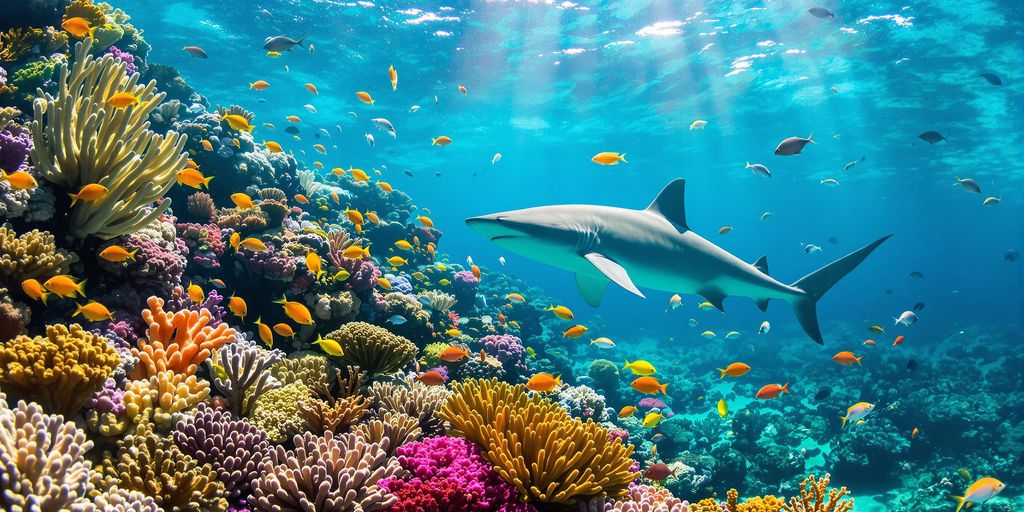
Thailand is home to some of the most vibrant coral reefs in the world, teeming with marine life. These underwater ecosystems are like nature’s gardens, featuring everything from hard and soft corals to an array of fish species. You’ll find clownfish darting among anemones, parrotfish grazing on algae, and even the occasional sea turtle gliding by. The reefs not only support marine biodiversity but also act as natural barriers, protecting coastal areas from erosion.
The Role of Sharks in Marine Ecosystems
Sharks are often misunderstood, but they play a critical role in maintaining the health of marine ecosystems. Acting as apex predators, they regulate fish populations, ensuring no single species dominates the reef. This balance is essential for the survival of many marine organisms. In Thailand, species like blacktip reef sharks are commonly spotted, especially near coral reefs, where they contribute to the ecological balance.
Preserving Biodiversity in Coastal Waters
The coastal waters of Thailand are under constant threat from pollution, overfishing, and climate change. Efforts to preserve this biodiversity include establishing marine protected areas and promoting sustainable tourism. Local communities and organisations are also stepping up, engaging in coral restoration projects and educational campaigns. Preserving these waters is not just about saving marine life—it’s about ensuring future generations can experience the wonders of Thailand’s underwater world.
Shark Species in Thai Waters: Separating Facts from Fiction
Common Shark Species Found in Thailand
Thailand’s waters are home to a fascinating variety of shark species, each playing a vital role in the marine ecosystem. Among the most commonly spotted are the blacktip reef shark and the whitetip reef shark. These graceful creatures are often seen patrolling coral reefs and are generally non-aggressive toward humans. Another iconic species is the majestic whale shark, the largest fish in the ocean, which feeds on plankton and small fish, posing no threat to snorkelers or divers.
Understanding Shark Behaviour
Sharks often get a bad reputation, but their behaviour is largely misunderstood. Most sharks are not interested in humans as prey. They are curious creatures by nature, and encounters are often the result of mistaken identity or simple inquisitiveness. Observing them from a respectful distance can reveal their calm and calculated movements, which are integral to their survival and the health of the ecosystem.
Dispelling Myths About Sharks
There are plenty of myths surrounding sharks, especially in regions like Thailand. Here are some common misconceptions debunked:
- Myth: Sharks are always aggressive and dangerous.
- Fact: Most shark species are harmless to humans and avoid interactions.
- Myth: Sharks are mindless predators.
- Fact: Sharks are intelligent animals, often displaying complex behaviours.
- Myth: Seeing a shark means danger is imminent.
- Fact: Shark sightings are a sign of a healthy marine environment, not a reason for alarm.
By understanding the truth about sharks, we can replace fear with respect and appreciation for these incredible creatures.
Shark-Human Interactions: The Reality of Encounters
How Rare Are Shark Attacks in Thailand?
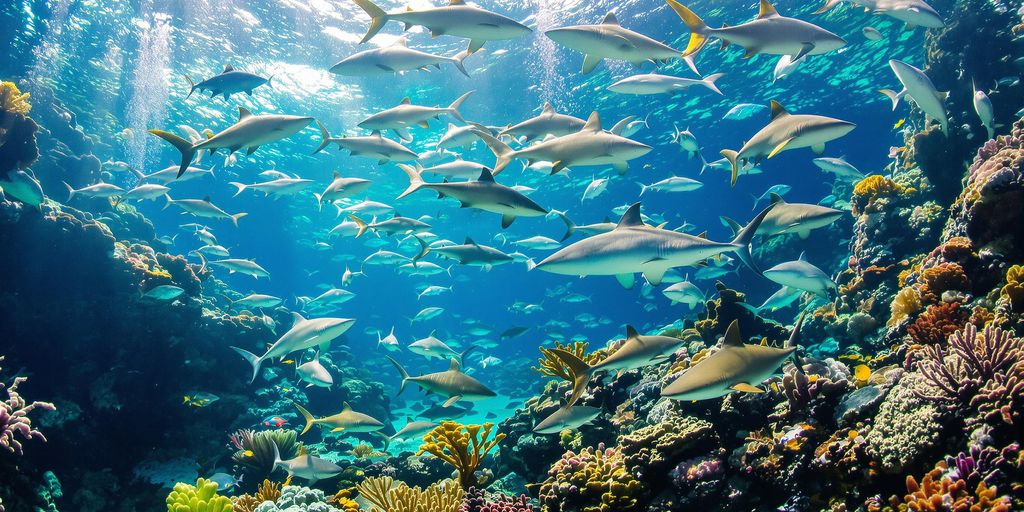
Shark attacks in Thailand are exceedingly rare. Despite the fear often associated with these creatures, most incidents occur due to mistaken identity. Sharks, particularly those in Thai waters, are not naturally aggressive towards humans. Statistically, the likelihood of encountering an aggressive shark is lower than being struck by lightning. This rarity is further amplified by responsible tourism practises and the general behaviour of sharks to avoid human interaction.
Understanding Shark Behaviour Around Humans
Sharks are curious creatures, but their interactions with humans are often misunderstood. Many species, such as reef sharks, prefer to keep their distance. When they do approach, it’s typically out of curiosity rather than aggression. Human activities like splashing or wearing shiny objects can sometimes attract sharks, as these mimic the movements of their natural prey. Knowing this helps divers and snorkellers better understand how to coexist peacefully with these marine animals.
Promoting Responsible Tourism to Minimise Risks
Minimising risks during shark encounters begins with responsible tourism. Here are some key practises:
- Avoid feeding sharks or any marine animals, as it disrupts their natural behaviour.
- Maintain a safe distance when observing sharks to respect their space.
- Follow guidelines provided by local diving or snorkelling operators.
The ocean is the sharks’ home, and as visitors, we must approach it with respect. Understanding their behaviour and adhering to safety guidelines not only ensures our safety but also protects the delicate balance of marine ecosystems.
Conservation Efforts: Safeguarding Marine Life
Marine Protected Areas in Thailand
Thailand has established numerous marine protected areas (MPAs) to ensure the survival of its rich marine biodiversity. These MPAs serve as safe zones where fishing, development, and other activities are either restricted or prohibited. The primary goal is to allow marine ecosystems to recover and thrive without human interference.
Some notable MPAs include:
- Mu Koh Similan National Park: Known for its vibrant coral reefs and diverse marine species.
- Mu Koh Surin National Park: A hotspot for snorkelling and home to rare marine life.
- Ao Phang Nga National Park: Famous for its mangroves and unique marine habitats.
These areas not only protect marine species but also promote sustainable tourism, ensuring that future generations can enjoy Thailand’s underwater treasures.
The Role of Local Communities in Conservation
Local communities play a vital role in marine conservation efforts. Many coastal villages depend on the ocean for their livelihoods, and their participation in conservation initiatives is crucial. Community-led projects often focus on:
- Restoring mangroves to provide natural barriers against erosion and breeding grounds for marine life.
- Educating locals about sustainable fishing practises to prevent overfishing.
- Organising beach clean-ups to reduce plastic pollution.
By involving local residents, conservation efforts become more sustainable and impactful.
Empowering communities to protect their own natural resources creates a sense of ownership and responsibility, leading to long-term success in conservation.
How Tourists Can Support Marine Conservation
Tourists visiting Thailand can contribute to marine conservation in several ways. Simple actions can make a significant difference, such as:
- Choosing eco-friendly tour operators that prioritise sustainable practises.
- Avoiding single-use plastics and properly disposing of waste.
- Participating in conservation activities like coral planting or beach clean-ups.
Additionally, tourists can support organisations working to protect marine life by donating or volunteering. Tourism, when done responsibly, can be a powerful tool for conservation, blending enjoyment with environmental stewardship.
For more on Thailand’s broader wildlife conservation initiatives, including efforts to protect iconic species like sea turtles, check out Thailand’s wildlife conservation initiatives.
Diving and Snorkelling: Exploring Safely
Best Practises for Diving with Sharks
Diving with sharks can be an unforgettable experience, but it’s important to approach it responsibly. Respect for marine life is key. Here are some tips to ensure a safe and meaningful dive:
- Follow the guidance of certified instructors who understand the local marine environment.
- Maintain a safe distance from sharks and avoid sudden movements to reduce stress on the animals.
- Never attempt to feed or touch sharks, as this can disrupt their natural behaviour.
- Ensure your diving equipment is in good condition to avoid any mishaps underwater.
- Learn about the specific species you may encounter to better understand their habits and behaviours.
By adopting these practises, you not only protect yourself but also contribute to the preservation of Thailand’s marine ecosystem.
Snorkelling Tips for Shark Encounters
Snorkelling offers a unique and serene way to observe marine life, including sharks, from the surface. To make the most of your snorkelling experience:
- Always snorkel in groups and stay within designated areas.
- Refrain from splashing or making excessive noise, which might alarm marine creatures.
- Use reef-safe sunscreen to minimise environmental impact.
- Avoid standing on or touching coral reefs, as they are fragile ecosystems.
- Keep a respectful distance from sharks and other marine animals to ensure their safety and yours.
Choosing Eco-Friendly Tour Operators
Selecting the right tour operator can significantly enhance your underwater adventure while supporting marine conservation efforts. Look for operators that:
- Follow ethical guidelines for diving and snorkelling activities.
- Educate participants about marine conservation and sustainable practises.
- Limit group sizes to minimise environmental impact.
- Partner with local communities to promote eco-tourism.
- Actively participate in marine conservation initiatives.
By choosing eco-friendly options, you can enjoy Thailand’s underwater beauty while helping to protect it for future generations. For a smooth experience, consider reviewing the medical questionnaire prior to your trip to avoid any unexpected delays or hassles.
The Gulf of Thailand: A Habitat for Sharks
Shark Species in the Gulf of Thailand
The Gulf of Thailand is home to an impressive variety of shark species. Among the most commonly found are the blacktip reef shark, known for its sleek appearance, and the bamboo shark, a smaller species often spotted near coral reefs. Additionally, the leopard shark, with its striking spotted pattern, is another regular inhabitant. Encounters with these species are more likely during snorkelling or diving excursions, particularly in areas with abundant coral formations.
| Shark Species | Habitat Preference | Behaviour Towards Humans |
|---|---|---|
| Blacktip Reef Shark | Coral reefs and shallow waters | Generally shy, non-aggressive |
| Bamboo Shark | Sandy seabeds, coral reefs | Harmless, nocturnal |
| Leopard Shark | Coastal areas, seagrass beds | Docile, bottom-dweller |
Environmental Challenges Facing the Gulf
While the Gulf of Thailand is a vibrant marine ecosystem, it faces significant environmental pressures. Pollution from agricultural runoff and industrial waste has impacted water quality, threatening marine habitats. Overfishing, including the use of unsustainable practises, has further strained the ecosystem. Rising sea temperatures and climate change also pose risks, affecting coral reefs and the species that depend on them. Addressing these challenges requires a combination of local and international conservation efforts.
The Importance of the Gulf’s Ecosystem
The Gulf of Thailand plays a crucial role in maintaining regional biodiversity. It supports over 15,000 species of fish and numerous marine mammals, including dolphins and dugongs. Sharks, as apex predators, are essential for keeping this ecosystem balanced by regulating fish populations and preventing overgrazing of seagrass beds. Without sharks, the health of the entire marine environment could deteriorate.
Protecting the Gulf of Thailand is not just about preserving its beauty but ensuring the survival of countless species that rely on its waters. Conservation is a shared responsibility, requiring action from governments, communities, and travellers alike.
If you’re planning to explore marine life around Koh Rin Island, you’ll find an incredible mix of species, including bamboo sharks and even occasional whale sharks, making it a must-visit for underwater enthusiasts.
Whale Sharks: Gentle Giants of Thai Waters
Where to Spot Whale Sharks in Thailand
Whale sharks, the largest fish in the ocean, are a frequent highlight for marine enthusiasts visiting Thailand. Known for their slow, graceful movements and dotted skin patterns, these creatures are a sight to behold. In Thailand, the best places to encounter whale sharks include Koh Tao, the Similan Islands, and Koh Chang. The whale shark season on Koh Chang runs from December to May, offering adventurers a unique opportunity to witness these giants in their natural habitat.
Understanding the Behaviour of Whale Sharks
Despite their intimidating size, whale sharks are harmless philtre feeders. They primarily consume plankton and small fish, swimming with their massive mouths open to sieve their food from the water. Their calm and non-aggressive nature makes them ideal for close observation by divers and snorkellers. Observing their behaviour reveals a fascinating side of marine life, where size and gentleness coexist beautifully.
Guidelines for Safe Whale Shark Encounters
When interacting with whale sharks, it’s crucial to prioritise their well-being. Here are some essential guidelines:
- Maintain a respectful distance of at least 3 metres to avoid causing stress.
- Refrain from touching or attempting to ride the whale sharks.
- Avoid using flash photography, as it can disturb their natural behaviour.
- Swim calmly and avoid blocking their path.
- Choose eco-friendly tour operators who adhere to ethical wildlife interaction practises.
Observing these majestic creatures in their natural environment is a privilege. By following responsible guidelines, we ensure that future generations can continue to experience the wonder of Thailand’s marine biodiversity.
The Role of Sharks in Marine Ecosystems
Sharks as Apex Predators
Sharks sit at the top of the marine food chain, acting as apex predators. Their role is vital because they help regulate the populations of species below them. By preying on weaker or sick individuals, sharks contribute to the health of fish stocks and other marine organisms. This natural selection process ensures that marine populations remain robust and diverse. Without sharks, ecosystems could fall into chaos, with certain species overpopulating and others declining drastically.
How Sharks Maintain Ecological Balance
The presence of sharks influences the behaviour of other marine creatures. For example, herbivorous fish adjust their grazing patterns to avoid areas frequented by sharks. This indirect effect prevents overgrazing on coral reefs, which is essential for maintaining the health of these ecosystems. Coral reefs, in turn, provide habitats for countless species, creating a ripple effect of biodiversity.
The Impact of Shark Population Decline
When shark populations drop, the entire marine ecosystem feels the impact. Overfishing and habitat destruction have led to significant declines in shark numbers worldwide. This imbalance can result in the overpopulation of prey species, which may deplete vital resources like plankton or seagrass. Such changes can disrupt the food web and even affect local fisheries that depend on a balanced ecosystem for their livelihoods.
Sharks aren’t just predators; they are guardians of the ocean’s balance. Protecting them means protecting the intricate web of life beneath the waves.
Myths and Misconceptions About Sharks in Thailand
Debunking Common Shark Myths
Sharks often get a bad reputation, thanks in large part to exaggerated tales and sensationalised media. One of the most common misconceptions is that all sharks are dangerous to humans. In reality, only a few species are known to pose any risk, and even those rarely interact with people. Most sharks in Thailand, like blacktip reef sharks, are shy and avoid human contact altogether.
Another myth is that sharks are mindless killers. This couldn’t be further from the truth. Sharks are highly intelligent creatures with complex behaviours. They play a critical role in marine ecosystems, acting as apex predators to maintain balance.
The Media’s Role in Shaping Shark Perceptions
Movies and news headlines have long painted sharks as terrifying predators. Stories of shark attacks are often sensationalised, creating unnecessary fear. For instance, incidents of mistaken identity—when a shark confuses a swimmer for prey—are extremely rare but receive disproportionate attention. Such portrayals overshadow the reality: sharks are far more threatened by humans than the other way around.
Educating the Public About Sharks
Combatting these misconceptions starts with education. Knowledge about sharks’ behaviour, habitat, and role in the ecosystem can help dispel fear. Here are some steps to encourage better understanding:
- Promote awareness campaigns that highlight the importance of sharks in marine life.
- Encourage responsible tourism, such as learning from experts like Alex Buttigieg, the Sharkman of Malta, who advocates for shark conservation.
- Include shark education in school curriculums to foster early understanding and appreciation for these creatures.
Understanding sharks isn’t just about overcoming fear—it’s about recognising their indispensable role in our oceans. By shifting our perspective, we can ensure their future and the health of marine ecosystems.
The Future of Sharks in Thailand’s Waters
Challenges in Shark Conservation
Shark conservation is no easy task in Thailand. One of the biggest hurdles is overfishing, which continues to threaten their populations. Sharks are often caught as bycatch or targeted for their fins, a practise that remains a concern despite growing awareness. Another issue is habitat destruction. Coastal development, pollution, and coral bleaching are shrinking the areas where sharks can thrive.
Climate change adds another layer of complexity, as warming oceans and shifting currents disrupt the delicate balance of marine ecosystems. These challenges are interconnected, making it essential to address them holistically.
The Role of Legislation in Protecting Sharks
Thailand has made strides in legislation to protect sharks, but there’s room for improvement. Marine protected areas (MPAs) are a step in the right direction, offering sharks safe zones to live and breed. However, enforcement can be patchy, and illegal fishing still occurs in some protected regions.
Stronger laws against shark finning and stricter penalties for illegal fishing could make a significant difference. Collaboration with international organisations to monitor and manage shark populations is also key. By improving legislation and enforcement, Thailand can set a global example in marine conservation.
Innovative Approaches to Shark Preservation
Innovation is playing a growing role in shark conservation. For instance, some researchers are using drone technology to monitor shark populations and track their movements. Citizen science initiatives, where divers and snorkelers report shark sightings, are also helping gather valuable data.
Community-based conservation is another promising approach. Local villagers, like those who recently rescued a thresher shark on Phi Phi Don Island, are increasingly involved in protecting marine life. Educational programmes and eco-tourism initiatives can further empower communities to safeguard sharks while benefiting economically.
The future of sharks in Thailand depends on a combination of science, policy, and community action. By tackling the challenges head-on and embracing innovative solutions, Thailand can ensure its waters remain a sanctuary for these vital creatures.
Thailand’s Commitment to Marine Sustainability
Government Initiatives for Marine Protection
Thailand has been proactive in safeguarding its marine ecosystems. The government has established numerous marine protected areas (MPAs) where activities like fishing, anchoring, and industrial development are restricted. These zones are designed to allow marine life to thrive undisturbed. By implementing these measures, Thailand aims to strike a balance between economic growth and ecological preservation.
Key government actions include:
- Expanding MPAs to cover critical habitats.
- Enforcing stricter regulations on illegal fishing.
- Promoting sustainable tourism practises in coastal regions.
Collaborations with International Organisations
Thailand collaborates with global agencies to align its marine conservation efforts with international standards. These partnerships enhance the country’s ability to monitor ocean health and implement effective strategies. For example, initiatives supporting the United Nations Sustainable Development Goal 14 focus on protecting marine biodiversity and ensuring sustainable use of ocean resources.
Some notable collaborations involve:
- Sharing marine data and research findings with international bodies.
- Participating in global forums to address marine challenges.
- Implementing joint projects to restore coral reefs and mangroves.
The Role of Education in Promoting Sustainability
Educating the public is a cornerstone of Thailand’s marine conservation strategy. Schools, community groups, and media campaigns are used to spread awareness about the importance of ocean health. These efforts aim to instil a sense of responsibility in citizens and tourists alike.
Educational initiatives include:
- Workshops on reducing plastic waste and its impact on marine life.
- Public campaigns highlighting the ecological role of sharks and other marine species.
- Training programmes for local communities to engage in eco-friendly practises.
Thailand’s commitment to marine sustainability reflects a broader vision: ensuring that its rich marine biodiversity remains a source of wonder and sustenance for generations to come.
Thailand is dedicated to protecting its oceans and marine life. The country is taking steps to ensure that its beautiful waters remain healthy and vibrant for future generations. By promoting sustainable practices, Thailand aims to balance tourism and conservation. Everyone can play a part in this mission. Visit our website to learn how you can help support marine sustainability in Thailand!
Conclusion: Sharks in Thailand – Myths and Realities
So, are there sharks in Thailand? Absolutely, but they’re not the monsters Hollywood might have you believe. Thailand’s waters are home to a variety of shark species, most of which are harmless and play an important role in keeping the marine ecosystem balanced. While the idea of encountering a shark might sound intimidating, the reality is that these creatures are far more interested in their natural prey than in humans. By respecting their space and following safe practises, you can enjoy Thailand’s underwater beauty without worry. At the end of the day, sharks are just another fascinating part of the rich marine life that makes Thailand’s coastal waters so special.
Frequently Asked Questions
Are there sharks in Thailand’s waters?
Yes, Thailand’s waters are home to various shark species, including blacktip reef sharks, whitetip reef sharks, and whale sharks. These sharks play an important role in the marine ecosystem.
How common are shark attacks in Thailand?
Shark attacks in Thailand are extremely rare. Most sharks are not aggressive towards humans and prefer to avoid contact.
Where can I see whale sharks in Thailand?
Whale sharks can often be spotted at popular diving sites like Koh Tao, the Similan Islands, and Richelieu Rock during certain times of the year.
Is it safe to dive or snorkel in areas with sharks?
Yes, it is generally safe to dive or snorkel in areas with sharks if you follow safety guidelines, such as maintaining a respectful distance and not feeding the marine life.
What are the best practises for encountering sharks while diving?
When diving with sharks, stay calm, avoid sudden movements, and keep a safe distance. Always follow the advice of your diving instructor.
Are sharks important to the marine ecosystem?
Absolutely. Sharks are apex predators, meaning they help maintain the balance of marine ecosystems by controlling the population of other species.
How can tourists help protect sharks in Thailand?
Tourists can support shark conservation by choosing eco-friendly tour operators, avoiding the purchase of shark products, and respecting marine life during activities like diving and snorkelling.
What myths about sharks should I stop believing?
Many people believe sharks are mindless predators that target humans, but this is false. Most sharks are not dangerous to humans and play a vital role in ocean health.