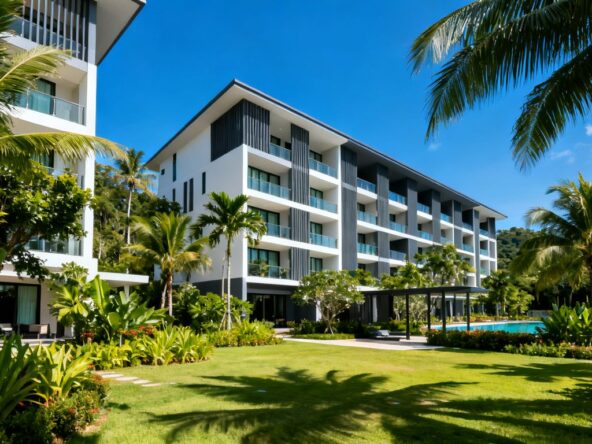

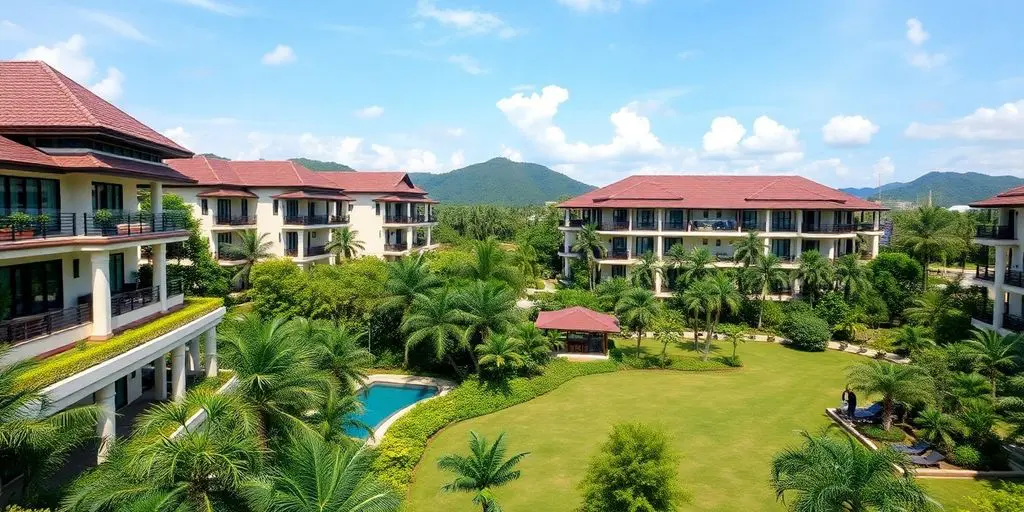
Searching for your dream apartment in Thailand? You’re not alone. The Thai property market is buzzing with opportunities, especially for those looking to invest in apartments. Whether you’re after a lively city flat or a tranquil beachfront condo, this guide will help you navigate the ins and outs of buying Thailand apartments for sale. From understanding the market to legalities, financing, and settling in, we’ve got you covered.
Key Takeaways
- Get familiar with the current trends in Thailand apartments before making a purchase.
- Understand the legal requirements for foreign buyers to avoid any pitfalls.
- Explore various financing options to make your property investment feasible.
- Consider the location carefully; urban areas offer different advantages compared to rural settings.
- Research the types of apartments available to find what best suits your lifestyle and budget.
Understanding The Thai Property Market
Current Trends In Thailand Apartments
The Thai property market is experiencing a steady transformation. Residential property prices are gradually increasing, largely due to high construction costs and land prices. This trend is noticeable in urban areas where demand continues to rise. Bangkok, for instance, is seeing a significant uptick in apartment sales, driven by both local and international buyers. The city offers a mix of luxury condos and affordable flats, catering to diverse buyer needs.
Popular Locations For Investment
When it comes to investing in Thailand, several locations stand out. Bangkok remains a top choice due to its vibrant city life and economic opportunities. However, Chiang Mai and Pattaya are also gaining traction. Chiang Mai attracts those interested in a blend of modern amenities and cultural heritage, while Pattaya appeals to buyers looking for a beach resort lifestyle. Each location offers unique benefits, making it essential for buyers to consider what aligns best with their lifestyle and investment goals.
Market Growth Potential
Thailand’s property market holds promising growth potential. Factors such as infrastructure developments and government initiatives to boost the economy are likely to support this growth. As Thailand continues to develop, areas outside the major cities are also becoming attractive for investment. This expansion offers a broader range of opportunities for buyers seeking long-term gains from their property investments.
Investing in Thailand’s property market requires careful consideration of various factors, including location, market trends, and growth potential. By understanding these elements, buyers can make informed decisions that align with their investment objectives.
Legal Considerations For Foreign Buyers
Ownership Laws Explained
Foreigners looking to invest in Thailand’s property market need to be aware of the ownership laws. While owning land directly isn’t an option, foreigners can legally own condominium units. This is possible by purchasing those with freehold status but is limited to 49% of the total units in a condominium project. Additionally, leasehold agreements allow foreigners to lease land for up to 30 years, with potential renewals. Investing through a Thai company is another route, though it requires careful legal structuring.
Necessary Documentation
Navigating the paperwork is essential for a smooth transaction. Key documents include:
- Sale and Purchase Agreement (SPA): Outlines terms and conditions of the sale.
- Foreign Exchange Transaction Form (FETF): Proves funds used were transferred from abroad.
- Title Deed: Confirms official ownership post-purchase.
Engaging a competent lawyer can prevent legal pitfalls and ensure compliance.
Navigating Legal Processes
Understanding and adhering to legal processes is crucial. Foreign buyers must be aware of:
- Transfer Fees: Typically 2% of the property’s appraised value.
- Legal Fees: Ranging from 1% to 2% of the purchase price.
- Stamp Duty: Usually 0.5% of the property value.
Consulting with a local lawyer can provide clarity and ensure compliance with local laws.
“Engaging a competent lawyer can save you from legal troubles and ensure a smooth property acquisition process.”
Financing Your Property Purchase
Understanding Mortgage Options
When diving into the property market in Thailand, especially as a foreign buyer, understanding your mortgage options is crucial. Foreigners can access loans from both local and international banks, but there are specific requirements you need to meet. Thai banks may offer mortgage loans, but they typically require a significant down payment and proof of income. Interest rates and loan terms can vary, so it’s wise to shop around and compare offers. International banks might provide more flexibility, but be prepared for possibly higher interest rates.
Tax Implications For Foreign Buyers
Being aware of tax obligations is essential when purchasing property abroad. In Thailand, several taxes apply, including stamp duty, specific business tax, and withholding tax. Stamp duty is usually 0.5% of the property’s value, while specific business tax can be 3.3% of the appraised value or the actual sale price, whichever is higher. Withholding tax rates vary based on the seller’s circumstances, ranging from 1% to 37%. It’s beneficial to consult with a tax advisor to understand how these taxes affect your overall financial planning.
Alternative Financing Solutions
Apart from traditional mortgage options, there are alternative ways to finance your property purchase in Thailand. Personal savings are always an option, but if you’re looking for something different, consider exploring joint ventures or partnerships. Some buyers also look into financing through property developers, especially for new developments. These can sometimes offer more attractive terms and conditions. It’s important to evaluate all available options and choose the one that aligns best with your financial situation and long-term goals.
Navigating the financial landscape of buying property in Thailand might seem daunting, but with the right information and guidance, it can be a smooth process. Take the time to understand all your options, and don’t hesitate to seek professional advice to ensure you’re making informed decisions.
Choosing The Right Location
Deciding between urban and rural living in Thailand depends on your lifestyle preferences. City life offers convenience, with easy access to shopping centres, restaurants, and entertainment. However, rural areas provide a peaceful environment, often with stunning natural landscapes. Consider what’s more important to you: the hustle and bustle of city life or the tranquillity of the countryside.
Proximity To Amenities
When buying a condo in Jomtien or other key areas, it’s essential to consider the vibrant lifestyle of Pattaya, including proximity to amenities such as shopping centres, restaurants, and entertainment options. Being close to these amenities can enhance your living experience, making daily life more convenient and enjoyable.
Future Development Plans
Researching future development plans in the area can give you insights into the potential growth and value of your property. Areas with planned infrastructure improvements or new commercial developments might offer better investment opportunities. Keep an eye on local news and government announcements to stay informed.
Types Of Thailand Apartments Available
Luxury Condominiums
Luxury condominiums in Thailand are a popular choice for those seeking high-end living. These properties often come with top-notch amenities like swimming pools, gyms, and 24-hour security. They are typically located in prime areas such as Sukhumvit, Sathorn, and Silom, offering easy access to the city’s vibrant lifestyle. Investing in a luxury condo not only provides a comfortable living space but also a potential for high rental yields.
Affordable Flats
For budget-conscious buyers, affordable flats are widely available across Thailand, especially in suburban areas. These properties provide a more economical option without compromising on essential facilities. Affordable flats are ideal for first-time buyers or those looking to invest in rental properties.
Beachfront Properties
Beachfront properties offer stunning views and a tranquil living experience. These apartments are highly sought after in tourist-heavy areas like Phuket and Pattaya. Owning a beachfront apartment can be a dream come true for many, providing not just a home but a lifestyle. However, they often come with a higher price tag due to their prime location.
Exploring the wide range of properties available in Thailand can be an exciting journey. From luxurious condos to affordable flats and serene beachfront apartments, there’s something to suit every taste and budget. For more detailed listings with photos and virtual tours, consider browsing properties for sale in Thailand on DDProperty.
The Buying Process Simplified

Initial Steps To Take
So, you’ve decided to buy a property in Thailand, huh? Exciting times ahead! The first thing you’ll want to do is get your finances sorted. Make sure you’ve got a budget in mind. Once that’s settled, start looking for properties that catch your eye. Keep in mind, though, that you’ll need to pay a booking fee to reserve the property you fancy. This fee shows you’re serious and takes the property off the market.
Documentation Required
Now, let’s talk paperwork. Buying property isn’t just about picking a place and moving in. You’ll need to gather some important documents. Here’s a quick list to get you started:
- Identification: Passport and visa details.
- Financial Statements: Proof of income and bank statements.
- Legal Documents: Any previous property ownership documents.
Going through these documents might seem like a lot, but they’re crucial to sealing the deal. Double-check everything and maybe even get a lawyer to help you out.
Finalising The Purchase
You’re almost there! Once you’ve agreed on a price, it’s time to get everything in order. Here’s what you’ll need to do:
- Review the Contract Thoroughly: Make sure you understand all the terms and conditions.
- Conduct a Final Inspection: Check the property one last time before closing.
- Complete Legal Formalities: Ensure all paperwork is in order to avoid future issues.
Engaging a knowledgeable agent can significantly ease the complexities of the buying process.
By following these steps, you can move through the condo buying process in Thailand with confidence and clarity. Understanding the nuances of the market will help you make informed decisions. When you’re ready to buy a property, keep these simple tips in mind for a hassle-free experience. Start by clearly defining what you want and your budget. Research the areas you’re interested in, and don’t hesitate to ask for help from professionals.
Working With Real Estate Agents
Finding A Reliable Agent
When you’re on the hunt for a property in Thailand, having a reliable real estate agent by your side can make all the difference. A good agent will not only know the market inside out but will also understand your needs and preferences. Here are some tips to find a trustworthy agent:
- Research and Recommendations: Start by asking friends or colleagues who have recently bought property in Thailand for recommendations. Online reviews and forums can also be a goldmine for finding reputable agents.
- Experience with Foreign Buyers: Ensure the agent you choose has experience dealing with foreign buyers, as there are unique challenges and legalities involved.
- Interview Multiple Agents: Don’t just settle for the first agent you meet. Interview a few to gauge their knowledge, enthusiasm, and understanding of your requirements.
Questions To Ask Your Agent
Once you’ve shortlisted a few agents, it’s crucial to ask the right questions to ensure they’re the right fit:
- What is your experience in the local market? This will give you an idea of their expertise and how well they know the area.
- How do you handle negotiations? Understanding their negotiation skills can give you confidence in getting the best deal.
- Can you provide references from past clients? Speaking to past clients can provide insights into the agent’s reliability and effectiveness.
Understanding Agent Fees
Agent fees in Thailand typically range from 3% to 5% of the property’s sale price. It’s important to clarify the fee structure upfront to avoid any surprises later on. Here’s a simple breakdown:
| Fee Type | Percentage |
|---|---|
| Commission | 3% – 5% |
| Additional Fees | Varies |
Engaging a knowledgeable agent can significantly ease your property buying process, ensuring a smooth and rewarding experience.
Working with a real estate agent in Thailand can be a smart move, especially if you’re unfamiliar with the local market. They can provide access to exclusive listings and offer valuable insights that you might not find on your own. Always ensure you understand the fee arrangement to budget effectively and avoid unexpected costs.
Investment Potential Of Thailand Apartments
Rental Yields Explained
When it comes to investing in Thailand’s real estate, understanding rental yields is crucial. Rental yield refers to the annual income generated by a property as a percentage of its purchase price. In bustling cities like Bangkok, rental yields can range from 5% to 8%, thanks to the constant influx of expatriates and tourists. For those eyeing coastal areas like Phuket or Koh Samui, the yields might be slightly lower, but the allure of beachfront properties often ensures consistent occupancy.
Long-Term Value Appreciation
Thailand’s property market has shown resilience over the years. Despite global economic shifts, the value of apartments, especially in prime locations, tends to appreciate steadily. Areas like Bangkok and Chiang Mai have witnessed significant growth due to urban expansion and increased foreign interest. Investors should consider factors like infrastructure development and government policies that might influence property values in the future.
Market Demand Analysis
The demand for apartments in Thailand is driven by both local and international buyers. Urban centres are particularly attractive due to their vibrant lifestyles and economic opportunities. Bangkok, for instance, remains a top choice for investors because of its status as a commercial hub. On the other hand, regions like Pattaya and Chiang Mai are gaining popularity for their unique blend of modern amenities and cultural charm.
Investing in Thailand’s apartments offers a promising opportunity for those looking to diversify their portfolio. With careful analysis and strategic planning, the potential for profit is substantial.
Cultural Considerations When Buying Property
Understanding Local Customs
When buying property in Thailand, it’s important to be aware of the local customs and traditions. Respect for the royal family is deeply ingrained in Thai culture, and any disrespectful behaviour can lead to serious consequences. Additionally, the concept of “saving face” is significant; avoid direct confrontations or criticisms as these can be seen as disrespectful.
Community Integration
Integrating into the local community is essential for a smooth transition. Joining local events and participating in community activities can help you build relationships and gain acceptance. Here are some steps to consider:
- Attend community meetings or festivals to show your interest in local culture.
- Learn basic Thai phrases to communicate better with your neighbours.
- Respect local traditions and participate in cultural practises when invited.
Embracing the local way of life not only enriches your experience but also fosters goodwill among your new neighbours.
Language Barriers
Language can be a hurdle, especially if you don’t speak Thai. While many Thais in urban areas speak English, it’s beneficial to learn some Thai to ease daily interactions. Here are a few tips:
- Enrol in a basic Thai language course before making the move.
- Use language apps to practise and improve your vocabulary.
- Engage with locals who can help you practise speaking Thai.
Understanding the cultural nuances can significantly enhance your experience when investing in Thai property. By respecting local customs, integrating into the community, and overcoming language barriers, you’ll find the transition smoother and more rewarding.
Moving Into Your New Apartment
Setting Up Utilities
When you first move into your new apartment, one of the first tasks is setting up utilities. This includes getting the electricity, water, and internet services sorted. It’s a good idea to contact the utility providers well in advance. This way, you can ensure everything is up and running by the time you move in. Some providers may require a deposit, so be prepared for that additional cost.
Furnishing Your Space
Furnishing your new apartment can be both exciting and overwhelming. Start with the essentials: a bed, a sofa, and a dining table. Consider visiting local markets or furniture stores for unique pieces that add character to your home. Remember, it’s not just about aesthetics; comfort and functionality are key. Don’t rush the process—take your time to find items that truly fit your style and needs.
Adapting To Local Life
Adjusting to life in a new country can take time. Familiarise yourself with local customs and traditions to better integrate into the community. Simple gestures, like greeting your neighbours or participating in local events, can go a long way in making you feel at home. Language can be a barrier, but learning a few basic phrases can help you navigate daily interactions more smoothly.
Moving into a new apartment in Thailand is more than just a change of address—it’s an opportunity to embrace a new lifestyle. Take the time to explore your surroundings and enjoy the unique experiences that come with living in this vibrant country.
For more insights on living in Thailand, including lifestyle tips and financial management, check out our comprehensive guide on living in Thailand.
Maintaining Your Property
Regular Upkeep Tips
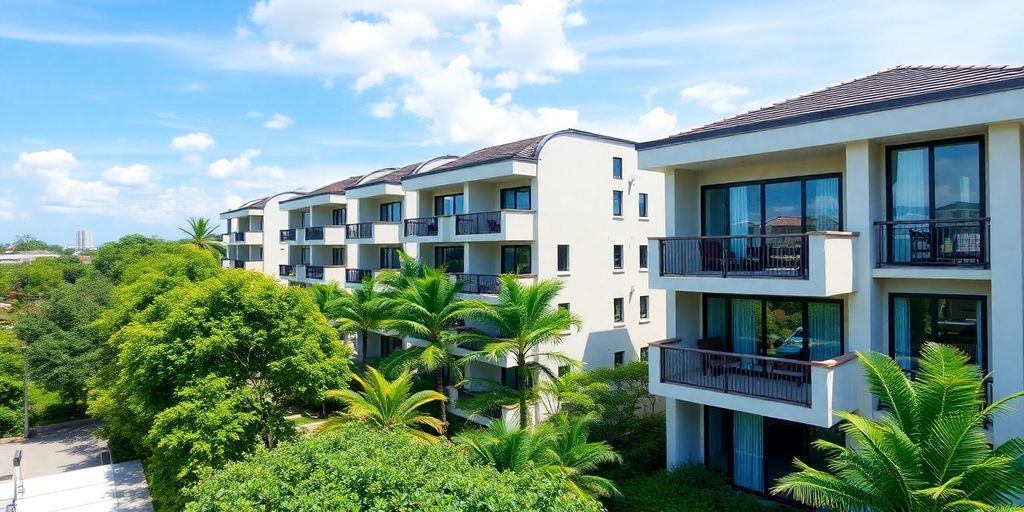
Keeping your Thai apartment in top condition involves regular upkeep. Routine maintenance is key to preserving the value and appeal of your property. Here are a few simple tips:
- Inspect regularly: Check for any signs of wear and tear, such as cracks in the walls or leaks in the plumbing. Addressing these issues early can save you a lot of trouble down the line.
- Keep it clean: Regular cleaning prevents the build-up of dust and grime, which can lead to bigger problems if left unchecked. A clean home is not only more pleasant but also healthier.
- Check systems: Ensure that all electrical and plumbing systems are functioning correctly. Faulty systems can lead to major inconveniences and expensive repairs.
Hiring Local Services
Sometimes, keeping up with maintenance tasks can be overwhelming. In such cases, hiring local services can be a smart move. Many companies offer comprehensive maintenance packages that cover everything from cleaning to repairs. When selecting a service, consider the following:
- Reputation: Look for companies with good reviews and a solid track record.
- Services offered: Make sure they provide the specific services you need.
- Cost: Compare prices but remember that cheaper isn’t always better.
Understanding Property Management
If you’re not living in your apartment full-time, or if you simply prefer a hands-off approach, property management could be the solution. A property manager will handle the day-to-day operations, ensuring everything runs smoothly. They can take care of:
- Rent collection: Ensuring timely payments from tenants.
- Maintenance coordination: Scheduling and overseeing necessary repairs and upkeep.
- Tenant relations: Handling any issues or concerns that arise.
Property management can relieve you of many responsibilities, allowing you to enjoy your investment without the stress of daily management.
By staying on top of maintenance, whether through personal effort or professional help, you can ensure your property remains a valuable asset. For more insights into maintenance costs for properties in Thailand, consider the type and location of your property, as these factors can significantly affect expenses.
Exploring The Neighbourhood
Local Attractions
Living in Thailand offers a delightful mix of cultural and modern attractions. From vibrant street markets to serene temples, there’s always something to explore. The local attractions are diverse and cater to all tastes. Whether you’re into history, art, or just a leisurely stroll, you’ll find it here. Make sure to check out the floating markets and the stunning temples that dot the landscape.
Transport Links
Getting around in Thailand is relatively easy. The public transport system is efficient, with options ranging from buses to trains and even tuk-tuks for the adventurous. For those who prefer driving, renting a car is a straightforward process, though traffic can be hectic in urban areas. It’s also worth noting the availability of ride-sharing services, which can be a convenient choice for many.
Community Services
Thailand is known for its welcoming communities. You’ll find a range of community services designed to make life easier, from healthcare facilities to educational institutions. Many neighbourhoods offer expat clubs and social groups, providing a great way to integrate and meet new people. The community vibe is friendly, making it easy to feel at home.
Discover the charm of our neighbourhood! From local shops to beautiful parks, there’s so much to see and do. Whether you’re looking for a quiet spot to relax or a lively place to enjoy with friends, this area has it all. Don’t miss out on the fun! Visit our website to learn more about what makes our community special and how you can be a part of it.
Final Thoughts on Finding Your Ideal Apartment in Thailand
In summary, the journey to finding your perfect apartment in Thailand can be both thrilling and rewarding. With a variety of options available, from luxurious condos to charming homes, there’s something for everyone. The vibrant culture, stunning landscapes, and growing property market make Thailand an attractive destination for buyers. By familiarising yourself with the local market, working with experienced agents, and understanding the legal aspects, you can approach the buying process with confidence. We hope this guide has provided you with helpful insights and tips to assist you in your search for your dream apartment in this beautiful country. Happy house hunting!
Frequently Asked Questions
What types of apartments can I find in Thailand?
In Thailand, you can discover a variety of apartments, including luxury condos, budget flats, and beachfront properties.
Are there any legal restrictions for foreigners buying property in Thailand?
Yes, foreign buyers must understand specific laws about property ownership and the necessary paperwork.
How can I finance my apartment purchase in Thailand?
You can explore different mortgage options, understand the tax implications, and consider alternative financing methods.
What should I consider when choosing a location for my apartment?
Think about whether you prefer urban or rural living, how close you want to be to shops and services, and any future development plans in the area.
What is the buying process for apartments in Thailand?
The buying process includes initial steps like booking the property, preparing documentation, and finalising the purchase.
How do I find a good real estate agent in Thailand?
Look for a reliable agent by asking for recommendations, checking reviews, and ensuring they understand your needs.
What are the potential returns on investment for Thai apartments?
You can expect rental yields and long-term appreciation in value, especially in popular locations.
How can I settle into my new apartment in Thailand?
After moving in, set up utilities, furnish your space, and take time to adapt to the local culture.