

Looking to snag a bargain on a house in Thailand? You’re in the right place. Thailand is a country where you can find affordable properties without compromising on quality or lifestyle. From bustling cities to serene beaches, there’s something for everyone. This guide will walk you through the ins and outs of finding cheap houses for sale in Thailand, covering everything from locations to legal considerations. Whether you’re looking to invest or settle down, we’ve got the tips and insights to help you make the right choice.
Key Takeaways
- Thailand offers a variety of affordable housing options, from condos to villas.
- Understanding regional price differences can help you find the best deals.
- Legal restrictions exist for foreign buyers, but there are ways to navigate them.
- Financing options are available both locally and internationally.
- Working with a local real estate agent can simplify the buying process.
Exploring the Best Locations for Cheap Houses in Thailand
Understanding Regional Price Differences
Thailand is a diverse country with a range of property prices depending on the region. In bustling cities like Bangkok, prices can be steep due to high demand and limited space. However, if you venture to rural areas or smaller towns, you can find much more affordable options. Understanding the regional price differences is crucial for finding a property that fits your budget. For instance, the northeastern region of Isaan offers some of the most affordable real estate in the country, allowing you to stretch your budget further.
Top Affordable Cities for Property Investment
When it comes to investing in property, some cities in Thailand stand out for their affordability and growth potential. Chiang Mai, known for its rich culture and cooler climate, offers reasonably priced properties with the added benefit of a vibrant expat community. Udon Thani and Khon Kaen in the Isaan region also provide excellent opportunities for affordable investments, with lower living costs and an increasingly popular lifestyle among foreigners.
Hidden Gems: Lesser-Known Affordable Areas
Beyond the well-known cities, there are hidden gems in Thailand where property prices remain low. Places like Nakhon Ratchasima and Phitsanulok offer a blend of traditional Thai culture and modern amenities at a fraction of the cost of more tourist-heavy locations. These areas not only provide affordable housing options but also promise a more authentic Thai living experience away from the typical tourist trail.
Exploring these lesser-known regions can lead to discovering unique opportunities for affordable property investments, offering both a comfortable lifestyle and potential for future appreciation.
Types of Affordable Properties Available in Thailand
Condominiums: A Popular Choice for Foreigners
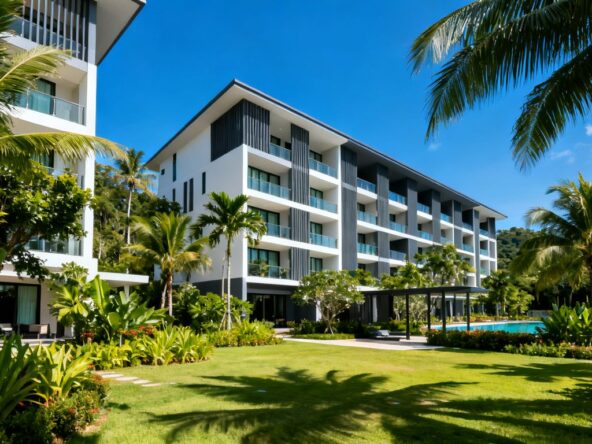
Condominiums are often the go-to option for many foreign buyers in Thailand. These properties provide a modern lifestyle with added conveniences such as swimming pools and fitness centres. They are not only affordable but also offer a straightforward ownership process for non-Thai nationals. Foreigners can own up to 49% of the total unit area in a condominium project, making it a secure investment.
Villas and Townhouses: Affordable Luxury
For those seeking more space and privacy, villas and townhouses present a great option. These properties often come with private gardens, swimming pools, and other luxurious features. Despite their upscale amenities, villas and townhouses in certain areas of Thailand are surprisingly affordable, offering a taste of luxury at a fraction of the cost you’d expect in other regions.
Land Plots: Building Your Dream Home
Purchasing a plot of land to build your dream home is another viable option in Thailand. While foreigners cannot own land directly, they can lease it for up to 30 years, providing ample time to construct a personalised residence. This option is perfect for those who wish to design a home tailored to their specific needs and preferences, all while enjoying the relaxed Thai lifestyle.
Legal Considerations for Buying Property in Thailand
Understanding Foreign Ownership Restrictions
In Thailand, foreigners face specific restrictions when it comes to property ownership. While owning land outright is generally off-limits, purchasing a condominium unit is a viable option. Foreigners can own up to 49% of the total floor area in a condominium building. This rule is designed to balance foreign investment while ensuring Thai nationals retain majority ownership.
Another alternative is entering into a long-term lease agreement, typically lasting 30 years, with the possibility of renewal. This lease is registered with the Land Department, offering a degree of security without granting direct ownership of the land.
Navigating the Legal Framework
Buying property in Thailand involves understanding a unique set of legal requirements and procedures. It is essential to conduct thorough due diligence before any purchase to ensure the property is free from encumbrances or legal issues. Consulting with a qualified lawyer who specialises in Thai property law is highly recommended. They can guide you through the complexities of the process, ensuring compliance with all legal stipulations.
Securing Your Investment with Proper Documentation
Proper documentation is crucial when investing in Thai real estate. Ensure all agreements, leases, and contracts are thoroughly reviewed and legally binding. Key documents include the title deed, sale and purchase agreement, and lease agreement if applicable. Additionally, registering these documents with the appropriate authorities is vital to secure your investment and protect your interests in the long run.
Investing in property in Thailand is an exciting opportunity, but it requires careful planning and legal understanding. With the right guidance, you can navigate the restrictions and secure a valuable asset in this beautiful country.
Financing Options for Purchasing Cheap Houses in Thailand
When considering buying property in Thailand, one of the most common avenues for financing is through local bank mortgages. Local banks offer various mortgage options to foreigners, although the requirements can be quite specific. Typically, applicants need a good credit score and a monthly income ranging from THB 80,000 to 140,000. Moreover, the property in question must be a completed project. This means you can’t secure a mortgage for properties under construction. It’s essential to gather all necessary documents and understand the terms thoroughly before proceeding.
If local banks’ requirements seem too stringent, international financing can be a viable alternative. Some overseas banks and financial institutions provide loans specifically designed for purchasing property in foreign countries like Thailand. These loans often come with competitive interest rates and favourable terms. However, it’s crucial to compare different offers and understand the implications of currency exchange rates and international banking regulations.
Before committing to any financing option, it’s vital to grasp the loan terms and conditions fully. This includes understanding the interest rates, repayment schedules, and any potential penalties for early repayment. Consulting with a financial advisor can be beneficial to navigate these complexities. They can offer insights into which loan structures might be most advantageous for your specific situation.
"Securing a home loan in Thailand requires careful planning and understanding of both local and international financial landscapes. Make sure to evaluate all options and consult professionals to ensure that your investment is sound and well-protected."
Tips for Successfully Buying Cheap Houses in Thailand
Conducting Thorough Market Research
Before jumping into the property market in Thailand, it’s wise to do your homework. Research the local market trends, property values, and economic conditions. Understanding the nuances of the Thai property market can help you identify the best deals and avoid potential pitfalls. Look into historical data and forecasts to gauge future property value trends. This groundwork will give you a solid foundation for making informed decisions.
Visiting Properties Before Purchase
Never underestimate the importance of visiting properties in person. Pictures can be deceiving, and there’s no substitute for seeing a place with your own eyes. Walk around the neighbourhood, check out nearby amenities, and get a feel for the community. This visit can reveal aspects of the property that aren’t evident in photos, such as noise levels, traffic, and the general vibe of the area.
Negotiating the Best Price
Negotiation is a key part of buying property, especially when you’re aiming to snag a bargain. Don’t shy away from haggling over the price. Sellers often expect some negotiation, so you might be able to bring down the price significantly. It’s also beneficial to understand the current market conditions, which can give you leverage during negotiations.
Buying property in Thailand is not just about finding a good deal; it’s about making a smart investment that aligns with your goals and lifestyle. Be patient, do your research, and don’t rush the process.
Investment Potential of Affordable Properties in Thailand
Rental Yields and Income Opportunities
Thailand’s real estate market offers promising rental yields, especially in popular tourist and expat areas. Investors can expect rental yields averaging between 6% and 9% annually, which is quite competitive compared to other global markets. The high demand for rental properties among tourists and expatriates ensures a steady occupancy rate. For example, a low-cost apartment in a sought-after area could generate an annual income ranging from $5,000 to $12,000. This consistent income stream makes investing in rental properties a reliable choice for those looking to generate passive income.
Long-Term Value Appreciation
Investing in affordable properties in Thailand is not just about immediate rental income. There’s also the potential for long-term value appreciation. Historically, the property market in Thailand has shown a stable annual increase in property values by 7% to 13%. Properties often see a significant increase in value during construction, with some appreciating by 20% to 35% from the starting price. This growth trend makes Thailand an attractive option for investors seeking to increase their capital over time.
"The continuous growth in property values and the high demand for real estate in Thailand make it a promising market for long-term investment."
Choosing the Right Property for Investment
When selecting a property for investment, it’s crucial to consider several factors to maximise returns. Here are a few key points to keep in mind:
- Location: Urban areas like Bangkok have higher property prices, while rural regions such as Chiang Mai and Isaan offer more affordable options with potential for growth.
- Property Type: Decide whether you want to invest in a condominium, villa, or land plot, each offering different advantages and risks.
- Market Trends: Stay informed about current market conditions and future forecasts to make data-driven decisions.
By carefully evaluating these aspects, investors can enhance their chances of making a profitable investment in Thailand’s real estate market.
The Role of Real Estate Agents in Finding Cheap Houses
Benefits of Using a Local Agent
When searching for affordable housing in Thailand, a local real estate agent can be your best ally. They know the ins and outs of the local market, which is crucial for finding the best deals. Local agents have access to properties that might not be listed online, giving you a wider range of options to choose from. They can also offer insights into neighbourhoods, helping you find a place that suits your lifestyle and budget.
How to Choose a Reliable Real Estate Agent
Finding the right agent is essential. Start by asking for recommendations from friends or online forums. Look for agents with good reviews and a proven track record in the area you’re interested in. Make sure they are licenced and have a solid understanding of the legal aspects of property transactions in Thailand. Interview a few agents to see who you feel most comfortable with.
Understanding Agent Fees and Commissions
Agents typically earn their income through commissions, which are often a percentage of the property’s sale price. It’s important to discuss these fees upfront to avoid any surprises later. Some agents might offer a flat fee instead, so it’s worth comparing different options. Understanding these costs will help you budget more effectively and ensure you get the best value for your money.
Working with a real estate agent can simplify the process of buying property in Thailand, especially for foreigners unfamiliar with the local market. Their expertise can save you time and money, making your property search more efficient and less stressful.
Incorporating the services of a real estate agent can also connect you to enhanced public transportation options, which are becoming a focus in Thailand’s real estate sector, further increasing the appeal of certain properties.
Exploring the Lifestyle Benefits of Living in Thailand
Cost of Living Comparisons
Thailand is well-known for its affordable cost of living, especially when compared to Western countries. While living costs can vary greatly depending on the region and lifestyle, generally speaking, expenses such as groceries, dining, and transportation are quite reasonable. For instance, a delicious plate of Pad Thai can cost as little as 40 THB (approximately 1.3 USD), making it easy to enjoy local cuisine without overspending. Living in Thailand allows for a comfortable lifestyle without breaking the bank.
Cultural and Recreational Opportunities
Thailand is rich in cultural heritage and offers numerous recreational activities. From exploring ancient temples in Chiang Mai to enjoying the vibrant nightlife in Bangkok, there’s something for everyone. The country’s tropical climate also means that outdoor activities like hiking, diving, and beach outings are available year-round. Not to mention, Thailand’s festivals, such as Songkran and Loy Krathong, provide unique cultural experiences that are both entertaining and enlightening.
Quality of Life in Different Regions
The quality of life in Thailand can vary depending on the region. In bustling cities like Bangkok, you’ll find modern amenities and a fast-paced lifestyle, while areas like Chiang Mai offer a more laid-back atmosphere. Coastal regions such as Phuket and Pattaya boast beautiful beaches and a relaxed vibe, perfect for those who enjoy a slower pace. Regardless of the location, Thailand’s friendly locals and welcoming communities make it an inviting place to call home.
Many expats find Thailand to be an ideal place to live, thanks to its blend of affordability, natural beauty, and cultural richness. Whether you prefer the energy of city life or the tranquillity of the countryside, Thailand has something to offer everyone.
Understanding the Property Market Trends in Thailand
The Thai property market is a bit of a mixed bag right now. On one hand, there’s been a noticeable dip in house prices, especially in major cities like Bangkok. This is largely due to an oversupply of new residential units. Developers are finding it tough to sell off their existing stock, which is pushing prices down. On the flip side, Thailand’s real estate market is set for a rebound, thanks to economic recovery and a boost in tourism. Experts predict that this positive trend will continue into 2024 and 2025, drawing in both local and foreign investors.
Tourism plays a huge role in Thailand’s economy, and it directly affects the property market. Areas popular with tourists, like Phuket and Pattaya, often see a surge in property demand. When tourism is thriving, so is the real estate market. However, the pandemic threw a wrench in the works, causing a temporary slump. As tourism picks up again, expect a rise in demand for properties, particularly in tourist hotspots.
There’s a growing interest in affordable housing across Thailand. More people are looking for budget-friendly options, whether it’s for living or investing. This shift is pushing developers to focus more on affordable projects. You’ll find an increase in condominiums and smaller homes that cater to this demand. Moreover, with the government’s push for infrastructure development, more areas are becoming accessible, which could lead to new affordable housing projects in previously overlooked regions.
The Thai property market is in a state of transition. While challenges persist, opportunities are emerging, especially in the affordable housing sector. Keeping an eye on these trends can help potential buyers and investors make informed decisions.
Common Mistakes to Avoid When Buying Property in Thailand
Overlooking Legal Requirements
Buying property in Thailand can be a thrilling adventure, but it’s vital to stay aware of the legal landscape. Foreigners face restrictions, especially when it comes to land ownership. It’s crucial to understand these regulations to avoid any legal hiccups. For instance, while you can own a condo, owning land directly is a no-go. Instead, you might consider long-term leases or setting up a Thai company to hold the land.
Ignoring Market Research
Jumping into property investment without thorough market research is like diving into a pool without checking the depth. You need to understand the local market, property values, and the economic climate. This means looking into the current trends, potential growth areas, and even the impact of tourism on property demand. Skipping this step can lead to overpaying or investing in a property that doesn’t meet your needs.
Failing to Plan for Future Needs
Many buyers get caught up in the excitement of purchasing a new home and forget to consider their future needs. Whether you’re planning to live there or rent it out, think about how the property fits into your long-term plans. Will it accommodate a growing family? Is it in a location that will attract renters? Consider these aspects to ensure your investment remains beneficial down the line.
Planning for the future isn’t just about the property itself but also about how it fits into your life plans. Consider your career, family, and lifestyle changes that might affect your property’s suitability.
When buying properties in Thailand, it’s crucial to be aware of potential issues such as title deeds, local laws, and zoning regulations to avoid costly mistakes.
Exploring Financing and Payment Plans for Property Buyers
Zero Percent Instalment Plans
In Thailand, some developers offer zero percent instalment plans, which can make buying a property more manageable. These plans allow you to spread out payments over a set period without any added interest. This can be a great way to ease into property ownership without the immediate financial burden. However, it’s essential to read the fine print and understand the conditions attached.
Understanding Payment Schedules
Payment schedules can vary significantly depending on the developer and the type of property. Generally, the payment is broken down into several stages, such as a deposit, instalments during construction, and the final payment upon completion. Here’s a typical payment schedule example:
| Payment Stage | Percentage of Total Cost |
|---|---|
| Deposit | 10% |
| During Construction | 30% |
| Final Payment on Completion | 60% |
Understanding these stages can help you plan your finances more effectively and avoid any surprises.
Working with Financial Advisors
When buying property in Thailand, working with a financial advisor can be beneficial. They can help you understand the different financing options available, including local and international financing options. Advisors can also assist in creating a budget that aligns with your financial situation and investment goals.
"Buying property is a significant investment, and having a clear understanding of the financial aspects can make the process smoother and more secure."
Engaging with a professional ensures you have all the necessary information to make informed decisions, potentially saving you money and stress in the long run.
If you’re thinking about buying a property, understanding your financing options is key. We offer various payment plans to help you find the best fit for your budget. Visit our website to explore how we can assist you in making your dream home a reality!
Conclusion
In wrapping up, finding affordable homes in Thailand is not just a dream but a tangible reality. With a bit of research and the right approach, you can secure a property that fits your budget and lifestyle. Whether you’re looking for a cosy condo or a spacious villa, Thailand offers a variety of options that won’t break the bank. Remember, the key is to stay informed, consider your long-term plans, and don’t shy away from negotiating. So, why not take the plunge and explore the possibilities? Your dream home in Thailand might be just around the corner.
Frequently Asked Questions
Can foreigners own land in Thailand?
Foreigners cannot own land outright in Thailand, but they can own condominium units or lease land for up to 30 years.
What types of properties are affordable in Thailand?
Affordable properties in Thailand include condominiums, villas, townhouses, and land plots for building homes.
Are there financing options for foreign property buyers in Thailand?
Yes, foreign buyers can explore local bank mortgages and international financing solutions to purchase property in Thailand.
What should I know about the legal process of buying property in Thailand?
It’s important to understand foreign ownership restrictions, navigate the legal framework, and ensure proper documentation when buying property in Thailand.
How can I find a reliable real estate agent in Thailand?
Look for agents with good reviews, local knowledge, and clear communication to ensure a smooth property buying process.
What are the benefits of living in Thailand?
Thailand offers a low cost of living, rich cultural experiences, and a high quality of life in various regions.
How can I ensure a good investment in Thai property?
Conduct thorough market research, visit properties, and negotiate prices to make a wise investment in Thailand.
What are common mistakes to avoid when buying property in Thailand?
Avoid overlooking legal requirements, ignoring market research, and failing to plan for future needs when purchasing property.