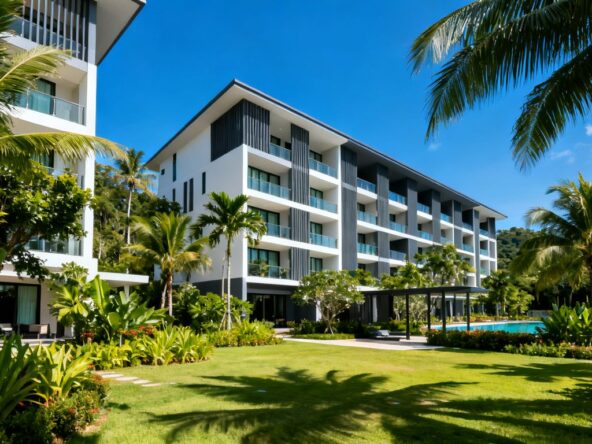


Thinking about buying property in Phuket? It’s a popular spot, for sure. Many people consider setting up a company to handle the purchase, especially for land or villas, rather than owning it directly. But it’s not as simple as it sounds. There are rules you need to follow, and getting it wrong can lead to some serious headaches. This article looks at the ins and outs of corporate ownership of Phuket property, covering what’s allowed, what’s not, and the tax implications involved.
Key Takeaways
- Using a Thai company for property ownership is common but requires careful adherence to Thai company law, especially regarding Thai shareholder participation and genuine business activity.
- Companies set up solely to hold assets without legitimate business operations risk dissolution and penalties, including forced property sales.
- While offshore companies might seem simpler, they still have operational costs and may not be the ideal solution for owning land directly.
- Foreigners can own condominiums outright (freehold) and lease land for villas, offering alternatives to company ownership that may reduce legal complexities.
- Structuring ownership through a legitimate, tax-compliant business is the most secure way for companies to own Phuket property, avoiding issues with authorities.
Navigating Thai Company Law for Property Ownership
So, you’re thinking about buying property in Thailand, maybe a nice villa in Phuket, and you’ve heard that setting up a Thai company is the way to go. It’s true, a Thai limited company can own land, but it’s not as simple as just ticking a few boxes. The Thai authorities are pretty sharp and can spot a dodgy setup a mile off. The key is to have a genuinely legitimate business operating, not just a shell company created solely to hold property.
Understanding Nominee Shareholder Risks
This is a big one. Thai law is very clear: you can’t just have Thai nationals on your company’s shareholder list as ‘nominees’ if they don’t actually own their shares or have any real stake in the business. Their names are just there to meet the legal requirement that at least half the company’s shares must be held by Thai nationals. If the land office suspects your Thai shareholders are just proxies for foreign owners, they can refuse the property registration. It’s a serious offence, and you could face fines, jail time, or even have the company dissolved and be forced to sell any property it owns. It’s best to avoid this entirely and ensure any Thai shareholders are genuine investors. You can find more about property market trends at Phuket property market.
The Requirement for Legitimate Business Activity
Thai law doesn’t recognise companies that exist purely to own assets without any actual business purpose. If your company isn’t conducting trade, generating revenue, or making profits for its shareholders, it could be seen as having no business purpose. This is a major red flag. The company needs to be actively engaged in a lawful business, whether that’s running a hotel, a restaurant, or even an IT service. Without this, the company might be dissolved, and the land it owns could be confiscated. It’s about demonstrating a real commercial operation.
Penalties for Non-Compliance
Getting it wrong can have severe consequences. If you’re found to be using nominee shareholders or operating a company with no genuine business purpose, you could face hefty fines, imprisonment, or both. The company itself could be dissolved, and the Land Office has the power to force the sale of any property held by the company. It’s not worth the risk. The Thai authorities are vigilant, and attempting to circumvent the law can lead to significant legal and financial trouble. It’s always better to be upfront and compliant.
The Nuances of Thai Limited Company Ownership
Setting up a Thai limited company to buy property here might seem like a smart move, especially if you’re looking at villas or land. It’s a way around the rules that say foreigners can’t own land outright. But honestly, it’s not as straightforward as it sounds, and there are quite a few things you need to get right.
Meeting Shareholder Requirements
So, the law says a Thai company can own land, but there are conditions. You absolutely need at least two Thai shareholders, and they have to hold more than half of the company’s shares. This isn’t just a formality; their stake needs to be real, with proof of actual money invested. It’s not enough for them to just be on paper.
Ensuring Genuine Capital Investment
This ties into the shareholder point. The Thai authorities are pretty sharp when it comes to spotting sham arrangements. They want to see that the Thai shareholders have genuinely put their own money into the company. A paper trail showing the source of funds and the actual investment is key. If it looks like they’re just there to satisfy the legal minimums without any real financial commitment, you’re asking for trouble.
Avoiding Companies with No Business Purpose
This is a big one. The Thai government doesn’t recognise companies that are just shells for owning assets. If your company’s only goal is to hold property and it doesn’t have any actual business activities, like trading or providing services, it could be dissolved. They expect companies to be active, to generate revenue, and to make a profit for their shareholders. A company set up purely to own your holiday villa, with no other commercial function, is a definite no-go.
The authorities are wise to companies created solely for property ownership without any underlying commercial activity. Such structures are viewed as attempts to circumvent Thai law and can lead to severe penalties, including company dissolution and the forced sale of assets.
What happens if you get this wrong? Well, you could be looking at fines, even jail time, and the company might be forced to sell off any property it owns. It’s definitely not worth the risk trying to bend the rules here.
Annual Financial Obligations for Thai Companies
So, you’ve gone and set up a Thai company to hold your Phuket property. That’s pretty common, but it’s not just a case of buying the place and forgetting about it. There are ongoing financial duties you absolutely have to keep up with, or you could find yourself in a bit of a pickle.
Audited Accounts Preparation and Filing
First off, your company needs to have its accounts properly audited. This means a qualified accountant has to go through all the financial records – income, expenses, the lot – and give their professional opinion on whether they present a true and fair view of the company’s financial standing. Once that’s done, these audited accounts need to be filed with the relevant government bodies. It’s a bit like getting a yearly report card for your business, and it’s a legal requirement.
Tax Return Submission
On top of the accounts, you’ve got tax returns to sort out. For the first year, it’s usually a single submission. However, after that, Thai companies are generally required to file tax returns twice a year. This involves declaring all the company’s income and calculating the tax due. If your company is earning rental income from the property, for instance, that income needs to be declared. Failure to submit these returns on time can lead to penalties.
Other Corporate Compliance
Beyond accounts and taxes, there are other bits and pieces to keep your company ticking over legally. Your company needs a registered address in Thailand, which should ideally be a proper office space, not just a P.O. Box. If a company director lives in a property owned by the company without paying rent, they might even have to pay personal income tax on the benefit of living there rent-free, based on the property’s market rental value. It’s all about making sure the company is a genuine operating entity, not just a shell for property ownership.
Exploring Offshore Company Structures
When thinking about owning property in Phuket, especially land or villas, people sometimes look at setting up companies in other countries, often called offshore companies. The idea behind this is usually to get around some of the rules that apply to foreign ownership of Thai property, or maybe to make selling the property later on a bit simpler. It’s true that if you own a property through an offshore company, transferring ownership just means transferring the shares of that company, which can be a straightforward process. However, it’s really important to know that an offshore company generally cannot legally own land in Thailand. So, while it might seem like a neat trick, it doesn’t actually solve the core issue of owning land directly.
Advantages of Overseas Registration
Using an offshore company might appeal because it can sometimes feel like there are fewer direct legal hurdles compared to setting up a Thai company. For instance, the administrative burden might seem lighter initially, and the perceived separation from Thai legal liabilities can be attractive. This route is sometimes considered for estate planning, making it easier to pass property down through generations without going through Thai probate. It can also simplify the sale process, as mentioned, by just transferring company shares.
Commercial Liabilities of Offshore Entities
Even though offshore companies might avoid certain Thai legal requirements, they aren’t free from costs or responsibilities. Running an offshore company still costs money, whether it’s for registration fees, annual filings, or accounting services. These ongoing commercial liabilities need to be factored into the overall expense. Plus, regardless of where the company is registered, it still needs to maintain proper financial records and comply with the laws of its home jurisdiction. It’s not a magic bullet for avoiding all financial obligations.
Ease of Share Transfer for Inheritance
One of the main draws for using an offshore structure is indeed the potential ease of transferring ownership, particularly when it comes to inheritance. Instead of dealing with the complexities of Thai inheritance law or property transfer procedures upon someone’s death, the process can theoretically be as simple as transferring the shares of the company that owns the property. This can be a much quicker and less complicated way to manage the succession of assets, provided the underlying property ownership structure is sound and legally recognised. For example, if you were looking at a property like those near Surin and Bangtao beaches, which offer various unit sizes, managing its transfer through a company structure might seem appealing for future planning, but the land ownership issue remains a key consideration [f5e3].
It’s a common misconception that offshore companies offer a way around Thai property ownership laws, especially concerning land. While they might simplify share transfers, they don’t grant the right to own land directly. This distinction is critical for anyone considering this route for their Phuket property.
Alternative Property Ownership Routes
So, you’re looking at buying property in Phuket, maybe a nice villa or some land, and you’re wondering about the best way to do it, especially if you’re not a Thai national. It can get a bit confusing, honestly. While the idea of owning land outright as a foreigner is pretty much a no-go under Thai law, there are a couple of other routes you can explore.
Freehold Condominium Ownership
This is probably the most straightforward option for foreigners. You can buy a condominium unit outright, meaning you own the physical space you live in, and the land it sits on is owned by the condo juristic person. There are limits, though – foreigners can only own a maximum of 49% of the total saleable area in any given condominium building. It’s a clear path, and you get full ownership of your unit.
Leasing Land for Villa Ownership
This is a really common way people get around the land ownership rules. You can’t buy the land itself, but you can lease it for a long period, often 30 years, with options to renew. Then, you own the villa or house that you build on that leased land. The key here is to have a really solid, well-drafted lease agreement. A good lease gives you legal security over your property and the structure you’ve built on it. It’s a way to have a home without directly owning the soil it stands on, and it helps sidestep some of the personal legal headaches that can come with other methods.
Mitigating Personal Legal Liabilities
When you’re dealing with property ownership, especially in a foreign country, thinking about who’s responsible if something goes wrong is pretty important. Using a company structure, whether it’s a Thai limited company or even an offshore one (though offshore companies have their own issues and can’t actually own land directly), can sometimes put a bit of a buffer between you personally and the property. It means that if there are debts or legal claims related to the property, they might be directed at the company rather than your personal assets. However, it’s not a magic shield, and you still need to be careful about how these companies are set up and run to actually get that protection. It’s all about structuring things correctly from the start.
The main thing to remember is that direct foreign ownership of land is generally not permitted. So, while you can own a condo outright, for villas and land, you’re looking at lease agreements or specific company structures that comply with Thai law. It’s always best to get advice tailored to your situation.
Legitimate Business as a Basis for Ownership
Foreign Shareholding in Legitimate Businesses
So, you’re thinking about buying property in Phuket through a Thai company. It’s a common route, but it’s not as simple as just setting up a business and buying land. The key thing here is that the company needs to be doing actual, legitimate business. It can’t just be a shell company created solely to hold property. Thai authorities are pretty sharp and can spot an arrangement that’s just a front. Having foreign shareholders isn’t inherently illegal, but it does mean you need to be extra careful about how the company is structured and operated. The company must have a real business purpose, generate revenue, and ideally, provide profits to its shareholders. If the company’s only activity is owning assets and it doesn’t engage in any trade or pay taxes, it could be dissolved. The Thai government wants to see genuine economic activity, not just property holding.
The Role of Thai Nominees in Legitimate Ventures
This is where things can get tricky. Thai law requires that a company owning land must have at least 51% Thai ownership. Now, you might think using Thai nominees is the easy way to meet this. However, using nominees who have no real stake in the company, and whose names are just on paper to satisfy the legal requirements, is illegal. It’s seen as a way to circumvent the law, and both the foreigner setting it up and the nominees can face serious penalties, including fines and even imprisonment. The company itself could be forced to sell its property. It’s crucial that any Thai shareholders have a genuine investment and a clear paper trail showing they’ve contributed capital. It’s not about having Thai names on a shareholder list; it’s about having real Thai partners involved in the business.
Tax Implications of Personal Use
Even if your company legitimately owns property, like a villa in Phuket, there are tax considerations if you, as a foreign shareholder or director, use that property personally. This is often referred to as a ‘benefit in kind’. Essentially, the tax authorities might view your personal use of the company’s asset as a form of income. This means you could be liable for personal income tax on the value of that benefit. It’s important to structure these arrangements correctly and declare any personal use to avoid issues. If everything is handled transparently and according to the rules, it shouldn’t be a problem, but it’s something to be aware of from the outset.
Corporate Ownership of Phuket Villas and Land
So, you’re thinking about buying a villa or some land in Phuket and wondering if setting up a Thai company is the way to go? It’s a pretty common route, but it’s not as simple as just ticking a box. The main thing to remember is that the company needs to be doing actual business. It can’t just be a shell company created solely to hold property. Thai law is pretty clear on this; companies need a genuine purpose and activity. Think of it like this: if you’re running a property development business, or maybe a company that manages villa rentals, then owning the land or villas makes sense for that business. It’s not just about owning the asset; it’s about the business activity surrounding it.
Property Development Companies
Property developers often use Thai companies to own land for their projects. This is perfectly legal, provided the company is genuinely developing and selling properties. They might even have foreign directors or shareholders, but the key is that the company is actively engaged in construction and sales, not just holding land. It’s a way to manage the development process and the eventual sale of properties, including condominiums where Thai ownership laws still apply to a majority of units, but the development company can retain freehold ownership of the land itself.
Villa Rental Management Entities
Another common scenario is setting up a company to manage a portfolio of villas for rent. This company can legally own the land on which these villas are built. A foreign director could even reside in one of the villas as part of their role in managing the rental business. As long as the company operates professionally, adheres to all regulations, and pays its taxes, this structure is generally accepted. It’s all about demonstrating a real business operation.
International Schools and Land Ownership
International schools are a good example of businesses that often require land ownership. Many of these schools have foreign investment and management, but they are considered to be in the public interest. They employ local staff and contribute to the community, making them legitimate businesses. Because of this, they are often permitted to own the land and buildings they operate from. It shows that if the business serves a purpose and follows the rules, ownership is possible.
Investment-Based Land Acquisition
So, you’ve got a bit of cash and you’re eyeing up some land in Phuket. Buying land outright as a foreigner in Thailand isn’t exactly straightforward, but there are specific routes that allow it, usually tied to making a significant investment. It’s not just about having the money; it’s about how you channel it to meet the government’s criteria.
Meeting Prescribed Investment Thresholds
Thailand has a system where substantial investment can grant foreigners the right to own land. The main way this works is through a specific investment amount, currently set at THB 40 million. This isn’t just any investment; it needs to be in specific, government-approved areas. This route offers a legitimate path to freehold land ownership for those with the financial capacity.
Investing in Government Bonds
One of the primary ways to meet the investment threshold is by purchasing Thai Government Bonds. You can also invest in bonds issued by the Bank of Thailand or state-owned enterprises. Alternatively, bonds where the Ministry of Finance guarantees the capital or interest also qualify. The key here is that this investment must be maintained for at least five years from the date you register the land ownership. It’s a way for the government to encourage capital inflow and stability.
Controlling Companies via BOI Schemes
Another avenue is investing the THB 40 million into the share capital of a company that has received investment promotion status from the Board of Investment (BOI). The BOI offers incentives to businesses that are deemed beneficial to Thailand’s economy. If a company gets this promotion, it can sometimes include permission for foreigners to own land. The company itself becomes the ‘promoted person’ and can own the land. Crucially, under these BOI schemes, foreigners can often control the Thai company, and by extension, its assets, including any land it owns. This differs from standard Thai companies where foreign ownership is limited.
It’s important to remember that if the promoted business activity stops or is transferred, the BOI incentives, including land ownership rights, can be revoked. If land was acquired under such a scheme, it typically needs to be sold within a year, or the Director General of the Land Department can step in to sell it.
The process for these investment-based acquisitions can be complex. It often involves significant paperwork and requires careful adherence to regulations. Getting advice from a qualified legal professional in Thailand is highly recommended to ensure all steps are correctly followed and your investment is secure.
Tax Considerations on Property Transactions
When you’re looking at buying property in Phuket, especially if you’re thinking about doing it through a company, the tax side of things can get a bit complicated. It’s not just about the purchase price; there are ongoing obligations and different rates depending on how you structure things. It’s a good idea to get a handle on this early on.
Stamp Duty on Individual vs. Corporate Ownership
One of the first things to notice is how stamp duty is handled differently for individuals versus companies. If you buy a property, say a condo or a villa, and put it in your own name, and you’ve owned it for at least five years, the stamp duty on sale is a relatively low 0.5% of the sale price. This is paid when the property changes hands. However, if that same property is owned by a company, that stamp duty jumps up significantly to 3.3% of the total sale price. So, that’s a big difference right there.
Income Tax Implications for Company-Owned Assets
Companies are taxed on their income, and if your company owns property that generates rental income, that income is subject to corporate income tax. This is pretty standard. But it gets more interesting if, for example, a company director lives in a property owned by the company without paying rent. In that situation, personal income tax might be due, calculated on the market rental value of that property. This is something that doesn’t typically apply if the property is owned by an individual. The sale of a company-owned property can also trigger income tax, and this can often be considerably higher than if an individual sold a property they’d owned for a long time.
Personal Income Tax on Benefit in Kind
As mentioned, if you’re a director or employee and you live in a property owned by the company, you might be liable for personal income tax on what’s called a ‘benefit in kind’. Essentially, the tax authorities see you getting free accommodation as a form of income. The amount of tax would usually be based on the property’s rental value. This is a key consideration for anyone using a company structure for their Phuket property, especially if they plan to reside there. It’s a bit like getting a salary in the form of housing, and it needs to be declared and taxed accordingly. For instance, if you were looking at a place like this luxury condominium project in Patong, conveniently located near several beaches, and decided to have your company own it and let you live there, you’d need to factor in this personal tax implication.
The Importance of Legal Diligence
Understanding Ambiguities in Thai Property Law
Look, buying property in Thailand, especially through a company, can feel like trying to solve a puzzle with missing pieces. Thai property law, while it has its structures, can sometimes feel a bit… flexible. What might seem straightforward on the surface can have hidden complexities. For instance, the rules around foreign ownership of land, even through a Thai company, aren’t always crystal clear in practice. It’s not just about ticking boxes; it’s about understanding the spirit behind the regulations. The authorities are generally looking for genuine business activity, not just a shell company set up to hold assets. If your company’s main purpose appears to be solely property ownership without any real commercial operations, that’s a big red flag. It’s like trying to get through airport security with a fake passport – they’ll spot it eventually.
The Unambiguous Stance on Land Ownership
Despite the potential for confusion, there’s one thing that’s pretty much set in stone: direct foreign ownership of land in Thailand is generally not permitted. You can own a condo outright, sure, but for houses or land, you’re looking at different routes. The law is quite firm on this. If a company is found to be a front, with Thai shareholders who have no real stake or involvement, and the company’s sole purpose is to hold land for a foreign owner, that setup can be challenged. The consequences can be serious, including fines, potential jail time, and the forced sale of the property. It’s a clear message that the authorities want to see legitimate business operations, not just property holding vehicles.
Seeking Competent Legal Counsel
Given all this, getting good advice is really important. Trying to figure out the ins and outs of Thai company law and property regulations on your own is a risky business. You need someone who knows the local landscape, understands the nuances, and can guide you through the process correctly. A good lawyer can help you set up a company that genuinely operates a business, making your property ownership legitimate and compliant. They can also advise on the best structure for your specific situation, whether that’s a Thai company with a clear business purpose or exploring other options. It’s an investment that can save you a lot of headaches and potential legal trouble down the line. Think of it like this:
- Company Setup: Ensuring all registration documents reflect a real business activity.
- Shareholder Structure: Confirming Thai shareholders have a genuine stake and capital contribution.
- Business Operations: Maintaining records of actual trading, invoicing, and tax payments.
- Compliance: Regularly filing annual accounts and tax returns accurately.
The key takeaway is that while owning property through a Thai company is possible, it must be done with a legitimate business as the foundation. Any attempt to circumvent the law through nominee arrangements or shell companies is likely to fail and carry significant penalties. It’s always better to do things the right way from the start.
Understanding the legal side of things is super important when you’re buying property. It makes sure everything is above board and safe for you. Want to learn more about how to do this right? Check out our website for all the details.
So, What’s the Takeaway?
Ultimately, buying property in Phuket through a company isn’t a simple yes or no answer. While it might seem like a good way to get around ownership rules, especially for land, it’s really important to do things properly. Using nominee shareholders or setting up companies with no real business activity is a risky path that can lead to serious trouble. If you’re thinking about this route, make sure your company is a genuine business, follows all the rules, and pays its taxes. Otherwise, you could face fines or even have to sell the property. For those with significant investment capital, there are specific legal avenues, like investing in government bonds, that can grant direct land ownership. For most people, though, looking at condos or structuring long-term leases for villas might be a more straightforward and safer bet. Getting advice from a good lawyer who understands Thai property law is absolutely key, no matter which way you decide to go.