

Watch This Episode: Our Phuket Real Estate Podcast
Our podcast covers all the topics for property investors looking at buying real estate in Thailand.
Thinking of buying property in Phuket as a foreigner? It’s not as straightforward as you might hope. Thailand has specific rules about foreign ownership, and understanding them is key to making the right decision. Whether you’re eyeing a condo, a villa, or land, knowing the legal ins and outs can save you a lot of hassle down the line. Let’s break it down.
Key Takeaways
- Foreigners can legally own condominiums in Thailand, up to 49% of a building’s total area.
- Land ownership is generally restricted, but leasehold agreements for up to 30 years are a common workaround.
- Setting up a Thai company to own land is an option, but it must comply with strict legal requirements.
- Hiring a qualified real estate lawyer is essential to ensure compliance with Thai property laws.
- Cultural and legal factors strongly influence property ownership laws in Thailand, so staying informed is crucial.
Understanding Foreign Ownership Laws in Thailand
Key Restrictions on Land Ownership
Thailand’s laws are quite strict when it comes to land ownership by foreigners. Under the Land Code Act of 1954, foreigners are explicitly prohibited from owning land outright. This means that, legally, foreigners cannot hold the land title in their name. However, there are some alternatives, such as leaseholds or setting up a Thai company, though each comes with its own set of challenges and risks.
- Foreigners cannot own land directly but may lease it for up to 30 years, with an option to renew.
- Married to a Thai national? You may jointly own the structure (like a house) but not the land itself.
- Thai culture and laws strongly emphasise keeping land ownership for Thai nationals, reflecting a deep-seated national sentiment.
Foreign buyers should understand that Thai laws prioritise protecting land for Thai citizens, and any legal loophole might not stand the test of time.
Legal Framework for Condominium Ownership
If you’re looking to own property outright, condominiums are the most straightforward option. Thai law allows foreigners to own up to 49% of the total floor area of a condominium complex. This makes condos a popular choice for overseas investors and expats.
- To purchase a condo, funds must be transferred into Thailand in foreign currency.
- Ownership is limited by the 49% rule, so it’s worth checking the building’s foreign ownership quota.
- Condos offer a clear title of ownership, providing peace of mind compared to other property options.
Leasehold Agreements and Their Implications
Leasehold agreements are a common workaround for foreigners wanting to live in or use land in Thailand. These agreements typically last for 30 years, with an option to renew for an additional 30 years. While this doesn’t grant ownership, it does provide long-term control over the property.
- Lease agreements must be registered with the Land Department to be legally enforceable.
- Lessees can use the land for construction or other personal purposes.
- Leasehold rights can sometimes be transferred, allowing for property sales or inheritance.
However, leaseholds come with risks. For instance, renewal clauses are not guaranteed, and the landowner’s circumstances could change, impacting your agreement.
Leaseholds are often seen as a compromise—offering long-term stability without outright ownership. But buyers should tread carefully and ensure all legal safeguards are in place.
Exploring Property Options for Foreigners in Phuket
Condominiums: The Easiest Path to Ownership
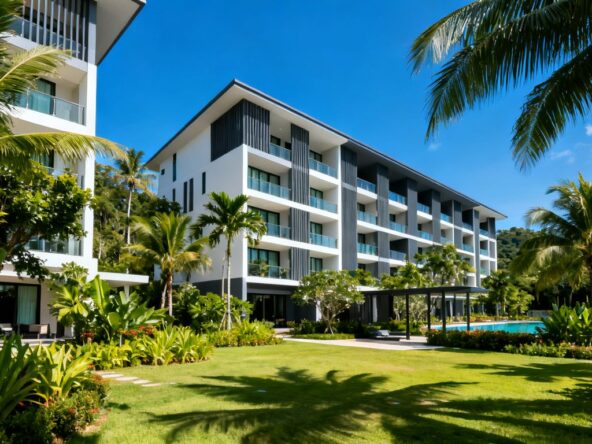
For foreigners, condominiums are the most straightforward option when it comes to property ownership in Phuket. According to Thai law, foreigners can own up to 49% of the total floor area of a condominium project. These properties are ideal for those who want hassle-free ownership with amenities like pools, gyms, and security services often included. Condominiums provide a simple entry point into the Phuket property market.
Villas and Houses: Leasehold vs. Freehold
Villas and houses present a more complex situation. Foreigners cannot own land directly, but they can lease it for up to 30 years, with options to renew. Alternatively, some buyers set up Thai companies to hold the property under a freehold arrangement, though this comes with legal and financial risks. When choosing between leasehold and freehold, consider factors like long-term plans, legal compliance, and potential resale value.
Land Purchase Through Thai Companies
While foreigners are not allowed to own land outright, forming a Thai company is one way to acquire land indirectly. This method requires careful legal structuring to ensure compliance with Thai corporate laws. It’s worth noting that using nominee shareholders to bypass ownership restrictions is illegal and carries significant risks. Always consult a qualified lawyer to explore this option safely.
Before diving into any property option, take time to understand the legal framework and consult professionals. Phuket’s luxury properties, particularly along the west coast, combine lifestyle appeal with proximity to schools, hospitals, and upscale amenities, making them attractive to foreign buyers.
Legal Considerations for Foreign Buyers
Importance of Hiring a Real Estate Lawyer
When buying property in Phuket, having the right legal representation is not just smart—it’s essential. A good real estate lawyer ensures the transaction complies with Thai laws and protects your investment from potential pitfalls. This means they’ll check property titles, confirm ownership, and review contracts for any red flags. Here’s what you should look for in a lawyer:
- Verify their legal credentials and make sure they specialise in real estate.
- Ensure they adhere to ethical standards and don’t have conflicts of interest, like representing both buyer and seller.
- Avoid lawyers who accept commissions from developers or agents, as this could compromise their impartiality.
Hiring the right professional can save you from costly mistakes.
Risks of Using Nominee Shareholders
Some foreigners try to bypass ownership restrictions by using Thai nominee shareholders to set up a company. While this might seem like a clever workaround, it’s a risky move. Thai law strictly prohibits foreigners from owning land through nominees, and violating this can lead to severe legal consequences, including losing the property. Instead, consider safer options like leasehold agreements or purchasing condominiums under the foreign freehold ownership scheme, which is fully compliant with Thai regulations.
Compliance with Thai Corporate Laws
If you decide to establish a Thai company to invest in property, it’s crucial to comply with all corporate laws. The company must operate as a legitimate business, paying taxes and adhering to legal standards. Key points to keep in mind:
- Ensure the company has a genuine business purpose beyond property ownership.
- Keep accurate records and file taxes regularly to avoid penalties.
- Be cautious of outdated legal loopholes that may no longer hold up in court.
Skipping due diligence or cutting corners can lead to legal troubles. Always play by the rules to safeguard your investment.
Navigating Leasehold Agreements in Phuket
Understanding the 30-Year Lease Term
In Thailand, leasehold agreements typically grant foreigners a 30-year lease on property. This is the maximum duration allowed under Thai law for a single lease term. While it offers a secure arrangement, it’s vital to understand that this initial lease term is the only one officially guaranteed by the government. Any agreements for extending the lease beyond this period—such as the commonly discussed two additional 30-year renewals—are contractual and not automatically protected by law.
Renewal Clauses and Their Limitations
Renewal clauses in lease agreements are often marketed as a way to extend the lease for up to 90 years (30 years + two renewals). However, these extensions are not ironclad. They rely on both parties re-registering the lease at the Land Department when the time comes. If the landlord refuses or circumstances change, the renewal might not be honoured. It’s crucial to be cautious and not view these clauses as a guaranteed right.
Potential Risks and Safeguards
Leasehold agreements come with inherent risks that buyers should be aware of. Here are a few key considerations:
- Landlord Reliability: The leaseholder is dependent on the landlord’s willingness to honour renewal agreements.
- Legal Standing: Renewal terms may not hold up in court if disputed.
- Investment Stability: Changes in Thai property laws or ownership of the land could impact the lease.
To mitigate these risks, hiring a real estate lawyer is highly recommended. A well-drafted contract with clear terms can provide additional safeguards. It’s also wise to explore options like registering your lease with the Land Department to strengthen its legal standing.
Leasehold property in Thailand offers a practical solution for foreigners who cannot own land outright. However, it requires careful planning and legal diligence to ensure long-term security.
Cultural and Legal Context of Property Ownership
Thai Cultural Perspectives on Land Ownership
Thailand’s laws on land ownership are deeply rooted in cultural values. There’s a strong sentiment that Thailand should remain a land for its own people. This belief influences the stringent restrictions on foreign ownership of land. For example, while foreigners can own buildings like villas, the land beneath them is typically leased. This arrangement reflects the Thai perspective that the land itself should remain in Thai hands.
- Foreigners can own up to 49% of condominium units in a development. Learn more about condominium ownership.
- Villas and houses are often marketed to foreigners, but ownership is limited to the structure, not the land.
- Land can be leased for up to 30 years with renewal options, but outright ownership is generally not possible.
Foreign property buyers must understand not just the laws but the cultural reasons behind them. This awareness can help avoid misunderstandings and ensure a smoother property transaction.
Impact of Legal Changes on Foreign Buyers
Rumours about changes to Thai land laws often circulate, but they rarely materialise. The legal framework has largely remained consistent over the years, reinforcing the cultural values tied to land ownership. While some foreigners hope for relaxed rules, the current system is unlikely to change significantly anytime soon.
- The Thai government prioritises protecting its citizens’ rights to land.
- Legal loopholes, like setting up Thai companies for land ownership, are risky and can face scrutiny.
- Leasehold agreements are the most straightforward and legally secure option for foreign buyers.
Balancing Legal Compliance with Ownership Goals
For those looking to invest in Phuket property, balancing legal compliance with personal goals is essential. Ignoring or bypassing Thai laws can lead to serious consequences, including the loss of property rights. Instead, focus on legitimate avenues like leaseholds or condominium ownership.
- Engage a qualified real estate lawyer familiar with Thai laws.
- Avoid dubious schemes that promise land ownership through questionable means.
- Ensure all transactions are transparent and legally sound.
By respecting the cultural and legal framework, foreign buyers can enjoy a secure and rewarding property investment in Phuket.
Investment Strategies for Foreign Buyers
Long-Term Leasing as an Investment
For many foreign investors, long-term leasing is a practical option. Under Thai law, foreigners can lease land for up to 30 years, with the possibility of renewing the lease for another 30 years. This offers a stable and predictable way to secure property rights without the complications of ownership restrictions.
- Advantages:
- Considerations:
Setting Up a Legitimate Thai Company
Another route is forming a Thai company to purchase property. This method allows foreigners to own property indirectly, but it comes with strict legal requirements. Thai nationals must own at least 51% of the company, and the company must be a genuine business entity, not a shell created solely for property acquisition.
- Steps to Ensure Compliance:
- Register the company with legitimate Thai shareholders.
- Operate the business in accordance with Thai corporate laws.
- Avoid nominee arrangements, as these are illegal under Thai law.
Setting up a Thai company can be a viable solution, but it requires careful planning and legal advice to ensure compliance with Thai regulations.
Evaluating the Risks of Property Investments
Investing in property always carries risks, and in Thailand, these risks can be magnified for foreign buyers. Being aware of these challenges is key to making informed decisions.
- Key Risks:
- Risk Mitigation Tips:
By carefully evaluating these strategies and risks, foreign buyers can make informed choices that align with their investment goals. For more on regulations and incentives, explore the investment promotion policies outlined by the Board of Investment.
Choosing the Right Location in Phuket
Popular Neighbourhoods for Foreign Buyers
Phuket has a variety of neighbourhoods, each offering something unique. Here are some of the most sought-after areas:
- Patong Beach: If you enjoy a lively atmosphere, this area is famous for its nightlife and entertainment. It’s ideal for those who love to be in the heart of the action.
- Kata and Karon Beaches: These spots are known for their family-friendly vibe, with quieter beaches and a relaxed pace of life.
- Rawai and Nai Harn: Perfect for those seeking a more local feel with easy access to peaceful beaches and a laid-back lifestyle.
- Bang Tao: A hub for luxury villas and resorts, this area is popular among high-end buyers and offers excellent amenities.
- Phuket Town: For a cultural experience, this area blends modern conveniences with rich history and local charm.
Factors to Consider When Selecting a Property
When choosing your ideal location, think about the following:
- Purpose: Are you buying for investment, a holiday home, or permanent residence? Your goal will impact the best area for you.
- Amenities: Check what’s nearby—schools, hospitals, shopping centres, or restaurants.
- Transport Links: Proximity to the airport or major roads can make a big difference, especially if you travel often.
- Budget: Some areas, like Bang Tao, may be pricier due to their luxury appeal, while others, like Phuket Town, could be more affordable.
- Future Developments: Research upcoming projects in the area that could affect property value.
Market Trends and Future Developments
Phuket’s property market is constantly evolving. Understanding local trends can help you make a sound investment decision. Here’s what to keep in mind:
- Rising Demand: Popular areas like Bang Tao and Kata Beach are seeing increased demand, which could drive up prices.
- Infrastructure Growth: New roads, shopping centres, or schools can make certain locations more appealing.
- Rental Potential: If you’re looking to rent out your property, areas like Patong and Rawai are hotspots for tourists.
Choosing the right location in Phuket isn’t just about what’s trendy now. Think long-term and balance your personal needs with market insights to make the best choice.
For more insights on buying property in Phuket, take a look at our expert advice on real estate investments.
Wrapping It Up
So, can foreigners buy property in Phuket? The short answer is yes, but it’s not as straightforward as you might hope. Condos are the easiest option, thanks to clear laws allowing foreign ownership. For villas or houses, you’re looking at leaseholds or setting up a Thai company, both of which come with their own set of challenges. The rules are strict, and for good reason—they’re designed to protect Thai land for Thai people. If you’re serious about buying, make sure you get proper legal advice and understand what you’re signing up for. It’s not impossible, but it’s definitely a process. Take your time, do your homework, and you’ll be better prepared to make the right decision for your situation.
Frequently Asked Questions
Can foreigners own land in Phuket?
No, foreigners are not allowed to own land in Phuket. However, they can lease land for up to 30 years or invest through a Thai company under certain conditions.
What is the easiest way for a foreigner to own property in Phuket?
Buying a condominium is the simplest option, as foreigners can legally own up to 49% of the total area of a condo project.
Are leasehold agreements safe for foreign buyers?
Leaseholds are generally safe if done correctly. However, the maximum lease term is 30 years, and renewal clauses are not guaranteed by law.
Can foreigners use a Thai company to buy property?
Yes, but the company must be legitimate, with genuine Thai shareholders. Using nominee shareholders is illegal and risky.
Do I need a lawyer to buy property in Phuket?
Yes, hiring a real estate lawyer is highly recommended to ensure your purchase complies with Thai laws and to avoid potential legal issues.
What are the risks of using nominee shareholders?
Nominee shareholders are illegal in Thailand. If discovered, the property purchase can be invalidated, and legal penalties may apply.