

For property owners and businesses operating near Phuket’s coastline, the question of what can legally sit on or near a beach remains a live enforcement issue, not a settled one.
The Royal Forestry Department has ordered the demolition of 11 illegal structures at Nui Beach, according to reporting from The Phuket News. The structures are located within protected coastal forest zones, where commercial and permanent building is restricted under Thai law.
The order is part of broader coastal zone enforcement that has affected beach clubs, restaurants, rental facilities and other businesses across the island in recent years. What makes this latest action significant is not the number of structures involved, but the continuing willingness of authorities to act on encroachment claims in areas where property boundaries, forestry jurisdiction and commercial use overlap.
What the order means in practice
The Royal Forestry Department has jurisdiction over coastal forest land, which often extends closer to the waterline than many property owners and operators assume. Structures built without permission, or those that exceed permitted temporary use, can be subject to removal orders regardless of how long they have been in place.
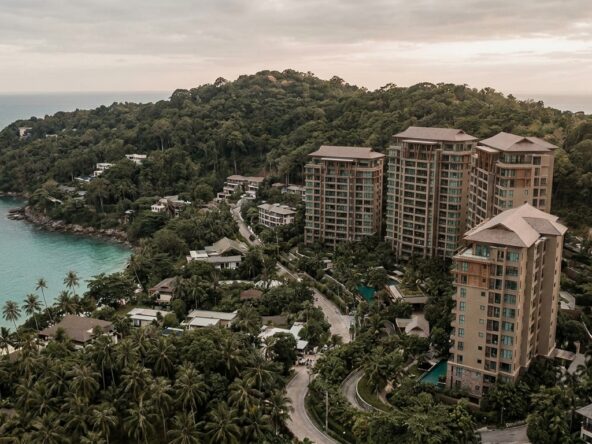
Nui Beach, located on Phuket’s west coast near Kata, is a smaller, less developed beach compared to the island’s main tourism centres. The area has seen gradual commercial development over the years, but much of the land behind the beach remains classified as forest reserve.
The enforcement action follows a pattern seen at other Phuket beaches, where authorities have removed or relocated beach clubs, sunbed operations, restaurants and other structures deemed to be encroaching on public or protected land. In some cases, businesses have been given time to relocate. In others, demolition has proceeded quickly.
Why this matters for Phuket property
For buyers and owners of beachfront or near-beach property, the issue is jurisdictional clarity. Thai coastal zone law is complex. Land ownership, forestry reserve boundaries, national park zones, and local municipal authority can all overlap. A title deed does not always mean the land can be developed as the owner wishes, especially near the coast.
Enforcement is not consistent across all beaches or all time periods. Some areas see regular action. Others see little. But when enforcement does occur, it can be swift, and compensation for removal is rare.
This matters for villa owners whose property borders forest reserve land, for developers planning beachfront projects, and for commercial operators leasing or building on land near the waterline. Legal advice on land classification and permitted use is not optional.
The wider enforcement context
Phuket has faced years of tension between tourism demand, commercial development and environmental protection along its coastline. Beach encroachment has been a recurring flashpoint. Sunbeds, beach clubs, restaurants and small commercial structures have been removed or relocated at multiple beaches, including Surin, Patong, Kata and Kamala.
The enforcement is driven by a combination of environmental policy, public land protection and political pressure. National authorities, including the Royal Forestry Department and the Department of National Parks, have jurisdiction over coastal zones that were historically seen as open for informal commercial use.
As tourism has grown, so has the scale of commercial activity on or near beaches. Enforcement actions are often framed as restoration of public access and environmental protection, but they also create uncertainty for businesses and property owners who have operated in the same locations for years.
What remains unclear
The article does not specify the nature of the 11 structures at Nui Beach, the timeline for removal, or whether any appeals or relocation options are available. It also does not indicate whether the structures are commercial businesses, private buildings or temporary installations.
What is clear is that enforcement of coastal zone regulations remains active in Phuket, and property owners and operators cannot assume that existing use or long-term presence guarantees legal protection.
Frequently Asked Questions
What does this enforcement action mean for Phuket beachfront property owners?
It confirms that coastal zone enforcement remains active in Phuket. Owners of beachfront or near-beach property should verify land classification and permitted use, especially if the property borders forest reserve or national park land. Ownership does not always equal unrestricted development rights near the coast.
Could this affect other beaches in Phuket?
Similar enforcement actions have occurred at multiple Phuket beaches in recent years. The Royal Forestry Department and other agencies have jurisdiction over coastal forest zones across the island, so the pattern could continue at other locations where structures are deemed illegal or encroaching.
What should buyers know before purchasing beachfront property in Phuket?
Buyers should conduct thorough legal due diligence on land classification, forestry reserve boundaries, and permitted use. Coastal zone law in Thailand is complex, and enforcement is inconsistent but real. Legal advice from a qualified property lawyer is essential before purchase or development.
Sources
- The Phuket News — PHUKET XTRA: VIDEO: 11 More Phuket Beach Structures To Go, National Reckoning After Heir’s Allegations || May 26 — link