
If you’re considering an Airbnb investment in Kata, Phuket, you’re not alone. This area has become a popular choice for many investors looking to tap into the thriving tourism market. With its stunning beaches and vibrant culture, Kata attracts a steady stream of visitors year-round. Understanding the rental yields for properties in this region can help you make informed decisions and maximise your investment potential.
Key Takeaways
- Kata offers attractive rental yields, typically ranging from 5% to 8% for condos and 7% to 10% for villas.
- Tourism trends significantly impact rental income, with peak seasons leading to higher prices and occupancy rates.
- Location is essential; properties close to the beach and amenities tend to yield better returns.
- Investors should consider both gross and net rental yields for a clearer picture of their potential returns.
- Understanding local regulations is crucial for successful Airbnb investment in Kata.
Current Rental Yields in Phuket
Overview of Rental Yields
Phuket’s property market is pretty lively, mostly because tourism is strong all year round. More and more people are also living and working remotely from here. Rental yields in Phuket can change quite a bit depending on the type of property you’re looking at and where it’s located. Generally, you’ll find that condos in popular spots like Patong, Kata, and Rawai give you decent returns, especially during the high season (November to April) when rental prices can really jump up. It’s worth keeping an eye on market trends to see how things are shifting.
Comparison of Property Types
Okay, so let’s break down the different types of properties and what kind of rental yields you might expect:
- Condos: Usually, condos in Phuket will get you somewhere between 5% and 8% rental yield. For example, a one-bedroom condo in Kathu could rent for around 13,500 to 18,000 THB each month, which isn’t bad at all.
- Villas: Villas tend to do even better, often giving you rental yields from 7% to 10%. If you’ve got a high-end villa in areas like Thalang or Mueang Phuket, you could be looking at monthly rents between 120,000 and 220,000 THB.
- Long-Term Rentals: Properties in areas slightly further from the main tourist hubs typically yield around 5% to 7%.
Seasonal Variations in Yields
Phuket’s rental yields are heavily influenced by the tourist seasons. Here’s a quick rundown:
- High Season (November to April): This is when you’ll see the highest demand and, therefore, the highest rental income. Prices can double or even triple during these months.
- Low Season (May to October): During the low season, you might have more vacancies and lower rental rates. It’s important to factor this into your calculations.
- Shoulder Seasons: The months just before and after the high season can offer a good balance, with decent demand and slightly lower prices.
Investing in Phuket property can be a good move, but it’s not without its challenges. Tourism is the main driver, so global events or economic downturns can have a big impact. It’s important to do your homework and understand the local market before you jump in.
Factors Influencing Rental Yields

Impact of Location
Location is a massive deal when it comes to rental yields. Properties super close to beaches, shops, and tourist hotspots tend to command higher rental rates. Think about it – people on holiday want convenience. A place a short walk from the beach is way more attractive than one that’s a 20-minute taxi ride away. Plus, being near good restaurants and activities makes a property more appealing, which means you can charge more. It’s all about supply and demand, and prime locations always have high demand.
Role of Property Type
The type of property you invest in also plays a big part. Condos and villas have different pros and cons. Condos are often easier to rent out and need less upkeep, but villas can bring in more money, even though they cost more to maintain. It’s a balancing act. Luxury properties, of course, can command premium rates, but they also come with higher initial costs and ongoing expenses. You need to weigh up the potential income against the costs to see what makes the most sense for your budget and risk appetite. Consider a 3-bedroom apartment for families.
Seasonality Effects
Seasonality is a huge factor in Phuket. The high season (November to April) sees a surge in tourists, which means higher occupancy rates and rental income. But during the low season, things can slow down a lot. This means your rental income can fluctuate quite a bit throughout the year. Some investors try to balance this out by offering long-term rentals during the off-season to ensure a steady income stream. It’s all about planning and adapting to the changing market conditions. Keeping track of tourism trends is important for understanding rental yield dynamics.
It’s important to remember that rental yields aren’t just about the gross income. You need to factor in all the costs, like property management fees, maintenance, and taxes, to get a true picture of your net rental yield. This will give you a more realistic idea of your return on investment.
Here’s a simple table to illustrate the impact of seasonality:
| Month | Season | Average Occupancy Rate | Average Daily Rate (THB) |
|---|---|---|---|
| November-April | High | 85% | 4,500 |
| May-October | Low | 45% | 2,800 |
To maximise yield, investors should consider these strategies:
- Location: Prioritise prime locations for higher yields.
- Mixed Strategy: Combine short-term and long-term rental strategies to maximise yield.
- Professional Property Management: Working with a reliable property management company can increase occupancy rates and streamline operations.
Understanding Rental Yield Calculations
Gross Rental Yield Explained
Gross rental yield is the most basic way to look at the potential return on a rental property. It’s calculated by dividing the annual rental income by the property’s purchase price, then multiplying by 100 to get a percentage. This gives you a quick overview of how much income the property generates relative to its cost, before taking into account any expenses.
For example, if you buy a condo for £150,000 and rent it out for £1,200 per month, the calculation would look like this:
(£1,200 x 12 / £150,000) x 100 = 9.6%
So, the gross rental yield would be 9.6%. It’s a simple calculation, but it doesn’t tell the whole story.
Net Rental Yield Considerations
Net rental yield gives a more realistic picture of your return on investment because it factors in the expenses associated with owning and renting out the property. These expenses can include property management fees, maintenance costs, insurance, property taxes, and any other costs you incur. To calculate net rental yield, you subtract these expenses from the annual rental income before dividing by the property’s purchase price and multiplying by 100.
Here’s a breakdown of why net rental yield is important:
- Provides a more accurate view of profitability.
- Helps in comparing different investment opportunities.
- Allows for better financial planning.
Factoring in all expenses is vital. Overlooking costs like maintenance or management fees can lead to an inflated sense of profitability. Always aim for a comprehensive understanding of your financial position.
Example Calculations
Let’s look at a couple of examples to illustrate the difference between gross and net rental yield.
Example 1: Gross Rental Yield
- Property Price: £200,000
- Annual Rental Income: £24,000
- Gross Rental Yield: (£24,000 / £200,000) x 100 = 12%
Example 2: Net Rental Yield
- Property Price: £200,000
- Annual Rental Income: £24,000
- Annual Expenses (management fees, maintenance, taxes): £6,000
- Net Rental Income: £24,000 – £6,000 = £18,000
- Net Rental Yield: (£18,000 / £200,000) x 100 = 9%
As you can see, the net rental yield is lower than the gross rental yield because it takes into account the expenses. This gives a more accurate reflexion of the actual return on investment. When considering a SEAVIEW CONDOMINIUM, it’s important to calculate both gross and net yields to understand the true potential of the investment.
Tourism Trends and Their Impact
High Season Demand
Phuket’s high season, typically from November to April, sees a massive influx of tourists, which directly translates to higher occupancy rates and increased rental income for Airbnb properties. Understanding the peak periods and adjusting pricing accordingly is vital for maximising returns. During these months, properties close to popular beaches and attractions command premium rates. It’s not just about raising prices, though; offering value-added services or unique experiences can justify higher costs and attract more bookings.
Effects of Global Events
Global events, like the recent pandemic, can have a significant impact on tourism and, consequently, rental yields. Travel restrictions, economic downturns, and changes in traveller behaviour can all affect demand. For example, during the pandemic, many properties experienced extended vacancy periods. However, as travel resumes, there’s potential for a strong rebound. Keeping a close eye on global news and trends is essential for adapting your investment strategy. You might need to consider things like:
- Adjusting your pricing strategy to remain competitive.
- Offering flexible cancellation policies to reassure potential guests.
- Investing in enhanced cleaning and hygiene measures to address health concerns.
It’s important to remember that the tourism industry is constantly evolving. What works today might not work tomorrow. Staying flexible and being prepared to adapt to changing circumstances is key to long-term success.
Long-Term Tourism Projections
Looking ahead, long-term tourism projections for Phuket are generally positive, with expectations of continued growth. New infrastructure projects, such as airport expansions and improved transportation links, are expected to attract even more visitors. However, it’s important to consider potential challenges, such as increased competition from other destinations and the impact of environmental concerns. Investors should research market trends and consider the long-term sustainability of their investments. Here’s a quick look at some potential factors:
- Infrastructure Development: New roads and facilities can open up new areas for tourism.
- Changing Demographics: Understanding the preferences of different tourist groups is crucial.
- Sustainability Concerns: Eco-friendly practises are becoming increasingly important to travellers.
| Factor | Impact |
|---|---|
| Airport Expansion | Increased tourist arrivals, higher demand for accommodation. |
| New Road Construction | Easier access to previously remote areas, potential for new developments. |
| Environmental Awareness | Growing demand for sustainable tourism options. |
Investment Opportunities in Kata
Popular Property Types
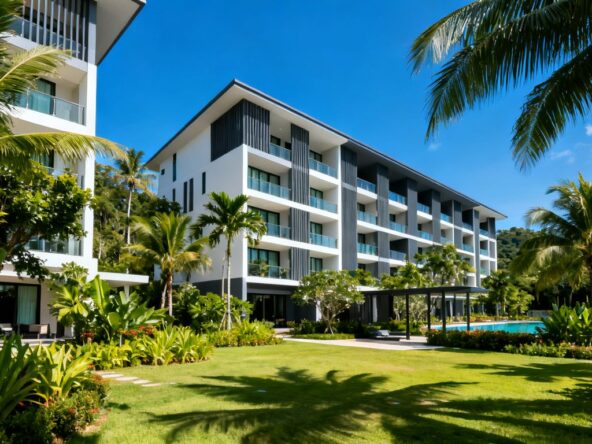
Kata offers a range of property types suitable for investment, each with its own appeal and potential returns. Condos are a popular choice, particularly those with sea views or close proximity to the beach. Villas, especially those with private pools, attract families and larger groups, commanding higher rental rates. Land for sale in Thalang also presents a significant opportunity for development, allowing investors to create bespoke properties tailored to the market’s demands.
Market Trends
Phuket’s real estate market is influenced by tourism trends, infrastructure developments, and economic factors. Keeping an eye on these trends is essential for making informed investment decisions. The rise of digital nomads and remote workers has increased demand for longer-term rentals, while the return of international tourists is boosting short-term rental occupancy rates. Monitoring these shifts helps investors adapt their strategies and maximise returns. Staying informed about Phuket’s real estate and tourism trends is critical to making informed investment decisions. Factors such as new infrastructure projects, shifts in tourist demographics, and emerging neighbourhoods can affect yields.
Potential for Capital Appreciation
Kata has strong potential for capital appreciation due to its popularity as a tourist destination and its limited land availability. Property values in prime locations tend to increase over time, offering investors the opportunity to realise significant gains when they eventually sell. Infrastructure improvements, such as new roads and amenities, can also drive up property values. Investing in emerging areas where infrastructure projects are planned can lead to significant capital appreciation and increased rental values over time. Look for places with new transport links or planned commercial developments.
Investing in Kata’s property market requires careful consideration of various factors, including location, property type, and market trends. By conducting thorough research and seeking professional advice, investors can identify opportunities with strong potential for both rental income and capital appreciation.
Challenges in Airbnb Investment
Airbnb investment in Kata, while promising, isn’t without its hurdles. It’s important to be aware of these challenges to make informed decisions and manage expectations.
Property Management Costs
One of the biggest drains on your potential profits is property management. If you’re not living in Kata full-time, you’ll likely need someone to handle the day-to-day tasks. This includes cleaning, guest check-in/check-out, maintenance, and dealing with any guest issues. These costs can quickly add up, significantly impacting your net rental yield. It’s a good idea to get quotes from several property management companies before committing. You might find that the cheapest option isn’t always the best, especially if it means sacrificing quality or responsiveness. Hidden costs in cheap property management can eat into your profits.
Regulatory Considerations
Thailand’s laws regarding short-term rentals can be a bit of a grey area. While Airbnb is popular, it’s not fully legal everywhere. Regulations can change, and it’s important to stay up-to-date on the latest rules. Foreign ownership laws also add another layer of complexity. While foreigners can own condos outright, owning villas often requires a different legal structure. It’s essential to seek legal advice to ensure you’re complying with all regulations. Not doing so could lead to fines or other legal problems.
Market Volatility
The tourism market is subject to fluctuations. High season demand is great, but what happens during the low season? Global events, like pandemics or economic downturns, can also have a significant impact on tourism and, consequently, your rental income. Keeping track of tourism trends is crucial for understanding rental yield dynamics.
It’s important to have a financial buffer to cover expenses during periods of low occupancy. Diversifying your investment portfolio can also help mitigate risk. Don’t put all your eggs in one basket, as they say.
Here are some factors that can affect market volatility:
- Changes in tourism trends
- Global economic conditions
- Political instability
- Natural disasters
Comparative Analysis of Property Types
Condos vs. Villas
When it comes to Airbnb investments in Kata, the debate between condos and villas is a big one. Condos generally offer a lower entry point, making them accessible to a wider range of investors. They often come with management services included, which can be a real plus if you’re not local. Villas, on the other hand, tend to command higher rental rates, especially if they boast features like private pools and sea views. However, they also come with increased maintenance responsibilities and costs. The choice really boils down to your budget, risk appetite, and how hands-on you want to be with property management.
Luxury Properties
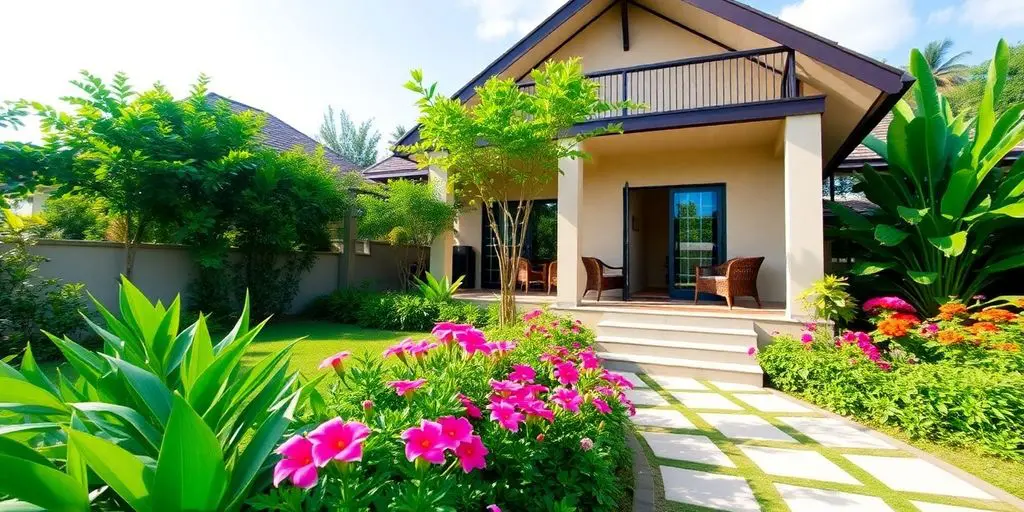
Luxury properties in Kata, such as this villa, represent the high end of the Airbnb market. These properties often attract discerning travellers willing to pay a premium for top-notch amenities and services. Think infinity pools, private chefs, and stunning locations. While the initial investment is significantly higher, the potential for high rental yields is also there. However, it’s important to factor in the higher running costs and the need for exceptional property management to maintain the property’s appeal.
Long-Term Rentals vs. Short-Term Rentals
Deciding between long-term and short-term rentals is another key consideration. Short-term rentals, like those on Airbnb, offer the potential for higher income, especially during peak tourist seasons. However, they also require more active management, including marketing, guest communication, and cleaning. Long-term rentals provide a more stable income stream with less day-to-day involvement. The downside is that the rental yields are typically lower. It’s worth considering your lifestyle and investment goals when making this decision. You might even want to look into property management to help you decide.
It’s important to remember that the best approach depends on your individual circumstances and investment strategy. There’s no one-size-fits-all answer, so do your research and consider your options carefully.
Maximising Returns on Investment
Strategies for Increasing Yields
Okay, so you’ve got your place in Kata, and now you want to make some serious money from it. Makes sense! It’s not just about listing it on Airbnb and hoping for the best. You need a plan. The key is to think like a business owner, not just a homeowner.
Here’s a few things I’ve learned:
- Location is still king. A luxury 4-bedroom villa near the beach will always command higher rates. It’s just a fact. People are on holiday, they want convenience.
- Presentation matters. A fresh coat of paint, some new furniture, and decent photos can make a huge difference. Think about what you’d want if you were booking a place.
- Don’t be afraid to experiment with pricing. Use dynamic pricing tools to adjust your rates based on demand. Weekends, holidays, and high season? Crank those prices up!
I once had a friend who was struggling to get bookings. He spent a weekend decluttering, bought some new bedding, and took some professional photos. Bookings went through the roof. It’s amazing what a little effort can do.
Importance of Location
Let’s drill down on location a bit more. It’s not just about being near the beach; it’s about being in the right part of Kata. Are you close to the main road? Are there restaurants and shops within walking distance? Is it a quiet area, or is it noisy at night?
Consider these factors:
- Proximity to amenities: The closer you are to shops, restaurants, and transport, the better.
- Beach access: Obvious, but worth repeating. Direct beach access is a huge selling point.
- Noise levels: Nobody wants to be kept awake all night by traffic or loud music.
Enhancing Property Appeal
Right, so you’ve got the location sorted. Now, how do you make your property stand out from the crowd? It’s all about creating an experience that people will remember (and hopefully, leave a good review about!).
Here are some ideas:
- Offer unique amenities: A private pool, a BBQ area, or even just a well-stocked library can make a difference.
- Provide excellent customer service: Be responsive to inquiries, and go the extra mile to help your guests. A small welcome gift can go a long way.
- Keep the place clean and well-maintained: This should be a no-brainer, but you’d be surprised how many people neglect this. Regular property management is key.
| Feature | Impact on Rental Yield | Notes the.content is: string, the.heading is: string. I will now generate the content for the h2
Legal Considerations for Investors
Ownership Laws in Thailand
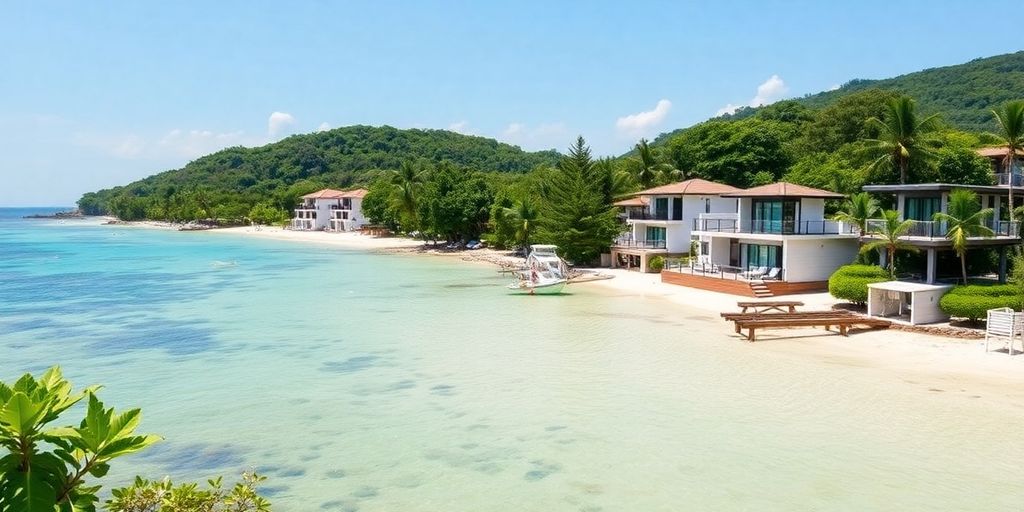
Understanding Thai property law is really important before you even think about investing. Foreigners can’t directly own land outright, but there are a few common ways around this. One way is through a long-term leasehold, usually for 30 years, with the option to renew. Another is to purchase a condo in your own name, as foreigners can own up to 49% of the units in a condominium building. Setting up a Thai company is another option, but it comes with its own set of rules and regulations. It’s a good idea to get proper legal advice to make sure you’re doing everything by the book. You should also be aware of Thailand Property Ownership rules.
Short-Term Rental Regulations
Short-term rentals, like those through Airbnb, are a bit of a grey area in Thailand. Officially, they’re often considered illegal without the proper licences, especially if the property is in a condominium. This is because Thai law often restricts daily or weekly rentals in certain zones to protect the hotel industry. However, enforcement can vary, and many people still operate short-term rentals. It’s worth checking the specific regulations in Kata, as local rules can differ. Ignorance isn’t an excuse, and you could face fines or legal action if you’re caught breaking the rules.
Navigating Local Policies
Dealing with local authorities and policies can be tricky. Here are a few things to keep in mind:
- Building Permits: If you’re planning any renovations or construction, make sure you have the necessary permits.
- Local Taxes: Be aware of any local taxes that apply to rental income or property ownership.
- Community Rules: If your property is in a managed estate or condominium, there will likely be community rules that you need to follow. These can cover things like noise levels, parking, and pet ownership.
It’s always a good idea to build relationships with local officials and community leaders. This can help you stay informed about any changes in regulations and resolve any issues that may arise. Plus, being a good neighbour can go a long way in avoiding problems.
When investing, it’s important to know the legal rules that apply. These rules can help protect your money and ensure you make smart choices. Always check the laws in the area where you want to invest, as they can be different. If you want to learn more about the legal side of investing, visit our website for helpful tips and advice!
Final Thoughts on Rental Yields in Kata
In summary, investing in Airbnb properties in Kata can be quite rewarding, with rental yields generally falling between 5% and 8%. However, it’s important to keep an eye on various factors that can influence these returns. Things like tourism trends, property type, and location play a big role in how much you can earn. If you’re considering diving into this market, make sure to do your homework and stay updated on local regulations and market conditions. With the right approach, you could see a solid return on your investment.