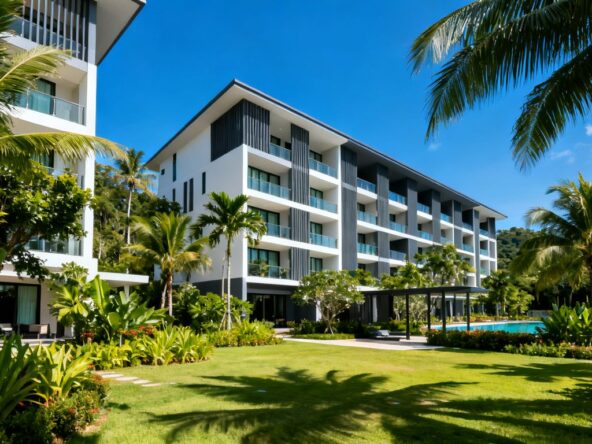

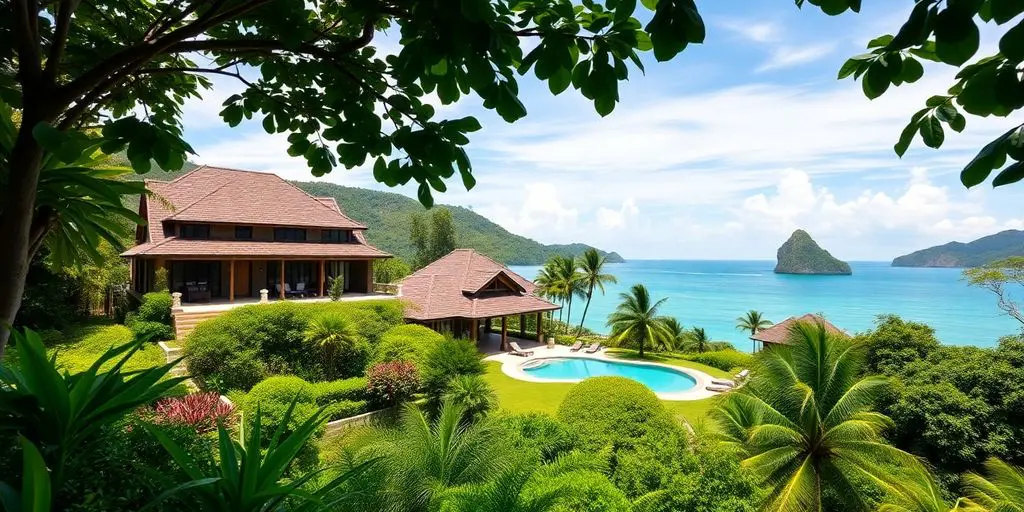
Watch This Episode: Our Phuket Real Estate Podcast
Our podcast covers all the topics for property investors looking at buying real estate in Thailand.
Thinking about diving into the real estate scene in Thailand? It’s a pretty exciting place to invest, especially with all the touristy spots and beautiful beaches. But, like any investment, it comes with its own set of rules and quirks. From understanding ownership laws to spotting the next big rental hotspot, there’s a lot to consider. Whether you’re eyeing a beachfront villa or a city condo, knowing the ins and outs of the market can make all the difference.
Key Takeaways
- Thailand’s real estate market is booming, thanks to its strong tourism and growing economy.
- Investors can choose between high rental yields in tourist areas or potential appreciation in urban locations.
- Foreign investors need to be aware of legal restrictions but can still find ways to invest effectively.
- Beachfront and luxury properties offer not just stunning views but also promising returns.
- Understanding the local market trends and economic factors can aid in making informed investment decisions.
Understanding the Real Estate Market in Thailand
Current Market Trends
Thailand’s real estate market has been consistently growing, with specific areas like Phuket and Pattaya outperforming the national average. Phuket, especially regions like Bang Tao, has seen a surge in property prices per square metre due to the increasing demand for luxury villas and beachfront properties. This trend is mirrored in Pattaya, particularly in Jomtien, which has attracted both local and international investors. The market offers a broad spectrum of properties, from affordable studios to ultra-luxury residences, catering to diverse investment preferences and budgets.
- Phuket and Pattaya are leading the growth in property values.
- Demand for luxury villas and beachfront properties is high.
- A wide range of properties from budget to luxury are available.
Investing in Thai real estate offers a mix of leisure and financial growth, making it an attractive option for both seasoned investors and newcomers.
Key Investment Areas
When considering where to invest, it’s essential to focus on areas with a high potential for return. Phuket is a standout choice for those looking to Buy Villas In Phuket due to its booming tourism industry and rising property values. Similarly, Pattaya and Bangkok offer great opportunities, albeit with different dynamics. Pattaya is known for its vibrant lifestyle and appealing investment prospects, while Bangkok, despite facing challenges, remains a hub for business and luxury living.
- Phuket: Ideal for luxury and beachfront properties.
- Pattaya: Offers a mix of affordable and high-end investments.
- Bangkok: Despite economic challenges, remains a key area for investment.
Legal Considerations for Foreign Investors
Foreign investors must navigate several legal aspects when buying property in Thailand. Understanding the Foreign Quota for freehold ownership is crucial, as is compliance with leasehold contract regulations and local laws regarding short-term rentals. Engaging with a local real estate specialist can help ensure compliance and smooth transactions. It’s also wise to consider the potential returns, which generally range from 5% to 10% annually, depending on the type of investment and location.
- Foreign Quota limits freehold ownership.
- Leasehold contracts and short-term rental laws must be understood.
- Consulting with local specialists is recommended for legal compliance.
Exploring Rental Investment Opportunities
High Rental Yields in Tourist Areas
Thailand’s tourism boom means rental properties in tourist hotspots offer impressive returns. Locations like Phuket, Pattaya, and Chiang Mai are particularly attractive, drawing in millions of tourists annually. Investors can expect rental yields ranging from 7% to 9%, thanks to the high demand for short-term accommodations. Consider areas with a steady influx of tourists year-round to maximise your investment potential.
Long-term vs Short-term Rentals
Choosing between long-term and short-term rentals depends on your investment goals. Long-term rentals provide stable income and less turnover, which means fewer headaches with tenant changes. On the other hand, short-term rentals, especially in tourist areas, can yield higher returns but require more management. Think about your availability and willingness to manage the property or hire a property manager.
Guaranteed Rental Programmes
Guaranteed rental programmes are appealing for investors looking for steady income without the hassle of managing tenants. Developers often offer these schemes, promising fixed returns for a set period, usually between 5 to 10 years. This option is ideal if you prefer a hands-off approach. For instance, SCOPE Langsuan offers such programmes, providing peace of mind and a reliable income stream.
Investing in Off-Plan Properties
Benefits of Off-Plan Investments
Investing in off-plan properties—those that are still under construction or even just in the planning stages—can be a smart move for those looking to get in early. One of the biggest perks is the price advantage. Buyers often snag these properties at a lower cost compared to fully developed ones. This "pre-sales" price can mean savings of 20-30% below the market value, which is a substantial benefit. Plus, the payment plans are usually flexible, allowing you to pay in instalments as the construction progresses. This makes managing your finances a bit easier.
Risks and Considerations
However, it’s not all sunshine and rainbows. Investing in off-plan properties comes with its own set of risks. There’s always the chance that the project might get delayed or, worse, not get completed at all. It’s crucial to do your homework and ensure the developer has a solid track record. Consider the location too. While some areas might promise high returns, others might not see the value appreciation you expect. Always weigh the potential gains against the risks.
Popular Off-Plan Projects
Thailand is buzzing with off-plan projects that are catching investors’ eyes. From chic condos in bustling Bangkok to serene beachfront developments in Phuket, there’s something for everyone. Take, for instance, the 4 Rai land for sale in Thalang, Phuket. It’s a prime spot for those looking to develop near an international school, making it a promising location for investment. These projects often come with modern amenities and are situated in areas poised for growth, ensuring they remain attractive to both local and international buyers.
Off-plan properties can be a gateway to significant profits if you play your cards right. But remember, it’s essential to balance optimism with caution. Keep an eye on market trends and always be prepared for the unexpected.
The Appeal of Beachfront and Luxury Properties
Top Beachfront Locations
Beachfront properties in Thailand are like gold dust. They offer not just a home but a lifestyle. Phuket, with its stunning beaches, is a top choice for those looking to buy luxury villas in Phuket. Areas like Bang Tao and Kamala are particularly popular, boasting beautiful sea views and easy access to the beach. Another hotspot is Koh Samui, especially around Plai Laem Soi 7 in Bo Put, where investment opportunities start at THB 14,800,000 and offer both freehold and leasehold options. These locations are perfect for those seeking a blend of natural beauty and investment potential.
Luxury Villas and Condominiums
When it comes to luxury, Thailand doesn’t disappoint. The market is brimming with high-end villas and condos, each offering something unique. From infinity pools to private beach access, these properties are designed to impress. Many investors are drawn to the luxurious lifestyle and the potential for high returns. In Phuket, for example, the demand for luxury villas is on the rise, making it an attractive option for those looking to invest in high-end real estate.
Investment Returns on High-End Properties
Investing in luxury properties can be a lucrative venture. The key is to focus on locations with high demand and limited supply. Properties in Phuket and Koh Samui often see a steady appreciation in value due to their prime locations and desirable features. Moreover, the rental market for luxury properties is robust, with many tourists willing to pay a premium for a slice of paradise. By choosing the right property, investors can enjoy both capital appreciation and rental income, making it a win-win scenario.
Investing in luxury real estate in Thailand is not just about owning a piece of paradise; it’s about securing a profitable future. With the right property, you can enjoy both a luxurious lifestyle and a solid return on investment.
Understanding Ownership Structures in Thailand
When it comes to owning real estate in Thailand, understanding the different ownership structures is key, especially for foreigners. The three main types of ownership structures available are freehold, leasehold, and fractional ownership. Each offers unique benefits and limitations, particularly in terms of security, legal rights, and long-term investment potential.
Freehold vs Leasehold
Freehold ownership is the most secure form of property ownership in Thailand, allowing foreign nationals to own a condominium outright. This is made possible under the Condominium Act, which permits foreigners to own up to 49% of a condominium building’s total area. For those who manage to secure a freehold title, this means complete ownership with no expiration date, offering peace of mind in terms of inheritance and legal protection.
On the other hand, leasehold ownership allows foreigners to lease property for up to 30 years, with the possibility of renewing the lease twice. Leasehold contracts are registered with the Land Department, providing a level of security and legal recognition. Leasehold is often more cost-effective than freehold, with lower registration fees, making it an attractive option for those unable to purchase property outright.
Leasehold ownership is a practical solution for foreigners looking to invest in Thai real estate without the ability to own land directly. It offers a balance between security and affordability.
Fractional Ownership Explained
Fractional ownership presents a different investment model, where you own a fraction of a property rather than the whole. This is typically managed by a hotel or property management company. While you do not have a registered title at the Land Department, you receive returns based on your share of the property. This structure is appealing for those seeking a lower entry cost and the potential for long-term gains.
Legal Requirements for Foreigners
Foreigners face restrictions when it comes to owning land in Thailand. They cannot own land directly in their name, which makes understanding these Thai laws crucial. However, they can purchase condominiums under freehold terms or lease land and properties. It’s important for foreign investors to be aware of these legal nuances to ensure compliance and secure their investments.
Navigating the legal landscape can be complex, so it’s advisable to seek legal assistance when purchasing property in Thailand. Understanding these ownership structures and their implications can help you make informed decisions and potentially reap significant benefits from your investment.
The Role of Tourism in Real Estate Investment

Impact of Tourism on Property Demand
Tourism in Thailand is like a never-ending party. Millions of tourists flock here every year, and this constant influx of visitors keeps the demand for rental properties high. This demand is a goldmine for real estate investors. Tourists need places to stay, and properties in popular tourist destinations often see high occupancy rates. This demand isn’t just seasonal; it’s a year-round phenomenon, especially in hotspots like Phuket and Bangkok.
Tourism Hotspots for Investment
When it comes to investment in Thailand, not all areas are created equal. Some places are just buzzing with potential. Think about cities like Bangkok, with its vibrant city life, or the serene beaches of Phuket. These areas are consistently ranked as top tourist destinations. Investing in these hotspots can lead to impressive returns, thanks to the steady stream of tourists. Plus, there’s always something happening, from festivals to international events, which keeps the tourist numbers up.
Partnerships with International Hotel Groups
Teaming up with international hotel groups can be a smart move. These partnerships often come with guaranteed rental returns, which means less risk for you. Brands like Wyndham and Accor have a presence in Thailand, offering investors a chance to benefit from their established reputations and marketing reach. Such collaborations can provide a steady income stream, making them an attractive option for those looking to invest in Thailand’s thriving tourism-driven real estate market.
Investing in Thai real estate isn’t just about owning property; it’s about tapping into a booming tourism industry. With the right location and partnerships, the potential for returns is significant, making it a worthwhile consideration for any investor.
Economic Factors Influencing Real Estate in Thailand
Thailand’s Economic Stability
Thailand enjoys a pretty stable economic environment, which is a big plus for real estate investors. The country’s GDP has been on a steady rise, supported by strong exports and a booming tourism sector. This economic resilience makes Thailand an attractive spot for property investments. The consistent economic growth provides a solid foundation for real estate value appreciation. Investors often see Thailand as a safe haven for their money, especially when compared to more volatile markets.
Currency Exchange Considerations
When investing in Thai real estate, currency exchange rates can play a significant role. The Thai Baht can fluctuate against major currencies like the USD or Euro, impacting the overall cost and returns of property investments. It’s crucial for investors to keep an eye on these exchange rates. Sometimes, a favourable exchange rate can make a property purchase more affordable, while at other times, it might add unexpected costs.
Government Policies on Foreign Investment
Thailand’s government has implemented several policies to attract foreign investment in real estate. These include incentives and regulations that make it easier for foreigners to own property. However, there are still some restrictions, particularly on land ownership. Foreign investors often opt for long-term leases or invest in condominiums, where ownership rules are more lenient. Understanding these policies is key to a successful investment.
Thailand’s projected growth in the economy is expected to boost housing demand next year, driven by increased government spending due to a higher 2025 budget, rising private consumption, and potential interest rate cuts projected growth in the economy.
Visa and Residency Benefits for Property Investors
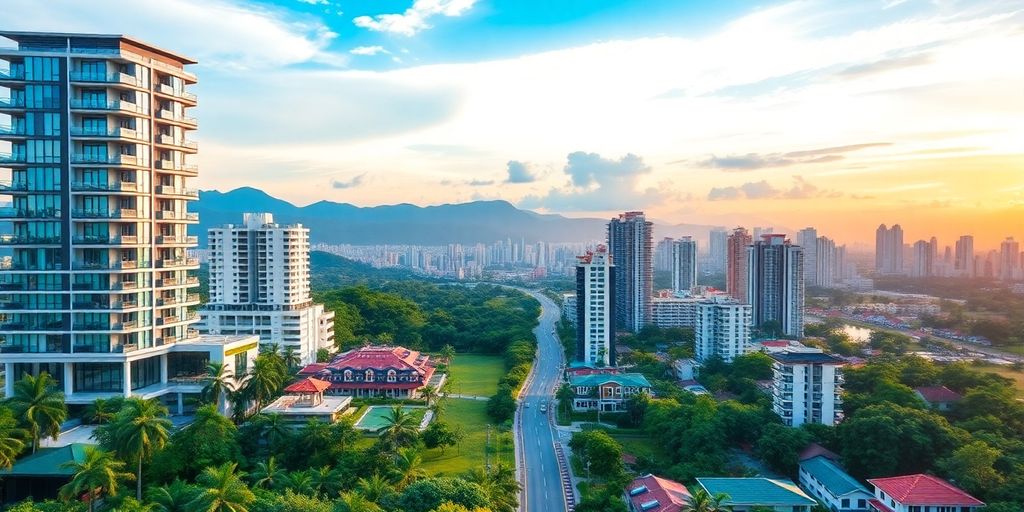
Types of Visas Available
When investing in property in Thailand, there’s more than just owning a piece of paradise. You might also unlock visa benefits. The Thailand Privilege Long Term Visa, previously known as the Elite Visa, offers multiple tiers. You can choose from a 5-year to a 20-year visa, depending on your needs. Each tier comes with its perks, like VIP treatment at airports and fast-tracked immigration. It’s a great option if you plan to spend a lot of time in Thailand.
Residency Options Through Investment
Some high-end property projects in Thailand offer residency perks. By investing a minimum amount in these properties, you can qualify for visa benefits. This means you not only get a home but also a long-term stay in Thailand. It’s a smart move for those wanting both a solid investment and a chance to live in the country.
Legal Advice and Assistance
Navigating the legal side of visas and property investment can be tricky. But don’t worry, there are experts who can help. Many firms offer services to guide you through the process, making sure everything runs smoothly. They can assist with paperwork, legal requirements, and even help you choose the right property. Having professional advice can save you time and prevent headaches.
Investing in Thailand not only offers a chance to own a beautiful property but also provides a pathway to enjoy the country’s lifestyle long-term. With the right investment, you can have both a valuable asset and the benefits of residency.
Sustainable and Green Property Investments
Eco-Friendly Developments
In recent years, Thailand has seen a surge in eco-friendly property developments. Developers are increasingly incorporating green technology and sustainable practises into their projects. This includes solar panels, rainwater harvesting systems, and energy-efficient appliances. These features not only reduce the carbon footprint but also appeal to environmentally conscious buyers. Investing in such properties not only benefits the planet but can also enhance the property’s value over time.
Benefits of Green Investments
Green investments in real estate come with numerous benefits. Firstly, eco-friendly homes often have lower utility bills due to reduced energy consumption. Secondly, such properties can attract a higher resale value as demand for sustainable living spaces increases. Additionally, investing in green properties can provide a sense of contributing positively to environmental conservation.
- Reduced Energy Costs: Green buildings are designed to be energy-efficient, which means lower electricity and water bills.
- Increased Property Value: As more buyers seek sustainable homes, the value of green properties is likely to rise.
- Positive Environmental Impact: Investing in eco-friendly properties supports global efforts to combat climate change.
Future Trends in Sustainable Real Estate
The future of real estate in Thailand is leaning heavily towards sustainability. Developers are expected to continue innovating, with a focus on creating smart, eco-friendly homes. This includes the integration of smart home technologies that monitor and manage energy use efficiently. Moreover, the trend of urban green spaces is likely to grow, with more developments including parks, green roofs, and community gardens.
As the world shifts towards sustainability, real estate investors in Thailand have a unique opportunity to be at the forefront of this movement. Embracing green property investments not only aligns with global trends but also opens doors to new market opportunities.
Financing Options for Real Estate Investments
Local and International Financing Solutions
When you’re thinking about investing in Thailand’s property market, having the right financing option is a big deal. In Thailand, you can find both local and international banks offering various mortgage solutions. Local banks often provide loans specifically tailored to foreign investors, but these can come with higher interest rates compared to what locals might get. Meanwhile, international banks might offer more competitive rates, but they usually require more documentation and proof of income.
Understanding Mortgage Rates
Mortgage rates in Thailand can be a bit tricky. They tend to fluctuate based on the economy and other factors. It’s crucial to compare rates from different lenders to ensure you’re getting the best deal. Some banks offer fixed rates for a certain period, switching to variable rates later. Others might provide a hybrid option. Always keep an eye on the housing loan growth in the banking sector, as it can indicate trends in mortgage rates.
Financial Planning for Property Investment
Before jumping into any real estate investment, solid financial planning is essential. Start by calculating your budget, including all potential costs like taxes, maintenance, and unexpected expenses. Create a financial buffer to cover these costs, especially if your property remains vacant for a while. It’s also wise to consult with a financial advisor who understands the Thai property market and can guide you through the process.
Investing in real estate is not just about buying a property; it’s about ensuring that your investment is sustainable and profitable in the long run. Always plan for the unexpected and stay informed about the market trends.
Navigating the Buying Process in Thailand
Steps to Purchase Property
Buying property in Thailand can be a thrilling experience, but it’s not without its challenges. Understanding the steps involved can save you a lot of headaches. Here’s a quick rundown:
- Research: Start by researching the type of property you want, whether it’s a villa, townhouse, or condominium.
- Budgeting: Set a realistic budget, considering additional costs like taxes and legal fees.
- Legal Advice: Engage a local lawyer to help with contracts and ensure everything is above board.
- Site Visits: Visit potential properties to get a feel for the area and the property itself.
- Offer and Negotiation: Make an offer and be prepared to negotiate terms.
- Contracts: Once terms are agreed, sign the contracts and make the necessary payments.
Working with Real Estate Agents
A good real estate agent can make a world of difference. They know the market, have insider knowledge, and can guide you through the process. Here’s what to look for:
- Experience: Choose agents who have a track record in the area you’re interested in.
- Communication: They should be easy to contact and willing to answer all your questions.
- Reputation: Check reviews or ask for references to ensure they’re trustworthy.
Legal and Financial Due Diligence
Before you sign anything, you need to do your homework. This is where legal and financial due diligence comes in:
- Title Search: Verify the property’s title to ensure it’s free of liens or disputes.
- Foreign Quota Check: If buying a condo, ensure it falls within the foreign ownership quota.
- Payment Methods: Understand the best way to transfer funds, often through a Foreign Exchange Certificate.
Taking the time to understand the buying process in Thailand can make your property purchase smooth and stress-free. With the right preparation and professional help, you can find the perfect spot to call home or invest in.
If you’re looking to buy property in Thailand, understanding the buying process is essential. Our website offers a wealth of resources to help you navigate this journey smoothly. Visit us today to find your dream home in beautiful locations like Phuket and Samui!
Conclusion
So, there you have it. Investing in real estate in Thailand is like finding a hidden gem. With its booming tourism, friendly policies for foreigners, and a stable economy, it’s no wonder people are flocking to buy property here. Whether you’re after a rental investment with solid returns or a dreamy holiday home, Thailand’s got something for everyone. Just remember, like any investment, it’s important to do your homework and maybe chat with a local expert. But once you’re in, you might just find that owning a piece of the Land of Smiles is as rewarding as it sounds. Cheers to new adventures and smart investments!