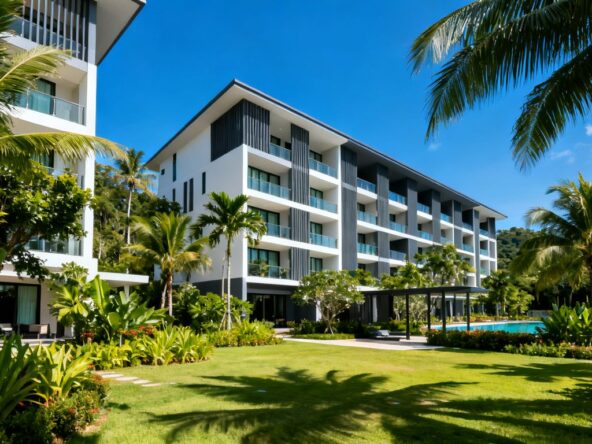


Thailand’s real estate sector is undergoing significant transformations to meet the demands of an ageing population and evolving market dynamics. With occupancy rates in nursing homes and residences exceeding 70%, particularly in urban areas, the need for specialised housing solutions for the elderly is becoming increasingly urgent. Developers are urged to consider financial tools like long-term leases to enhance accessibility and improve the quality of life for older citizens.
Key Takeaways
- Thailand’s real estate market is adapting to an ageing population.
- Occupancy rates in elderly care facilities are high, especially in major cities.
- Developers are encouraged to offer financial tools to improve access for the elderly.
- The commercial real estate sector is expected to show resilience in 2024.
- Significant growth in tourism and manufacturing is driving demand for prime real estate.
The Rise Of Elderly Housing
As Thailand transitions into an aged society, the demand for appropriate housing for the elderly is on the rise. Both state-owned and private nursing homes are experiencing high occupancy rates, particularly in economic hubs like Bangkok, Chonburi, Nakhon Ratchasima, and Chiang Mai. The rental prices for these facilities vary significantly, with state-owned options ranging from 10,000 to 20,000 baht, while private residences can cost between 30,001 and 50,000 baht.
The Real Estate Information Centre (REIC) has highlighted the necessity for property developers to adapt their offerings to meet the diverse needs of the elderly population. This includes not only the construction of new facilities but also the implementation of financial tools that can facilitate long-term leases, making it easier for older individuals to secure suitable housing.
Resilience In The Commercial Sector
Despite global economic uncertainties, Thailand’s commercial real estate market is projected to remain resilient in 2024. The recovery of the tourism sector, alongside growth in manufacturing, is expected to bolster demand for prime real estate. According to JLL, a leading global real estate firm, the market has already shown promising signs, with a 66% increase in investment in targeted manufacturing industries and a 152% rise in tourist arrivals compared to the previous year.
Key Growth Drivers
Several factors are anticipated to drive growth in Thailand’s real estate market over the next year:
- Mega Project Era: Major mixed-use developments are set to transform Bangkok’s real estate landscape, introducing over 900,000 sqm of Grade A office space and numerous luxury residential units by 2028.
- Aging Buildings: With a significant portion of office space in Bangkok being over 20 years old, there is a pressing need for renovations to maintain competitiveness in the market.
- ESG Integration: Environmental, Social, and Governance (ESG) standards are becoming essential, with a growing demand for green buildings that can command higher rental prices.
- Foreign Investment Landscape: Efforts to attract foreign investment are crucial, with a notable percentage of office space occupied by multinational corporations and a growing interest in the hospitality sector.
Conclusion
Thailand’s real estate sector is at a pivotal moment, adapting to the challenges posed by an ageing population while simultaneously capitalising on the recovery of its commercial market. The focus on developing suitable housing for the elderly, alongside strategic investments in infrastructure and sustainability, positions Thailand as a key player in the Asia Pacific real estate landscape. As the market evolves, stakeholders must remain agile to meet the changing demands and seize emerging opportunities.
Sources
- Need for homes for elderly rises as Thailand becomes aged society, Nation Thailand.
- Thailand real estate to show ongoing resiliency in 2024: JLL | RE Talk Asia, RE Talk Asia.