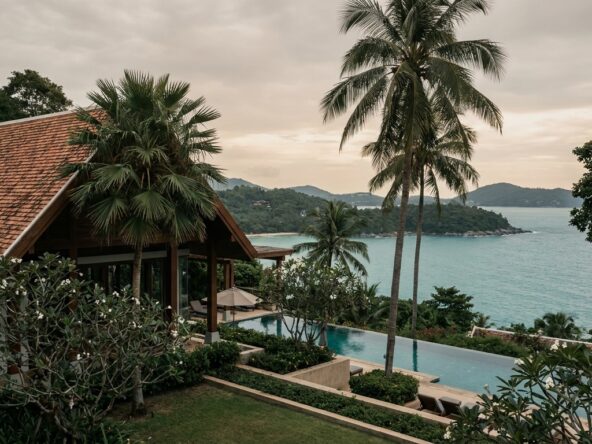


Thailand is making a formal play for digital nomads while domestic staycation demand grows. The shift could matter for rental strategies, especially in Phuket where long-term and short-term demand often compete.
According to TTR Weekly, Thailand is actively targeting digital nomads as part of its broader tourism and visa strategy. The publication also reports that Traveloka has mapped a staycation boom across Thailand, suggesting domestic travel patterns are changing in ways that could affect how rental properties are marketed and priced.
Why the digital nomad push matters
Digital nomads typically stay longer than tourists but shorter than traditional expats. They need reliable internet, flexible lease terms and access to coworking spaces or cafes. They also tend to favour lifestyle-led destinations such as Phuket, Chiang Mai and islands in the south.
If Thailand succeeds in attracting more of this group, rental demand in Phuket could shift towards properties that offer mid-term flexibility, strong connectivity and proximity to community hubs rather than purely beachfront leisure appeal.
The detail worth watching is whether visa policy follows the intent. Thailand has previously discussed long-term visa options for remote workers, but clarity on duration, eligibility and visa conditions will determine whether the policy actually changes rental behaviour.
The staycation trend and what it signals
Traveloka’s data on Thailand’s staycation boom points to growing domestic leisure travel. Thai residents are travelling more within the country, often for short breaks outside major holidays.
For Phuket property owners, this matters because domestic demand can smooth seasonal gaps when international arrivals slow. It also suggests rental strategies may need to account for weekend bookings, public holiday peaks and Thai buyers looking for second homes they can use and rent flexibly.
Domestic travellers typically book differently than foreigners. They favour platforms such as Traveloka and Agoda, prefer Thai-language communication and may prioritise family-friendly amenities over luxury branding.
What remains unclear
The TTR Weekly report does not specify which visa changes are confirmed, what digital nomad numbers Thailand is targeting or how the staycation trend compares to international visitor volumes. Without this detail, the practical impact on Phuket rental demand remains uncertain.
What is clear is that Thailand is thinking about longer stays and domestic demand as structural parts of its tourism recovery, not just short-term tactics.
How this connects to Phuket property
Phuket has historically relied on international tourists for short-term rental income. If digital nomads and domestic staycations become more significant, rental properties may need to offer flexibility that sits between hotel-style nightly bookings and annual leases.
Properties with strong internet infrastructure, functional workspaces, kitchen facilities and proximity to cafes or coworking areas could become more attractive. Owners may also need to consider pricing models that accommodate one-month to three-month stays without sacrificing short-term flexibility during high season.
For buyers evaluating rental yield, the question becomes whether Phuket can capture a meaningful share of Thailand’s digital nomad inflow and whether domestic demand proves stable enough to justify targeting Thai residents as a core rental segment.
Frequently Asked Questions
What is a digital nomad in the context of Thailand tourism?
A digital nomad is someone who works remotely while travelling, typically staying in a destination for weeks or months rather than days. Thailand is targeting this group as part of its effort to attract longer-staying visitors who spend more over time.
Could this affect Phuket rental demand?
Possibly. If digital nomads choose Phuket and stay for one to three months, demand for mid-term rentals may increase. This could create competition for properties currently marketed purely as short-term holiday rentals, especially if visa policy supports longer stays.
What does the staycation boom mean for property owners?
Growing domestic travel suggests Thai residents are booking more short breaks within Thailand. For Phuket rental properties, this could mean more weekend and public holiday bookings from Thai families, which may require different pricing, communication and platform strategies than international guests.
Is any visa policy confirmed?
The TTR Weekly report indicates Thailand is making a play for digital nomads but does not specify which visa changes are confirmed or when they take effect. Buyers and rental property owners should watch for official announcements from Thai immigration authorities.
What should Phuket property buyers consider?
Buyers planning to rent should consider whether their property can appeal to longer-staying guests who need strong internet, workspace and flexible lease terms. They should also assess whether domestic demand could provide rental income during periods when international arrivals are lower.
Sources
- TTR Weekly — Middle East destinations coverage — link