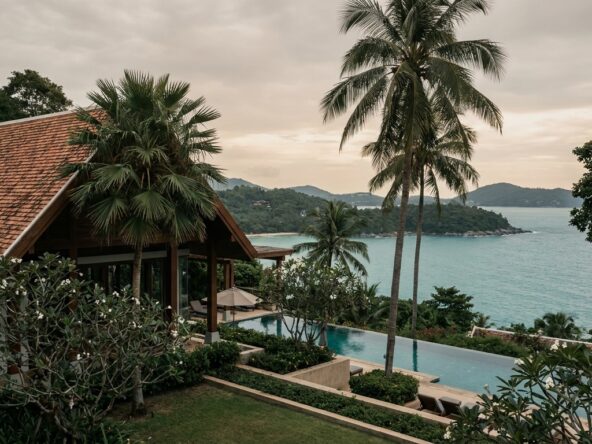


For foreign buyers considering Phuket property, the question is not only about villas, beaches and rental yields. It is also about time. How long can you stay? How easily can you return? How does visa policy affect your ability to use, manage or enjoy the property you buy?
Thailand’s Cabinet has approved new visa measures that will replace the 60-day visa exemption introduced in July 2024 with a 30-day exemption for most eligible nations. The measures are pending publication in the Royal Gazette and will take effect 15 days after that publication. Until then, current entry rules remain in place.
The Tourism Authority of Thailand announced the update on 16 July 2026, explaining that the change is intended to align entry policy with current conditions, improve screening, reduce overlapping entry categories, and ensure visa privileges are used for their intended purpose.
What is changing
The new measures will assign each country or territory to one entry category: 30-day visa exemption, 15-day visa exemption, or Visa on Arrival. In total, 65 countries and territories will be covered.
Of these, 59 countries and territories will be eligible for the 30-day visa exemption. This includes India, Croatia, Bulgaria, Cyprus, Malta, and the Maldives. The update aligns visa exemption treatment across all 27 European Union member states, which the TAT states supports international relations, discussions on Schengen visa exemption for Thai nationals, and related economic agreements.
India’s eligibility will shift from Visa on Arrival to 30-day visa exemption, reflecting its importance in terms of economy, trade, investment and international relations. The TAT also noted that Indian visitors stay an average of 7.17 days per trip.
Mauritius and Seychelles will be eligible for a 15-day visa exemption. Azerbaijan, Belarus, and Serbia will receive Visa on Arrival status.
The announcement emphasises a principle of one country or territory, one entry category, with eligibility determined by economic factors, security assessments, international relations, and reciprocity.
Why this matters for Phuket property buyers
The 60-day visa exemption introduced in 2024 was welcomed by property buyers, rental investors and lifestyle-driven purchasers who wanted more time in Thailand without applying for extensions. It allowed foreign buyers to spend nearly two months in the country per visit, making it easier to inspect properties, oversee renovations, meet agents, manage rental assets, or simply enjoy the property they own.
The shift back to 30 days reduces that window. For buyers who visit Phuket regularly but do not hold a long-term visa, the change means shorter stays per entry or the need to apply for extensions through immigration.
It also raises questions about Thailand’s broader approach to long-stay visitors. The 60-day exemption was seen by some as a signal that Thailand wanted to attract longer-term visitors, remote workers, and lifestyle buyers who spend more per trip. Rolling it back may suggest a policy recalibration focused more on security, screening and compliance than on extended tourism or soft nomad stays.
For property buyers who rely on visa exemptions to visit and manage Phuket assets, the change is worth planning around. It does not prevent property ownership, but it does affect how much time you can spend on the ground without formal visa arrangements.
What remains in place
Separate bilateral and related entry arrangements will continue to apply where relevant, providing visa exemption periods of 90, 30, or 14 days, depending on the applicable agreement or arrangement. These are separate from the new measures and remain unaffected.
Foreign nationals who enter Thailand before the new measures take effect will be permitted to remain for the duration of their existing permitted stay. The TAT advises travellers to check entry conditions applicable to their nationality before travelling.
The update also states that relevant security agencies will enhance the Thailand Digital Arrival Card (TDAC) system to support traveller screening and verification of foreign nationals’ entry and exit records. Efforts will continue to connect relevant agency databases, enabling risk assessment at the point of departure and helping ensure entry privileges are used for their intended purpose.
What remains unclear
The TAT announcement does not specify a publication date for the Royal Gazette. Until publication occurs and the 15-day countdown begins, current entry rules remain in effect. This means the 60-day visa exemption is still valid for now, but the window for using it is uncertain.
The announcement also does not explain whether the change will affect demand for long-term visas, such as the Long-Term Resident (LTR) visa, the Elite visa, or retirement visas. These programmes offer multi-year stays and may become more attractive to buyers and investors who want extended access without repeated border runs or extensions.
There is also no detail on whether the policy shift reflects a temporary recalibration or a longer-term direction. The TAT states the update is intended to align entry policy with current conditions, but does not specify whether those conditions are economic, security-related, or tied to reciprocity discussions with other nations.
Frequently Asked Questions
Does this change affect property ownership in Phuket?
No. Foreign property ownership in Thailand is governed by separate laws, including leasehold arrangements, freehold condominium ownership within the 49% foreign quota, and Thai company structures. Visa rules affect how long you can stay, not whether you can own property.
Can I extend a 30-day visa exemption once in Thailand?
Yes. Visa exemption entries can generally be extended for an additional 30 days at Thai immigration offices, subject to the usual requirements and fees. This allows a total stay of up to 60 days, matching the previous exemption period, but requires an in-country application.
Will this affect rental demand in Phuket?
That remains uncertain. Shorter visa exemptions may discourage some long-stay visitors who prefer the simplicity of a 60-day entry. However, the change does not affect visa holders, retirees, digital nomads on long-term visas, or tourists on shorter trips. The impact on rental demand will depend on visitor mix, seasonality, and how many guests were using the 60-day exemption for extended Phuket stays.
When will the new rules take effect?
The measures will take effect 15 days after publication in the Royal Gazette. The publication date has not been announced. Current entry rules remain in place until then.
Should I plan around this change if I am buying property in Phuket?
If you rely on visa exemptions for repeated visits to inspect, manage or enjoy property, the change is worth considering. You may need to plan for shorter trips, apply for in-country extensions, or explore long-term visa options such as the LTR visa, Elite visa, or retirement visa if you meet the eligibility criteria.
Sources
- TAT Newsroom — Thai Cabinet approves updated visa measures pending Royal Gazette publication — link