

Thinking about getting a place in Thailand? It’s a popular spot for expats, and for good reason. The beaches are great, the food is amazing, and the cost of living can be pretty reasonable. But, like anywhere, there are some rules and bits you need to know before you sign on the dotted line. This guide is here to help you get a handle on the Thai property regulations for expats, so you don’t end up in a muddle.
Key Takeaways
- Foreigners can own condos, but there’s a limit on how many units can be owned by non-Thais in any one building.
- Direct land ownership by foreigners is generally not permitted, though long-term leases are a common alternative.
- Using a Thai company to own land is possible, but it comes with specific legal requirements and responsibilities.
- Always get a qualified Thai lawyer to help with the purchase process, especially for checking title deeds and contracts.
- Be aware of all the associated fees and taxes involved in buying property, not just the purchase price.
Understanding Foreign Ownership Restrictions
When you’re looking to buy property in Thailand as an expat, you’ll quickly find out there are some specific rules about who can own what. It’s not quite as straightforward as buying a house back home, especially when it comes to owning land directly. The Thai government has put laws in place to manage foreign ownership, and it’s really important to get your head around these before you get too far into the process.
Condominium Ownership Limits
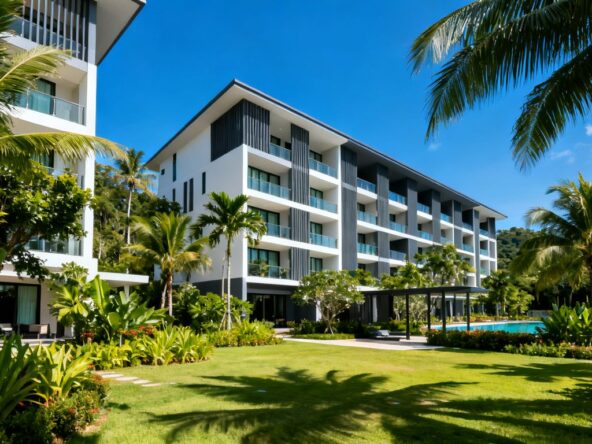
Good news for condo buyers! Foreigners are allowed to own condominiums outright, but there’s a catch. The law states that no more than 49% of the total saleable area in any single condominium building can be owned by foreign nationals. This means that if a condo project is nearly full with foreign owners, you might not be able to buy there, even if you have the cash. To make the purchase official, the funds for your share must be transferred from overseas into Thailand in foreign currency. This is a key requirement to prove the foreign origin of the funds. Once you own a condo, you have genuine freehold ownership, with your name on the title deed, and you can sell it or pass it on to someone else, whether they’re foreign or Thai.
Leasing Land for Extended Stays
Direct ownership of land by foreigners is generally prohibited under the Land Code Act. This is a pretty big deal if you’re dreaming of a villa with a garden. However, there’s a common workaround: leasing the land. You can enter into a lease agreement for the land for an extended period, typically 30 years, with options to renew. It’s important to know that only the first 30 years of a lease are legally protected. While many leases offer longer terms, like 90 years, the additional periods aren’t as strongly protected by law. So, when you’re looking at a 4 rai plot of land in Thalang, Phuket, make sure the lease agreement is properly registered with the Land Department to be legally enforceable. This is a vital step to secure your long-term use of the property.
Potential Future Changes to Ownership Rules
Laws can change, and property regulations are no exception. While the current rules have been in place for a while, there’s always the possibility of adjustments. For instance, there have been discussions and proposals over the years regarding potential changes to foreign ownership laws, perhaps to encourage more foreign investment or to address specific economic situations. It’s wise to stay informed about any potential shifts in policy. Keeping up-to-date with the latest regulations is a good idea for anyone planning to invest in Thai property. You might want to consult with legal professionals who specialise in Thai property law to get the most current advice.
Navigating the Property Purchase Process
Buying property in Thailand as a foreigner can seem a bit daunting, but with a clear plan, it’s quite manageable. Think of it like planning a holiday – you need to know where you’re going, how you’ll get there, and what you’ll need when you arrive. The process involves several key stages, and understanding each one will make things much smoother.
Essential Steps for Expats
Getting started means doing your homework. First, figure out where you want to buy. Are you after the bustling city life of Bangkok, the beach vibes of Phuket, or the cultural charm of Chiang Mai? Prices vary wildly, with condos typically ranging from THB 2 million to THB 15 million, and leasehold villas starting from THB 1 million upfront. It’s a good idea to visit potential locations in person; online photos really don’t capture the full picture.
The Role of Real Estate Agents
Once you have an idea of location, finding a good real estate agent is your next step. The market isn’t strictly regulated, so it pays to find someone reputable. Look for agents who have experience with foreign buyers, perhaps by checking online reviews or asking for recommendations on expat forums. Agents typically earn a commission of 3-5%, usually paid by the seller, so their services don’t usually cost you directly. They can help you find properties that fit the foreign ownership quota for condos or have solid lease terms.
Securing Legal Representation
Having a lawyer on your side is non-negotiable. You’ll want someone fluent in both English and Thai, with a solid grasp of property law. Lawyers in Thailand typically charge between THB 30,000 and THB 100,000 per deal. Their job is to draft contracts, meticulously check title deeds, and make sure everything complies with Thai regulations. They are your safeguard against potential pitfalls.
Don’t skip the due diligence phase; it’s where you verify everything about the property and the seller. This includes visiting the Land Office with your lawyer to confirm the title deed, checking for any outstanding debts or legal issues, and ensuring there are no zoning problems or building violations. For leasehold properties, you’ll need to confirm the renewal clauses and the landowner’s credibility. If you’re buying a condo, double-check that the foreign ownership quota hasn’t been reached.
After due diligence, you’ll negotiate the final price and terms, then sign the purchase agreement. A deposit of 10-20% is standard, and it’s wise to include clauses for potential delays. The final step involves transferring funds, paying the various fees (like transfer tax, stamp duty, and potentially business tax), and registering the ownership at the Land Office. For freehold condos, remember to send funds in foreign currency and obtain a Foreign Exchange Transaction Form from your bank, as this is required for registration. The whole process, from deposit to completion, usually takes between 30 and 60 days.
Key Legal Considerations for Expats
When buying property in Thailand as an expat, it’s not just about finding a nice place; you’ve got to be aware of the legal side of things. It can feel a bit like a maze, but knowing the rules helps a lot.
Avoiding Illegal Nominee Structures
One big no-no is using Thai nationals as nominees to hold property for you. This is technically illegal and can lead to serious trouble, like losing the property or facing fines. The government is pretty strict on this. It’s all about making sure foreign ownership rules are followed properly. The key is to ensure any Thai involvement is genuine and transparent, not just a way around the law.
Understanding Title Deeds and Verification
Getting the right paperwork is super important. You’ll come across different types of title deeds, like the Chanote (Nor Sor 4 Jor), which is the most secure. It’s vital to have these verified by a legal professional. They’ll check that the deed is genuine and that the seller actually owns the property they’re selling. It’s a bit like checking someone’s ID before you trust them with something important.
The Importance of Registered Leases
If you’re leasing land or a property for a long period, make sure the lease agreement is officially registered at the Land Department. An unregistered lease might not hold up if there are disputes. Registration provides legal protection and makes the agreement binding. For example, if you’re looking at luxury living in Phuket, ensure your long-term lease is properly registered.
It’s always best to have a qualified Thai property lawyer review all documents before you sign anything. They can spot potential issues you might miss and explain the legal implications clearly. Paying for good legal advice upfront can save you a lot of hassle and money down the line.
Financial Aspects of Buying Property
So, you’ve found your dream place in Thailand, but what about the money side of things? It’s not just the sticker price, you know. There are a bunch of fees and ongoing costs that can catch you out if you’re not prepared. Understanding these financial implications upfront is key to a smooth purchase.
Understanding Associated Fees
When you buy property in Thailand, there are several one-off fees to factor in. These are usually paid at the Land Office during the transfer. You’ve got the transfer fee, which is typically 2% of the property’s registered value. Then there’s stamp duty at 0.5%, and a specific business tax of 3.3% if the seller hasn’t owned the property for more than five years. Don’t forget potential withholding tax, which depends on the seller’s status. Your lawyer will also charge fees, usually ranging from 15,000 to 50,000 Baht, depending on the complexity of the deal. Plus, there’s a foreign exchange transfer fee from your bank, which varies.
Making Secure Overseas Payments
Sending large sums of money internationally needs to be done carefully. For freehold condo purchases, it’s a requirement to transfer funds from abroad in a foreign currency, like US dollars or Euros. You’ll need to get a specific form from your bank, often called a Foreign Exchange Transaction Form, as this is needed for the property registration. This process helps the Thai authorities track foreign investment. It’s wise to speak with your bank well in advance to understand their procedures and any associated charges for international transfers.
Budgeting for Property Investments
Beyond the purchase price and transfer fees, think about the ongoing costs. If you’re buying a condo, there will be common area fees, usually charged per square metre annually, and possibly a sinking fund contribution for future major repairs. Property tax is also a thing, though it’s generally quite low for residential properties, calculated as a small percentage of the assessed value. And of course, you’ll want to budget for house insurance. For leasehold properties, the main upfront cost is the lease payment itself, which can be for 30 years, or even longer with renewal options. It’s also sensible to keep a bit aside for unexpected maintenance or legal advice, maybe 5-10% of the property’s value, just in case.
It’s always a good idea to have a buffer for unexpected expenses. Things can crop up, like needing a specialist to look at the air conditioning or a minor plumbing issue. Having some extra cash readily available means you won’t have to stress when these small things happen, and you can get them sorted quickly without impacting your budget too much. This peace of mind is worth its weight in gold when you’re living abroad.
When considering a property, like this exclusive 5-rai plot of sea-view land for sale in Yamu, Phuket, remember to factor in potential development costs or the upkeep of a personal estate. The initial investment is just the start; ongoing expenses are part of owning property anywhere, including Thailand. Getting a clear picture of all these financial elements will help you make a sound decision about your Thai property investment.
Due Diligence for Property Transactions
Buying property in Thailand as an expat involves a few important checks to make sure everything is above board. It’s not just about liking the look of a place; you really need to dig into the paperwork.
Thoroughly Checking Title Deeds
This is probably the most critical step. You need to confirm that the title deed, often a ‘Chanote’, is legitimate and that the seller actually owns the land or property outright. Your lawyer will do a deep dive at the Land Department to check for any encumbrances, like mortgages or liens, that might affect your ownership. They’ll also look into the property’s history to spot any boundary disputes or previous ownership issues. It’s about making sure there are no hidden surprises waiting to cause trouble down the line.
Verifying Seller’s Legal Ownership
Beyond just the title deed, you need to be sure the person selling the property has the legal right to do so. This means checking their identification and ensuring they are the rightful owner or have the proper authority to sell. If it’s a company selling, you’ll need to look at the company’s registration and who has the power to sign on its behalf. This prevents issues where someone sells a property they don’t actually have the right to sell.
Assessing Property Condition
While not strictly a legal check, it’s a vital part of due diligence. You should get a professional inspection to assess the physical condition of the property. Look for structural issues, problems with plumbing or electrical systems, and any signs of wear and tear that might need immediate attention or costly repairs. This helps you understand the true cost of ownership beyond the purchase price and negotiate the price if necessary. It’s also a good idea to check if all building permits are in order and if there are any zoning restrictions that could impact future use or renovations.
It’s always wise to have a contingency fund set aside, perhaps 5-10% of the property’s value, for any unexpected legal hurdles or repair costs that might pop up. Being prepared can save a lot of stress later on.
Choosing the Right Location
Choosing where to put down roots in Thailand is a big decision, and it really depends on what you’re after. Are you looking for the buzz of the city, the chill of the beach, or maybe something a bit more rural? Each area has its own vibe and practicalities for expats.
Popular Expat Hubs in Thailand
Lots of expats tend to settle in a few key spots. Bangkok, naturally, is a major draw with its endless opportunities, bustling markets, and international feel. Then you’ve got the coastal areas like Phuket and Koh Samui, which are magnets for those seeking sun, sea, and a more relaxed pace of life. Chiang Mai in the north is another favourite, known for its cooler climate, rich culture, and lower cost of living, making it popular with digital nomads and retirees alike. Pattaya also remains a popular choice, offering a different kind of coastal lifestyle.
Factors Influencing Location Choice
When you’re picking a spot, think about what’s important to you. Your budget will obviously play a big part, but so will things like proximity to international schools if you have a family, access to good healthcare facilities, and the availability of transport links. Do you need to be near an international airport for frequent travel? Or is a quiet neighbourhood with local markets more your style? Consider the climate too; the south is generally hotter and more humid than the north.
Here’s a quick look at what some popular locations offer:
| Location | Key Features | Expat Appeal |
|---|---|---|
| Bangkok | Urban, business hub, culture, transport | Career, city living, amenities |
| Phuket | Beaches, islands, tourism, resorts | Beach lifestyle, international community |
| Chiang Mai | Mountains, culture, cooler climate, affordability | Relaxed pace, digital nomads, nature |
| Hua Hin | Coastal, resorts, family-friendly, golf | Beach access, quieter than Pattaya |
| Pattaya | Coastal, entertainment, established expat scene | Lively atmosphere, affordability |
Researching Neighbourhoods
Once you’ve narrowed down a city or region, it’s time to get specific. Look into different neighbourhoods. Some areas might be packed with high-rise condos and busy streets, while others offer quiet residential streets with houses. Check out local amenities like supermarkets, restaurants, and parks. It’s also worth thinking about the community feel – are you looking for a lively expat enclave or a more integrated Thai neighbourhood? Visiting different areas if possible is the best way to get a feel for them. If you’re buying property in Phuket, for example, you might want to explore areas like Rawai Beach for a more laid-back vibe compared to the busier Patong. buying property in Phuket can be a great investment, but location is key.
It’s easy to get swept up in the idea of a tropical paradise, but practicalities matter. Think about your daily routine and what kind of environment will genuinely support your lifestyle in the long run, not just for a holiday.
Leasehold Agreements Explained
When you’re looking at buying property in Thailand as a foreigner, especially houses or land, you’ll quickly come across the term ‘leasehold agreement’. It’s basically a way for you to have the right to use a property for a set period, rather than owning it outright, which is called freehold. For houses and land, this is often the only route available to expats.
Standard Lease Terms
Most lease agreements in Thailand are for a maximum of 30 years. However, the law does allow for renewals, typically for two further 30-year periods, meaning you could potentially have rights to the property for up to 90 years. It’s really important that any lease you sign is properly registered at the local Land Office. This registration gives you legal standing and protection under Thai civil law. Without it, your agreement is much weaker. It’s also worth noting that renewal isn’t automatic; it depends on the landowner agreeing to it when the initial term is up.
Negotiating Leasehold Contracts
While the 30-year term is standard, there’s room for negotiation. You might be able to agree on specific clauses regarding renewal terms, or perhaps conditions for early termination. It’s also wise to discuss who covers the costs of any improvements or renovations you plan to make. Remember, the longer the lease term you can secure, the better for your long-term planning and potential resale value. A lease of less than 20-25 years can make it difficult to get financing from banks and will likely reduce your pool of potential buyers if you decide to sell later.
Legal Protections for Leaseholders
To ensure your leasehold is legally sound, it must be registered at the Land Department. This process makes your claim on the property official. You can even register a ‘superficies agreement’ which allows you to own the building or structure on the land separately from the land itself. This offers an extra layer of security. It’s a good idea to have a qualified lawyer review any lease agreement before you sign it. They can help you understand all the terms and conditions, and make sure your rights as a leaseholder are protected. For example, a contemporary lake view condominium for sale in Layan might have different lease terms than a plot of land in the countryside.
A common pitfall is seeing advertisements for ’90-year leases’. In reality, only the first 30 years are typically legally binding and registered. The subsequent renewal periods are subject to the landowner’s agreement and can’t be guaranteed in the initial contract.
Here’s a quick comparison of ownership options:
| Option | Pros |
|---|---|
| Freehold Condo | Full ownership, higher resale value, no expiry |
| Leasehold Property | Cheaper upfront, access to houses/land, legally secure (if registered) |
| Company Ownership | Freehold land/houses, long-term potential |
Company Structures for Property Ownership
When looking to buy property in Thailand as a foreigner, you’ll quickly find that direct freehold ownership of land isn’t usually an option. This is where understanding different company structures becomes really important. It’s not as complicated as it sounds, but you do need to get it right.
Establishing a Thai Company
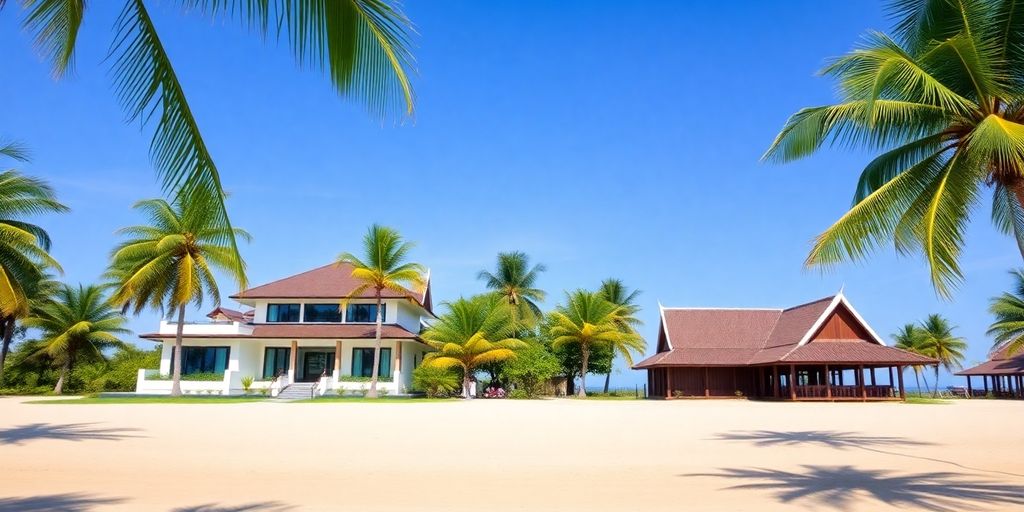
One common route is to set up a Thai limited company. This company can then legally own land or property outright. Generally, foreign ownership in such a company is capped at 49%, meaning you’ll need Thai partners to hold the remaining 51% of the shares. The process involves registering the company, which typically costs around THB 50,000 to THB 100,000. It’s vital to structure the company’s voting rights carefully to ensure you maintain control, even with fewer shares. This structure allows you to own property like a villa or a plot of land in places like Phuket freehold.
Compliance for Foreign-Owned Businesses
Owning property through a Thai company means you have ongoing responsibilities. You’ll need to manage annual accounting and tax filings, which usually run about THB 20,000 per year. It’s also important to be aware that Thai authorities do scrutinise these arrangements. The law strictly prohibits ‘nominee’ shareholders, so your Thai partners must be genuine stakeholders, not just holding shares on your behalf. Failure to comply can lead to serious penalties.
Risks and Benefits of Company Ownership
Setting up a company offers the significant benefit of freehold ownership, giving you direct control over your asset. However, it comes with complexities. You’re reliant on your Thai partners being trustworthy, and there are continuous administrative and financial obligations. The initial setup can be a bit of a hurdle, and the ongoing costs for accounting and compliance need to be factored into your budget. It’s a trade-off between direct ownership and the administrative burden that comes with it.
It’s worth noting that while a company structure offers freehold ownership, leasehold agreements are also a viable and often simpler alternative for expats, especially for long-term stays or investment properties.
Staying Safe as an Expat Buyer

Buying property in Thailand as an expat can be a fantastic experience, but it’s wise to be prepared. There are a few key things to keep in mind to make sure everything goes smoothly and you don’t run into any nasty surprises down the line. It’s not overly complicated, but a bit of caution goes a long way.
Registering Leases and Ownership
This is really important. Make sure any lease agreement or ownership transfer is properly registered at the local Land Office. This is the official confirmation that your rights are recognised by the Thai authorities. Without this, your agreement might not hold up if there’s a dispute. It’s the legal stamp of approval, so don’t skip this step.
Engaging Qualified Property Lawyers
Finding a good lawyer is probably one of the most sensible things you can do. Look for someone who really knows their stuff when it comes to Thai property law and, ideally, speaks English fluently. They can check all the paperwork, make sure the seller actually owns the property, and draft contracts that protect your interests. Think of them as your guide through the legal maze. A decent lawyer can save you a lot of headaches and potential financial loss. For example, if you’re looking at prime land near Surin Beach, a lawyer will be vital in checking the title deeds and any development restrictions.
Being Wary of Unrealistic Promises
If something sounds too good to be true, it probably is. Be cautious of deals that seem unusually cheap or promise benefits that don’t quite align with Thai property laws. Sometimes, sellers might try to push arrangements that aren’t entirely above board. Stick to legitimate channels and established processes. If an agent or seller is pushing you to bypass standard procedures or make promises that seem too good to be true, it’s a big red flag. Always trust your gut feeling and do your own checks.
Essential Thai Property Regulations for Expats
Buying property in Thailand as an expat means getting to grips with a few key regulations. It’s not as straightforward as buying back home, but with a bit of homework, it’s perfectly manageable. The main thing to remember is that direct land ownership for foreigners is generally not allowed. However, there are ways around this, and understanding these is pretty important.
Understanding Foreign Ownership Laws
Foreigners can own condominiums outright, provided they don’t exceed 49% of the total unit space in a particular building. This means you get a proper title deed in your name, just like a local. It’s a good way to have full ownership without the complexities of company structures. For other types of property, like houses or land, the most common route is through a long-term lease. These leases can be registered and typically last for 30 years, with options to renew. It’s wise to get these leases properly registered at the Land Office to protect your interests.
Navigating Leasehold Agreements
Leasehold agreements are a big part of property ownership for expats in Thailand. You’re essentially renting the property and the land it sits on for an extended period, usually 30 years. It’s important that the lease is registered with the Land Department. This gives you legal protection and makes the lease binding even if the property is sold to someone else. When looking at a lease, check the terms carefully. Things like renewal clauses, any potential rent increases, and who is responsible for repairs are all worth paying attention to. Some people choose to set up a Thai company to own the land, with the expat then leasing the property from their own company, but this comes with its own set of rules and responsibilities.
Key Steps in the Buying Process
So, what’s the actual process like? First off, you’ll want to do your research. Decide where you want to live – maybe Bangkok for the city buzz, or perhaps somewhere like Phuket for the beaches. Once you’ve got a location, find a reputable real estate agent who knows the market and works with foreign buyers. They can help you find suitable properties and understand the local market prices. After that, hiring a good Thai lawyer is a must. They’ll handle the legal checks, draft the contracts, and make sure everything is above board. Don’t forget to budget for all the associated fees, like transfer taxes and stamp duties. It’s also a good idea to visit the property yourself before committing, as online photos can sometimes be misleading. Making sure all paperwork is correctly filed at the Land Office is the final step to securing your new home.
It’s always better to be a bit cautious and take your time when buying property abroad. Double-checking everything and getting professional advice can save a lot of hassle down the line.
When you’re looking to buy property in Thailand as a foreigner, it’s important to know the rules. We’ve put together a simple guide to help you understand the basics of Thai property laws for people from other countries. Want to learn more about these important regulations? Visit our website today for all the details.
So, What’s the Takeaway?
Right, so buying property in Thailand as a foreigner might seem a bit of a maze at first. You can’t own land outright, but owning a condo is totally fine, and there are ways around the land thing with leases. It’s not as scary as it sounds, honestly. Just make sure you do your homework, get a good lawyer who knows their stuff, and always, always register everything properly at the Land Office. That way, you can avoid any nasty surprises and just enjoy your new place in the sun. It’s definitely achievable with a bit of care.