

Watch This Episode: Our Phuket Real Estate Podcast
Our podcast covers all the topics for property investors looking at buying real estate in Thailand.
The Samui property market is a unique blend of opportunity and challenge, attracting both local and international investors. With its stunning beaches and vibrant culture, Koh Samui continues to be a desirable location for real estate investment. Understanding the key dynamics and trends in this market is essential for making informed decisions and maximising returns.
Key Takeaways
- The Samui property market is expected to see a steady annual growth of 5-7% in property prices.
- Investors can choose from a variety of property types, including luxury villas and affordable condos.
- Key areas for investment include popular tourist zones and emerging neighbourhoods.
- Understanding legal requirements and financing options is crucial for successful investments.
- The demand for eco-friendly properties is on the rise, reflecting global sustainability trends.
Understanding the Samui Property Market
The Samui property market is a vibrant and evolving landscape influenced by various factors. Key economic drivers such as tourism and local demand play a significant role in shaping property values.
Key Economic Drivers
- Tourism: Koh Samui is a popular tourist destination, attracting millions of visitors each year. This influx of tourists creates a strong demand for rental properties, which in turn boosts property values.
- Expat Community: An increasing number of expatriates are choosing to live in Samui, further driving demand for residential properties.
- Local Economy: The overall economic health of Thailand, including factors like consumer spending and investment, directly impacts the property market.
Impact of Tourism on Property Values
The tourism sector significantly influences property prices in Samui. During peak seasons, rental prices soar due to high demand. For instance, properties like a modern villa priced at THB 9,900,000 offer attractive investment opportunities, featuring amenities such as a pool and barbecue area, appealing to both tourists and investors alike.
Types of Properties for Investment
Investors in Samui can explore various property types:
- Luxury Villas: High-end properties that cater to affluent buyers.
- Condos: Affordable options for both locals and tourists.
- Commercial Properties: Opportunities for businesses looking to tap into the tourist market.
Understanding the dynamics of the Samui property market is essential for making informed investment decisions. By keeping an eye on economic trends and tourism patterns, investors can identify lucrative opportunities in this tropical paradise.
Market Dynamics and Trends
The real estate market in Samui is influenced by various factors that shape its dynamics. Understanding these elements is essential for making informed investment choices.
Supply and Demand Factors
The balance between supply and demand is crucial in determining property values in Samui. A rise in demand, often driven by tourism and an increasing expat population, can lead to higher property prices. Conversely, an oversupply of properties may result in stagnation or decline in prices. Investors should keep a close eye on these trends to identify the best times to buy or sell.
Seasonal Variations
Samui’s property market experiences significant seasonal changes. The peak tourist season, usually from December to April, sees a surge in demand for rental properties, which drives up prices. In contrast, the low season may present better opportunities for buyers looking to negotiate favourable deals. Understanding these seasonal patterns can aid investors in timing their market entry and exit strategies effectively.
Influence of Global Real Estate Trends
Global real estate trends also impact Samui’s market. Economic conditions, changes in government policies, and shifts in cultural preferences can all affect local property values. For example, the growing interest in eco-friendly living has led to increased demand for properties featuring sustainable designs. Staying updated on these global trends can provide valuable insights for strategic investment decisions.
Navigating the Samui property market requires a comprehensive understanding of both opportunities and challenges. By leveraging market insights and recognising key trends, investors can take advantage of the growth potential in this vibrant real estate landscape.
| Year | Average Property Price (THB) | Rental Yield (%) |
|---|---|---|
| 2021 | 8,000,000 | 6.5 |
| 2022 | 8,500,000 | 6.8 |
| 2023 | 9,000,000 | 7.0 |
- Key Factors Influencing the Market:
- Increasing demand for short term rentals.
- Rising expat population seeking properties.
- Seasonal fluctuations affecting rental prices.
By understanding these dynamics, investors can make more informed decisions in the Samui property market.
Comparative Analysis with Other Markets
Lessons from Phuket
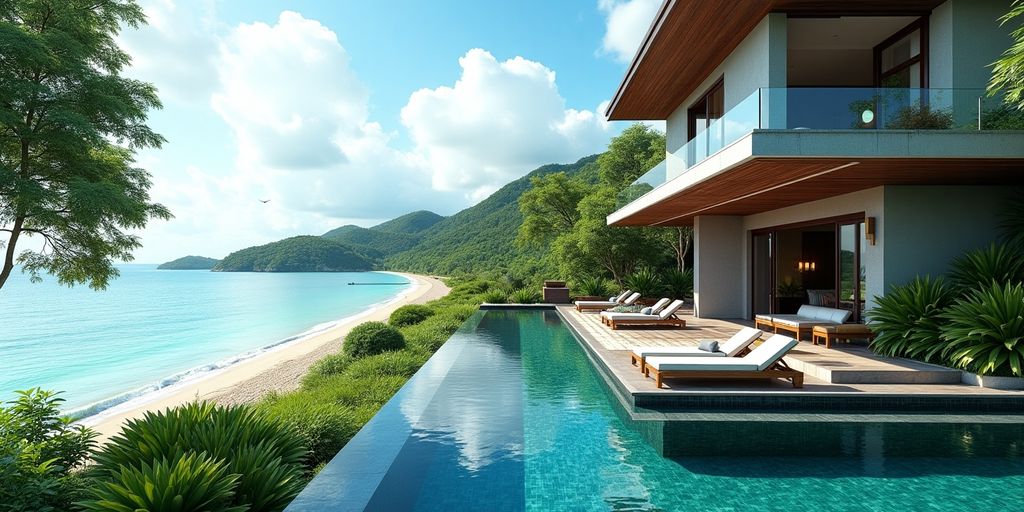
Phuket’s real estate market provides important lessons for investors in Samui. Both regions are influenced by tourism, yet Phuket has a more developed market with higher property prices. Investors can learn from Phuket’s success in attracting affluent tourists and short-term rentals, which have significantly increased property values. However, the saturation of the market in Phuket serves as a warning for Samui to avoid overdevelopment.
Insights from Bangkok
Bangkok’s property market is marked by its urban density and variety of property types. Unlike Samui, which relies heavily on tourism, Bangkok enjoys consistent demand for both residential and commercial properties. This diversity helps protect against market fluctuations. Investors in Samui might consider diversifying their portfolios to include different types of properties to reduce risks.
Global Market Comparisons
When comparing Samui to international markets, it is clear that the island presents unique opportunities and challenges. The global trend towards eco-friendly properties is also evident in Samui. Investors should be aware of worldwide trends such as sustainable development and the rising popularity of short-term rentals, as these factors can greatly affect property values and investment returns.
Understanding the dynamics of both local and global markets is essential for making informed investment decisions. By leveraging market insights and recognising key trends, investors can take advantage of the growth potential in Samui’s vibrant real estate landscape.
| Market Comparison | Koh Samui | Phuket | Bangkok |
|---|---|---|---|
| Average Price for Luxury Villas | 50-100 million THB | 300,000 THB/sqm | Varies by location |
| Total Sales in 2023 | 1,500 units | 100,000 units | Varies by segment |
| Projected Growth Rate (2024-2026) | 5-7% | 2-3% | Steady growth |
In summary, the property ownership landscape in Samui is shaped by its unique characteristics, influenced by both local and global market trends.
Future Outlook Beyond 2024
Long-Term Growth Projections
Looking ahead to 2024 and beyond, the Samui property market is anticipated to continue its positive growth. Experts forecast an annual increase in property prices of 5-7%, driven by rising interest from both local and international investors. The demand for luxury real estate and eco-friendly homes is expected to remain strong, particularly among affluent buyers and tourists who value sustainability.
Potential Market Disruptors
Several factors could disrupt the market in the coming years. Changes in government policies, such as stricter foreign ownership regulations or alterations in real estate taxes, may hinder international investments. Additionally, new environmental regulations could shape the types of properties that can be developed, potentially favouring eco-friendly homes.
Sustainable Development Initiatives
Sustainable development is set to play a vital role in the future of Samui’s real estate market. New residential projects are increasingly focusing on eco-friendly designs and sustainable practises. This trend is likely to attract a growing number of environmentally conscious investors, enhancing the appeal of properties that align with these values.
The Samui real estate market is evolving, and understanding these dynamics is crucial for investors looking to make informed decisions. By staying updated on market trends and potential challenges, investors can better navigate this promising landscape.
In summary, the future of the Samui property market looks bright, with steady growth expected. However, potential investors should remain vigilant about market dynamics and legal considerations to maximise their investment opportunities.
Key Investment Areas in Samui
Popular Tourist Zones
Koh Samui is renowned for its popular tourist zones, which are prime locations for real estate investment. Areas such as Chaweng, Lamai, and Bophut are well-known for their vibrant nightlife, beautiful beaches, and luxury resorts. Investing in these zones can yield high rental returns due to the constant influx of tourists. Properties here often include some of the best beach villas and luxury villas for sale in Thailand.
Emerging Neighbourhoods
Emerging neighbourhoods like Maenam and Bangrak are gaining attention from investors. These areas offer a mix of tranquillity and development potential, making them ideal for those looking to invest in the future growth of the island. The Phuket real estate market has shown similar trends, where early investments in emerging areas have led to substantial returns.
Beachfront Properties
Beachfront properties in Koh Samui are among the most coveted real estate assets. Locations such as Lipa Noi and Taling Ngam offer stunning ocean views and direct beach access. These properties are often considered the best luxury villa investments due to their high appreciation rates and demand among affluent buyers. Owning a luxury villa in Thailand in these areas not only provides a luxurious lifestyle but also a solid investment opportunity.
| Area | Key Features | Investment Potential |
|---|---|---|
| Chaweng | Vibrant nightlife, beautiful beaches | High |
| Lamai | Luxury resorts, tourist attractions | High |
| Bophut | Fisherman’s Village, dining options | High |
| Maenam | Tranquil, development potential | Medium |
| Bangrak | Emerging, close to airport | Medium |
| Lipa Noi | Stunning ocean views, beachfront | High |
| Taling Ngam | Direct beach access, luxury villas | High |
Investing in Koh Samui real estate allows you to own a piece of tropical paradise while benefiting from a thriving market. The island’s natural beauty and well-developed infrastructure make it a prime destination for investors.
Investors should consider these key areas when looking to maximise their returns in the Samui real estate market. Understanding the unique characteristics and potential of each area can help in making informed decisions and achieving successful investments.
Risks and Challenges in the Market
Economic Fluctuations
The Samui property market is susceptible to economic fluctuations. Changes in Thailand’s economic stability or shifts in global economic conditions can greatly affect property values and investment interest. For example, political instability in Thailand may lead to a slowdown in the market, potentially causing drops in property values.
Regulatory Changes
Investors must remain vigilant about regulatory changes that could impact their investments. Thailand’s property laws and regulations can evolve, affecting foreign ownership rights and investment conditions. Staying updated with these changes is essential to avoid legal complications.
Environmental Concerns
Environmental issues, such as overdevelopment, pose a significant risk to Samui’s natural beauty. Overdevelopment can lead to environmental degradation, which may diminish the island’s appeal to tourists and investors alike. Additionally, the risk of property damage due to tropical storms and monsoons is a critical factor to consider.
Investing in Koh Samui’s real estate market offers unique opportunities, but like any investment, it comes with its own set of risks and rewards.
Limited Infrastructure
Certain areas in Samui have limited access to public utilities and infrastructure. This can create challenges for property development and maintenance. Investors should carefully evaluate the infrastructure availability in their chosen investment areas.
Cultural and Language Barriers
Potential language barriers and cultural differences may lead to misunderstandings during transactions. It is advisable for foreign investors to seek local legal assistance to navigate these challenges effectively.
Financing Challenges
Foreign property buyers often face challenges in securing financing in Thailand. Unfamiliarity with local financing options, limitations, and additional conditions can complicate the investment process. It is essential to thoroughly research and understand the financing options available to avoid any financial pitfalls.
| Risk Factor | Description | Impact |
|---|---|---|
| Economic Fluctuations | Changes in economic stability affecting property values | High |
| Regulatory Changes | Evolving property laws impacting foreign ownership rights | Medium |
| Environmental Concerns | Overdevelopment leading to environmental degradation | High |
| Limited Infrastructure | Challenges in property development due to lack of utilities | Medium |
| Cultural and Language Barriers | Misunderstandings during transactions due to language differences | Medium |
| Financing Challenges | Difficulties in securing financing for foreign buyers | High |
Unique Environmental Regulations
Protecting Island Charm
Koh Samui is renowned for its stunning natural beauty, and protecting this charm is a priority for local authorities. Environmental regulations are in place to ensure that development does not compromise the island’s unique landscape. These regulations often include restrictions on building heights, land use, and the preservation of green spaces.
Impact on Property Development
The impact of these regulations on property development can be significant. Developers must navigate a complex web of zoning laws and environmental assessments before proceeding with projects. For instance, a recent report highlighted that "zoning laws are crucial because they establish limitations on what and where construction is permitted on Koh Samui." This means that potential investors must be aware of these regulations to avoid costly delays or legal issues.
Demand for Eco-Friendly Homes
There is a growing trend towards eco-friendly homes in Koh Samui, reflecting a broader global movement towards sustainability. Buyers are increasingly interested in properties that incorporate green technologies and sustainable practises. This shift is not only beneficial for the environment but also enhances property values, as more people seek homes that align with their values.
Investing in properties that adhere to environmental regulations can lead to long-term benefits, both for the investor and the community.
In summary, understanding the unique environmental regulations in Koh Samui is essential for anyone looking to invest in the property market. By prioritising sustainability and adhering to local laws, investors can contribute positively to the island’s future while also securing their investments.
Strategies for Successful Investment
Investing in the Samui property market requires a well-thought-out approach to ensure success. Here are some key strategies to consider:
Research and Market Analysis
- Conduct thorough research on the local property market to understand current trends and pricing.
- Analyse the types of properties that are in demand, particularly those suitable for short term rentals.
- Stay updated on economic indicators that may affect property values.
Legal Assistance and Compliance
- Engage a local legal expert to navigate the complexities of property ownership laws in Thailand.
- Ensure compliance with local regulations, especially those related to short term rentals, to avoid legal issues.
- Review all contracts carefully to protect your investment.
Timing Market Entry and Exit
- Monitor market trends to identify the best times to buy or sell properties.
- Consider seasonal variations in tourism, as these can impact property demand and rental income.
- Be prepared to adapt your strategy based on market conditions.
A successful investment strategy in Samui hinges on understanding the local market dynamics and aligning your approach with current trends.
By following these strategies, investors can enhance their chances of achieving profitable outcomes in the vibrant Samui property market.
Real Estate Prices and Trends in Samui
Price Trends in Key Areas
The real estate market in Koh Samui is characterised by a growing demand for luxury properties. The average price for high-end villas ranges from 20 to 40 million THB, with premium locations like Chaweng and Bophut commanding even higher prices. Below is a summary of average prices in key areas:
| Location | Average Price Range (THB) | Price per Square Metre (THB) | Popular Property Types |
|---|---|---|---|
| Koh Samui | 20–40 million | 150,000–200,000 | Villas, Beachfront Homes |
| Bangkok | 7–25 million | 250,000–350,000 | High-rise Condos |
| Pattaya | 2–5 million | 90,000–140,000 | Condos, Beachfront Apartments |
| Hua Hin | 10–12 million | 250,000 | Villas, Beachfront Homes |
Comparison with Other Thai Destinations
When comparing Koh Samui to other popular Thai destinations, it is evident that the luxury segment is particularly strong here. The island’s unique environmental regulations limit high-rise developments, preserving its natural beauty and enhancing property values. This makes Koh Samui an attractive option for investors seeking Villas For Sale Thailand.
Factors Influencing Price Changes
Several factors contribute to the fluctuations in property prices in Samui:
- Tourism Demand: The influx of tourists significantly boosts rental property prices, especially during peak seasons.
- Economic Stability: Thailand’s steady economic growth, projected at 3% annually, supports rising property values.
- Global Trends: The increasing preference for eco-friendly homes influences buyer choices, further driving demand.
The Samui real estate market is poised for significant growth in 2024, driven by several key factors. This makes Samui a lucrative investment opportunity for both local and international investors.
In conclusion, the Koh Samui property market offers a unique blend of luxury and natural beauty, making it a prime location for investment. With prices remaining competitive compared to other regions, it is an appealing choice for those looking to invest in the Phuket Real Estate Market.
The Role of Luxury Properties in Samui

Koh Samui has become a prominent destination for luxury properties, attracting affluent buyers from around the globe. The island’s unique charm, combined with its strict environmental regulations, has created a thriving market for high-end real estate.
Demand for High-End Villas
The demand for luxury villas for sale has surged, particularly among international buyers seeking holiday homes or investment properties. Notably, properties like the luxury villa in Thailand priced at $2.5 million USD in Bophut exemplify the market’s appeal, featuring stunning views and modern amenities. This villa, with its four bedrooms and infinity pool, represents the best luxury villa options available on the island.
Price Trends in Luxury Segment
The luxury segment of the Samui property market has shown remarkable resilience. The average price per square metre for luxury properties is approximately $4,500, with premium areas such as Chaweng and Choeng Mon commanding even higher prices. The following table illustrates the price ranges for various property types:
| Property Type | Price Range (THB) | Price per Square Metre (THB) |
|---|---|---|
| Luxury Villas | 20–40 million | 150,000–200,000 |
| Beachfront Homes | 25–50 million | 200,000–300,000 |
| High-End Condominiums | 15–30 million | 120,000–180,000 |
Investment Opportunities in Luxury Market
Investing in luxury properties in Koh Samui offers several advantages:
- High Rental Returns: The demand for luxury rentals is strong, especially during peak tourist seasons.
- Capital Appreciation: Properties in prime locations are likely to appreciate in value over time.
- Exclusive Lifestyle: Owning a luxury villa provides access to a unique lifestyle, combining privacy with stunning natural beauty.
The luxury property market in Koh Samui is not just about investment; it’s about securing a piece of paradise that offers both comfort and exclusivity.
In conclusion, the role of luxury properties in Samui is pivotal, with a growing market that caters to the desires of high-net-worth individuals. As the island continues to attract affluent buyers, the demand for the best beach villas and luxury homes is expected to rise, making it a lucrative opportunity for investors.
Luxury properties in Samui play a vital role in attracting visitors and investors alike. They offer stunning views, top-notch amenities, and a unique lifestyle that many dream of. If you’re looking to explore the best options for buying or renting a luxury home in this beautiful island, visit our website to find your perfect match today!
Conclusion
In summary, the property market in Samui for 2024 looks very promising for investors. With property values expected to grow by 5-7% each year, there are many opportunities for both local and international buyers. Areas that attract tourists, new neighbourhoods, and beachfront properties are especially appealing. However, it is vital for potential investors to keep up with market changes, legal matters, and economic conditions. Doing thorough research and seeking legal help is essential for successfully navigating this changing market. By understanding the local landscape and using the insights available, investors can take advantage of the growth potential and achieve good returns.