

Watch This Episode: Our Phuket Real Estate Podcast
Our podcast covers all the topics for property investors looking at buying real estate in Thailand.
Thinking about buying a place in Thailand? It’s a fantastic idea, but the rules around property ownership structures Thailand can be a bit confusing for folks from overseas. Unlike back home, you can’t just buy land outright in your own name, which often catches people by surprise. But don’t let that put you off! There are several perfectly legal ways to get your foot in the door, from owning a condo outright to long-term leases and even setting up a local company. We’ll break down the main options so you can figure out what works best for your Thai property dreams.
Key Takeaways
- Foreigners generally cannot own land directly in Thailand, but can own condominiums outright, provided they don’t exceed 49% of a project’s total area.
- Long-term leasehold agreements, typically for 30 years with renewal options, offer a secure way for foreigners to use property.
- Establishing a Thai company allows for indirect land ownership, but requires Thai nationals to hold the majority of shares (at least 51%).
- Investment-based ownership is possible if a foreigner invests a significant amount (e.g., 40 million Baht) in Thai assets, subject to ministerial approval.
- Careful consideration of risks like lease renewal uncertainty and proper company structuring is vital for a smooth property acquisition.
Understanding Thai Property Ownership Structures
When looking to buy property in Thailand as a foreigner, it’s important to get your head around the different ways you can actually own it. It’s not quite as straightforward as buying a house back home, and there are definitely some rules and regulations to be aware of. The main thing to remember is that direct freehold ownership of land is generally not permitted for foreign nationals. This is a pretty common restriction across many parts of Asia, but Thailand does offer several legal avenues for foreigners to acquire property rights.
Direct Land Ownership Restrictions for Foreigners
So, as I mentioned, owning land outright in your own name is a no-go for most foreigners. The Thai government has put laws in place to prevent non-citizens from owning land directly. This is to protect national land resources, I suppose. It means you can’t just go to the land office and register a plot of land in your name if you’re not a Thai citizen. It’s a bit of a hurdle, but thankfully, there are other ways to get around this.
The Legal Framework Governing Land Ownership
Thailand’s legal system has specific rules about who can own what. For foreigners, the primary ways to hold property are through condominium ownership, leasehold agreements, or by setting up a Thai company. Each of these has its own set of rules and implications. Understanding these frameworks is key to making sure your property acquisition is legal and secure. It’s not just about having the money; it’s about following the correct procedures. You can find more details on Thai property law.
Navigating Complexities for Investment Potential
It can seem a bit confusing at first, trying to figure out the best ownership structure. Do you go for a condo where you own the unit freehold? Or is a long-term lease on a house more suitable? Maybe a company structure makes more sense for a villa. Each option has pros and cons regarding control, resale, and long-term security. It’s really about what you plan to do with the property and what your investment goals are. Getting good legal advice is pretty much a must here.
Condominium Ownership: A Popular Choice
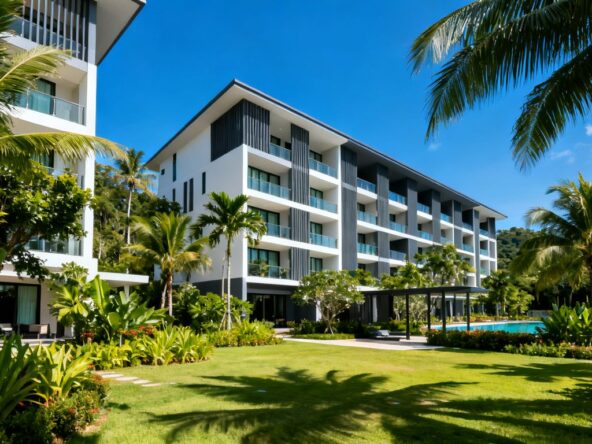
For many foreigners looking to buy property in Thailand, a condominium is often the most straightforward route. It’s generally simpler than dealing with land ownership, which has more restrictions for non-Thai citizens. The Thai Condominium Act is what governs this type of purchase, and it allows foreign nationals to own units outright, provided certain conditions are met. It’s a pretty popular choice, especially in tourist hotspots and major cities.
Foreign Ownership Quotas in Condominium Projects
There’s a specific rule about how many units in a single condominium building can be owned by foreigners. This is known as the foreign ownership quota, and it’s set at 49% of the total saleable area within the project. If a building reaches this 49% limit for foreign buyers, any further units can only be purchased on a leasehold basis. It’s worth noting that many developments don’t actually get close to this 49% limit, so you’ll usually find plenty of options available. This quota is a key thing to check when you’re looking at buying a condo.
Freehold Status and Transfer Requirements
Owning a condominium unit on a freehold basis means you have full ownership rights, similar to owning a house in many Western countries. You’ll get a title deed in your name. To qualify for this freehold ownership, the funds used for the purchase must be transferred into Thailand from overseas in foreign currency. This needs to be properly documented by a Thai bank, which provides a certificate of remittance. This process confirms the origin of the funds and is a requirement for registering the freehold title with the Land Department. It’s a bit of paperwork, but it’s standard practice for foreign buyers.
The Condominium Act and Foreign Buyer Eligibility
So, what exactly does the Condominium Act say about who can buy? Basically, it allows foreigners to own condos freehold, as long as the 49% quota isn’t exceeded. You’ll need to prove that the money for the purchase came from abroad, which is where that certificate of remittance from the bank comes in. The actual transfer of ownership happens at the Land Office, where all the necessary documents are checked and registered. It’s a good idea to have a lawyer help you with this to make sure everything is done correctly. You can find more details on property transactions through resources like Ocean Worldwide Phuket Real Estate.
It’s important to remember that while you can own the condo unit itself, you don’t own the land it sits on. The land is typically owned by the Juristic Person of the condominium, which is managed by the unit owners collectively.
Leasehold Arrangements: Long-Term Security

Leasehold arrangements offer a practical route for foreigners looking to secure property rights in Thailand, especially when direct freehold ownership of land is restricted. This method involves entering into a lease agreement with the landowner, granting you the right to use the property for a set period. Typically, these leases are for 30 years, but it’s common to find agreements that include options for renewal, potentially extending the total usage period up to 90 years (often structured as 30+30+30 years). While you don’t own the land itself, a registered leasehold gives you significant control and the ability to use, modify, and even sublease the property, provided it’s within the lease terms. It can also simplify the process by avoiding some of the transfer taxes associated with freehold ownership. It’s always a good idea to get a legal professional to look over the lease agreement to make sure it’s fair and follows Thai law. Many developers are now advocating for longer leasehold terms, like 60 years or more, to give international buyers more confidence in their investment. This is a key consideration when looking at properties, particularly houses and villas where direct land ownership isn’t an option for non-Thai nationals. The registration of leases longer than three years with the Land Department is a vital step to secure your rights.
Acquiring Property on a Leasehold Basis
Leasehold purchase is a straightforward option for foreigners wanting to acquire property in Thailand. You essentially rent the property from the owner for an extended period. This means you get to use and enjoy the property, but the legal title remains with the original owner. It’s a way to get around the restrictions on direct land ownership for non-Thai citizens. The lease agreement will outline all the terms and conditions, including what you can and cannot do with the property.
Lease Periods and Renewal Opportunities
Standard lease periods in Thailand are usually 30 years. However, most agreements include clauses for renewal, often for two additional 30-year terms. This means you could potentially have the right to use the property for up to 90 years. It’s important to understand that these renewals aren’t always automatic and depend on the specific terms agreed upon and registered with the Land Department. Some developers are pushing for longer initial lease terms, such as 60 years, to provide greater security for international investors.
Rights and Limitations of Leaseholders
As a leaseholder, you have considerable rights to use and enjoy the property. This can include making improvements, renting it out to others (subleasing), and generally treating it as your own for the duration of the lease. However, there are limitations. You can’t sell the land itself, and any major changes to the property usually need to be approved by the landowner or specified in the lease agreement. It’s also worth noting that the transfer fees for leasehold properties are generally lower than for freehold properties, which can be a significant cost saving.
Property Acquisition Through a Thai Company
Establishing a Thai Company for Property Ownership
For foreigners keen on owning land or villas outright in Thailand, setting up a Thai limited company is a common, albeit complex, route. This method allows you to bypass the direct land ownership restrictions that typically apply to non-Thai nationals. Essentially, the company owns the property, and you own shares in the company. It’s a way to gain control and use of the land, but it’s not quite the same as having your name directly on the title deed.
Navigating Shareholding Requirements
The main hurdle here is the legal requirement that at least 51% of the company’s shares must be held by Thai nationals. This means foreigners can, at best, hold a minority stake of 49%. It’s really important that this structure is set up legitimately, with the company engaging in actual business activities, not just existing as a shell for property ownership. Authorities do keep an eye on these arrangements, so making sure everything is above board is key. You’ll need to consider the costs associated with company formation and ongoing compliance, like annual audits and tax filings. It’s also worth noting that if you’re looking to buy property through a company, you’ll need to ensure the company’s stated business purpose aligns with property ownership or related activities. This can sometimes involve employing Thai staff and obtaining work permits, adding another layer of administration.
Indirect Ownership for Land and Villas
This company structure offers a way to indirectly own land and villas, giving you the rights associated with ownership, such as the ability to sell, lease, or develop the property. However, it’s not a straightforward process, and you’ll need to work with legal professionals who understand Thai corporate and property law thoroughly. They can help you set up the company correctly and advise on maintaining compliance. Remember, while this method provides a legal framework for foreign investment in Thai real estate, it does come with its own set of responsibilities and potential pitfalls, like the need for genuine business operations and careful management of shareholding to avoid issues with the authorities. It’s a popular choice for those who want more control than a leasehold offers, but it requires a more significant commitment in terms of setup and ongoing administration. Many foreigners find this route particularly useful for acquiring larger plots of land or multiple properties, especially when looking at property purchases in Phuket.
Setting up a Thai company for property ownership is a legitimate way for foreigners to acquire land, but it requires careful attention to legal requirements, particularly regarding shareholding and genuine business operations. It’s not a simple ‘set and forget’ solution and demands ongoing compliance and professional advice to remain valid.
Investment-Based Ownership Exceptions
While direct land ownership is generally off-limits for foreigners in Thailand, there are specific circumstances where exceptions can be made, particularly when significant investment is involved. These provisions are designed to encourage foreign capital into the country and support economic development. It’s not as simple as just buying a plot of land, mind you; there are rules and approvals needed.
Residential Land Ownership Through Investment
One such exception allows foreigners to own land for residential purposes if they make a substantial investment. Specifically, an individual can acquire up to 1 rai (approximately 1,600 square metres) of land for a home, provided they invest a minimum of 40 million Thai Baht. This investment isn’t just in property itself; it can be in Thai bonds or other assets deemed beneficial to the Thai economy. The final say on this type of ownership rests with the Minister of Interior, so it requires official sanction.
Minimum Investment Thresholds and Approvals
As mentioned, the key figure here is the 40 million Baht investment. This isn’t a small sum, and it signals a serious commitment to the Thai economy. The investment needs to be properly documented and verified. Beyond just the financial aspect, the proposed use of the land and the nature of the investment will be scrutinised to ensure it aligns with national economic interests. Think of it as a way for Thailand to attract significant foreign capital while maintaining control over land use.
Beneficial Assets for the Thai Economy
What counts as ‘beneficial to the Thai economy’? This is where things can get a bit nuanced. Generally, investments that create jobs, introduce new technology, boost exports, or support key industries like tourism or advanced manufacturing are viewed favourably. For instance, investing in projects within the Eastern Economic Corridor (EEC) might be seen as particularly beneficial. The government wants to ensure that foreign investment genuinely contributes to the country’s growth and development, not just provides a personal property perk. It’s a way to tie property rights to tangible economic contributions.
Alternative Ownership Structures for Foreigners
So, direct land ownership is pretty much off the table for most foreigners in Thailand, which can feel a bit restrictive. But don’t worry, there are definitely ways around it, and some of them are actually quite sensible. It’s all about understanding the system and picking the right approach for your situation.
Leasehold Agreements for Houses and Villas
This is a really common one. Instead of buying the land outright, you lease it for a long period. Think of it like renting, but for decades. You can lease the land your house or villa sits on, and you get to use and enjoy the property just as if you owned it. The leases are typically for 30 years, and often, you can get options to renew for another two 30-year periods. So, you’re looking at a potential 90 years of use. It’s not freehold, but for most people, it feels pretty close. The key is to make sure the lease agreement is properly registered at the Land Department, especially if it’s for more than three years. This registration gives you legal protection.
Securing Possession Rights Through Registration
When you get into these longer-term arrangements, like a lease, getting it officially registered is a big deal. It’s like putting a padlock on your rights. If a lease is for over three years, it really needs to be registered with the Land Department. This makes your claim to the property much stronger and harder for anyone to dispute. It’s the official stamp that says, ‘This is mine to use for X number of years.’ Without it, you’re relying on a handshake, which isn’t ideal when you’re talking about property.
Inheritance and Renewal Considerations
Now, about passing it on and renewing. With a registered lease, you can usually include clauses that allow your heirs to inherit the remaining lease term. It’s not automatic, mind you, so you need to have that clearly laid out in your will and the lease agreement itself. Renewal is another point to watch. While many leases have renewal options, they aren’t always guaranteed. The terms for renewal should be clearly stated in the original contract. It’s always wise to have a legal professional review these clauses to make sure you’re not caught out later.
Freehold Versus Leasehold Considerations

When you’re looking at buying property in Thailand as a foreigner, you’ll quickly come across two main ways to hold onto your investment: freehold and leasehold. They sound similar, but they’re quite different, and understanding the distinction is pretty important for your peace of mind and your wallet.
Owning Property Outright in Your Name
This is what most people think of when they talk about owning property. With freehold, you genuinely own the property, including the land it sits on, outright. For condominiums, this is generally possible for foreigners, but there’s a catch: only 49% of the total units in a condo building can be owned by foreign nationals on a freehold basis. If that quota is filled, you might have to look at other options. To qualify for freehold ownership of a condo, the funds for the purchase need to come from overseas and be properly recorded by a Thai bank. It’s seen as the most straightforward and recognised form of ownership, and it can make selling the property later on a bit easier, especially to other foreigners who prefer this structure.
Leasing Buildings or Land from Owners
Leasehold is a really common alternative, especially if you’re interested in houses, villas, or land. Essentially, you’re not buying the property itself, but rather the right to use it for a set period. In Thailand, these leases are typically for 30 years, and they’re registered with the Land Department. What’s good is that these leases often come with options to renew, usually for another two 30-year periods, meaning you could have effective possession for up to 90 years. While you don’t get the title deed in your name, you do get exclusive rights to use, occupy, and even sublease the property during the lease term, as long as it’s in line with the agreement. Transfer fees for leasehold properties are also generally lower than for freehold, which can save you a decent amount of money upfront.
Ease of Sale for Different Ownership Types
So, which one is easier to sell down the line? Honestly, it depends on the specific property and the market demand at the time. Some properties, particularly those that operate like hotels, might only be available on a leasehold basis, and buyers in those situations understand and accept this. Generally speaking, freehold ownership, especially for condos, is often perceived as more desirable and might attract a wider pool of buyers, potentially making it quicker to sell. However, a well-structured, long-term leasehold agreement can also be quite attractive, especially if the property itself is in a good location or offers good rental yields. It’s worth noting that the transfer fees for selling a leasehold property are usually lower than for freehold, which can be a selling point for potential buyers.
It’s a bit of a common misconception that you can’t own anything in Thailand if you’re not Thai. The reality is more nuanced. While direct freehold ownership of land is restricted for foreigners, there are perfectly legal ways to secure long-term rights and control over property, making it feel very much like ownership.
Risks and Considerations in Thai Property
Buying property in Thailand as a foreigner can be a fantastic experience, but it’s not all sunshine and beaches. You’ve got to be aware of a few potential pitfalls, otherwise, you might find yourself in a bit of a pickle. It’s not like buying a house back home, that’s for sure.
Leasehold Renewal Uncertainty
One of the most common ways foreigners own property here is through a long-term lease, often 30 years. Sounds like a long time, right? Well, the catch is that renewal isn’t always a done deal. While generally, leases are renewed, there’s no absolute legal guarantee. You’re relying on the goodwill of the landowner or their successors. It’s always wise to have a solid contract that clearly outlines renewal terms and conditions, and ideally, to build a good relationship with the lessor. Some people even look into securing their leasehold through registration at the Land Department, which offers a bit more protection.
Potential Challenges with Company Ownership
Setting up a Thai company to own land or villas is another route, but it’s got its own set of headaches. The main issue is ensuring the company isn’t seen as a sham or a ‘nominee’ arrangement, which is illegal. This means the company needs to be a genuine business with Thai shareholders holding the majority of shares (at least 51%). You also need to show it’s operating as a legitimate business, which often involves employing Thai staff and having proper documentation. If the structure isn’t right, the authorities could challenge your ownership, which is obviously not what you want. It’s really important to get this right from the start, and that means using experienced legal professionals who know Thai corporate law inside out. They can help you avoid common mistakes and ensure your setup is compliant.
Foreign Exchange and Market Volatility
When you’re transferring money for a property purchase, you’ll need to deal with foreign exchange. All funds must be transferred from overseas in foreign currency, and a specific form, the Foreign Exchange Transaction Form (FET), is required for registration. This is a standard procedure, but it’s something to be aware of. Beyond that, the Thai property market can swing. Prices can go up and down depending on the location, the type of property, and broader economic factors. It’s not a market where you can just assume prices will always rise. Doing your homework on specific areas and understanding market trends is key. Some areas might be booming, while others are a bit slower. For instance, after an earthquake, some developers are working hard to rebuild buyer confidence in high-rise condominiums, bringing in safety experts to prove structural integrity, like AP Thailand is doing.
Here are some costs to keep in mind:
- Transfer Fee: 2% of the property value, often split between buyer and seller.
- Stamp Duty: 0.5% of the property price.
- Withholding Tax: 1% for individuals, or 3.3% for companies.
- Legal Fees: Can range from 20,000 to 100,000 THB.
Exploring Other Investment Avenues
Beyond the more common routes like condominiums and leaseholds, Thailand offers a few other ways for foreigners to get involved in the property market. It’s not just about buying a flat or renting land for a long time; there are other options to consider if you’re looking for different kinds of returns or security.
Serviced Apartments and Condotel Investments
These are properties, often apartments or hotel rooms, that come with services like housekeeping, reception, and sometimes even room service. Think of it as a hybrid between a hotel and a residential property. For investors, this can mean a steady stream of rental income, as these units are typically managed by a professional operator. The appeal is that you can potentially use the unit yourself for a certain period each year, while the rest of the time it’s rented out to guests. It’s a way to get a return on your investment without the hassle of managing tenants yourself. The key here is to look at the management agreement very carefully – what are the fees, what are your usage rights, and how is the rental income split?
Investing in Real Estate Investment Funds
This is a more hands-off approach. Instead of buying a specific property, you invest in a fund that owns and manages a portfolio of properties. These could be anything from shopping centres and office buildings to residential complexes. For foreigners, this can be a way to gain exposure to the Thai property market without directly owning any physical asset. It’s often managed by professionals, and your investment is spread across multiple properties, which can reduce risk compared to owning just one. You’d need to research the specific fund, its track record, and its investment strategy to see if it aligns with your goals. It’s important to understand the fees involved and how you can get your money out if needed.
Partnerships with Thai Nationals
While direct land ownership is restricted, partnering with Thai nationals can open up possibilities. This isn’t about using a Thai ‘nominee’ shareholder, which is illegal and risky. Instead, it’s about forming a legitimate business partnership where a Thai national or company has a significant, genuine stake. For example, you might invest capital into a development project managed by a Thai partner who handles the local aspects and legalities. This requires a high degree of trust and a very clear, legally sound partnership agreement. You’d need to ensure the agreement clearly outlines responsibilities, profit sharing, and exit strategies. It’s a way to participate in larger projects or acquire land for specific business purposes, but the legal structure and due diligence are absolutely vital to protect your investment.
Key Steps for Foreign Property Buyers
So, you’ve decided to buy property in Thailand. That’s exciting! But before you start picturing yourself on a beach, there are a few practical steps you really need to take. It’s not as simple as just picking a place and handing over cash, especially for us foreigners.
Determining the Appropriate Ownership Structure
First things first, you need to figure out how you’re going to own the property. Are you looking at a condo, where direct freehold ownership is possible up to a certain limit? Or perhaps a long-term leasehold for a house or villa? Maybe you’re even considering setting up a Thai company, though that comes with its own set of rules, like needing Thai majority shareholders. Each route has different legal implications and levels of control. It’s worth spending time researching these options to see what fits your situation best.
Engaging a Reputable Real Estate Agent
Trying to do this all yourself can be a real headache. Finding a good local real estate agent who actually knows the ins and outs of Thai property law for foreigners is a smart move. They can help you find suitable properties and guide you through the process, saving you a lot of potential trouble. Look for agents who are transparent about their fees and have good references. It’s about finding someone who understands the nuances of the market and can help you find properties that align with your personal values as luxury property buyers are increasingly seeking an emotional connection.
Verifying Foreign Ownership Quotas in Condominiums
If you’ve set your sights on a condominium, this is a big one. Buildings in Thailand have a limit on how much space can be owned by foreigners – usually 49% of the total unit area. You absolutely must check that the condo project you’re interested in hasn’t already hit this limit. If it has, you won’t be able to buy there, no matter how much you love the view. Your agent should be able to help you confirm this.
Conducting Thorough Due Diligence
This is non-negotiable. Before you sign anything or part with any money, you need to do your homework. This means checking the property title deeds to make sure they’re legitimate, confirming there are no outstanding debts or legal claims against the property, and ensuring the seller is the actual legal owner. It’s also wise to get a lawyer who specialises in Thai real estate to review everything. They can spot potential issues you might miss.
Securing Financing and Transferring Funds
Most foreigners buy property in Thailand with cash because getting a mortgage from a Thai bank as a non-resident is pretty tough. If you need financing, you might have better luck with international banks, but options are limited. When you’re ready to pay, you’ll need to transfer the money from overseas in a foreign currency. The Thai bank will handle the conversion to Thai Baht, and you’ll need a Foreign Exchange Transaction Form (FET) for the official registration. This form is quite important.
Finalising the Purchase and Registration
Once all the checks are done and you’re happy to proceed, you’ll sign a sales agreement and usually pay a deposit, often around 10-30%. Make sure the agreement clearly states all the terms. The final step is registering the property transfer at the Land Department. You’ll need your passport, the sales contract, and that crucial FET form we just talked about. It’s the official stamp that makes it yours.
Thinking about buying property abroad? Our guide, “Key Steps for Foreign Property Buyers,” breaks down the process into simple stages. We cover everything you need to know to make your purchase smooth and successful. Ready to find your perfect overseas home? Visit our website today to get started!
So, What’s the Takeaway?
Right then, after all that, it’s pretty clear that buying property in Thailand as a foreigner isn’t as straightforward as it might be back home. You can’t just go out and buy a plot of land outright, which is a bit of a curveball. But, it’s not a dead end by any stretch. Owning a condo is a pretty popular and simple way to go, as long as you stick to the foreign ownership limits. If you’re after a house or some land, a long-term lease, often structured for 30 years with renewal options, is the usual route. It gives you a good amount of control, even if it’s not full freehold. Setting up a Thai company is another option, though it comes with its own set of rules and requires Thai majority ownership. It’s definitely a case of doing your homework and getting some solid legal advice before you commit. Don’t just jump in; make sure you know exactly what you’re getting into.