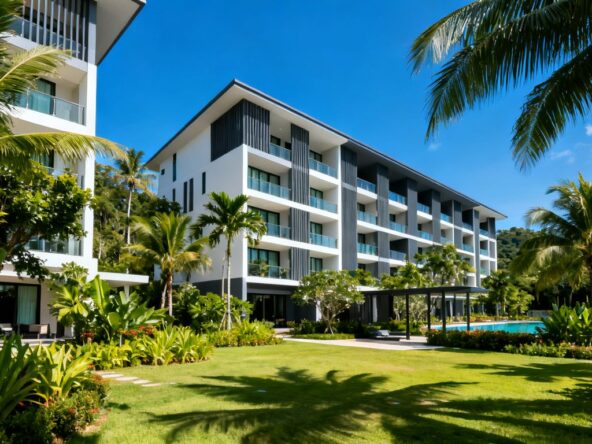


Phuket’s real estate sector is experiencing a significant transformation, driven by a surge in foreign investment. While Russian buyers are dominating the residential leasehold segment, Chinese investors are showing a strong post-COVID rebound, attracted by Thailand’s property boom. However, this influx also brings concerns about potential fraud risks, necessitating caution for prospective buyers.
Key Takeaways
- Russian investors are the primary force in Phuket’s residential leasehold market.
- Chinese investment in Thai property is recovering strongly after the pandemic.
- The growing interest from foreign buyers presents both opportunities and risks, including potential fraud.
Russian Dominance in Leasehold Properties
Recent trends indicate that Russian nationals have become the leading force in Phuket’s residential leasehold property market. This segment, often favored for its flexibility and accessibility, has seen substantial acquisition activity from this demographic, significantly influencing market dynamics in popular tourist destinations within the island.
Chinese Investment Rebounds
Following a period of subdued activity due to global travel restrictions, Chinese investment in Thailand’s property market is showing robust signs of recovery. This resurgence is particularly notable in areas like Phuket, where Chinese buyers are once again showing keen interest in acquiring real estate. This renewed engagement is a positive indicator for the broader Thai property sector.
Opportunities and Fraud Risks
While the influx of foreign capital, particularly from Russia and China, is a boon for Phuket’s real estate development, it also highlights potential risks. The increased demand and investment can sometimes be accompanied by fraudulent schemes. Prospective foreign investors are advised to exercise due diligence and seek professional advice to navigate the market safely and ensure legitimate transactions.