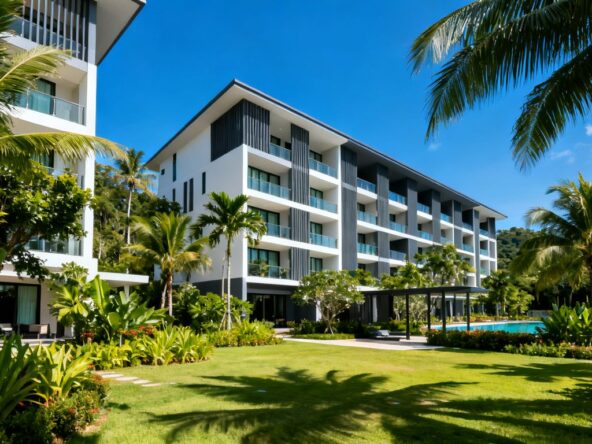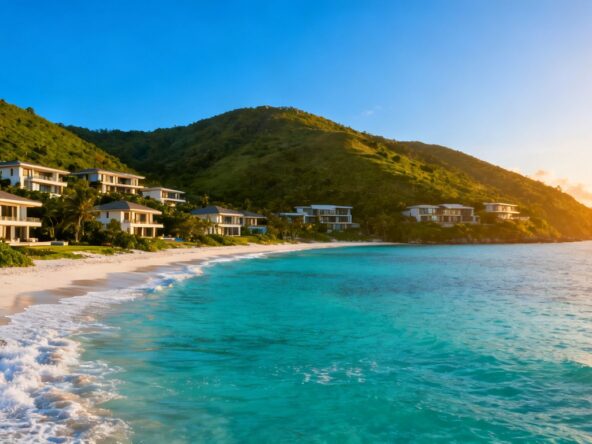


Deciding between Phuket and Koh Samui for a luxury getaway can be tough. Both islands offer stunning scenery and high-end experiences, but they cater to slightly different tastes. This article dives into the specifics of Phuket vs Samui luxury living, helping you pinpoint which Thai island paradise aligns best with your desires for an opulent escape.
Watch: Phuket vs Koh Samui: The Luxury Living Showdown
Welcome to our latest podcast episode where we discuss the ultimate showdown between two of Thailand’s most popular and luxurious destinations: Phuket and Koh Samui. In this episode, we dive into the key differences and similarities between these two tropical paradise islands, exploring their real estate offerings, lifestyle, and overall living experience. Join us as we compare and contrast these two stunning destinations and help you decide which one is the perfect fit for your luxury living dreams. Don’t miss out on this informative and entertaining discussion!
Key discussion points:
– Real estate options and market trends in Phuket and Koh Samui
– Lifestyle and cultural differences between the two islands
– Pros and cons of living in Phuket and Koh Samui
– Cost of living and investment opportunities in each destination
#PhuketvsKohSamui #TropicalParadise #LuxuryLiving #RealEstate #ThailandDestinations
Link: https://play.headliner.app/episode/28885692?utm_source=youtube
Key Takeaways
- Phuket generally offers more direct international flight options and a wider range of accommodation, often at slightly more competitive prices, making it more accessible for many luxury travellers.
- Koh Samui often provides a more intimate and relaxed luxury vibe, with many resorts and villas focusing on secluded, tranquil experiences, appealing to those seeking a quieter escape.
- For families, Phuket boasts more dedicated attractions and extensive kids’ club facilities, while Koh Samui offers a more laid-back environment that can be ideal for younger children.
- Dining and nightlife scenes in Phuket are typically more extensive and varied, from high-energy beach clubs to sophisticated restaurants, whereas Koh Samui leans towards romantic, upscale dining experiences.
- Both islands excel in wellness and spa offerings, but Koh Samui has a reputation for a stronger focus on holistic retreats and yoga sanctuaries, complementing its serene atmosphere.
Phuket Vs Samui Luxury Living At A Glance
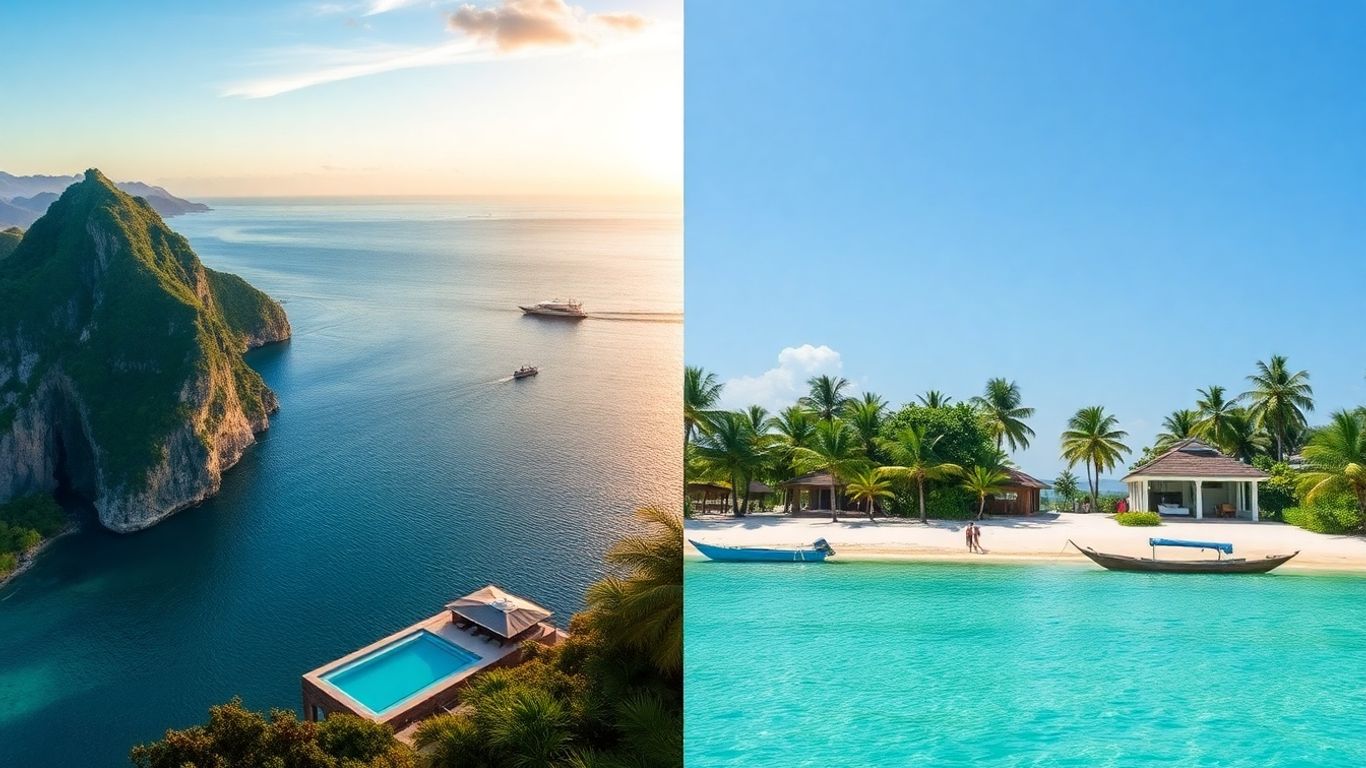
Phuket and Koh Samui both serve up top-tier villas, refined resorts, and staff who remember your coffee order by day two. The mood, though, is different.
Pick Phuket for scale and choice; pick Samui for intimacy and calm.
| Attribute | Phuket | Koh Samui |
|---|---|---|
| Scale | Bigger island; more districts and variety | Smaller; easier to grasp in a few days |
| Airport & connections | Full international hub with many direct routes | Compact airport; mostly via Bangkok, some regional |
| Top luxury pockets | Kamala (clifftops), Surin, Bang Tao/Laguna, Cape Yamu, Nai Thon, Mai Khao | Choeng Mon, Bophut, Maenam, Taling Ngam, Lipa Noi, Laem Sor |
| 5-star high-season rates (approx.) | £250–£800+ per night | £300–£900+ per night |
| Peak dry months | Nov–Apr (sweet spot Dec–Mar) | Feb–Apr and Jul–Aug often best in the Gulf |
| After-dark tone | Flashy beach clubs, polished lounges, late-night energy | Low-key nights, a few chic spots, earlier finishes |
| Sea mood | Andaman hues; some surf in rainy months on west coast | Calmer Gulf waters; many gentle-swim coves |
Torn between the two? Do a split stay: 3–4 nights for Phuket’s buzz, then 3–4 nights for Samui’s quiet coves.
Signature Luxury Vibes On Each Island
- Phuket
- Cliffside villas with long horizon views, often with cinema rooms, gyms, and a proper staff roster.
- Big-name resorts anchor entire neighbourhoods; beach clubs add a social, dress-up edge.
- Dining is broad: Michelin-rated rooms, chef’s counters, and strong Japanese, Italian and modern Thai scenes.
- Koh Samui
- Hillside and beachfront hideaways feel private and leafy; think palm-framed pools and hush at night.
- Villa living rules here: full kitchens, live-in butlers, and breakfast cooked in your space.
- The food scene leans intimate: smart seafront restaurants, wine-forward bistros, and sunset grills.
Who Each Destination Suits Best
- Couples and honeymooners
- Samui: Quiet beaches, fewer crowds, candlelit dinners right on the sand.
- Phuket: Wider choice of romantic suites, plus wow-factor clifftop spots for proposals.
- Families and mixed-age groups
- Phuket: Larger kids’ clubs, water parks, easy medical access, heaps of rainy-day back-ups.
- Samui: Gentle bays, villas with multiple bedrooms, slower roads for stress-free outings.
- Food lovers
- Phuket: Tasting menus, chef collaborations, and more late-night options.
- Samui: Fresh Gulf seafood and small kitchens where the chef comes to your table.
- Wellness travellers
- Samui: Strong detox and yoga culture, retreat-style schedules.
- Phuket: Luxury spa brands, medical-wellness add-ons, and oceanview treatment suites.
- Party people
- Phuket: VIP tables, big-name DJs, and a long after-hours window.
- Samui: Stylish, sunset-led evenings that wrap earlier.
Splurge-Worthy Experiences To Prioritise
- Private yacht day
- Phuket: Phang Nga Bay and Koh Hong for limestone drama; onboard chef lunch and paddleboards.
- Samui: Ang Thong Marine Park for lagoons and sandbars; snorkelling with a crewed catamaran.
- Chef’s table or tasting menu
- Phuket for multi-course showcases and wine pairings; book well ahead in peak months.
- Full-day spa ritual at your villa
- Samui therapists set up in-villa pavilions; add a magnesium bath and herbal compress.
- Helicopter or scenic flight
- Phuket’s coastline and islets look unreal from the air; time it for late-afternoon light.
- Champagne cabana at a beach club
- Phuket for high-energy sets and people-watching; Samui for golden-hour, feet-in-sand ease.
- Private Muay Thai or sunrise yoga
- Phuket gyms for technique; Samui decks for calm sea views and simple routines.
- Island photo session
- Use sunset on Samui’s west coast or Phuket’s quiet northern beaches for clean backgrounds.
If you like having five different dinner moods within a 15‑minute drive, Phuket fits. If you want the sound of palm leaves and a pool to yourself at noon, Samui will feel spot on.
Beachfront Villas And Iconic Resorts
Phuket and Koh Samui both serve serious luxury, but the mood is different: Phuket leans grand and glam, Samui feels intimate and low-key.
Quick tip: if privacy matters, ask for a villa set back from public beach paths or on a headland; a short buggy ride to the sand often buys you quieter days and better sleep.
Private Pool Sanctuaries And Butler Service
Phuket packs heavyweight names (think Amanpuri, Trisara, Sri Panwa, Rosewood) with big-villa footprints and on-call butlers. Samui’s stars (Four Seasons, Six Senses, Banyan Tree, Ritz-Carlton, Conrad, Cape Fahn) skew boutique, often with fewer keys and a softer, retreat-like vibe. Service is polished on both, but Phuket tends to run with larger teams and broader dining options onsite.
Typical inclusions and extras to expect:
- Daily breakfast, housekeeping, and turndown as standard; butler for villas or on request.
- In-villa meals via private chef for larger villas; per-person menus for couples’ villas.
- Add-ons: floating breakfasts, bath rituals, sunset canapés, private mixologist, kids’ cot setups.
Indicative high-season numbers (per night, two guests unless noted):
| Item | Phuket | Koh Samui |
|---|---|---|
| 1-bedroom pool villa | £450–£900 | £380–£800 |
| 3-bedroom villa (families/friends) | £1,100–£2,300 | £900–£1,900 |
| Private airport transfer (one-way) | £25–£60 | £20–£50 |
| In-villa dining surcharge (service & tax) | 17–18% | 17–18% |
| Typical resort-to-airport time | 25–60 min | 15–45 min |
If you like the idea of staff you barely notice but always appear with the thing you forgot to ask for, Phuket wins. If you prefer a lighter touch and a “barefoot but sorted” rhythm, Samui feels spot on.
Clifftop Estates Versus Powder-Soft Sands
Phuket’s luxury stock often perches on headlands (Kamala’s “Millionaire’s Mile”, Cape Panwa, Surin’s slopes). The trade-off: epic views and sunsets, but you may use stairs, buggies, or a funicular to reach a cove. Samui is famous for villa-to-beach living on calmer bays (Choeng Mon, Mae Nam, Lipa Noi), though hillside villas above Bophut and Chaweng Noi bring those wide views too.
Pros and watch-outs:
- Clifftop (Phuket, parts of Samui): maximum drama, fewer passers-by; access to the sea may be via a jetty or shuttle to a partner beach.
- Beach-level (more common on Samui): sand at your doorstep; can be busier at peak times and during sunsets.
- Tides and swell: Samui’s north and west can get shallow at low tide; Phuket’s west can see stronger afternoon surf in some months.
Privacy Levels Across Popular Shores
Privacy shifts bay by bay, and even villa by villa. A few reliable patterns:
Phuket
- High privacy: Mai Khao (long, quiet), Ao Yon and Cape Panwa coves, parts of Naithon/Layan.
- Balanced: Kamala and Surin headlands; Bang Tao’s mid-north stretch off the beach-club grid.
- Low privacy: Patong and central Kata/Karon, especially near public access points.
Koh Samui
- High privacy: Lipa Noi/Taling Ngam sunsets, Laem Yai and parts of Mae Nam.
- Balanced: Choeng Mon and northern Bophut hillsides.
- Low privacy: Chaweng and central Lamai waterfronts.
Simple ways to keep things low-profile:
- Pick end-of-bay plots or headlands over mid-beach addresses.
- Ask for hedging, higher walls, or set-back infinity pools in your villa category.
- Check if the resort limits outside guests at its beach club, especially on weekends.
Fine Dining, Beach Clubs And Culinary Indulgence
You can eat like a king on both islands, but the mood shifts. Phuket feels bigger and bolder, with choice everywhere from old-town heritage houses to head-turning resort restaurants. Samui runs on intimacy and romance: fewer seats, softer lighting, and menus that lean into the sea and wellness without being preachy.
Tasting Menus And Celebrated Chefs
Phuket tends to host the showy tasting counters and multi-course progressions, mixing Southern Thai ideas with European technique. Samui keeps things refined but relaxed: seafood-forward plates, a touch of Mediterranean, and quiet beachfront rooms where you can actually hear the waves between courses.
| Island | Tasting menu (THB) | Wine pairing (THB) | Style notes |
|---|---|---|---|
| Phuket | 3,500–6,500 | 2,000–4,500 | Progressive Thai, Franco-Asian; townhouses and clifftop resorts |
| Koh Samui | 2,800–5,500 | 1,800–4,000 | Seafood-led, Mediterranean-Thai; candlelit beachfront |
- Chef’s counter seats often run 8–14 courses and about two hours; expect tight timing between turns.
- Solo diners: look for bar-side or kitchen-view stools so you’re not tucked in a corner.
- Dietary swaps are common, but give notice (24–48 hours) so the kitchen can plan well.
- Getting there: resort cars are easiest; taxis can be scarce after 10 pm in quieter pockets.
Book ahead in peak season if you want the top tables. Phuket’s breadth is growing on the back of the island’s tourism recovery, so fresh kitchens keep popping up.
Sunset Beach Clubs With Champagne Flair
Phuket does the big, glossy sundowner thing: infinity pools, sax over house beats, and sparklers for bottle service. Samui’s clubs are smaller and more barefoot-chic, but you’ll still find cold magnums and a proper sunset show.
| Setting | Phuket typical minimum spend (THB) | Samui typical minimum spend (THB) |
|---|---|---|
| Sunset sofa | 2,000–3,500 | 1,500–3,000 |
| Poolside cabana | 3,500–5,000 | 2,500–4,000 |
| Magnum bottle | 5,500–9,000 | 4,500–8,000 |
- Arrive 60–90 minutes before golden hour for the best angle and softer heat.
- Dress smart-casual; many venues frown on wet swimwear on sofas.
- DJs tend to peak Thu–Sat; Sunday lunches can be mellow with rosé and raw bars.
- Check the fine print: service charge and VAT can add up.
Local Seafood With A Luxury Twist
The sea rules the menu. Phuket chefs reach for Andaman lobster, crab, and turmeric-laced southern curries. Samui leans into Gulf prawns, line-caught snapper, and coconut, lime, and lemongrass. Same ocean-to-plate ethos, different accents on the plate.
- Book a private longtail to a quiet sandbank: portable grill, icebox, and a chef who cooks your catch while you swim.
- Pick your fish at a pier market; your hotel crew can turn it into a multi-course dinner back at the villa.
- Go luxe-but-local: grilled lobster with nam jim, then a light, citrusy white; or prawns glazed with coconut-chilli and a crisp fizz.
- Ask about provenance, closed seasons, and sizes—sustainability is part of the pleasure.
If the menu looks long, ask the chef to build a short “best of” sequence around what landed that morning. Fewer dishes, better focus, no food fatigue.
Wellness Retreats, Spas And Mindful Escapes
Phuket and Samui both know how to slow your pulse, but they do it in different ways. Samui leans calm and ritual‑led, while Phuket brings larger spa complexes and medical wellness add‑ons.
| Aspect | Phuket | Koh Samui |
|---|---|---|
| Retreat style | Big spa estates, clinic tie‑ins | Boutique detox and yoga hideaways |
| Programme length | 3–10 nights common | 5–14 nights common |
| Indicative daily cost (THB) | 7,000–22,000 | 5,500–18,000 |
| Medical wellness | IVs, physio, diagnostics more common | Limited, more natural therapies |
| Night-time quiet | Mixed (some lively areas) | Generally quieter |
Holistic Programmes And Detox Rituals
If you’re after a reset, both islands make it straightforward. Samui has long‑running centres focused on fasting, gentle movement, and herbal support. Phuket often adds lab checks, IV therapy, or sports medicine, so it suits anyone who wants structure with a clinical edge.
What a typical plan can include:
- Personal intake with goals, contraindications, and a light baseline check.
- Daily schedule: morning yoga, plant‑forward meals or juices, and guided breathwork.
- Targeted add‑ons: colon hydrotherapy, sauna circuits, magnesium floats, or IV nutrients.
- Skills you can take home: posture coaching, sleep routines, and simple meal plans.
- Re‑entry plan for after the retreat so you don’t rebound the minute you see a buffet.
Tip on timing:
- 3–5 nights: good for stress relief and sleep repair.
- 7–10 nights: better for gentle weight loss and habit change.
- 10+ nights: deeper routines, meaningful fitness gains, calmer mind.
Oceanview Treatment Pavilions
This is the spa day you picture: a sea breeze, salt in the air, and someone working the knots out of your shoulders. Phuket often places treatment pavilions on headlands with big views. Samui tends to tuck them by quiet beaches, where the soundtrack is just waves.
What matters more than the view:
- Pressure and technique: ask for a specific style (Thai, sports, warm oil, or herbal compress).
- Privacy details: curtains vs. solid walls, outdoor bath, and how sound carries.
- Seasonal tweaks: in wetter months, covered salas or indoor suites keep it comfy.
- Aftercare: a light snack, coconut water, and 20 minutes to actually rest afterwards.
Booking notes:
- Golden hours: late morning or just before sunset for softer light and less heat.
- Couples rooms book out first; reserve 24–48 hours ahead in high season.
- If you sunbathed, skip deep tissue the same day—skin and muscles protest.
Yoga Sanctuaries In Jungle Settings
Samui’s hills hide mellow shalas under palms; it’s easy to spend a week on the mat without touching a main road. Phuket’s studios are more spread out, from quiet inland settings to breezy south‑coast platforms.
Expect variety, not perfection:
- Styles on rotation: vinyasa for heat, yin for recovery, and the odd sound bath at night.
- Small‑group skills: handstand clinics, breathwork, and mobility for desk bodies.
- Practical extras: mats provided, cold towels, and bug spray at dawn classes.
- Community vibe: tea after class and the odd beach clean‑up invite.
If you’re new to practice, book two gentler sessions back‑to‑back rather than one tough class. You’ll move better the next day and won’t write yoga off as “too hard” after hour one.
Quick picks by traveller type:
- First‑timers: Samui’s slower pace feels kinder, with more beginner blocks and shorter holds.
- Fitness‑focused: Phuket pairs strength gyms with recovery saunas and ice baths nearby.
- Couples: Samui for quiet sunsets; Phuket for spa‑then‑dinner nights with a bit of buzz.
Yachting, Marinas And Island-Hopping Access
Phuket and Koh Samui both lure boat lovers, but they feel very different once you’re actually out on the water. Phuket is a full-service hub with deepwater marinas and crews on standby. Samui is more low-key, with moorings, small piers, and runs to quiet islands in the Gulf.
Private Charters And Superyacht Facilities
Phuket is built for boat life. You’ve got technicians, fuel docks, provisioning, and sheltered bays across the east coast. Big boats can tie up, swap guests, and sail out at any tide. Samui is simpler: charters launch from Bophut or Bang Rak, superyachts anchor off the coast and tender in, and crews arrange fuel and supplies by truck or support boat.
- Typical private charter rates (guide only):
- Handy inclusions to look for:
Phuket is the better base for superyachts and complex itineraries.
| Hub/Marina | Location | Berths/Moorings | Access | Notes |
|---|---|---|---|---|
| Phuket Yacht Haven | North Phuket | ~320 | All-tide | Long superyacht berths, on-site services |
| Ao Po Grand Marina | NE Phuket | ~300 | All-tide | Quick run to Phang Nga Bay, fuel, maintenance |
| Royal Phuket Marina | Koh Kaew | ~100 | Lock-gated | Restaurants, dry stack, boat care |
| Samui moorings/piers | Bophut, Bang Rak, Nathon | Moorings/anchorages | Tender ashore | No full-service superyacht marina; private jetties and agent support |
Note: Figures are indicative and change with works, tides, and weather.
Hidden Coves And Secluded Sandbanks
You can still find near-empty water, even in peak months. From Phuket, crews love the caves and overhangs around Phang Nga, the glassy water at Racha Yai, and the sand spit at Koh Yao’s tiny islets. From Samui, short hops reach Koh Tan’s coral shelves, the shallow lagoons of Ang Thong, and the sandbars off Koh Madsum.
- Quiet-leaning picks from Phuket:
- Short-and-sweet from Samui:
If you’re staying near Laem Sor on Samui’s south coast, the run to Koh Tan is often 20–30 minutes by speedboat; some villas even arrange pick-ups right off the beach. One example is this Laem Sor villa, which faces the same stretch of water skippers use for those quick island hops.
Quick tips to keep it crowd-free:
- Leave before 8 am or after 2 pm to avoid tour peaks
- Check tide tables; many sandbanks appear only a few hours a day
- On windier days, hug the leeward side of the nearest island chain
Seamless Day Trips To Nearby Archipelagos
From Phuket, day boats fan out to Phi Phi, Racha, Coral Island, and the karsts of Phang Nga. Faster craft go as far as the Similans in season, though it’s a long day. From Samui, the easy wins are Ang Thong, Koh Phangan’s south coast coves, Koh Tao’s reefs, and the tiny islands off the south shore.
| Departure | Destination | One-way time (typical) | Best months |
|---|---|---|---|
| Phuket | Phang Nga Bay | 20–45 min (speedboat) | Nov–Apr |
| Phuket | Racha Yai | 45–70 min | Nov–Apr |
| Phuket | Similan Islands | 90–150 min | Nov–May |
| Samui | Ang Thong Marine Park | 45–75 min | Jan–Aug |
| Samui | Koh Phangan (south) | 20–40 min | Jan–Aug |
| Samui | Koh Tao | 90–120 min | Feb–Sep |
- Practical bits to sort the day before:
- Confirm fuel surcharge and national park fees in cash
- Ask for shade on deck, reef-safe sunscreen, and good fins
- Share your must-swim spots with the captain; they’ll time the tide
If you want the calmest seas and the widest choice of boats, pick Phuket from November to April. For still water in summer and short hops to tiny islands, Samui from June to September is hard to beat.
Family-Friendly Luxury With Room To Breathe
Travelling with kids is a different game. You want space, calm water, and the kind of comforts that make bedtime and breakfast painless. Phuket packs in big-resort action; Samui keeps things calmer and more low-key.
| Family metric | Phuket | Koh Samui |
|---|---|---|
| Airport to main family zones | 20–50 min (Kamala, Bang Tao, Kata) | 10–25 min (Bophut, Choeng Mon, Chaweng) |
| Typical kids’ club age range | 4–12 years | 4–12 years |
| Babysitter hourly rate (THB) | 300–500 | 300–500 |
| Calmest sea months | Dec–Apr | Jan–Aug |
| Big waterparks | 2–3 | 1–2 |
Plan days around naps and shade: pool time early, beach before lunch, quiet afternoons, early dinner. Your future self will thank you.
Kids’ Clubs And Tailored Activities
Phuket’s big resorts lean into structure: large clubs, proper schedules, and loads of rainy-day rooms. Samui’s clubs tend to be smaller and friendlier, but still well run. Either way, parents get a breather and kids get variety.
- Typical line-up: treasure hunts, Thai craft sessions, junior mocktail mixing, splash time, movie hours.
- Outdoor fun that actually works: shell spotting at low tide, mini gardening, easy beach games under shade canopies.
- For sporty kids: short Muay Thai intros, beginner paddleboarding on calm mornings, boogie-boarding in Phuket’s dry season.
- Teens aren’t forgotten: console corners, pool tables, and casual pizza nights away from little siblings.
- Good to ask before booking: staff-to-child ratios, evening club options, and whether lunch supervision is included.
Multi-Bedroom Villas And Interconnecting Suites
If you’re travelling with grandparents or friends, a villa or connecting set-up saves everyone’s sanity. You get a kitchen for early breakfasts, doors you can close, and a pool you don’t have to share. In Samui, beachfront homes are everywhere; in Phuket, clifftop and garden estates are more common.
- Look for: ground-floor bedrooms for prams, bath tubs for little ones, and blackout curtains.
- Safety checks: gated pools, shallow ledges, lockable sliding doors, and stair gates on request.
- Convenience touches: highchairs, cots, bottle sterilisers, a washer-dryer, and a second fridge for snacks.
- Service perks worth paying for: in-villa chef for early kids’ meals, grocery pre-stocking, and on-call nannies.
- A good example is a beachfront Samui villa with a kids’ pool and separate pavilions, like this beachfront Samui villa.
Gentle Beaches And Safe Swimming Spots
Both islands have family-friendly shallows, but timing and location matter.
- Phuket picks: Kamala and the north end of Bang Tao for a softer slope; Kata for easy waves outside monsoon. During May–Oct, swells can be strong on the west coast—watch the flags.
- Samui sweet spots: Choeng Mon’s little coves, Bophut for paddling, Maenam’s long calm stretch, and Lipa Noi’s super-shallow water that goes on for ages.
- Simple rules: swim early when winds are lighter, keep kids inside the buoy lines, and use reef shoes where there are pebbles or shells.
I’ve learnt the hard way that a late dinner with a jet-lagged toddler is a gamble. Book that 5.30pm table, pack pyjamas in the day bag, and you might even squeeze in a beach stroll before stories.
Nightlife Glamour And After-Dark Sophistication
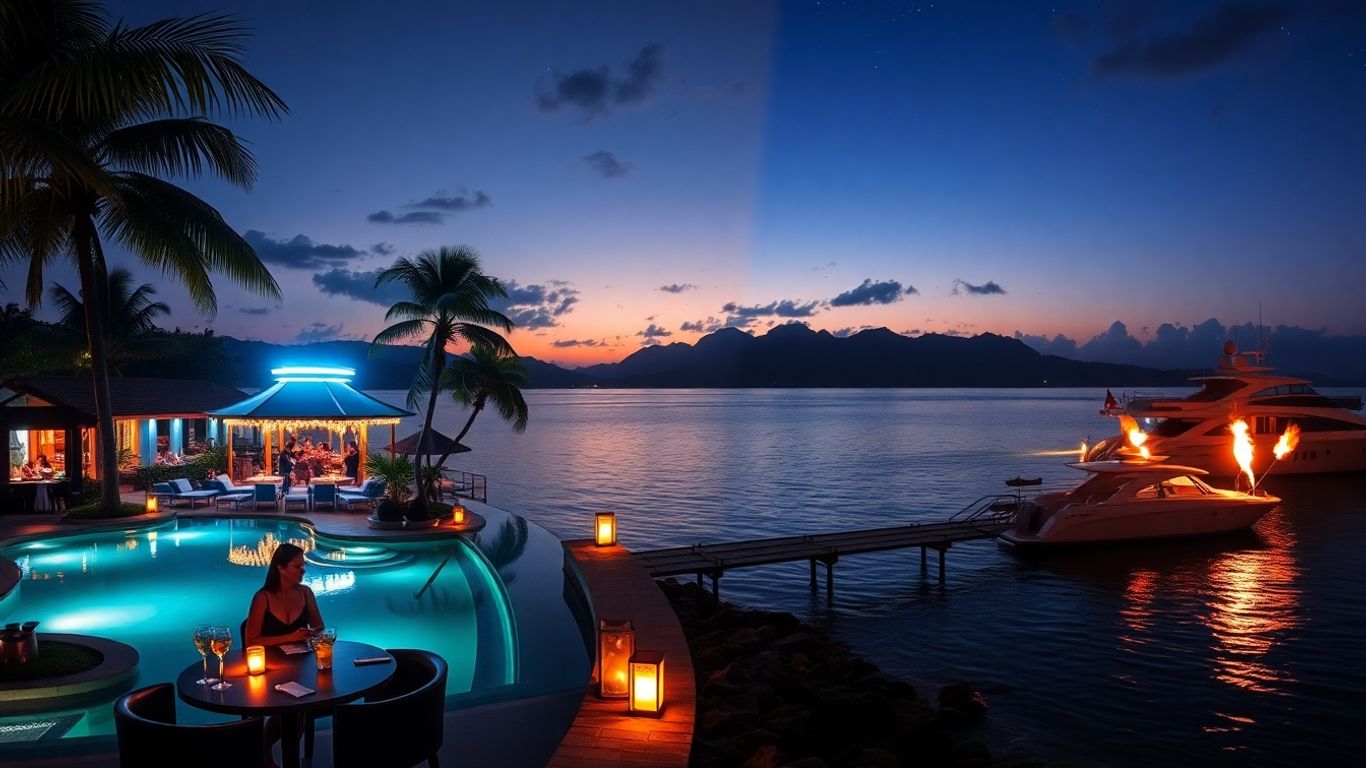
Phuket and Samui both polish up nicely after sunset, but they throw very different parties. Phuket goes big and late; Samui feels intimate and unhurried.
| Metric | Phuket | Koh Samui |
|---|---|---|
| Typical last call | 03:00–05:00 | 01:00–02:00 |
| VIP table minimum (THB) | 6,000–25,000 | 3,000–12,000 |
| Cover charge (top clubs) | 300–1,000 | 200–600 |
| Overall pace | High-octane | Laid-back |
Note: Ranges vary by venue, season and event night.
Elegant Lounges And Live Entertainment
If you like your evenings with a view and a soundtrack, you’ll find both. Phuket leans into rooftop terraces and polished hotel lounges where bartenders tinker with Thai botanicals. Expect sax on Saturdays, vinyl nights midweek, and cabaret with a splash of camp in Patong. Over in Samui, it’s softer: candlelit beachfront decks at Fisherman’s Village, acoustic duos, a touch of jazz, and bartenders who quietly remember your order.
A simple evening flow that rarely misses:
- Sunset cocktail with a sea view.
- Unhurried dinner where you can actually hear each other.
- Live set or cabaret for an hour or two.
- A nightcap in a quiet nook before calling it.
If you’re staying near Bo Phut, pre-show drinks at a private Bo Phut villa set the tone nicely—then wander to the waterfront for music and a breeze.
Book lounges a day ahead for the front-row tables and ask about the last band set—no one likes arriving just as the encore ends.
High-Energy Districts With VIP Tables
Phuket’s headline act is Patong’s Bangla Road: neon, guest DJs, confetti cannons, the works. VIP tables are worth it if you want space and cold bottles without waving at the bar all night. Kamala and Surin go stronger earlier (think beach-club champagne hours), then the crowd migrates west to Patong after midnight.
Samui brings the action to Chaweng with compact clubs and open-air dance floors; Lamai throws sand-between-the-toes parties when the weather plays nice. It’s spirited rather than huge, which means less queuing, easier hops between spots, and fewer next-day regrets.
VIP booking checklist:
- Confirm minimum spend, tax/service, and how many seats you actually get.
- Ask for a booth away from subwoofers (you’ll thank yourself tomorrow).
- Share your arrival time; latecomers can lose their hold to walk-ins.
Late-Night Eats For Discerning Palates
After-hours food can make or break a night. Phuket is rich in options: wok-fired noodles near Old Town, dim sum baskets after midnight in Patong, and hotel kitchens that keep a skeleton crew for 24-hour comfort orders. Samui keeps it tighter but tasty—seafood skewers on the promenade, peppery broth soups, and beach grills that’ll still cook you a snapper at 11.
A few reliable late-night moves:
- Light and bright: clear soups with herbs, ginger tea, fresh pineapple.
- Something hearty: charcoal grilled pork skewers, sticky rice, a fried egg.
- Takeaway-friendly: crab fried rice, chicken satay, mango sticky rice.
Typical late-night food windows (your mileage may vary):
- Phuket: street food until 02:00; select diners 24 hours.
- Samui: street food until 00:00–01:00; a handful of hotel kitchens later.
If you want to keep things polished, book dinner earlier, graze between venues, then finish with a small plate and water before bed. It’s not glamorous, but it’s how you still like yourself at breakfast.
Design, Architecture And Sense Of Place
Phuket and Koh Samui share the same sea and palm trees, but they express luxury very differently. Phuket leans bold; Samui keeps it softer. You’ll notice it as soon as you walk into a villa: the angles, the way the light is handled, the height of the roofs, even the smell of the timber.
| Island | Typical Setting | Dominant Look | Key Materials | Sense-of-Place Cue |
|---|---|---|---|---|
| Phuket | Clifftops, high headlands | Sculptural minimalism, big spans, framed horizons | Concrete, glass, stone, dark woods | Drama from height and open Atlantic-style views |
| Koh Samui | Coconut groves, gentler slopes, beachlines | Low-rise pavilions, soft lines, indoor–outdoor flow | Teak/reclaimed wood, thatch/shingle, breeze blocks | Calm from gardens, palms, and layered roofs |
Pick Samui if you like quiet forms under palms. Pick Phuket if you want those cinematic cliff-edge moments.
Contemporary Minimalism And Glassy Vistas
Phuket’s modern villas often look like art pieces that happen to have bedrooms. Long, horizontal lines and vast panes of glass make the Andaman feel like a mural. On Samui, modern design still shows up, but roofs sit lower, and glazing is broken up with screens and greenery so it feels more private and cool.
What you’ll notice on arrival:
- Horizon pools that kiss the sky; Phuket pushes cantilevers, Samui tucks pools into terraces.
- Smart shading: deep overhangs, operable louvres, and low‑E glass to tame glare and heat.
- Wind and salt planning: marine-grade fixtures, storm-rated glazing, hidden gutters, and easy-to-rinse stone.
- Inside-out living: pocket doors, breezeways, courtyard palms to keep air moving without cranking the AC.
- Quiet tech: underfloor drainage for monsoon bursts, acoustic panels to soften surf and party noise.
Design tip-offs that you’re in Phuket vs Samui:
- Phuket: gallery-white walls, basalt or granite, statement staircases, cliff-hugging decks.
- Samui: green roofs, vine-clad screens, water gardens that cool walkways.
- Both: artful night lighting, but Phuket goes for theatrical uplights; Samui prefers warm, low pools of light.
Tropical Pavilions And Teak Craftsmanship
Traditional Thai forms still guide the mood, especially on Samui where pavilions fit naturally among coconut trees. Roofs are steeper, eaves are generous, and timber is the star. In Phuket, you’ll find Thai silhouettes blended with Sino-colonial hints and stonework, especially in estates that nod to the island’s heritage.
Key features to look for:
- Multi-pavilion layouts: separate sleeping, dining, and spa salas linked by gardens or raised walkways.
- Timber stories: reclaimed teak, hand-cut joinery, carved gable details, and tactile door handles that patina.
- Weather wisdom: high vents under the ridge, deep verandas, and raised floors to keep interiors dry and breezy.
- Roofing choices: shingle or terracotta on Samui for a softer profile; slate or dark tile in Phuket for contrast.
- Craft meets comfort: mosquito-screened salas, ceiling fans over daybeds, outdoor showers under frangipani.
Art, Textiles And Local Accents
The islands speak through small things: a patterned tile under your feet, a woven throw on the sofa, the way a lamp filters light like palm fronds. Phuket often threads in Peranakan-inspired tiles and Sino-Thai ceramics. Samui leans into coconut wood, handwoven cottons, and earthier textures.
Design details that root you to place:
- Natural fibres: rattan, bamboo, water hyacinth, and palm matting for headboards and panels.
- Textiles with soul: indigo-dyed cotton, hand-loomed silks, simple stripe weaves in ocean or leaf tones.
- Local craft: carved timber screens, hammered brass bowls, celadon vases, coconut-shell inlay.
- Scent and sound: lemongrass diffusers, soft chimes, and timber floors that creak a little in the heat.
- Colour cues: Phuket favours charcoal, white, and stone; Samui brings in sand, fern, and teak hues.
| Element | Phuket Expression | Samui Expression |
|---|---|---|
| Flooring | Honed stone, polished concrete | Teak planks, hand-made tiles |
| Screens | Metal/wood louvres, glass fins | Bamboo/rattan lattices, breeze blocks |
| Accents | Graphic art, bold sculpture | Textured baskets, woven wall art |
| Heritage touch | Peranakan tile motifs | Coconut-wood joinery |
If you care about sense of place, ask a simple question when booking: what did the architect keep, not add? Old palms left standing, natural boulders in the garden, and sightlines that frame a temple or a fishing boat channel usually mean you’ll feel the island rather than just look at it.
Access, Transfers And Time-Saving Logistics
Phuket is the heavyweight for flight choice and marina access; Koh Samui wins on quick hops from runway to resort.
International Connections And Private Terminals
Phuket (HKT) handles a wider web of international routes, especially in peak months, so you can often skip a Bangkok connection. Koh Samui (USM) is smaller and privately run, with fewer direct flights and tighter slot control, but the on-the-ground flow is calm and quick.
- Phuket: scheduled long-haul and regional services, plus full private-jet handling and apron parking.
- Samui: mostly regional links via Bangkok/Singapore; private arrivals possible but must request slots well ahead.
- Both: pre-bookable VIP meet-and-greet helps on busy weekends or late-night landings.
| Feature | Phuket (HKT) | Koh Samui (USM) |
|---|---|---|
| International reach | Broad Asia/Europe seasonal mix | Primarily via Bangkok/Singapore |
| Private jet handling | Full-service FBO, better parking | Slot-restricted, limited parking |
| Typical resort drive | 20–75 minutes | 10–45 minutes |
If time-to-swim matters most, pick a resort cluster close to the runway and avoid cross-island drives at rush hour.
Fast-Track Services And Lounge Comforts
Meet-and-greet with express lanes can cut arrivals to minutes: off the jet, straight to a dedicated counter, baggage tracked, car door opened. It’s not cheap, but if your flight lands with a few others, you’ll be glad you booked.
- Phuket: several providers for arrivals/departures fast-track; multiple lounges (airline and paid) with showers and hot meals.
- Samui: boutique open-air terminals, buggy transfers from gate, Bangkok Airways lounges with snacks, and quieter queues most of the day.
- Practical tip: book your car before wheels-down and share your flight number for live tracking; request child seats or extra boot space for golf bags.
Staying north of Patong? Some properties around Kamala can arrange door-to-door pick-ups from the fast-track desk; a few even bundle it into their rate. If you like that area, have a look at nearby lakeside condominiums that provide flexible transfer add-ons.
Helicopter, Seaplane And Speedboat Links
Helicopters are the fastest way to skip traffic in Phuket and to scout Phang Nga’s limestone pinnacles. Samui options exist but flights are more limited and weather-sensitive. Expect daylight-only operations, strict weight limits, and small soft bags rather than hard cases.
Seaplanes are still niche in Thailand and availability changes; check whether services are active for your dates. Speedboats, though, are easy to arrange on both islands.
Phuket marinas: Ao Po Grand Marina, Royal Phuket Marina, and Yacht Haven for yacht berths and private charters.
Samui piers: Bangrak (Big Buddha), Bophut, Nathon, and Thong Krut for private speedboats and day trips.
Typical private speedboat durations (calm seas):
- From Phuket: Phang Nga Bay 25–40 mins; Koh Phi Phi 45–70 mins; Racha Islands 35–50 mins.
- From Samui: Ang Thong Marine Park 45–60 mins; Koh Phangan 20–30 mins; Koh Tao 90–120 mins.
Time-saving checklist:
- Land with carry-on only if you can; it slashes airport dwell time.
- Pre-pay your car and pin the exact pier or marina in your maps.
- Leave buffer time for afternoon squalls; they can slow boats and ground helicopters.
Weather Patterns And Peak Luxury Seasons
Picking the right months can make or break a luxury stay on either coast. In simple terms: Phuket shines from November to April, while Samui comes into its own from January to August.
Dry Months For Picture-Perfect Stays
If you’re chasing blue skies, warm water, and steady sunshine, aim for the dry cycles below. Phuket’s Andaman side is classic winter-sun weather, whereas Samui in the Gulf usually does best through spring and summer.
| Island | Best beach months | Shoulder (good value) | Wettest window | Notes |
|---|---|---|---|---|
| Phuket | Dec–Mar (also late Nov–Apr) | Nov, Apr | Sep–Oct (monsoon May–Oct) | Calmer seas and clear sunsets in peak months |
| Samui | Jan–Aug (peak Feb–Jun) | Sep, Dec | Nov (wet Oct–Dec) | Light winds early year; great summer option |
Think of it like nearby tropical islands too: places such as Phu Quoc’s southern beaches hit their stride in winter, while Samui stretches its fair-weather run into the middle of the year.
Monsoon Nuances On Each Coastline
The rain doesn’t mean constant washouts, but it does change sea conditions and day-to-day plans.
- Phuket (Andaman): Monsoon from May to Oct, with the roughest surf in Sep–Oct. Red-flag beach days happen; swap beach time for spa, dining, and old-town wanders. Prices often dip.
- Koh Samui (Gulf): Wettest period is Oct–Dec (often peaking in Nov). Showers can be brief yet heavy, and seas turn choppy. Visibility for boat trips drops at times.
- Shoulder months: April and May are hot everywhere; late Dec–Jan can be breezy but bright on both coasts. Late Sep on Samui is mixed, while late Oct on Phuket is usually still stormy.
Festival Periods And High-Demand Weeks
Key dates drive rates up and cut availability, especially for top suites, private villas, and yachts.
- Christmas and New Year (late Dec–early Jan): Phuket books out months ahead; Samui is busy, but weather can be mixed early January on the Gulf.
- Chinese New Year (Jan/Feb): Both islands see a spike in rates and restaurant bookings.
- Songkran (Thai New Year, mid-Apr): Hot, lively, and crowded; plan dinners and transfers ahead.
- European summer (Jul–Aug): Samui is in its sweet spot and fills fast; Phuket is quieter yet still warm, with some showers.
- Phuket Vegetarian Festival (Sep/Oct): Weather is wet, but the island is lively and traffic heavier near the old town.
- Loy Krathong (Nov): Gentle uptick in demand; lovely evenings and lanterns.
If your dates are fixed, choose the coast that matches the season; if your dates are flexible, target the shoulder weeks for space, better nightly rates, and easier restaurant bookings.
Shopping, Wellness Tech And Bespoke Services
Phuket and Samui spoil you in different ways. Phuket stacks big-name retail, clinics and pro-level services; Samui leans into crafts, mindful wellness and one-to-one care. If you want maximum variety in a single stop, Phuket has the edge; if you want slower pace and highly personal attention, Samui is your friend.
Tip: Tell your concierge your goal (jet lag recovery, wardrobe refresh, stress relief). The right intro saves time and avoids guesswork.
Designer Boutiques And Artisan Finds
Phuket packs serious retail muscle: Central Phuket (Floresta) for luxury labels, Boat Avenue and Porto de Phuket for resort-ready brands, and the Old Town for indie designers. Samui favours smaller storefronts and night markets—think linen, silver, and hand-poured fragrances—plus a decent mall fix at Central Festival in Chaweng.
Quick look at where each shines:
- Phuket
- Central Phuket: major fashion houses, beauty counters, watch salons.
- Phuket Old Town: custom jewellery, contemporary Thai textiles, bespoke sandals.
- Cherng Talay/Boat Avenue: beachwear, homeware, tasteful décor for villas.
- Koh Samui
- Fisherman’s Village (Bophut): handmade jewellery, airy resort wear, ceramics.
- Chaweng side streets: tailors, leather goods, boutique swimwear.
- Mae Nam & Lamai markets: art prints, spice blends, small-batch skincare.
| Island | Where to browse | Best for |
|---|---|---|
| Phuket | Central Phuket, Old Town, Cherng Talay | Designer labels, indie ateliers, home styling |
| Koh Samui | Fisherman’s Village, Central Festival, Lamai night market | Handmade fashion, gifts, easy one-stop errands |
Medical Wellness And Longevity Clinics
Wellness tech is now part of the holiday plan. In Phuket, you’ll find hospital-grade screening, sports medicine, and tech-forward recovery (IV therapy, cryotherapy, compression boots, hyperbaric sessions in select centres). Samui focuses on structured programmes—detox, stress reset, gut health—often blending labs with gentle therapies.
What you can book without fuss:
- Phuket: full blood work with doctor review, sleep and stress panels, physiotherapy with dry needling, IV nutrition, occasional hyperbaric oxygen facilities.
- Samui: comprehensive detox weeks, mindful weight support, breathwork and cold exposure sessions, IV support inside retreat schedules.
- Both: dermatology consults, dental check-ups, sports massage, mobility coaching.
If you like to keep everything walkable, staying near Boat Avenue or the Bangtao residences puts clinics, pilates studios, and recovery lounges close by.
Concierge Teams And Personalised Itineraries
The right fixer turns “nice” into “nailed it”. Resort and private concierges in both islands are used to last-minute requests and privacy demands.
Expect them to arrange:
- Private shopping: after-hours boutique access, in-villa trunk shows, on-site tailoring and fittings.
- Wellness scheduling: lab tests first thing, IV set right after, then a light lunch and a targeted spa treatment.
- On-demand beauty: hair, nails, make-up, and a discreet dermatologist visit before a big night.
- Chef-led food plans: low-oxalate, gluten-free, or plant-based tasting menus with wine pairings.
- Logistics: villa provisioning, pharmacy runs, childcare, and quiet transfers that avoid traffic windows.
Small note on privacy: say what you need up front—diet, allergies, medical support—so your team can book the right people and keep your details tight.
Property Stays, Investment And Long-Stay Comfort
Phuket and Koh Samui both tempt long-stayers with roomy villas, serviced apartments, and that wake-up-to-the-ocean feeling. Broadly, Phuket leans towards turnkey serviced living, while Samui shines for private villas and slower-burn value. That’s the headline, but the details matter a lot—fees, ownership paths, maintenance, and where you’ll actually be comfortable for months on end.
Serviced Residences With Hotel Privileges
If you want the hotel toolkit—housekeeping, pools, gyms, kids’ clubs, room service—Phuket has scale on its side. Large integrated resorts and branded residences mean predictable standards and rental programmes if you want to let out your unit when you’re away. Samui’s serviced choices are smaller and more villa-led, which many long-stayers prefer for space and privacy.
- What to expect from good serviced setups:
- Weekly or daily cleaning, linen changes, on-call maintenance
- Access to spa, fitness, beach club or shuttle services
- Front-desk help with deliveries, utilities, and basic paperwork
- Optional rental pools with revenue split and owner-stay windows
You’ll also find a lively resale market for view-heavy homes in Samui; a typical example is a Samui ocean-view villa near Chaweng that blends privacy with quick access to shops and beaches.
Pricing varies by beach, view, and season. Here’s a quick snapshot of typical long-stay numbers:
| Item | Phuket (THB/month) | Koh Samui (THB/month) |
|---|---|---|
| 1-bed serviced residence, low season | 45,000–70,000 | 35,000–55,000 |
| 1-bed serviced residence, peak | 80,000–120,000 | 60,000–90,000 |
| 2-bed condo/apartment, annual average | 75,000–120,000 | 60,000–100,000 |
| Private pool villa, long-let | 120,000–250,000 | 100,000–220,000 |
| Condo common fees (THB/sq m/month) | 60–120 | 50–100 |
| Weekly housekeeping add-on | 1,200–2,000 | 1,000–1,800 |
Notes: broad ranges; hillside access, sea views, and new builds can push the top end. Ask for a full cost sheet (utilities, pool/garden care, pest control, internet, and any club fees) before you commit.
A practical rule: get a 1–3 month rental first in the exact area you fancy. You’ll learn the traffic patterns, the noise at night, and how the weather hits that hill or bay before signing anything longer.
Lease Rules, Ownership Paths And Risks
Foreigners can buy freehold condos (within the foreign quota) but not land. For villas, the standard route is leasehold of land plus separate ownership or rights over the building. Paperwork quality swings a lot between projects, so don’t skip the boring bits.
| Path | What foreigners get | Typical term | Watch-outs |
|---|---|---|---|
| Freehold condo | Title deed in your name (within 49% foreign quota) | Indefinite | Check quota, juristic stability, sinking fund health |
| Leasehold land/villa | Registered land lease; building may be owned separately | 30 years (with optional renewal clause) | Renewals aren’t automatic; confirm registration and who owns the structure |
| Usufruct/superficies | Use rights or building ownership without land ownership | Up to 30 years or life | Must be registered; harder to finance; resale appeal varies |
| Thai company ownership | Company owns land; you own shares | Ongoing (company life) | Nominee setups are illegal; compliance and audits add cost and risk |
Quick due-diligence checklist:
- Independent lawyer, not the seller’s. Full title and environmental checks.
- Confirm building permits, land boundaries, and coastal or hillside restrictions.
- Read the lease/management agreement line by line—renewal mechanics, rent reviews, fee increases.
- Verify utility meters in your name, not a marked-up private supply.
- Stress test the numbers for 10–15% vacancy and rising insurance costs.
I’m not giving legal advice here—laws and practice change—so always get a local professional to review the stack of documents before you pay a deposit.
Coworking, Connectivity And Daily Ease
If you’re working from the islands, basics matter more than beach rankings. Phuket has the heft: more coworking spaces, multi-lane roads, several international hospitals, and a bigger choice of international schools. You’ll still get traffic near key hubs, but day-to-day tasks are straightforward. Samui feels calmer and smaller; you’ll find fibre internet in most populated areas, but hillside villas may need signal boosters and backup power.
- Internet and power:
- Everyday living:
- With kids:
Practical tips to stay comfortable for months:
- View at different times of day; check aircraft and bar noise, dogs, and construction.
- Test the driveway in rain—some hill roads get slick fast.
- Budget for maintenance: pool, garden, air con servicing every 6–12 months.
- Keep a spare router SIM and a power bank UPS for quick failover.
Phuket or Samui? If you want big-infra convenience and serviced living, Phuket is steady. If you want villa calm, ocean views, and slower traffic, Samui feels just right.
Looking for a place that feels like home and also grows your money? We offer holiday homes and long-stay options with good rental income, simple comforts, and friendly support. Ready to begin? Browse current listings on our website and speak to our team today.
So, Which Thai Island Reigns Supreme?
After looking at everything, it’s clear that both Phuket and Koh Samui have their own special charm. Phuket really stands out if you’re after convenience, loads of things to do, and a buzzing atmosphere, especially if you enjoy nightlife or travelling with family needing lots of entertainment. On the other hand, Koh Samui often feels a bit more laid-back, offering those picture-perfect, tranquil beaches that are just ideal for couples or anyone wanting a quieter escape. Ultimately, the best island for you really boils down to what kind of holiday you’re dreaming of. Neither is definitively ‘better’ – they just cater to different tastes and holiday styles. So, pick the one that calls to you the most!