


Thinking about buying property in Phuket? It’s an exciting prospect, but like any big purchase, there’s a process to follow. This guide breaks down the Phuket property transaction process, from putting down a deposit to officially getting the title deed in your name. We’ll cover what you need to know to make things go smoothly.
Key Takeaways
- Start by reserving your chosen property with an initial deposit. This takes it off the market while you sort out the details.
- Get a lawyer involved early to check everything out, especially the legal side and the sale contract.
- Make sure all your funds are ready and transferred correctly, especially if you’re buying from overseas.
- Be prepared for the official transfer at the Land Department, bringing all the right documents.
- Understand all the fees and taxes involved so there are no surprises at the end.
Initiating The Phuket Property Transaction Process
So, you’ve decided to take the plunge and buy a property in Phuket. Exciting stuff! But before you start dreaming about beachfront sunsets, there are a few initial steps to get the ball rolling. It’s not just about finding a place you like; it’s about making sure the deal is sound from the get-go.
Initial Property Reservation And Deposit
Once you’ve found that perfect villa or condo, the first practical step is usually to secure it. This typically involves signing a reservation agreement and paying a small booking fee. Think of it as putting a down payment on your future home, but just to hold it for a bit. This fee takes the property off the market, giving you and your legal team time to do all the necessary checks. It’s a way to show you’re serious and to prevent anyone else from swooping in while you’re busy with the paperwork. The amount can vary, but it’s generally a small percentage of the overall price.
Negotiating The Sale And Purchase Agreement
With the property reserved, the real nitty-gritty begins: the Sale and Purchase Agreement (SPA). This is the main contract that lays out all the terms and conditions of the sale. It’s not just a formality; it’s where all the important details are hammered out. Your lawyer will be heavily involved here, working with the seller’s legal representative to ensure everything is fair and clear. This includes things like the final price, payment schedules, completion dates, and what exactly is included in the sale (like furniture or fixtures).
Appointing Legal Representation
This is probably one of the most important decisions you’ll make early on. Trying to navigate property law in a foreign country without professional help is a recipe for disaster. You’ll want to find a reputable lawyer who specialises in Thai property law, especially for foreigners. They’ll be your guide through the entire process, from reviewing contracts to dealing with the land department. Getting good legal advice from the start can save you a lot of headaches and potential financial loss down the line. It’s worth the investment to have someone looking out for your best interests.
It’s easy to get caught up in the excitement of buying a property abroad, but remember that a structured approach is key. Taking the time to understand each initial step and securing professional advice will set a solid foundation for a successful purchase.
Understanding Deposits And Down Payments
When you’re looking to buy property in Phuket, you’ll come across two main payments that show your commitment: the deposit and the down payment. They might sound similar, but they play quite different roles in the whole process.
The Role Of A Property Deposit
Think of the property deposit, or ‘Ngoen Jong’ as it’s known locally, as your initial handshake with the seller. It’s a smaller sum, paid upfront, to basically reserve the property for you. This shows the seller you’re serious and gives you a bit of breathing room to sort out the finer details, like getting your finances in order or having your lawyer look over everything. It takes the property off the market for a set period, meaning the seller shouldn’t be entertaining other offers. If the sale goes through, this deposit usually comes off the final price you pay. However, it’s not always refundable. If you back out for reasons not agreed upon, the seller might keep it as compensation for taking their property off the market.
The Significance Of A Down Payment
The down payment, or ‘Ngoen Dao’, is a much bigger deal. This is a substantial chunk of the property’s price, typically paid after you’ve both signed the official Sale and Purchase Agreement. It signifies a much stronger commitment from your side. Paying the down payment usually kicks off the next stages of the transaction, like the seller preparing the property for transfer and you finalising any mortgage arrangements. Like the deposit, it’s also credited towards the total cost.
Deposit And Down Payment Terms
It’s really important that all the details about these payments are written down clearly. This includes:
- The amounts: How much is the deposit and how much is the down payment?
- When they are due: What are the payment dates?
- Refund conditions: Under what circumstances, if any, would you get your money back?
- Consequences of default: What happens if either you or the seller can’t go through with the deal?
Getting these terms in writing protects everyone involved. It avoids misunderstandings later on and makes sure both buyer and seller know where they stand.
Here’s a quick look at how they generally stack up:
| Feature | Property Deposit (Ngoen Jong) | Down Payment (Ngoen Dao) |
|---|---|---|
| Timing | Before Sale Agreement | After Sale Agreement |
| Amount | Smaller percentage | Larger percentage |
| Purpose | Reserve property, show intent | Show strong commitment |
| Refundability | Varies, often non-refundable | Varies, often non-refundable |
Conducting Thorough Due Diligence
Right, so you’ve found a place in Phuket that catches your eye. Before you get too carried away, it’s absolutely vital to do your homework. This stage is all about making sure there are no nasty surprises lurking around the corner. Think of it as a really thorough check-up for the property and all the paperwork involved.
Legal Checks And Title Verification
This is where you really need to get a good Thai property lawyer involved. They’ll be the ones digging into the property’s history. The main thing they’re looking for is the title deed. They need to confirm that the person selling the property actually owns it fair and square and has the right to sell it. It sounds obvious, but believe me, people have been caught out. Your lawyer will check for any outstanding debts, mortgages, or legal claims against the property that could become your problem later on. They’ll also look at the land registry records to make sure everything matches up.
Reviewing The Sale And Purchase Agreement
Once you’ve agreed on the main points with the seller, you’ll get a Sale and Purchase Agreement. This is a big document, and you shouldn’t just skim it. Your lawyer will go through it with a fine-tooth comb. They’re checking all the clauses to make sure your interests are protected. This includes things like the exact price, payment schedules, completion dates, and what happens if something goes wrong. They’ll also look for any unusual terms or conditions that might not be in your favour.
Assessing Property Condition
Beyond the legal side, it’s also smart to check the physical state of the property. This might involve a professional inspection, especially if you’re buying an older villa or a property that’s been rented out for a while. You want to know if there are any major structural issues, problems with plumbing or electrics, or even pest infestations. Sometimes, a building permit check is also part of this, just to make sure everything was built legally.
It’s easy to get swept up in the excitement of buying a property abroad, but taking the time for due diligence is non-negotiable. It’s the best way to avoid costly mistakes and ensure your investment is sound.
Here’s a quick rundown of what your lawyer will typically investigate:
- Ownership Verification: Confirming the seller’s legal right to sell.
- Encumbrances: Checking for any liens, mortgages, or debts attached to the property.
- Legal Compliance: Ensuring the property adheres to Thai property laws and zoning regulations.
- Title Deed Accuracy: Verifying the details on the title deed match official records.
- Building Permits: Confirming that any construction was done with the correct permissions.
Finalising The Sale And Purchase Agreement
Right then, you’ve done your homework, maybe even got a lawyer looking over things. Now comes the bit where you actually nail down the deal: the Sale and Purchase Agreement. This isn’t just a quick scribble; it’s the main document that spells out exactly what’s happening with the property. Think of it as the blueprint for the whole transaction.
Key Clauses In The Agreement
This agreement is where all the nitty-gritty details get hammered out. You’ll find:
- Property Details: A clear description of the flat or house, including its size and any specific features.
- Price and Payment Schedule: The agreed price, of course, and exactly when different payments are due. This includes the initial deposit and any subsequent payments leading up to the final handover.
- Transfer Date: When the ownership officially changes hands.
- Responsibilities: Who pays for what, especially concerning taxes and fees. It’s important to know if the seller or buyer covers specific costs.
- Warranties: Promises from the seller about the property’s condition and title.
It’s absolutely vital that this document is in both Thai and English, especially if you’re not fluent in Thai. You want to know precisely what you’re agreeing to.
Ensuring Legal Compliance
Before you even think about signing, your legal representative will be scrutinising this agreement. They’re checking that everything aligns with Thai law, like the Condominium Act or any consumer protection regulations. They’ll be looking out for any clauses that might be unfair or could cause problems down the line. It’s their job to make sure your interests are protected and that the agreement is sound.
A common point of confusion can be the exact wording around non-refundable deposits. If you’re paying a significant deposit early on, you need to be crystal clear about the conditions under which you might get it back, or if it’s gone for good if you pull out.
Signing The Contract
Once everyone’s happy with the terms and your lawyer gives the thumbs-up, it’s time to sign. This usually happens within about 30 days of the initial reservation agreement. Make sure you understand every single point before you put your name on the dotted line. It’s a legally binding document, and once signed, it sets the wheels in motion for the final steps of the purchase.
Managing Funds For Property Purchase
Right, so you’ve found your dream place in Phuket, and now it’s time to sort out the money side of things. This can feel a bit complicated, especially if you’re buying from overseas. Getting the finances organised properly is key to a smooth transaction.
Foreign Currency Transfer Requirements
If you’re not a Thai resident, you’ll need to bring your purchase funds into Thailand in a foreign currency. You can’t just use your foreign bank account directly for the purchase. The money needs to be converted into Thai Baht (฿) through a bank here in Thailand. This process is pretty standard for international buyers. You’ll typically need to provide documentation to the bank explaining the purpose of the transfer, which in this case is property purchase. It’s a good idea to get this sorted early on, as international transfers can sometimes take a few days to clear.
Obtaining Foreign Exchange Transaction Forms
When you bring your foreign currency into Thailand to buy property, the bank will issue you with a Foreign Exchange Transaction Form (FETF). This form is really important. It acts as proof that you’ve brought foreign currency into the country for a specific purpose. You’ll need this document later when you go to register the property transfer at the Land Department. It basically shows that the funds used for the purchase originated from outside Thailand. Make sure you keep this form safe and sound; losing it could cause unnecessary headaches down the line.
Payment Schedules And Methods
How you pay the seller isn’t just a lump sum at the very end. There are usually stages involved. You’ll start with a reservation deposit, then after signing the Sale and Purchase Agreement, you’ll likely pay a larger deposit or down payment. The final balance is paid upon completion at the Land Department.
Here’s a typical breakdown:
- Reservation Deposit: Paid when you agree to buy, to take the property off the market. This is usually a smaller amount.
- Initial Deposit/Down Payment: Paid after the Sale and Purchase Agreement is signed. This is a more significant sum, often a percentage of the total price.
- Final Payment: The remaining balance, paid when ownership is officially transferred.
Payment methods are usually bank transfers. For larger sums, especially the final payment, you’ll want to ensure your funds are readily available and cleared in your Thai bank account before the transfer date. Some lawyers also offer escrow services, where they hold your funds securely and release them to the seller only when all conditions are met. This adds an extra layer of security for both buyer and seller.
When dealing with large sums of money, especially across borders, it’s always wise to have a clear plan. Understand the exchange rates, any bank fees, and the timelines for transfers. Don’t leave this to the last minute; give yourself plenty of time to sort out the paperwork and the actual movement of funds.
Gathering Essential Transaction Documents

Right then, so you’ve agreed on a price and sorted out the deposit. Now comes the part where you actually need to get your ducks in a row, document-wise. It’s not exactly thrilling, but it’s super important if you don’t want any hiccups later on. Think of it as gathering all your bits and bobs before a big trip – you wouldn’t want to get to the airport and realise you’ve forgotten your passport, would you?
Identification For Buyers And Sellers
First things first, everyone involved needs to prove who they are. For individuals, this usually means a valid passport. If you’re a foreigner buying in Thailand, they’ll likely want to see your passport, including the visa page showing your latest entry date. This is often needed if you’re granting power of attorney to someone else to handle things for you. If you’re married, and the property is only going in your name, you might need a letter of authorisation from your spouse, along with their passport details too. It sounds a bit much, but it’s all about making sure everything’s above board.
Property Title Deeds And Permits
This is where the actual property comes into play. The seller needs to have the original title deed, often called a ‘Chanote’, ready. This is the main document that proves they legally own the land. You’ll also need the building permit, which shows the construction was approved. If it’s a resale property, you might also need the ‘House Book’ (Tabien Baan). It’s like the property’s official record.
Gathering Other Important Paperwork
Beyond the main identification and property documents, there are a few other bits and pieces that might be needed. This can include things like:
- Sale and Purchase Agreement: The final, signed contract detailing everything.
- Foreign Exchange Transaction (FET) Forms: If you’re a foreigner, you’ll need these from your bank to show the purchase money was transferred in foreign currency.
- Company Documents: If you’re buying through a company, there’s a whole other list, like certificates of incorporation, shareholder lists, and director resolutions.
It’s always a good idea to have a checklist. Your lawyer will usually provide one, but it doesn’t hurt to be aware of what’s generally required. Missing even one small document can cause delays, and nobody wants that.
Basically, the more organised you are with your paperwork from the start, the smoother the whole process will be. It might seem like a lot, but it’s all part of making sure the property transfer is legitimate and that you’re the rightful owner at the end of it all.
Navigating The Land Department Transfer
Scheduling The Official Transfer Date
The date for the official property transfer is a key point agreed upon during the negotiation phase and is formally written into the Sale and Purchase Agreement (SPA). This date is when ownership officially changes hands. It’s important that both the buyer and seller, or their appointed representatives, are available and prepared to attend the Land Department on this scheduled day. Missing this appointment can lead to delays and potential complications, so clear communication and confirmation are vital.
Submitting Required Paperwork
When the transfer date arrives, a specific set of documents needs to be presented to the Land Department officials. This paperwork is what allows them to process the ownership change. The exact requirements can vary slightly, but generally include:
- Identification: Valid passports or national ID cards for both buyer and seller.
- Property Documents: The original title deed (Chanote or other recognised type) for the property. If it’s a condominium, the condominium title deed is needed.
- Sale and Purchase Agreement: The finalised and signed contract.
- Foreign Exchange Transaction (FET) Forms: For foreign buyers, these forms prove the purchase funds were transferred into Thailand in foreign currency. This is a mandatory step for registering ownership under a foreigner’s name.
- House Registration Book (Tabien Baan): For resale properties, this document is also transferred.
- Company Documents: If either party is a company, relevant company registration documents and affidavits are required.
Power Of Attorney For Absent Buyers
Sometimes, it’s just not possible for the buyer to be present at the Land Department on the transfer date. Life happens, and travel plans can change. In these situations, a Power of Attorney (POA) can be used. This legal document allows a trusted individual, often your lawyer or a representative, to act on your behalf and complete the transfer process. It’s really important that the POA is correctly drafted and legally recognised in Thailand to be valid. This allows the transaction to proceed smoothly even if you can’t be there in person. Getting this sorted well in advance is a good idea, and your legal representative can guide you through the specifics of preparing the necessary documents.
The Land Department is where the official change of ownership is registered. It’s the final administrative step in physically transferring the property from the seller to the buyer. Being prepared with all the correct paperwork and understanding the process here can save a lot of time and stress.
Settling Transaction Fees And Taxes
Right then, let’s talk about the money side of things when you’re buying property in Phuket. It’s not just the purchase price you need to think about; there are various fees and taxes that pop up, especially on the day of the official transfer at the Land Department. It’s a good idea to have these amounts ready in cash, as they’re usually settled then and there.
Understanding Transfer Fees And Stamp Duty
These are the charges for officially registering the change of ownership. The transfer fee is typically 2% of the property’s appraised value. Stamp duty, on the other hand, is usually 0.5% of the sale price or the appraised value, whichever is higher. How these costs are split between the buyer and seller is something you’ll negotiate and agree upon in your Sale and Purchase Agreement. Often, it’s split 50/50, but it’s not a hard and fast rule.
Seller’s Tax Obligations
The seller usually shoulders a couple of taxes. There’s the income tax, which is generally 1% of the higher value between the property’s appraisal value and the actual purchase price. If the seller has owned the property for less than five years, they might also be liable for a business tax of 3.3% on the higher of the appraisal or purchase price. If they’ve owned it for longer than five years, this business tax is replaced by the stamp duty mentioned earlier. It’s worth noting that these tax calculations can be a bit complex, so having a legal professional review them is wise.
Shared Costs In The Transaction
Beyond the main transfer fees and taxes, there can be other smaller costs. These might include things like a sinking fund contribution for condos, common area maintenance fees (especially for apartments or gated communities), and fees for setting up utility meters like water and electricity. These are usually agreed upon in the contract, so make sure you know exactly what you’re signing up for. It’s always best to clarify who pays for what before you get to the Land Department.
Here’s a quick rundown of who typically pays what, though remember this is negotiable:
- Transfer Fees (2%): Often split 50/50 between buyer and seller.
- Stamp Duty (0.5%): Usually paid by the seller, but can be negotiated.
- Income Tax (1%): Typically paid by the seller.
- Business Tax (3.3%): Usually paid by the seller if owned less than 5 years.
It’s really important to get a clear breakdown of all these potential costs from your lawyer or agent early on. Unexpected expenses can really throw a spanner in the works, so being prepared financially is key to a smooth transaction.
Completing The Ownership Transfer
Final Payment and Key Handover
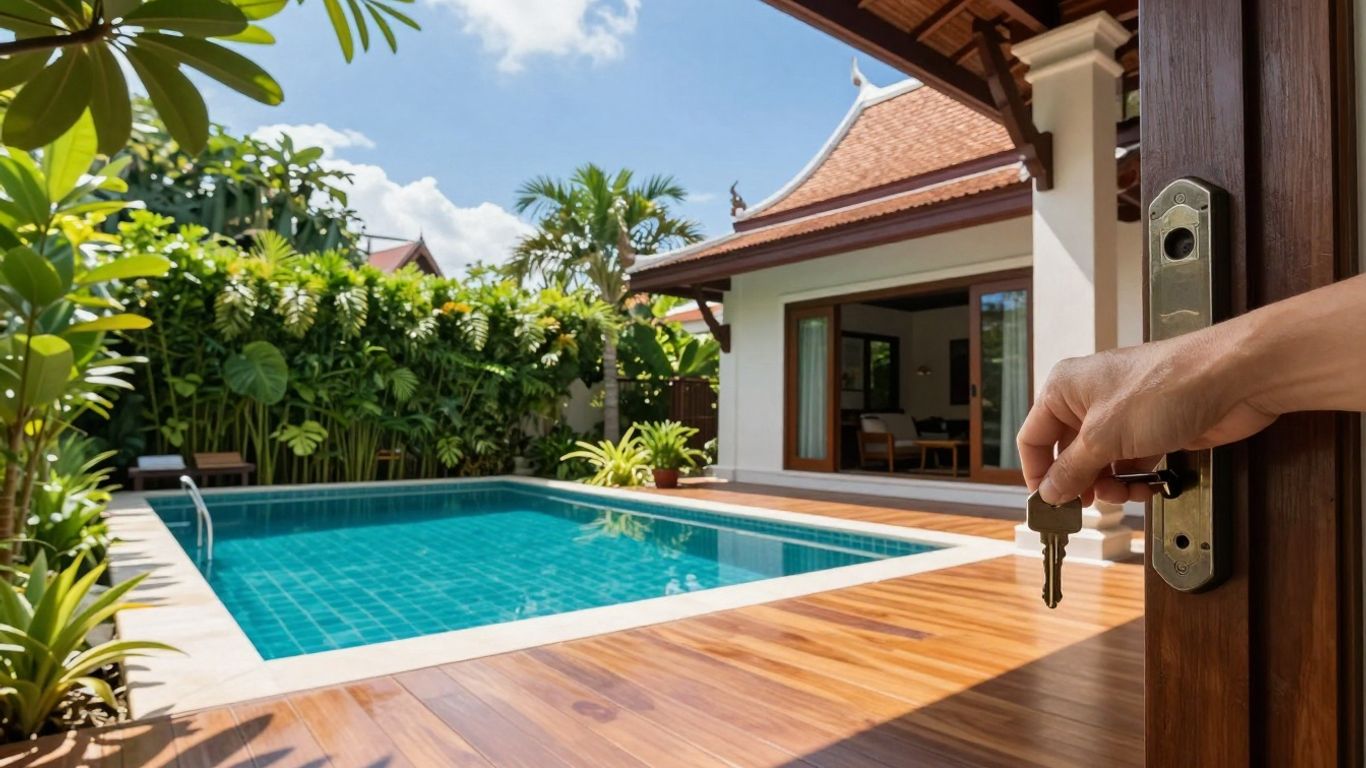
This is the moment you’ve been waiting for! Once everything is in order at the Land Department and all taxes and fees are settled, the final payment is made. This usually happens right there, at the Land Department, or immediately before the official transfer. It’s a good idea to have your funds ready, often via a bank transfer that can be confirmed on the spot. Once the seller confirms receipt of the full amount, they’ll hand over the keys to your new property. It’s a pretty significant moment, marking the physical transfer of your new Phuket home.
Registration of New Ownership
With the payment sorted and the seller’s agreement secured, the Land Department officer will officially register the change of ownership. They’ll update the property’s title deed to show you as the new owner. This is the legal confirmation that the property now belongs to you. It’s a formal process, and the officer will guide you and the seller through signing the necessary paperwork. This step is what makes your ownership legally recognised in Thailand.
Receiving the Title Deed
After the registration is complete, you’ll be issued the official title deed, known as the Chanote (or other relevant title type depending on the property). This document is the ultimate proof of your ownership. It will have your name on it, along with the property’s details. Make sure you keep this document safe; it’s incredibly important. It’s the legal evidence of your property rights in Thailand. You’ll typically receive the original deed, while the Land Department keeps a copy for their records. This marks the successful conclusion of the property transaction process.
It’s worth remembering that while the process is generally straightforward, having a good lawyer by your side can make all the difference. They’ll ensure all the paperwork is correct and that your interests are protected right up to the point you receive your title deed.
Avoiding Common Transaction Pitfalls
Buying property in Phuket, especially from overseas, can feel a bit like trying to assemble flat-pack furniture without the instructions – exciting at first, but potentially a real headache if you’re not careful. Many people get caught out by rushing in, blinded by the sunshine and the dream of a new home, only to find themselves tangled in unexpected issues later on. It’s not about being pessimistic; it’s just about being prepared.
The Importance Of Professional Guidance
Look, nobody wants to spend extra money if they don’t have to, right? But when it comes to property deals, trying to cut corners on legal advice is a false economy. A good local lawyer isn’t just there to read the paperwork; they understand the nuances of Thai property law, the local market, and potential traps that an outsider would never spot. They can check the property’s title is clear, that there are no hidden debts or legal claims against it, and that the seller actually has the right to sell it. Getting this wrong can cost you far more than any legal fees. Think of them as your guide through a complex maze.
Understanding Contractual Obligations
Sale and purchase agreements might look straightforward, but they’re packed with details that have real consequences. It’s not just about the price and the completion date. You need to be clear on what happens if one party can’t fulfil their side of the bargain. What are the terms regarding the deposit? Is it refundable under certain conditions? What about the final payment schedule and who covers which taxes and fees? These aren’t minor points; they’re the bedrock of the deal. Always make sure you, and your lawyer, have gone through every clause and you’re comfortable with what you’re signing up for.
Potential Issues With International Buyers
International buyers often face a few extra hurdles. For starters, there’s the whole process of transferring money from your home country, which involves specific forms and can take time. You’ll need to get the correct Foreign Exchange Transaction Forms from your bank. Then there’s the matter of ownership structures, especially for land, where foreigners have restrictions. Sometimes, people buy leasehold properties without fully grasping what that means long-term. It’s also common for buyers to be overseas when the final transfer happens, meaning you’ll need to grant a Power of Attorney to someone you trust to sign on your behalf at the Land Department. Making sure all these international aspects are handled correctly from the outset is key to a smooth transaction.
Here are some common pitfalls to watch out for:
- Deposit Disputes: Not clearly defining the terms of the deposit, especially regarding refunds if the deal falls through.
- Unclear Title Deeds: Failing to verify the seller’s ownership and checking for any encumbrances on the property.
- Hidden Costs: Underestimating the total cost, including taxes, fees, and potential renovation expenses.
- Communication Breakdowns: Lack of clear communication between buyer, seller, agents, and lawyers, leading to misunderstandings.
It’s easy to get swept up in the excitement of buying a property abroad, but a little bit of caution and professional help goes a long way. Don’t be afraid to ask questions, take your time, and get everything in writing. A well-managed process means you can actually enjoy your new Phuket home without the stress.
When buying property, it’s easy to stumble into problems. We’ve put together some tips to help you avoid common mistakes. Want to learn more about making a smart purchase? Visit our website for expert advice and guides.
Wrapping It All Up
So, there you have it. Buying property in Phuket might seem like a bit of a maze at first, with all the paperwork and steps involved. But honestly, once you break it down, it’s quite manageable. The key really is to get good advice from local experts, like lawyers and agents, and to make sure you’ve got all your documents sorted. Don’t rush things, and always double-check what you’re signing. With a bit of patience and the right help, you’ll be holding those keys to your new place before you know it. It’s a big step, but definitely a rewarding one.
Frequently Asked Questions
What’s the first step when buying a property in Phuket?
It usually starts with finding a place you like and putting down a small booking fee to hold it. This shows you’re serious and takes the property off the market while you sort out the important details.
What is a ‘deposit’ and a ‘down payment’?
A deposit is a small amount paid first to reserve the property. A down payment is a bigger chunk of money paid after you sign the main contract, showing you’re really committed to buying.
Why is ‘due diligence’ so important?
Due diligence is like a thorough check-up for the property. Your lawyer will look into all the legal stuff, like checking the title deeds, to make sure there are no hidden problems. It’s to protect you from any nasty surprises later on.
What’s the Sale and Purchase Agreement?
This is the main contract that spells out all the terms of the sale. It includes details like the price, payment schedule, and who is responsible for what. It’s crucial to have your lawyer review this carefully.
Do I need a special process to pay from overseas?
Yes, if you’re buying from another country, you’ll need to transfer the money in foreign currency. You’ll get special forms from the bank that prove the money came from abroad and is for buying property. These are needed for the official transfer.
What documents do I need to bring to the Land Department?
You’ll need identification like passports, the property’s title deed (like the ‘Chanote’), and possibly a building permit. If it’s a resale home, you might also need a ‘House Book’.
Who pays the fees and taxes when buying property?
Sellers usually pay taxes like income tax. Fees for the transfer and stamp duty are often split between the buyer and seller, but it’s best to confirm this in your contract.
What if I can’t be in Phuket for the final transfer?
No worries! You can give someone you trust, like your lawyer, a ‘Power of Attorney’ (POA). This lets them sign the papers and complete the transfer on your behalf.