

- Where the Market Stands in 2026
- Who Is Buying in 2026
- 2026 Investment Hotspots: Where to Buy
- Freehold vs. Leasehold: What You Need to Know in 2026
- Off-Plan Risk and How to Manage It
- Price Ranges: What to Expect in 2026
- What a Buyer Journey Actually Looks Like
- FAQs
Phuket's property market enters 2026 in a position of genuine strength. Foreign buyer demand is rising, major infrastructure projects are accelerating, and verified new developments are coming to market at a pace not seen in years. If you are researching whether now is the right time to buy property in Phuket, this guide covers what is actually happening on the ground.
Where the Market Stands in 2026
The Phuket real estate market is valued at approximately $12.8 billion, underpinned by sustained foreign buyer activity and a beachfront land supply that simply cannot expand. That combination — constrained supply, growing demand — has kept prices moving in one direction.
Institutional signals reinforce the picture. Sansiri, one of Thailand's largest developers, has committed 15 billion baht to Phuket development. JLL Thailand's growth projections for the island remain positive. The 19th PropertyGuru Asia Property Awards recognised projects across Phuket, reflecting how seriously the development community is taking this market right now.
Three infrastructure projects are shaping buyer decisions in 2026:
- Phuket International Airport expansion — increasing capacity and improving long-haul connectivity
- Andaman Airport in Phang Nga — a new gateway that will open the northwest coast to more international arrivals
- Bumrungrad International Hospital — bringing world-class medical infrastructure to the island, a meaningful draw for retirement buyers in particular
These are not speculative signals. They are committed, funded developments with direct implications for long-term property values.
Who Is Buying in 2026
The buyer profile has broadened considerably. European buyers from the UK, Scandinavia, Germany, and Switzerland remain the core of the foreign market. Australian buyers are consistently active. Middle Eastern buyers have grown significantly, and Chinese and Russian investors represent an increasingly important segment that many agencies are only beginning to address properly.
Most of these buyers have visited Phuket at least once before making a purchase decision. They research extensively online, compare areas carefully, and ask detailed questions about ownership structures well before they speak to an agent. This is a significant financial decision — not an impulse.
Motivations tend to fall into three categories:
- Lifestyle upgrade or relocation — trading a northern European winter for year-round warmth, a private pool, and a slower pace of life
- Retirement planning — Phuket's improving medical infrastructure and established expat community make it a credible long-term base
- Rental yield investment — well-positioned villas and condominiums in the right areas target 5 to 8 percent ROI through short-term rental platforms
2026 Investment Hotspots: Where to Buy
Cherngtalay and Bang Tao
Cherngtalay is the most active area on the island for new development. Its proximity to Boat Avenue, Porto de Phuket, and the Laguna resort complex creates a self-contained lifestyle that appeals to buyers who want walkable amenities alongside a private villa. Modern pool villas here attract both owner-occupiers and rental investors, and demand has remained consistently strong.
Layan
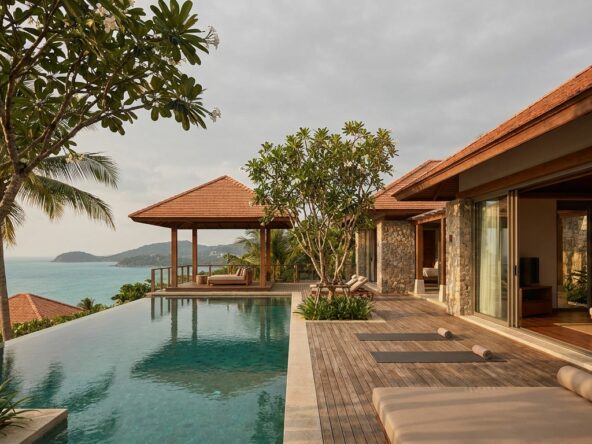
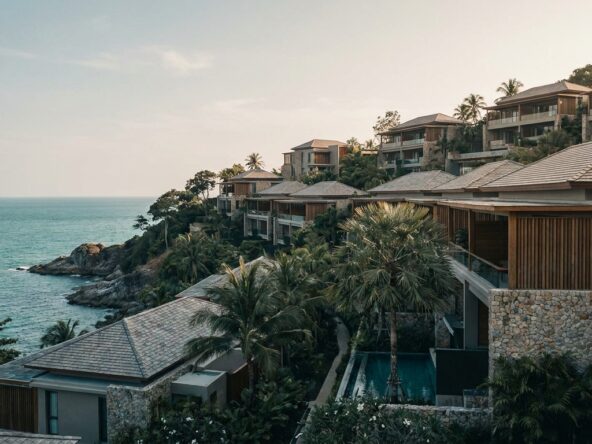
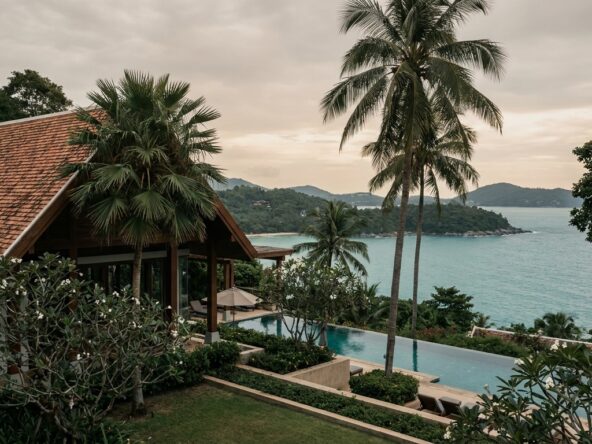
Just north of Bang Tao, Layan offers a noticeably quieter atmosphere. Hillside estates with sea views, beachfront access, and generous plot sizes make it one of the most desirable addresses on the island. Buyers who want space and privacy without the commercial density of Patong or Kamala consistently gravitate here. A freehold villa in Layan remains one of the most sought-after property types in the Phuket market.
Surin
Positioned between Bang Tao and Kamala, Surin carries a reputation for elevated sea views and boutique dining. Premium villa developments here attract buyers who prioritise quality of finish and neighbourhood character, and the area has held its appeal well as the northwest coast has grown.
Rawai
Rawai appeals to a different kind of buyer. The beachfront promenade, seafood markets, and established expat community give it a lived-in character that lifestyle buyers and long-stay residents find genuinely appealing. Villa neighbourhoods here offer strong value relative to the northwest coast, and the area has a loyal, returning buyer base.
Freehold vs. Leasehold: What You Need to Know in 2026
This is the question every foreign buyer asks. It is worth answering plainly.
Foreign nationals cannot own land in Thailand in their own name. That is the starting point. What you can own outright is a condominium unit, provided foreign ownership in the building does not exceed 49 percent of total floor area. This is freehold ownership.
For villas and houses, the most common structures for foreign buyers are:
- Leasehold — typically a 30-year lease, renewable by agreement, with the land held by a Thai entity. Well-structured leasehold agreements offer strong practical security, and many buyers are entirely comfortable with this arrangement.
- Thai company ownership — a limited company holds the land title, with the foreign buyer as a shareholder. This requires proper legal structuring and ongoing compliance.
- Freehold via Thai spouse or partner — possible, but it carries legal and personal risk and should always be reviewed by an independent lawyer.
The right structure depends on your situation, the property type, and how you intend to use or eventually sell the asset. What matters most is that you understand exactly what you are buying before you sign anything.
At OCEAN Worldwide Property, every listing is filtered by ownership type — freehold or leasehold — so you can search with that distinction already applied, rather than discovering it mid-negotiation.
Off-Plan Risk and How to Manage It
Off-plan purchases can offer attractive entry prices and, in the right projects, strong capital appreciation by completion. They also carry real risk if the developer is undercapitalised, inexperienced, or operating without proper permits.
Before committing to any off-plan project, these are the questions worth asking:
- Does the developer have a track record of completed projects in Thailand?
- Are the land title and construction permits in order?
- What is the payment schedule, and what protections exist if the project is delayed?
- Is there an escrow or trust account arrangement for buyer funds?
Working with an agency that has pre-checked its developer relationships removes a significant layer of this risk. OCEAN has been on the ground in Phuket since 2004 and works only with verified developers. That is not a marketing claim — it is a practical filter that protects buyers from the most common pitfalls in the off-plan market.
Price Ranges: What to Expect in 2026
Phuket covers a wide price spectrum depending on area, property type, ownership structure, and proximity to the beach. Broad indicative ranges for 2026:
| Property Type | Entry Range | Premium Range |
|---|---|---|
| Condominium (1–2 bed) | THB 3M – 8M | THB 10M+ |
| Villa (3 bed, leasehold) | THB 10M – 20M | THB 25M+ |
| Villa (3–4 bed, freehold) | THB 15M – 30M | THB 50M+ |
| Beachfront or sea view villa | THB 30M+ | THB 100M+ |
These are directional figures. Prices in Cherngtalay and Layan sit toward the upper end of each range. Rawai and the south of the island offer better value per square metre. New project launches from verified developers often come with competitive launch pricing that moves quickly once a development reaches a certain sales threshold.
What a Buyer Journey Actually Looks Like
Buying property in Phuket does not have to be complicated. A typical journey looks like this:
- Define your brief — area, property type, budget, ownership preference, intended use
- Search and shortlist — using a filtered search that surfaces freehold and leasehold options separately
- View properties — in person where possible, or via video walkthrough for remote buyers
- Due diligence — title search, developer verification, legal review
- Reservation and purchase agreement — typically a reservation deposit followed by a formal sale and purchase agreement
- Completion and transfer — at the Land Department, with a lawyer present
OCEAN handles this process from first search to signed contract. You can browse current villas for sale in Phuket and filter by area, ownership type, and property type directly on the site.
FAQs
Can foreigners buy property in Phuket in 2026?
Yes. Foreign nationals can own condominium units outright (freehold) up to 49 percent of a building's total floor area. For villas and land, the most common structures are leasehold agreements or Thai company ownership. A qualified property lawyer should review any purchase structure before you commit.
What rental yields can I expect from a Phuket villa in 2026?
Well-positioned villas in areas like Cherngtalay, Layan, and Surin typically target 5 to 8 percent gross rental yield through short-term rental platforms. Actual returns depend on location, management quality, occupancy rates, and property condition.
What is the difference between freehold and leasehold in Thailand?
Freehold means you own the asset outright. In Thailand, this applies to condominium units for foreign buyers. Leasehold means you hold a long-term lease on the land — typically 30 years, renewable by agreement — rather than owning the land itself. Both structures are widely used and legally valid when properly documented.
What are the best areas to buy property in Phuket in 2026?
Cherngtalay and Layan are the most active areas for new development and attract strong rental demand. Surin offers premium sea views and a quieter neighbourhood feel. Rawai appeals to lifestyle buyers and long-stay residents and offers relatively strong value. The right area depends on whether you are buying for personal use, rental income, or both.
How do I avoid off-plan risk when buying in Phuket?
Work with an agency that has verified its developer relationships and can provide evidence of completed projects, proper land title documentation, and construction permits. Avoid purchasing from developers you cannot independently verify, and always have a Thai property lawyer review the purchase agreement before signing.
Is 2026 a good time to buy property in Phuket?
The fundamentals are solid: rising foreign demand, constrained land supply, committed infrastructure investment, and a market valued at $12.8 billion with active institutional developer participation. No market is without risk, but the structural drivers in Phuket are well-established rather than speculative.
How long does it take to complete a property purchase in Phuket?
For a resale property with clear title, the process from reservation to transfer typically takes four to eight weeks. Off-plan purchases follow the developer's construction timeline, which can range from 12 months to three years depending on the project stage at the time of purchase.
Phuket's property market in 2026 is active, well-supported by infrastructure investment, and drawing a broader range of international buyers than at any point in recent years. The opportunity is real — and so is the complexity of buying in a foreign market with unfamiliar legal structures.
If you are ready to move from research to viewing, the team at OCEAN Worldwide Property has been on the ground in Phuket since 2004. Explore current listings and connect with an agent at oceanwwp.com.