


Watch This Episode: Our Phuket Real Estate Podcast
Our podcast covers all the topics for property investors looking at buying real estate in Thailand.
Buying property in Phuket can be a fantastic experience, a real dream for many. But honestly, it’s not as simple as just picking a place you like. There’s a lot that can go wrong if you don’t look into things properly. We’re talking about potential scams, legal headaches down the line, or just ending up with a property that isn’t quite what you expected. That’s why doing your homework, or what’s known as Phuket property due diligence, is so important. It’s basically a thorough check to make sure everything is above board before you hand over your hard-earned money.
Key Takeaways
- Always check who really owns the property and that the title deeds are legitimate, especially looking for a ‘Chanote’.
- Make sure there are no hidden debts, legal issues, or restrictions on the property before you buy.
- Get a professional to inspect the property’s condition and test all the utilities.
- Carefully review the purchase agreement with legal help to understand all the terms and payment details.
- Confirm the seller’s identity and background, and check for any legal or financial problems.
Understanding The Necessity Of Phuket Property Due Diligence
Buying property in Phuket, whether it’s a villa by the sea or a condo in town, is a big step. It’s exciting, sure, but it’s also a lot of money. You want to make sure you’re not getting into a situation that causes headaches down the line. That’s where ‘due diligence’ comes in. It’s basically a thorough check of everything related to the property before you commit. Skipping this can lead to some serious problems, like finding out the seller isn’t who they say they are, or that there are debts tied to the land you didn’t know about. It’s about making sure your dream property doesn’t turn into a nightmare.
Safeguarding Your Investment Against Property Fraud
Property fraud is a real risk, even in beautiful Phuket. Sometimes, the person selling the property might not actually be the legal owner, or they might not have the right to sell it. Without proper checks, you could hand over a lot of money and end up with nothing. Due diligence helps confirm the seller’s identity and their legal right to transfer ownership, protecting your hard-earned cash.
Preventing Future Legal Complications
Buying a property can involve complex legalities. There might be outstanding loans, liens, or even disputes over the land that aren’t immediately obvious. These issues can become your problem after you buy. A careful review of the property’s history and legal standing can uncover these potential pitfalls, saving you from costly legal battles later on.
Ensuring A Worry-Free Property Ownership Experience
Ultimately, you want to buy a property in Phuket to enjoy it, not to worry about it. Proper due diligence means you can relax knowing that all the legal bases are covered. It gives you peace of mind that your ownership is secure and that there are no hidden surprises waiting to disrupt your plans.
Verifying Ownership And Title Deeds
When you’re looking at buying property in Phuket, getting the ownership and title deeds sorted is a really big deal. It’s not just about seeing a piece of paper; it’s about making sure that paper actually means what you think it means. You don’t want to hand over a load of cash only to find out the seller wasn’t quite who they said they were, or that the land has some hidden history that could cause problems down the line. It’s all about peace of mind, really.
Investigating The Property’s Ownership History
It’s a good idea to look into who owned the property before. This isn’t always straightforward, but it helps confirm that the property has a legitimate background. You’re essentially tracing its journey to make sure there aren’t any odd gaps or questionable transfers that might suggest a problem.
Confirming The Legitimacy Of Title Deeds
This is where you really need to be thorough. You’ll want to see the actual title deed and, ideally, have a legal professional check it. They can look at the registration details on the back of the deed, which shows all the recorded transactions. If something isn’t registered there, Thai law generally says it’s not legally valid. It’s important to check that the deed hasn’t been altered or isn’t a fake, which sadly does happen.
Understanding The Significance Of A Chanote Title
In Thailand, the ‘Chanote’ title deed is considered the strongest type. It signifies full freehold ownership and usually comes with a survey plan that precisely marks the land’s boundaries. If you see a Chanote, it’s generally a good sign, but you still need to verify its authenticity and check for any registered encumbrances. Other types of deeds exist, and they come with different levels of rights and protections, so knowing which one you’re dealing with is key.
Identifying Encumbrances And Legal Issues
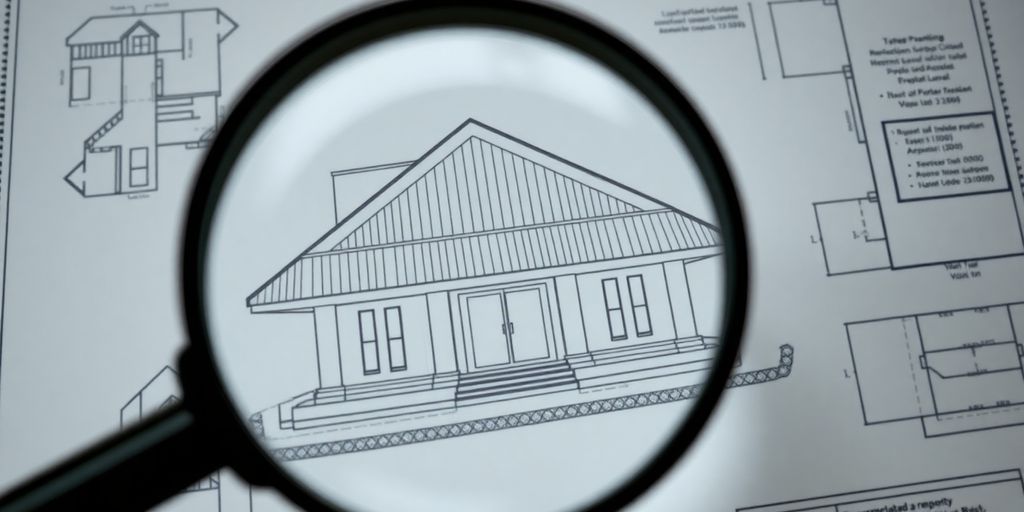
When you’re looking at buying property in Phuket, it’s not just about the shiny brochures and the lovely sea views. You really need to dig into whether there are any hidden problems, you know, things that could cause you a massive headache down the line. This is where checking for encumbrances and other legal snags comes in. It’s all about making sure the property you’re eyeing is actually as clear as it seems.
Detecting Outstanding Debts Or Liens
Properties can sometimes have debts attached to them, like mortgages or other charges. These are called encumbrances. If a property has a mortgage on it, for instance, the bank technically has a claim over it until the loan is fully repaid. You need to be absolutely sure that any such debts will be cleared before or at the time of the sale. A quick look at the property’s title deed at the Land Office should reveal if there are any registered mortgages, leases longer than three years, or other claims against the property. If a lease is shorter than three years, it might not show up on the official records, so that’s something to be aware of.
Uncovering Potential Legal Disputes
It’s also vital to check if the property or its current owner is involved in any ongoing legal battles. This could range from boundary disputes with neighbours to more serious civil or criminal cases. You can usually check this by visiting the local court where the property is located or where the owner is registered. A lawyer can search court databases to see if the owner has any pending cases or a history of legal trouble. If the property itself is tied up in a legal dispute, it might have a note on its title deed, like a pink slip indicating it’s suspended from registration. This is the sort of thing that could completely derail your purchase if you’re not careful.
Ensuring The Seller Has The Right To Sell
This might sound obvious, but you have to confirm that the person selling the property actually has the legal right to do so. Sometimes, especially with inherited properties or complex ownership structures, there can be questions about who truly owns it or has the authority to sell. You’ll want to verify the seller’s identity and ensure there are no other parties with a valid claim to the property. A thorough review of the ownership history and any relevant legal documents is key here. It’s about making sure that when you hand over your money, you’re getting a clear title from someone who is legitimately entitled to sell it to you.
Conducting A Thorough Property Inspection
When you’re looking at buying a property in Phuket, it’s not just about the paperwork. You really need to get your hands dirty, so to speak, and have a good look around. This is your chance to see if the place is actually as good as it looks in the photos and what the seller is telling you.
Visual Assessment Of The Property’s Condition
First off, just walk around the place. Look for any obvious signs of wear and tear. Are there cracks in the walls? Is the paintwork peeling? Check the roof for any damage, especially after a tropical storm. Look at the floors, the windows, and the doors – do they open and close properly? It’s the little things that can add up. Think about the overall upkeep; does it look like it’s been cared for?
Testing All Utilities And Facilities
Don’t forget to test everything that’s supposed to work. Turn on the taps – is the water pressure okay? Do the toilets flush? Check the electrics; flick on some lights and see if the sockets work. If there’s air conditioning, give it a go. What about the internet connection? If there are any shared facilities like a pool or gym, have a look at their condition too. It’s easy to forget these when you’re excited about the place, but they’re important for day-to-day living.
Engaging Professional Property Inspectors
Honestly, for a big purchase like this, it’s probably worth getting someone who knows what they’re doing to have a look. A professional inspector can spot things you might miss. They’ll check the structure, the plumbing, the electrics, and all the bits and bobs that could cause you trouble down the line. They can give you a proper report, which is really useful for making your final decision. It’s a bit of an extra cost, sure, but it could save you a lot of money and hassle later on.
Navigating The Purchase Agreement
Once you’ve found that perfect place in Phuket, the next big hurdle is the purchase agreement. This isn’t just a formality; it’s the bedrock of your transaction, laying out exactly what you’re buying, for how much, and under what conditions. Getting this document right is absolutely vital for a smooth process. It’s where all the details we’ve discussed – like the property’s condition, title clarity, and any seller assurances – get formally written down.
Understanding Key Terms and Conditions
The purchase agreement is essentially a contract, and like any contract, it needs to be crystal clear. You’ll find clauses covering the agreed purchase price, naturally, but also the specifics of the payment schedule. This means knowing exactly when deposits are due and when the final payment needs to be made. It will also detail any conditions that need to be met before the sale is considered final – these are called contingencies. For example, a contingency might be that the sale is dependent on you securing financing or a satisfactory building survey. It’s also where you’ll find details about what’s included in the sale, such as furniture or fixtures.
Clarifying Payment Schedules and Deposits
When you sign the agreement, you’ll typically need to pay a deposit to secure the property. This is a sign of good faith and shows the seller you’re serious. The amount is usually negotiable, but it’s common to see it around 10% of the total purchase price. The agreement must clearly state how and when this deposit is to be paid, and importantly, what happens to it if the sale falls through – under what circumstances you get it back, or if the seller gets to keep it.
The Importance of Legal Assistance in Agreements
Trying to decipher a Thai property purchase agreement on your own, especially if you’re not fluent in the language or familiar with local property law, is a risky business. This is precisely why getting a qualified lawyer who specialises in Thai real estate is so important. They can review the agreement thoroughly, explain all the clauses in plain English, and identify any potential issues or unfair terms that you might miss. They act as your advocate, making sure your interests are protected throughout the entire process. Having a legal expert review the agreement can save you a lot of heartache and money down the line, ensuring you understand every commitment you’re making before you sign on the dotted line. It’s a small price to pay for significant peace of mind and a secure transaction, especially when dealing with significant investments like property in Phuket. For instance, understanding the specifics of Frasers Property (Thailand) (FPT) developments requires careful contract review.
It’s easy to get caught up in the excitement of buying a property, but the purchase agreement is where you need to be most level-headed. Every word matters, and any ambiguity can lead to problems later on.
Essential Document Verification
When you’re looking at property in Phuket, getting all the paperwork sorted is a big deal. It’s not just about the shiny brochures; it’s about making sure the actual documents line up with what you’re being told. This is where you really need to get into the nitty-gritty of the paperwork.
Reviewing Property Title Deeds and Floor Plans
First off, the title deed is your golden ticket. You need to see the original, and not just a copy. It’s important to check that the name on the deed matches the seller’s ID. We also need to look at the history of the deed, not just the current registration. Sometimes, issues from previous transfers can pop up, and you don’t want to inherit those. A proper check involves going back through the land office records to see how the title was originally issued and if there were any problems along the way. It’s also wise to verify the land boundaries against official maps. You don’t want any surprises with neighbours later on.
Checking Construction Permits and Approvals
For any building on the land, you’ve got to make sure it’s all above board. This means checking for the correct building permits. If a property was built without the right approvals, you could face issues down the line, like fines or even having to alter the structure. It’s not just about the main building either; smaller structures might also need permits depending on local regulations. We need to confirm that the actual construction matches what’s on the approved plans.
Examining Owner or Developer Documentation
Beyond the property itself, you need to look at who you’re dealing with. If you’re buying from a developer, you’ll want to see their company registration, any project approvals, and maybe even their track record. If it’s a private seller, you’ll need their identification and proof of ownership. Sometimes, properties are owned by companies, so you’d need to check the company’s legal status too. It’s about making sure the person or entity selling the property has the legal right to do so and is a legitimate operation.
Investigating Seller Background And Status
It might seem a bit much, but really, you need to know who you’re dealing with when buying property in Phuket. It’s not just about the bricks and mortar; it’s about the person or company selling it to you. Making sure the seller is legitimate and has the right to sell is absolutely vital.
Verifying The Seller’s Identity And Reputation
First off, confirm you’re talking to the actual owner or their authorised representative. This usually involves checking official identification. Beyond that, a bit of digging into their reputation can save a lot of hassle. Are they a known developer with a good track record, or a private seller with a history of issues? Sometimes, a quick search online or asking around locally can give you a feel for who they are. It’s about building trust, or at least identifying potential red flags early on.
Checking For Civil And Criminal Records
This is where things get a bit more formal. Your lawyer will typically check court records to see if the seller has any ongoing civil lawsuits or criminal convictions. This isn’t about judging them personally, but about understanding if there are any legal entanglements that could affect the property transaction. For instance, if a seller is involved in a major dispute, it could tie up the property or even put the sale at risk. It’s a standard part of making sure the deal is clean.
Assessing The Seller’s Bankruptcy Status
Another important check is to see if the seller has been declared bankrupt. In Thailand, if someone is bankrupt, they generally can’t conduct major transactions like selling property unless the court specifically allows it. If a seller is bankrupt, their assets might be subject to liquidation, meaning they might not actually have the legal right to transfer ownership to you. This is a big one, as it can completely derail the sale and leave you in a very difficult position. It’s always best to have a clear picture of the seller’s financial standing regarding legal matters before you commit.
It’s easy to get caught up in the excitement of buying a property, especially in a place like Phuket. But taking the time to properly vet the seller is just as important as checking the property itself. It’s about protecting your investment and your peace of mind.
Understanding Land Use And Zoning Regulations
When you’re looking at property in Phuket, it’s not just about the pretty views or the potential rental income. You really need to get your head around what you can and can’t do with the land and any buildings on it. This is where understanding land use and zoning regulations comes in. It’s a bit like checking the rules of the game before you start playing.
Checking Restrictions On Land Use
Different areas in Phuket have different rules about what kind of activities are permitted. For instance, some zones might be strictly residential, meaning you can’t set up a commercial business there. Others might have specific rules about the type of construction allowed, like height limits or how much of the plot you can build on. It’s vital to confirm that your intended use of the property aligns with these local regulations. Failing to do so could mean you’re not allowed to use the property as you planned, or worse, you might face penalties.
Ensuring Compliance With Zoning Laws
Zoning laws dictate how land can be used within a specific area. This covers everything from residential, commercial, industrial, and agricultural uses. In Phuket, like many places, these laws are in place to manage development and protect the environment. For example, there might be restrictions on building near coastlines or in environmentally sensitive areas. You’ll want to make sure the property you’re interested in is correctly zoned for your needs and that any existing structures comply with these rules. It’s also worth checking if there are any proposed changes to zoning that could affect your property in the future. Property owners are encouraged to provide feedback on the proposed Hotel and Overnight Accommodation Act, as it is expected to impact residents living in condominiums and housing estates.
Verifying Property Location And Access
This part is about making sure the property is where you think it is and that you can actually get to it. Sometimes, a property might be shown on a map, but the actual access road might be private or not officially recognised. You need to confirm that there’s legal and practical access to the property, usually via a public road or a registered easement. It’s also important to check the property’s boundaries. Professional surveyors can help validate these, ensuring there are no boundary disputes with neighbours. Imagine buying a place only to find out part of it is encroaching on someone else’s land – that’s a headache you don’t want.
It’s easy to get caught up in the excitement of buying a property, but overlooking these regulatory details can lead to significant problems down the line. Always ask for official documentation and, if possible, get a professional opinion on zoning and land use.
Finalising The Property Transfer Process
So, you’ve done your homework, checked all the paperwork, and you’re ready to make it official. This is where things get really concrete, and it all happens at the local Land Office. It’s not just a quick signature; there are a few key stages to get through to make sure the property is truly yours.
Land Office Verification Procedures
Before anything else, a visit to the Land Office is a must. This is where they confirm the property is all clear – no hidden debts or legal snags. They’ll check the official records to make sure everything is above board. It’s a bit like getting a final health check for the property before you commit.
Completing The Title Deed Transfer
This is the big moment. Both you and the seller, or your authorised representatives, need to be there. The ownership details on the title deed are officially updated. Think of it as the property changing hands, legally speaking, right there on paper. It’s important to have all your ducks in a row for this step.
Settling Property Transfer Taxes
Once the ownership is transferred, there are taxes to sort out. These can include transfer fees, stamp duty, and sometimes other specific business taxes, depending on the property’s value and how it’s being used. Your lawyer will help figure out exactly what’s due and make sure it’s paid correctly. It’s just another part of making the transaction clean and legal.
The Role Of Legal Experts In Due Diligence
When you’re looking to buy property in Phuket, it’s easy to get caught up in the excitement of finding that perfect place. But before you sign anything or hand over any money, getting a legal expert involved is a really good idea. They’re the ones who know all the ins and outs of Thai property law, and they can spot problems that you might completely miss.
Engaging Lawyers Specialising in Thai Real Estate
Finding a lawyer who really knows their stuff when it comes to Thai real estate is key. They’re not just general lawyers; they need to be familiar with the specific laws and regulations that apply to buying property here, especially for foreigners. They’ll be the ones checking all the paperwork, making sure the seller actually owns the property, and that there are no hidden debts or restrictions attached to it. It’s like having a detective for your property purchase.
Benefits of a Lawyer’s Due Diligence Report
A lawyer will put together a detailed report after they’ve done their checks. This report is super important because it lays out everything they found, good and bad. It will confirm if the title deeds are legitimate, check for any court cases against the seller or the property, and even look into the seller’s financial status, like bankruptcy. Basically, it gives you a clear picture of what you’re getting into, so you can make an informed decision. It’s much better than just taking someone’s word for it.
Seeking Expert Advice for a Secure Transaction
Ultimately, using a lawyer for your due diligence process is about protecting your investment. They can help you understand all the legal terms in the purchase agreement, clarify payment schedules, and make sure the entire transfer process at the Land Office goes smoothly. Their involvement can save you a lot of potential headaches and financial loss down the line. It’s a small price to pay for peace of mind when making such a significant purchase.
When you’re looking to buy property, having legal experts help with the checks is super important. They make sure everything is above board and safe for you. It’s like having a guide to help you avoid any tricky spots. Want to know more about how we can help you find your perfect place without any worries? Visit our website today!
So, What’s the Takeaway?
Buying a place in Phuket is a big deal, no doubt about it. You’ve seen the amazing properties, and you’re probably picturing yourself there already. But honestly, rushing in without doing your homework is just asking for trouble. Checking all the paperwork, making sure the seller is legit, and understanding exactly what you’re buying – it all adds up. It might seem like a bit of a faff, but getting a legal expert to look over everything properly means you can relax and actually enjoy your new home or investment, rather than worrying about what might pop up later. It’s really about making sure your dream doesn’t turn into a costly headache.