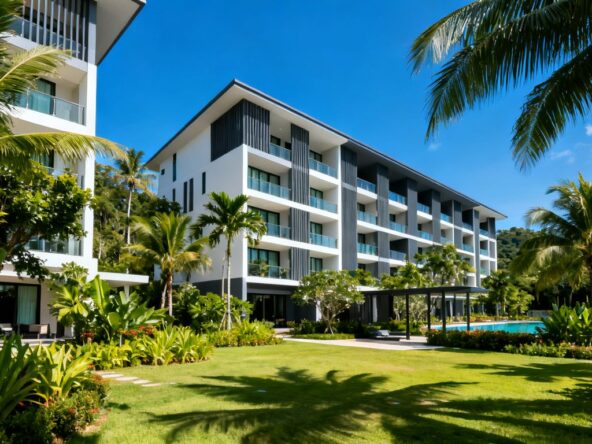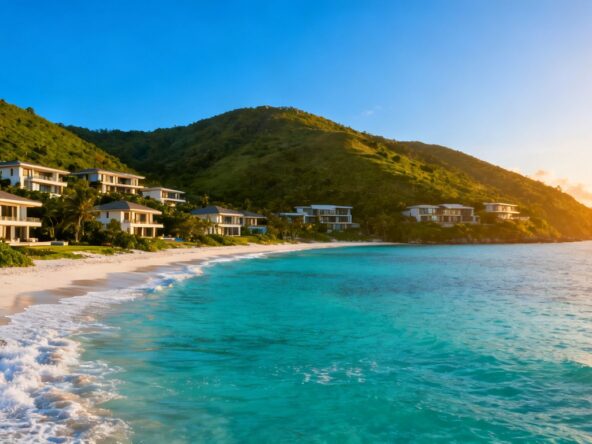


Deciding where to plant your roots or book your next holiday in Phuket can feel like a big choice. It’s not just about picking a beach; it’s about choosing a whole vibe. Phuket is split into two main areas, the North and the South, and they really do offer different experiences. Whether you’re after total peace or non-stop action, understanding the differences in Phuket North vs South property is key to finding your perfect spot.
Key Takeaways
- North Phuket leans towards serenity, offering larger spaces and a more relaxed atmosphere, often appealing to those seeking luxury and quiet. South Phuket, conversely, buzzes with activity, boasting proximity to beaches, nightlife, and a wider range of amenities, making it ideal for those who crave excitement and convenience.
- For families, South Phuket’s access to amenities and child-friendly activities might be more appealing, though North Phuket also provides options within private communities. Digital nomads and expats might find the calmer, developing areas in North Phuket, like Cherngtalay, more suited for longer stays, while South Phuket offers a lively balance of work and leisure.
- Investment-wise, South Phuket generally leads in the short-term rental market due to higher tourist footfall, offering quicker income potential. North Phuket, with its larger land plots and newer developments, presents strong long-term growth prospects, particularly attractive for buyers focused on personal use or future appreciation.
- Property types differ significantly: North Phuket is known for its luxury villas on spacious plots and modern, newer builds. South Phuket offers a diverse range, from apartments close to beaches and entertainment hubs to various accommodation styles catering to different budgets and preferences.
- When considering Phuket North vs South property, think about your priorities. If peace, space, and luxury are paramount, the North calls. If vibrant energy, constant activity, and easy access to everything are more your style, the South is likely the winner. Many visitors find that splitting their time between both regions offers the best of both worlds.
Understanding Phuket’s Distinct Regions
Phuket, that big island down south in Thailand, isn’t just one big holiday spot. It’s actually got two pretty different vibes depending on where you are. Think of it like two sides of a coin, each offering something unique for your trip or even your property search. Understanding these differences is key to finding your perfect Phuket experience.
North Phuket: Serenity and Space
If you’re picturing quiet beaches, wide-open spaces, and a generally more chilled-out atmosphere, then North Phuket is probably more your speed. Areas like Nai Yang and Mai Khao are known for being a bit more secluded. It’s the kind of place where you can actually hear the waves without a hundred other people around. You’ll find some really nice, upscale places up here, and it’s handy if you want to be close to the airport for quick arrivals and departures. It feels a bit more spread out, and you get a real sense of calm.
The northern part of the island often appeals to those looking for a more relaxed pace of life, away from the hustle and bustle. It’s a good spot for unwinding and enjoying the natural beauty without constant crowds.
South Phuket: Vibrancy and Activity
Now, if you’re more about being in the thick of it – lots of restaurants, shops, and things to do – then South Phuket is where it’s at. This is the part most people think of when they imagine Phuket, with famous spots like Patong, Karon, and Kata. It’s buzzing with energy, especially in the evenings. You’ve got tour operators everywhere, making it easy to book day trips, and there’s a huge variety of places to eat and stay. It can get busy, though, especially during peak season, and traffic can be a bit of a headache sometimes. It’s definitely the place for convenience and having loads of options right on your doorstep. If you’re after a lively holiday, this is probably your best bet. You can find some great deals on accommodation here, especially if you’re not tied to a specific area. For example, looking at places near Bang Tao beach can offer a good balance.
Lifestyle Considerations for Phuket North vs South Property
Deciding where to put down roots or even just spend your holiday in Phuket really boils down to what kind of vibe you’re after. It’s not just about the scenery, but how you want to live your day-to-day life.
Family-Friendly Amenities and Activities
For families, the south often seems like the go-to. You’ve got a bunch of kid-friendly spots, easy access to supermarkets, and plenty of organised activities. Think water parks, kid-friendly restaurants, and beaches with calmer waters. However, don’t discount the north entirely. Many of the larger villa developments up north are incredibly family-oriented, offering more space and privacy, which can be a huge plus when you’ve got little ones running around. Plus, some of the quieter beaches in the north are perfect for younger children.
Digital Nomad and Expat Appeal
If you’re working remotely or looking to settle as an expat, the north has been quietly upping its game. Areas like Cherngtalay are now dotted with cool cafes and co-working spaces, attracting a growing international crowd. It offers a more laid-back pace, which can be great for focusing on work. The south, while busier, also has its appeal for digital nomads who want to be right in the thick of things – close to the action, with endless dining and social options. It’s about balancing that need for quiet concentration with easy access to everything else.
Balancing Work with Leisure
This is where the choice gets interesting. The north offers a more serene environment, ideal for those who want to truly switch off after work. Imagine finishing your tasks and stepping out onto a quiet beach or into your private garden. The south, on the other hand, is all about immediate gratification. You can finish work and be at a lively beach bar or trying a new restaurant within minutes. It’s a trade-off between peaceful seclusion and constant entertainment. Ultimately, your ideal location depends on whether you prefer your leisure to be a deliberate escape or an integrated part of your daily routine.
The pace of life is noticeably different between the two regions. The north tends to move slower, encouraging a more relaxed approach to both work and play. The south, being the more developed tourist hub, naturally operates at a faster tempo, with more options available at any given moment.
Investment Potential: Phuket North vs South Property
When you’re thinking about putting your money into property in Phuket, the north and south sides really do offer quite different opportunities. It’s not just about where the beach is, you know? The whole vibe changes, and that affects who wants to rent or buy.
Short-Term Rental Market Dynamics
If you’re looking to make a bit of cash from your property through short-term lets, like on Airbnb or similar sites, the south generally has the edge. Think Patong, Karon, Kata – these places are buzzing with tourists all year round. They want to be right in the thick of things, close to the action, the restaurants, and the nightlife. This constant flow of visitors means a higher occupancy rate and potentially better returns for short-term rentals. The north, being more laid-back, sees fewer of these quick holidaymakers, so the short-term market isn’t quite as robust, though it’s growing in certain spots.
Long-Term Growth Prospects
For those thinking longer term, the north starts to look really interesting. Areas like Cherngtalay and further up towards Bang Tao are seeing a lot of development, attracting people who want a bit more space and a quieter lifestyle. This includes expats looking for a more permanent base and families wanting a bit of room to breathe. As these areas mature and more amenities pop up, property values are expected to climb steadily. It’s less about quick rental income and more about capital appreciation over the years. The south, while popular, is already quite developed, so the scope for massive growth might be more limited compared to the emerging areas in the north.
High-End Property Buyer Interest
Interestingly, the north is becoming a real magnet for buyers looking for luxury and exclusivity. You’ll find more large plots of land here, perfect for building impressive villas with private pools and gardens. Gated communities offering security and privacy are also a big draw. These buyers aren’t necessarily looking for rental income; they’re often purchasing holiday homes or places to retire to. This demand for high-end properties in the north is helping to drive up prices in those specific, desirable locations. The south also has luxury options, but the north seems to be carving out a niche for a particular type of discerning, high-net-worth buyer seeking space and prestige.
The investment landscape in Phuket is definitely bifurcated. While the south capitalises on high tourist volume for short-term gains, the north is increasingly appealing for its long-term appreciation potential and its draw for luxury property purchasers seeking space and exclusivity.
Property Types and Value in Northern Phuket
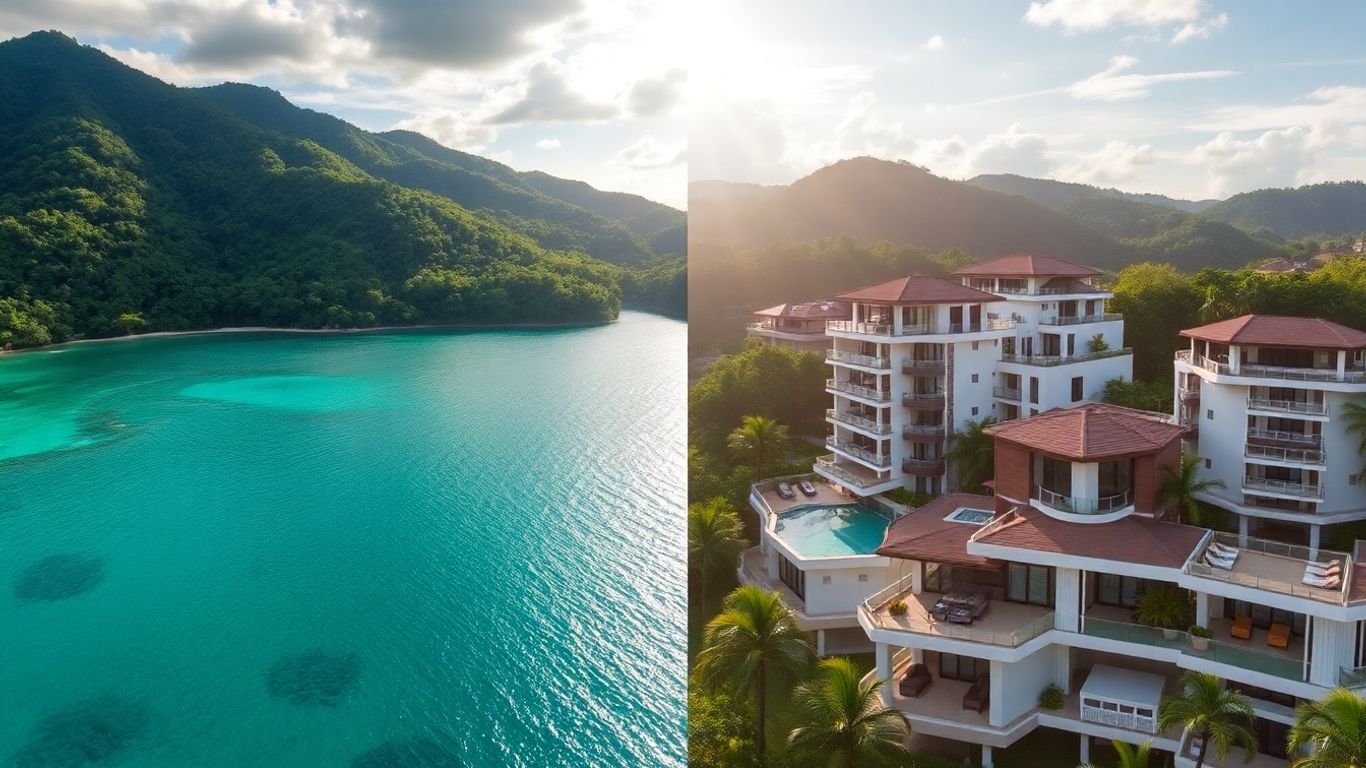
When you’re looking at property in the northern parts of Phuket, things tend to lean towards a certain kind of buyer. It’s not so much about being right on top of the busiest nightlife, but more about having space and a bit of peace.
Luxury Villas and Gated Communities
This is where North Phuket really shines. You’ll find a lot of high-end villas, often tucked away in secure, gated communities. These places are designed for privacy and comfort, with shared facilities like pools, gyms, and sometimes even private beach access. They’re perfect if you’re after a bit of quiet luxury and don’t mind being a little further from the main hubs. Think of places like Bang Tao or Cherngtalay – they’ve got some really impressive estates.
Larger Land Plots for Development
Another thing you’ll notice up north is the availability of larger plots of land. This appeals to people who want to build their dream home from scratch or perhaps invest in a development project. The land itself can be quite reasonably priced compared to the south, especially if you’re looking at areas slightly inland. It offers a chance to really make your mark on the island.
Newer Developments and Modern Living
North Phuket has seen a lot of new construction in recent years. Developers are putting up modern apartments, townhouses, and villas that come with all the latest amenities. These places often focus on a contemporary aesthetic and smart living features. They’re a good option if you want something fresh and up-to-date, often with good communal spaces.
Here’s a quick look at what you might expect:
| Property Type | Typical Location Examples | Key Features |
|---|---|---|
| Luxury Villa | Bang Tao, Cherngtalay | Private pools, sea views, gated communities |
| Modern Apartment | Thalang, Boat Lagoon | Communal pools, gyms, contemporary design |
| Land Plot | Inland areas | Larger sizes, potential for custom builds |
| Family Townhouse | Gated Estates | Shared facilities, secure environment |
The northern region often attracts those looking for a more permanent base or a holiday home where they can truly unwind. It’s less about the fleeting tourist crowd and more about establishing a comfortable, long-term presence. The focus is on quality of life, space, and a sense of calm.
It’s worth noting that while these areas are quieter, they’re still developing. You’ll find good restaurants and cafes popping up, and transport is generally manageable, especially if you have your own wheels. It’s a different vibe to the south, for sure, but one that many people find incredibly appealing.
Property Characteristics in Southern Phuket
When you think of Southern Phuket, you’re probably picturing the classic postcard images – think bustling beaches, vibrant nightlife, and a constant buzz of activity. This side of the island really leans into its reputation as a holiday hotspot, and the property reflects that.
You’ll find a real mix of accommodation options here, from budget-friendly guesthouses to swanky beachfront resorts. It’s all about being close to the action. Many places are just a stone’s throw from the sand, meaning you can roll out of bed and be on the beach in minutes. This proximity to the sea is a massive draw, obviously, but it also means you’re usually right in the thick of things.
Beyond the immediate beach access, the southern regions are packed with amenities. Think endless rows of restaurants serving everything from local Thai curries to international favourites, lively bars, shops selling souvenirs and beachwear, and plenty of tour operators ready to whisk you away on an island-hopping adventure. Supermarkets are plentiful, making it easy to stock up on essentials, and you’re generally well-connected to other parts of the island.
Here’s a quick look at what you might find:
- Beachfront Condos: Often smaller, modern units with sea views, perfect for short stays or rental income.
- Villas (often in complexes): While not as sprawling as some northern plots, you can still find private villas, sometimes with shared facilities like pools.
- Guesthouses and Small Hotels: These are everywhere, catering to a wide range of budgets and offering that convenient, central location.
- Serviced Apartments: A good middle ground, offering more space and facilities than a hotel room but still with that serviced convenience.
The southern property market is heavily geared towards short-term stays and holidaymakers. This means a lot of places are designed for comfort and convenience, with easy access to entertainment and dining. While you might not get the vast plots of land you’d find up north, you gain immediate access to Phuket’s most famous attractions and a lively atmosphere.
For those who want to be right in the heart of the holiday buzz, with everything they need just a short walk or taxi ride away, the southern part of Phuket certainly delivers. It’s a place where convenience and entertainment are key selling points for any property.
Cost of Living and Property Investment
When you’re thinking about buying property in Phuket, it’s not just about the house itself, is it? You’ve got to consider what it costs to actually live there, day to day. And this is where the North versus South divide really starts to show.
Budget-Friendly Northern Thailand
Generally speaking, the northern parts of Phuket tend to be a bit kinder on the wallet. Think quieter towns, fewer massive tourist crowds, and a more local feel. This often translates into lower prices for everyday things like groceries, eating out at local spots, and even some services. If you’re looking to stretch your budget further, or perhaps plan for a longer stay, the north definitely has an edge. It feels more like a place where people actually live, rather than just visit.
Higher Costs in Tourist Hotspots
Head south, and you’re stepping into the heart of Phuket’s famous tourist zones. Places like Patong, Karon, and Kata are buzzing with activity, which is great for atmosphere, but it does bump up the prices. Accommodation, restaurants catering to international tastes, and even transport can be noticeably more expensive here. It’s the price you pay for being right in the thick of the action, close to the famous beaches and nightlife. For property investment, this often means higher rental yields in the short term due to demand, but also a higher entry cost for buyers.
Value for Money in Property Purchases
So, where do you get the best bang for your buck? It really depends on what you’re after. In the north, you might find you can afford a larger property, perhaps with more land, for the same price as a smaller condo or apartment in a prime southern location. This offers a different kind of value – more space, more privacy, and potentially a more relaxed lifestyle. The south, however, offers value in terms of immediate access to amenities and entertainment. It’s a trade-off between space and convenience.
Here’s a rough idea of how costs can stack up:
| Item | North Phuket (Approx. £) | South Phuket (Approx. £) |
|---|---|---|
| Local Meal | 2 – 4 | 3 – 7 |
| Imported Groceries | 5 – 10 | 7 – 15 |
| Scooter Rental (Day) | 5 – 8 | 6 – 10 |
| Mid-Range Villa (Sale) | Starting from 200,000 | Starting from 300,000 |
| Apartment (Sale) | Starting from 80,000 | Starting from 120,000 |
Remember, these are just ballpark figures. Actual prices can swing quite a bit based on the specific location, the condition of the property, and current market trends. It’s always wise to do your homework and visit areas yourself to get a real feel for the costs involved.
Ultimately, ‘value’ isn’t just about the lowest price. It’s about what you get for your money and how well it fits your personal needs and financial goals. Whether that’s more space and quiet in the north, or prime beach access and buzz in the south, both regions present different opportunities for property owners.
Navigating Phuket’s Transport and Accessibility
Getting around Phuket is a bit of a mixed bag, and where you stay can really make a difference to your daily travel. It’s not like hopping on a tube in London, that’s for sure.
Airport Proximity in the North
If you’re looking at properties in the northern part of the island, like Mai Khao or Bang Tao, you’ll be pleased to know the airport is relatively close. This means less time spent on a transfer after a long flight. You can usually grab a shuttle service right from the airport, which is pretty straightforward and budget-friendly. Many hotels in this area also offer their own transfers, sometimes even for free if you’re staying in one of the more upscale places. It’s a good idea to check with your accommodation beforehand about the best way to reach them.
Island-Wide Travel Considerations
Phuket is bigger than it looks on a map, and getting from one side to the other can take a while. The roads can get busy, especially in the south during peak season. If you’re planning on exploring different beaches or towns regularly, you’ll want to factor this in. Renting a car or a scooter gives you the most freedom, but be prepared for local driving styles. For longer distances, taxis are available, and while they’ve improved, they can still add up cost-wise. Some people find using ride-hailing apps like Grab to be a good balance between cost and convenience.
Local Transportation Options
Within towns and beach areas, you’ll find a few options. Songthaews, which are shared pick-up trucks with benches, are a common sight and a cheap way to get around if you’re on their routes. Meter taxis are also readily available, but always confirm the meter is used or agree on a price beforehand. For shorter hops, especially in busier areas like Patong, tuk-tuks are an option, though they tend to be more expensive than taxis. If you’re staying in a resort area, you might find local shuttle services that connect you to nearby points of interest. For those looking for modern homes with open layouts and indoor-outdoor living, areas like Laguna offer a good base, and you can find property for sale with various amenities.
Getting around Phuket requires a bit of planning. While the island has improved its transport infrastructure, distances can be deceiving, and traffic can be a factor. Understanding the different transport methods and their costs will help you make the most of your time and budget, whether you’re heading to a quiet northern beach or the bustling south.
Choosing Your Ideal Phuket Property Location
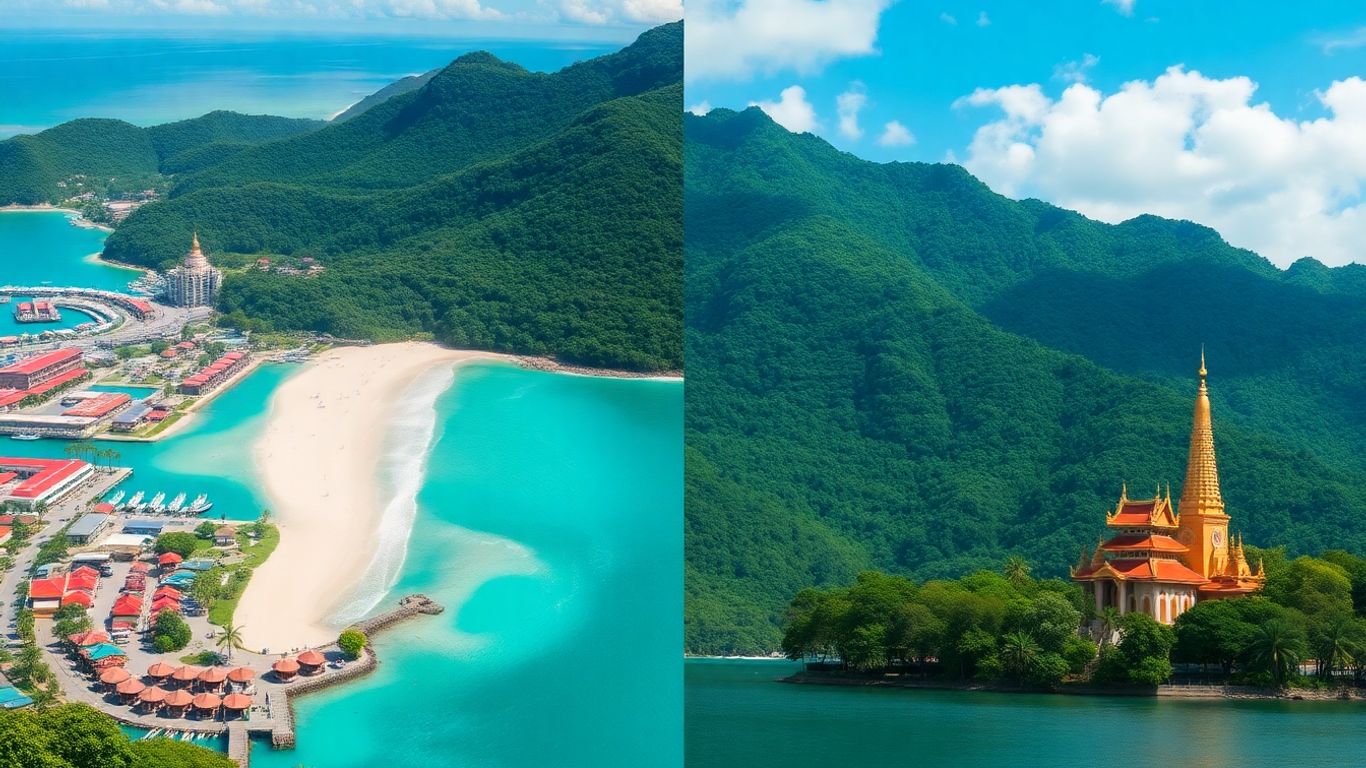
So, you’ve got a good idea of what Phuket’s north and south have to offer, but how do you actually pick the spot that’s right for you? It really boils down to what you’re after during your time here. Are you dreaming of quiet mornings and wide-open spaces, or are you picturing yourself right in the thick of the action, with everything on your doorstep?
Prioritising Peace and Luxury
If your idea of a perfect holiday involves waking up to the sound of gentle waves, enjoying long, uncrowded walks on the beach, and generally slowing down the pace, then the northern part of Phuket is probably calling your name. Think areas like Nai Yang or Mai Khao. It’s where you’ll find more space, a more relaxed vibe, and often, more upscale properties. It’s ideal if you’re looking for a tranquil escape, perhaps a place to retire or just get away from the hustle and bustle. You might find yourself needing to travel a bit further for certain amenities, but for many, that’s part of the charm – a deliberate choice for serenity.
Seeking Excitement and Convenience
On the flip side, if you thrive on energy, variety, and having everything within easy reach, the south of Phuket is likely your jam. Places like Patong, Karon, and Kata are buzzing with activity. You’ve got a huge range of restaurants, shops, nightlife, and tour operators all packed together. It’s super convenient, especially if you’re on a shorter trip and want to pack in as much as possible. Families often find the south a good bet too, with plenty of kid-friendly activities and facilities readily available. Just be prepared for more crowds, especially during peak season.
Balancing Both Worlds: Split Stays
Honestly, you don’t always have to choose just one! Many visitors find that splitting their time between the north and south offers the best of both worlds. You could start your trip with a few days of pure relaxation up north, soaking in the peace and quiet, and then head south for a few days of vibrant exploration and entertainment. It’s a fantastic way to experience the full spectrum of what Phuket has to offer without feeling like you’re missing out on either side. It does mean a bit more packing and moving, but the trade-off in experiencing both atmospheres can be well worth it.
Deciding where to base yourself in Phuket is less about which area is ‘better’ and more about which area aligns with your personal travel style and priorities for your stay. Consider what your days will look like – will they be filled with exploring bustling markets and lively beaches, or quiet contemplation and scenic views? Your answer will point you in the right direction.
Here’s a quick rundown to help you decide:
- North Phuket: Best for peace, quiet, space, luxury villas, longer stays, and a slower pace of life.
- South Phuket: Ideal for those seeking vibrant nightlife, easy access to beaches and amenities, family activities, and a more energetic atmosphere.
- Split Stay: Perfect for experiencing the contrast between tranquility and excitement, offering a well-rounded Phuket adventure.
Seasonal Considerations for Phuket Property
Best Times to Visit North Thailand
When thinking about visiting the northern parts of Phuket, it’s good to know that the weather tends to have three main phases. You’ve got the hot spell from March to May, then the rainy period from June through October. After that, things cool down from late October until about February. Honestly, the best time to go up north is during that cooler spell. We Brits might not call it ‘cool’ exactly, with temperatures usually sitting between 20 and 25 degrees Celsius, but the skies are generally clear. This makes it absolutely perfect for getting out and about, whether you fancy a hike or just a nice long walk on the beach. It’s a much more relaxed vibe up there during these months.
Optimal Seasons for South Thailand Beaches
Down in the south of Phuket, it’s pretty warm all year round, which is nice. But there are still two main seasons to keep in mind. From about November to April, it’s the cooler, drier time. The sun’s out, but it’s not too humid, making it ideal for beach days. This is also when the island sees the most visitors, so expect it to be busier. Then, from May to October, you’re looking at the hot and wet season. This means heavier rain and storms, and sometimes smaller islands might close or boat services get reduced. So, if you’re dreaming of soaking up the sun on the southern beaches, the dry season is definitely your best bet, though it does come with more crowds. It’s a bit of a trade-off, isn’t it?
Weather Patterns and Travel Choices
Understanding the weather really does shape your trip. If you’re planning on exploring the quieter, more natural spots in the north, aiming for the cool, dry season (late October to February) is a smart move. You’ll get the best conditions for outdoor activities and generally clearer skies. For those drawn to the famous beaches and lively atmosphere of the south, the November to April window offers the most pleasant beach weather, though it’s also the peak tourist season.
Choosing when to visit can significantly impact your experience. The north offers a more temperate climate during its ‘cool’ season, ideal for exploration, while the south is consistently warm but experiences a distinct wet season that can affect activities.
When you’re looking at property, especially if you’re thinking about renting it out, the season matters. For instance, the north might see more interest from long-term visitors or those seeking a peaceful retreat during its pleasant months. The south, however, thrives with short-term holidaymakers during its dry season, which can mean higher rental yields. It’s worth considering if you’re looking at land plots for development or existing homes as an investment. Ultimately, your personal preferences for weather and crowd levels will guide your decision on the best time to be in either part of the island.
When thinking about buying property in Phuket, it’s smart to consider the weather. The island has distinct wet and dry seasons, which can affect everything from construction schedules to the general vibe. Understanding these seasonal changes helps you make a more informed decision about your investment. For more details on how the seasons might impact your property search, check out our latest insights on the Phuket property market.
So, Which Phuket Is Right For You?
Right then, after all that, it really boils down to what you’re after, doesn’t it? If a bit of peace, loads of space, and maybe a touch of luxury sounds like your sort of thing, then North Phuket is probably calling your name. But if you’re more about the buzz, easy access to everything, and a lively atmosphere, then the South is likely your best bet. Honestly, neither side is ‘wrong’ – they just offer different vibes. Plenty of folks find a way to enjoy both, maybe a quiet few days up north followed by some fun down south. Whichever way you lean, you’re pretty much guaranteed a cracking time in Phuket.
Frequently Asked Questions
What’s the main difference between North and South Phuket?
Think of North Phuket as the calm, quiet side, with more space and fewer crowds. It’s great for relaxing and enjoying nature. South Phuket, on the other hand, is buzzing with energy. It’s packed with beaches, shops, restaurants, and nightlife, making it a lively spot.
Which area is better for families?
South Phuket often has more family-friendly spots because it’s closer to lots of activities and has a wider range of places to eat and shop. However, North Phuket also has nice family options, especially in bigger villa communities where you get more privacy and room to spread out.
Is North Phuket good for digital nomads or long-term visitors?
Yes, North Phuket is becoming a cool spot for people working online. Areas like Cherngtalay have modern cafes, places to work together, and a growing number of people from other countries. It offers a more peaceful vibe while still being connected.
Which side is better for investing in property?
For making money from short-term rentals, South Phuket is usually stronger because so many tourists visit there. If you’re thinking long-term, like for retirement or your own holiday home, North Phuket is becoming popular with buyers looking for bigger plots of land and newer, modern homes.
What kind of properties can I find in North Phuket?
In North Phuket, you’ll often see fancy villas, especially in secure housing estates, and larger pieces of land that are good for building. There are also many new buildings with modern designs.
What makes South Phuket attractive for property?
South Phuket’s big draw is being close to popular beaches and all the fun stuff like entertainment and food. You’ll find all sorts of places to stay, from simple rooms to fancy hotels, and it’s easy to get to shops and other useful places.
Is it cheaper to live or buy property in North or South Phuket?
Generally, North Phuket tends to be more budget-friendly. You’ll find that things like accommodation and food can cost less. South Phuket, being a major tourist hub, often has higher prices, especially for accommodation and activities.
How easy is it to get around Phuket?
The airport is closer to North Phuket, which is handy for arrivals and departures. Getting around the whole island can take time, especially in the busy South. You’ll likely need to use taxis, rent a scooter, or use local transport options, which can vary in cost and availability depending on where you are.