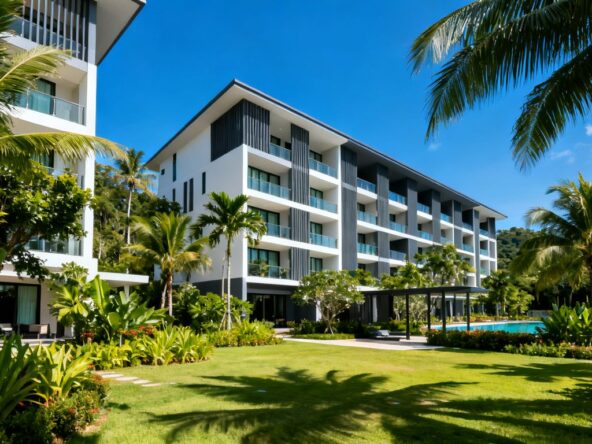


Watch This Episode: Our Phuket Real Estate Podcast
Our podcast covers all the topics for property investors looking at buying real estate in Thailand.
Thinking about buying a villa in Phuket? It’s a big step, and honestly, there’s a lot to sort out. You’ve got to figure out how foreigners can actually own property here, which isn’t always straightforward. Then there’s the whole leasehold versus freehold thing, and even setting up a company if that’s the route you need to go down. It can feel a bit like a maze, but with the right information, it’s definitely manageable. We’ll break down the main Phuket villa ownership options so you can get a clearer picture.
Key Takeaways
- Foreigners can own property in Thailand, but there are specific laws to follow, especially regarding land ownership.
- Leasehold agreements offer long-term use of property, while freehold typically applies to condominiums for foreign buyers.
- Setting up a Thai limited company is one way for foreigners to own property, but it comes with its own regulations.
- Understanding the Phuket property market trends and choosing the right location are vital for a good investment.
- Using reputable agents and conducting thorough due diligence can help avoid common pitfalls when buying a villa.
Understanding Phuket Villa Ownership Options
When you’re thinking about buying a villa in Phuket, it’s not quite as straightforward as buying a house back home. There are a few different ways you can actually own property here as a foreigner, and it’s good to know what you’re getting into before you sign anything. Understanding these options is the first big step.
Foreign Ownership Laws in Thailand
Thailand has specific rules about who can own what. Generally, foreigners can’t own land outright. This means you can’t just buy a plot of land and build your dream villa on it in your own name. However, there are ways around this, and it’s all about knowing the legal framework. For instance, you can own a condominium unit, but there are limits on how much foreign ownership is allowed in any single condo building. It’s a bit of a balancing act, really.
Leasehold vs. Freehold Property
This is a big one. Freehold means you own the property outright, forever. Leasehold, on the other hand, means you lease the property for a set period, usually 30 years, with options to renew. Think of it like renting, but for a very long time. Many foreigners opt for a long-term lease, which can feel very much like ownership, especially with renewal clauses. It’s a common way to secure property here, and it’s perfectly legal. You can find out more about the legal agreements involved.
Buying Property Through a Thai Limited Company
Another route some people take is setting up a Thai limited company to own the property. This sounds complicated, and it can be, but it’s a well-established method for foreigners to gain control over land ownership. The company structure needs to be set up correctly, with a majority of shares held by Thai nationals, though you can still maintain control through various legal means. It requires careful planning and professional advice to make sure everything is above board and secure.
Navigating the Phuket Property Market
So, you’re thinking about buying a villa in Phuket. That’s exciting! But before you get too carried away with visions of beachfront sunsets, it’s smart to get a handle on what’s actually happening in the property market there. It’s not just about pretty views, you know. You need to know where the good deals are, what areas are growing, and what kind of prices you’re looking at. It can feel a bit overwhelming at first, trying to figure it all out.
Phuket Property Market Trends and Hotspots
Phuket’s property scene is always shifting. Right now, areas like Cherngtalay and Bang Tao are still popular, especially for those looking for villas close to the beach and good amenities. You’ll find a mix of older, established properties and newer developments. Further south, Rawai and Nai Harn are attracting buyers looking for a slightly more laid-back vibe, often with more affordable options. It’s worth keeping an eye on areas that are seeing new infrastructure development, as these often see property values rise.
Choosing the Right Property in Phuket
When you’re picking a villa, think about what you actually want. Is it a holiday home, a place to live full-time, or an investment for rental income? This will guide your choice of location and type of property. For example, if you want rental income, you’ll want to be somewhere tourists flock to. If it’s a retirement spot, maybe a quieter area with good healthcare access is better. Consider the long-term potential of the area, not just its current appeal.
Evaluating Villa Condition and Value
Don’t just fall for the first nice-looking villa you see. You really need to check it over. Look for signs of wear and tear, especially in a tropical climate where humidity and salt air can take their toll. Check the plumbing, electrics, and the roof. It’s also a good idea to get an independent valuation to make sure you’re not overpaying. A property like this 3-bedroom pool villa might look great, but a thorough inspection is always wise.
It’s easy to get caught up in the excitement of buying a property abroad, but a bit of careful research goes a long way. Understanding the local market dynamics and property values will help you make a sound decision.
Investing in Phuket Villas for Rental Yield
Thinking about buying a villa in Phuket with the idea of renting it out? It’s a popular move, and for good reason. The island draws a lot of tourists, so there’s definitely potential to make some money back on your investment. But it’s not just about picking any villa; you need to be smart about it.
Profitable Areas for Villa Rentals
Some parts of Phuket are just better for rentals than others. Areas like Bang Tao, Surin, and Kamala are often popular with families and those looking for a bit more luxury, which can mean higher rental rates. If you’re aiming for a younger crowd or those on a tighter budget, places closer to Patong might work, though it’s a different vibe. It’s worth looking at what kind of tourist is visiting each area and what they’re looking for in accommodation. You want to be where people want to stay, and that often means being close to beaches, good restaurants, and maybe some nightlife, depending on your target renter. Checking out the Phuket property market trends can give you a good idea of where demand is strongest.
Maximising Returns on Investment
To really get the most out of your villa, you need to think beyond just the purchase price. What kind of facilities does it have? A private pool is almost a must-have these days. Is it well-maintained? A villa that looks a bit tired won’t fetch the same rental income as a fresh, modern one. You might also consider offering extra services, like airport transfers or local tours, though this adds to your workload. Sometimes, joining a rental pool managed by the resort or a professional company can be a good way to ensure consistent bookings, even if you don’t get to keep 100% of the income. It’s a trade-off between hassle and income.
Benefits of Buying in a Booming Tourism Market
Phuket’s tourism industry is pretty strong, and that’s good news for villa owners. When more people are visiting, more people are looking for places to stay. This means your villa is more likely to be occupied throughout the year, especially during peak seasons. It’s not just about the money, though. Owning a villa in a popular spot means you also have a fantastic holiday home for yourself. You get to enjoy the island’s beauty and lifestyle, and when you’re not there, it can be earning you money. It’s a way to combine a lifestyle choice with a financial investment.
When you’re looking at villas for rental income, think about the long game. What areas are likely to stay popular? Are there any new developments planned that might affect property values or rental demand? Doing a bit of homework now can save you a lot of headaches later on.
The Process of Buying a Phuket Villa
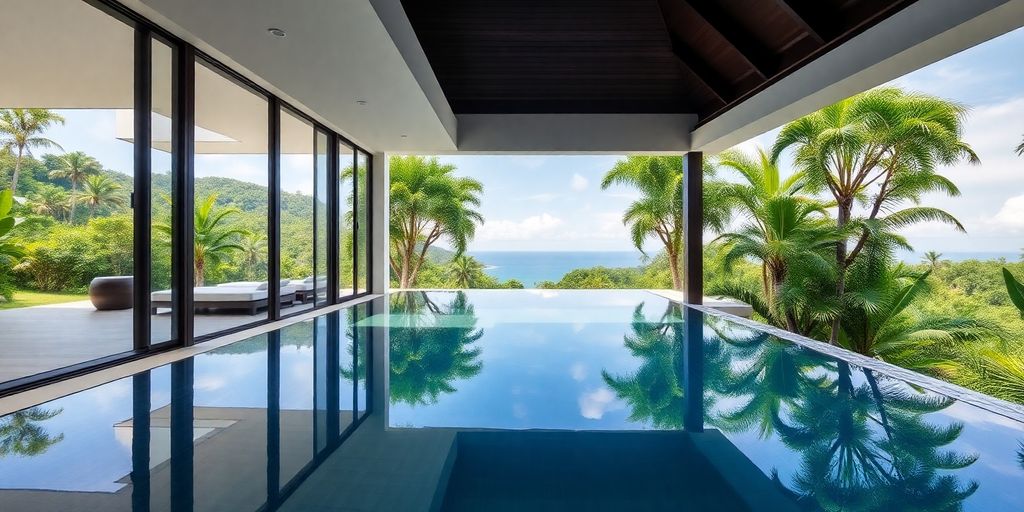
So, you’ve decided a villa in Phuket is the way to go. Brilliant choice! But how do you actually go about buying one? It might seem a bit daunting, especially if you’re not familiar with the process in Thailand. Don’t worry, we’ll break it down. It’s not as complicated as it might first appear, and with a bit of planning, you’ll be sipping cocktails by your own pool before you know it.
A Step-by-Step Guide to Buying Property in Phuket
Buying property here involves a few key stages. It’s important to get these right to avoid any headaches down the line. Think of it like this:
- Initial Research and Property Selection: This is where you figure out what you want and where. Are you after a quiet spot in the north, or closer to the action in the south? Look at market trends and what areas are popular for rentals if that’s your goal. You’ll want to find a place that fits your budget and lifestyle.
- Due Diligence: This is a big one. Before you commit, you absolutely must check everything. This includes verifying the title deed (a ‘Chanote’ is the most secure), checking building permits, and making sure the developer is reputable. A good lawyer is worth their weight in gold here.
- Reservation and Sales Agreement: Once you’re happy, you’ll typically sign a reservation agreement and pay a deposit, usually around 5-10%. Then comes the main Sales and Purchase Agreement, which outlines all the terms and conditions.
- Financing and Payment: If you need a mortgage, sort that out now. The remaining balance is usually paid in stages, often tied to construction milestones if you’re buying off-plan.
- Transfer of Ownership: This is the final step, where the property is officially registered in your name (or your company’s name). You’ll pay the remaining balance and any applicable taxes and fees.
It’s always wise to have a clear understanding of the legal framework for foreign ownership in Thailand. While direct land ownership is restricted, there are established legal avenues for foreigners to own property, such as through leasehold agreements or by setting up a Thai limited company.
Buying Off-Plan Phuket Property: Pros and Cons
Buying a villa that’s not yet built, or ‘off-plan’, can be a smart move. You often get to choose the exact unit, customise finishes, and potentially buy at a lower price than a completed property. Plus, you can spread payments over the construction period. However, there’s always a risk that the project might be delayed or not meet expectations. It’s vital to research the developer thoroughly and understand the contract details. For example, a luxurious 3-5 bedroom pool villa in Ko Kaew might be available off-plan, offering a chance to secure a property at a good price point [a8d9].
Insider Tips for Phuket Villa Buying
Want to make sure you get the best deal? Here are a few pointers:
- Negotiate Wisely: Don’t be afraid to negotiate on price, especially if you’re paying cash or buying during the low season. Agents can help with this.
- Location, Location, Location: Even with a great villa, a poor location can impact resale value and rental appeal. Think about proximity to beaches, amenities, and transport links.
- Understand All Costs: Beyond the purchase price, factor in transfer fees, taxes, stamp duty, and potential ongoing costs like management fees or sinking funds. It’s easy to underestimate these.
- Visit in Different Seasons: If possible, visit Phuket during both the high and low seasons to get a feel for the area and its atmosphere throughout the year. This can really influence your decision about the best Phuket property market for you.
Financing Your Phuket Property Purchase
So, you’ve set your sights on a villa in Phuket – brilliant choice! But before you start picturing yourself by the pool, let’s talk about the money side of things. It’s not always as straightforward as you might think, especially for us foreigners.
Financing Options for Expats
Getting a loan as a foreigner in Thailand can be a bit of a hurdle. While it’s not impossible, local banks often prefer to lend to Thai nationals. Some international banks might offer home loan schemes, but these can come with stricter criteria and potentially higher interest rates. Your best bet is often to explore financing options available in your home country or through international lenders who specialise in overseas property purchases. It’s worth doing your homework here, as the terms can vary wildly. You might find that a larger deposit is required, or that the loan-to-value ratio is less favourable than you’re used to.
Planning Your Property Purchase Budget
When you’re budgeting for your Phuket villa, don’t just think about the sticker price. There are a bunch of other costs that can add up. You’ve got your transfer fees, stamp duty, and potentially legal fees if you’re using a lawyer – which, by the way, is highly recommended. Then there are the ongoing costs like property taxes, maintenance fees (especially if it’s part of a managed estate), and utilities. It’s wise to have a buffer for unexpected expenses too. A good rule of thumb is to add at least 10-15% on top of the property price to cover these initial purchase costs. Remember to factor in the cost of furnishing the villa if it’s not sold fully equipped. It’s all about being realistic with your finances to avoid any nasty surprises down the line. You can find more details on property transfer fees and taxes in Thailand to get a clearer picture.
It’s easy to get caught up in the dream of owning a tropical paradise, but a solid financial plan is the bedrock of a successful property purchase. Don’t let the excitement overshadow the practicalities of budgeting and financing.
Working with Property Professionals
Buying a villa in Phuket can feel a bit like trying to assemble flat-pack furniture without the instructions – confusing and potentially a bit stressful. That’s where the pros come in. Getting the right help can make all the difference between a smooth transaction and a real headache.
Benefits of Using a Professional Agent
Think of a good agent as your personal guide through the maze of Thai property law and the local market. They know the ins and outs, the good areas, and importantly, the ones to steer clear of. They can help you find properties that match what you’re looking for, often before they even hit the wider market. Plus, they handle a lot of the legwork, like arranging viewings and initial negotiations. Having someone in your corner who understands the local landscape is pretty invaluable. They can also help you understand the nuances of different ownership structures, which is a big deal when buying property abroad.
Minimising Risks with Reputable Agencies
It’s not just about finding a place; it’s about doing it safely. Reputable agencies have a vested interest in making sure everything is above board. They’ll often have a list of trusted lawyers and can guide you on the legal steps involved, like checking title deeds and ensuring all paperwork is correct. This is especially important when you’re looking at off-plan developments or trying to secure the best deal on a luxury mountain view villa. They can also help you avoid common pitfalls that less experienced buyers might stumble into, saving you time and money in the long run. It’s about peace of mind, really.
Phuket as a Destination for Property Buyers
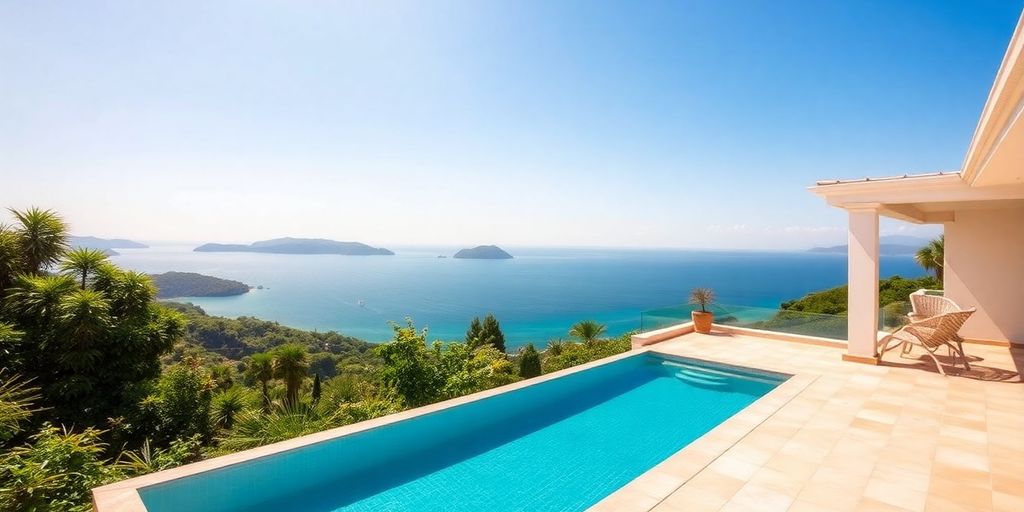
Phuket has really cemented itself as a top spot for people looking to buy property, especially villas. It’s not just about the stunning beaches and sunshine, though those are definitely big draws. For expats, it offers a lifestyle that’s hard to beat, blending tropical living with modern conveniences. Many people are drawn here for retirement, looking for a peaceful place to settle down after a busy career. The island provides a relaxed pace of life, beautiful scenery, and a well-established expat community, making it easier to adjust.
Why Phuket is Popular for Expat Buyers
It’s no surprise that Phuket is a magnet for expat buyers. The island offers a unique blend of a relaxed tropical lifestyle and a surprisingly developed infrastructure. Think beautiful beaches, lush interiors, and a generally welcoming atmosphere. Many expats are looking for a second home, a holiday spot, or even a place to relocate permanently. The island has a good range of amenities, from international schools and hospitals to a wide variety of restaurants and shopping options, which makes the transition smoother for those moving from abroad. It’s also a place where you can find properties that suit different budgets and tastes, from modern apartments to sprawling beachfront villas.
Phuket’s Lifestyle and Landscapes
When you think of Phuket, you probably picture those postcard-perfect beaches and turquoise waters, right? And you wouldn’t be wrong! The island’s natural beauty is a massive part of its appeal. Beyond the coastlines, there are mountains, rainforests, and charming local villages. This diverse landscape means there’s always something new to explore. The lifestyle here is generally laid-back, with a strong emphasis on outdoor activities and enjoying the tropical climate. Whether you’re into water sports, hiking, or just relaxing by the pool, Phuket has something for everyone. It’s a place where you can really switch off and enjoy life.
Residential Properties for Retirement
Phuket is increasingly becoming a favoured destination for retirees. The island provides a tranquil environment coupled with a good standard of living. You can find a variety of residential properties, from comfortable apartments to spacious villas, often within gated communities that offer security and amenities like swimming pools and clubhouses. Many developments are designed with the needs of older residents in mind, offering accessibility and convenience. Plus, the established expat community means there are often social groups and activities catering to retirees, making it easier to settle in and build a new social circle. It’s a chance to enjoy your later years in a beautiful, warm climate. In the first quarter of 2025, foreign buyers purchased 3,919 condo units valued at 16.4 billion baht, indicating a persistent dip in foreign demand for condominiums, which might present opportunities for villa buyers looking at Phuket property market trends.
The island’s appeal extends beyond its natural beauty; it’s the blend of a relaxed pace of life with accessible modern amenities that truly captures the hearts of those seeking a permanent or holiday home.
Key Considerations for Villa Buyers
So, you’re thinking about buying a villa in Phuket. That’s exciting! But before you get swept up in the dream of island living, there are a few important things to think about. It’s not just about the pretty views, you know. Making the right choices now can save you a lot of hassle later.
When to Buy a Villa in Phuket: Timing Your Investment
Timing can really make a difference when you’re looking to buy property here. Some periods might offer better prices or more choice. It’s worth looking into the local market trends to see if there’s a sweet spot for purchasing. Generally, the market can fluctuate, so keeping an eye on what’s happening can help you get a better deal. Understanding these cycles is key to a smart purchase.
Mistakes to Avoid When Purchasing Property
People often make a few common slip-ups when buying property abroad, and Phuket is no different. One big one is not doing enough homework on the legal side of things. Another is falling in love with a place without properly checking its condition or the local infrastructure. You also don’t want to skip the due diligence – that’s super important. It’s easy to get caught up in the excitement, but a bit of caution goes a long way.
Making the Most of Your Property Investment
Once you’ve bought your villa, you’ll want to make sure it works for you. Are you planning to rent it out? If so, think about how to make it attractive to holidaymakers. Good management is also a big part of it. You want to ensure your property is well looked after, whether you’re here or not. Thinking about these things from the start can really help your investment pay off.
Here’s a quick rundown of things to keep in mind:
- Legal Checks: Always verify the title deeds and ownership structure.
- Property Condition: Get a thorough inspection done before finalising the purchase.
- Location Analysis: Consider proximity to amenities, beaches, and potential rental demand.
- Future Plans: Think about whether you’ll live there, rent it out, or both.
It’s always a good idea to have a local legal expert review all contracts. They can spot potential issues you might miss, especially with the nuances of Thai property law. Don’t be shy about asking questions; it’s your money, after all.
If you’re looking at a specific area, like Patong, you might find properties with stunning seaviews, like this 3-bedroom villa. But remember to check the specifics of what’s included and the overall condition.
Exploring Different Property Types
Phuket offers a diverse range of property types to suit different tastes and budgets. When you’re looking to buy, it’s good to know what’s out there.
Luxury Villas and Condominiums
For those seeking the ultimate in comfort and style, Phuket’s luxury market is quite impressive. You’ll find sprawling villas, often with private pools, expansive gardens, and stunning sea views. These properties are usually located in prime areas, offering exclusivity and high-end amenities. Condominiums in this bracket also provide premium facilities, such as communal pools, gyms, and concierge services. Many of these high-end properties are designed with modern aesthetics, blending traditional Thai elements with contemporary living. For instance, you can discover modern, newly built private pool villas in Patong, Phuket, starting from THB 19,970,000. These often come with rental management options, which can be a nice bonus if you’re thinking about investment.
Affordable Housing Options
It’s not all about the high end, though. Phuket also has a good selection of more affordable housing. This can include smaller apartments, townhouses, or even some of the older style villas in less central locations. Areas like Rawai or parts of Kathu can offer better value for money. These places might not have the same level of luxury finishes or prime beachfront access, but they provide a comfortable and authentic Thai living experience at a more accessible price point. It’s about finding that sweet spot between cost and what you really need.
Pet-Friendly Properties
Finding a place that welcomes your furry friends can sometimes be a challenge, but Phuket is becoming more accommodating. While not every development allows pets, there are certainly options available, especially with standalone villas or in certain apartment complexes that have specific pet policies. It’s always best to check directly with the developer or landlord about their rules regarding pets before you get too attached to a particular property. Some areas might be more naturally suited to pets, with nearby parks or walking trails.
When considering different property types, think about your lifestyle needs. Do you want to be close to the beach, or do you prefer a quieter, more secluded spot? Your daily routine and how you plan to use the property will really shape which type of home is the best fit for you.
Post-Purchase Advice for Villa Owners
So, you’ve gone and bought yourself a villa in Phuket. Brilliant! Now comes the part where you actually settle in and make it feel like home, or perhaps get it ready to earn some money. It’s not just about signing the papers, you know. There’s a bit more to it, and getting it right from the start makes life a lot easier.
Settling into Your Phuket Property
First things first, getting your utilities sorted is a big one. Think electricity, water, and internet. It sounds basic, but it can sometimes be a bit of a process, especially if you’re not there in person. Make sure you know who to contact and what paperwork is needed. Also, consider getting some basic Thai language phrases down; it can really help with everyday interactions. Don’t underestimate the power of a friendly “Sawasdee” and “Khop Khun Krab/Ka.”
It’s also a good idea to get acquainted with your immediate neighbours and the local community. They can be a great source of information about the area, from the best local markets to reliable services. Think about setting up a local bank account if you plan on spending a lot of time there or managing rental income. This makes transactions much smoother.
Property Management Services
If you’re not planning on living in your villa full-time, or even if you are but want to keep it in tip-top shape with minimal fuss, property management is something to seriously look into. These services can handle everything from regular maintenance and cleaning to finding and managing tenants if you decide to rent it out. They’re the ones who can deal with any unexpected issues that pop up, like a leaky faucet or a garden that needs a bit of TLC. It’s like having a reliable caretaker for your investment. You can find some great options for villa maintenance that cover a range of needs.
When choosing a management company, do your homework. Ask for references, understand their fee structure, and be clear about what services are included. Some companies offer a full package, while others let you pick and choose. It’s all about finding a service that fits your specific needs and budget, giving you peace of mind that your property is well looked after. This way, you can enjoy your villa without the day-to-day worries.
Owning a villa is a wonderful experience. To help you get the most out of your new home, we’ve put together some helpful tips. From keeping your property in top shape to understanding local rules, we’ve got you covered. Want to learn more about making your villa ownership smooth and enjoyable? Visit our website for all the advice you need.
So, What’s Next for Your Phuket Villa Dream?
Right then, we’ve gone through quite a bit about getting a villa in Phuket, haven’t we? From figuring out the best spots for rentals to understanding the nitty-gritty of buying from abroad, it’s a lot to take in. Whether you’re eyeing a place for yourself or looking to make a bit of cash, there are definitely paths you can take. Just remember to do your homework, maybe chat with a local agent – they often know the ins and outs – and think about what you really want from your Thai property. It’s a big step, but with a bit of planning, that villa could be yours before you know it.