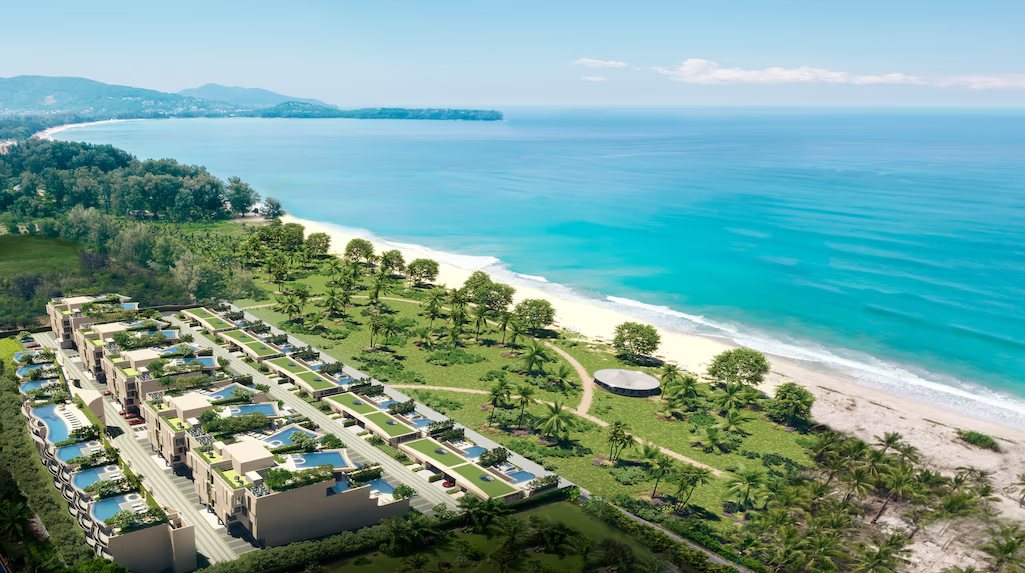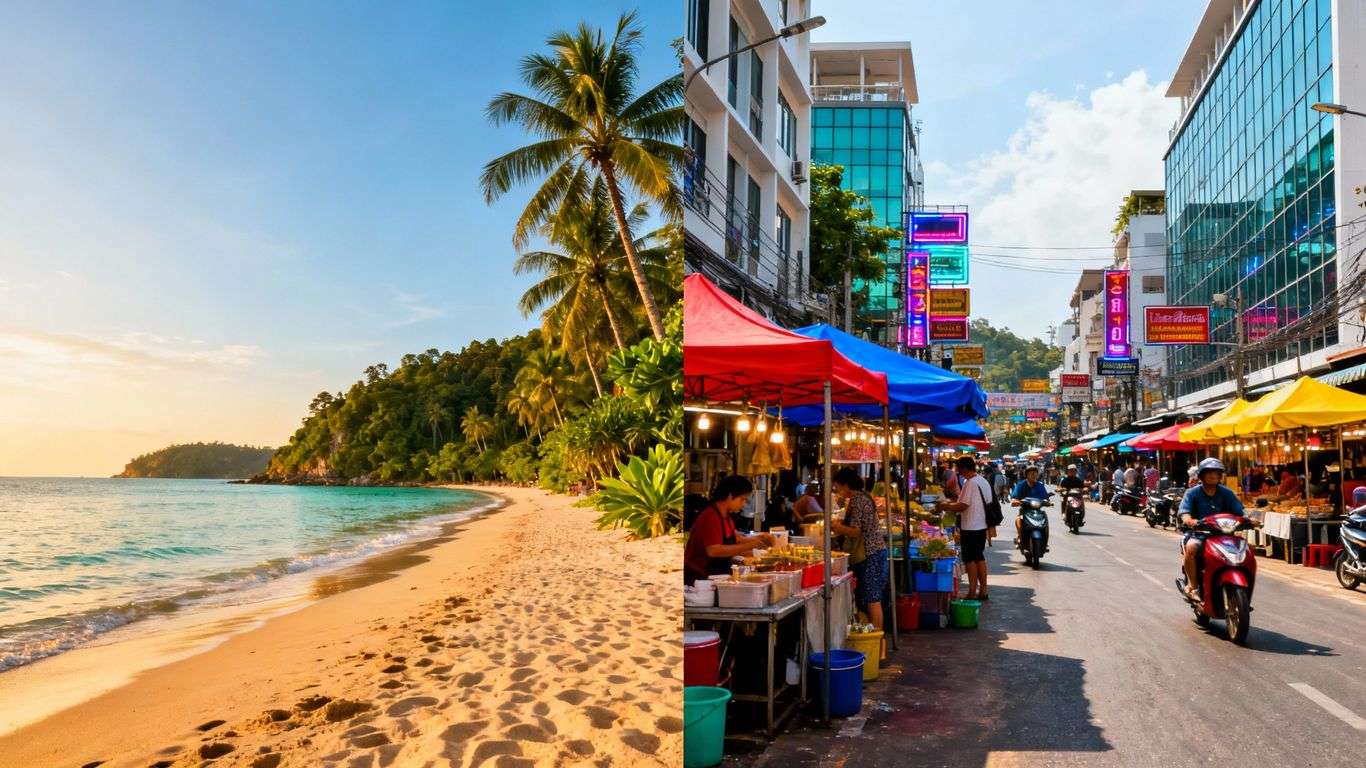


So, you’re thinking about moving to Phuket? It’s more than just a holiday spot, you know. Loads of people have made it their permanent home, finding their own little slice of island life. Forget the tourist traps; this is about figuring out where you’ll actually live, what it’s like day-to-day, and how to actually make it work. We’re diving into the real Phuket expat lifestyle, beyond the brochures.
Key Takeaways
- Phuket offers a diverse range of neighborhoods, each with its own unique vibe, from the quiet charm of Rawai to the lively energy of Patong.
- Choosing the right area depends heavily on personal preferences, whether you prioritize beach access, a strong expat community, or cultural immersion.
- Practicalities like driving, the rainy season, and local bureaucracy are part of the experience, requiring adaptability.
- Social life for expats often revolves around cafes, bars, and community events, with specific hubs like Boat Avenue being popular.
- Long-term living in Phuket involves understanding property options, from condos to villas, and considering factors like rental income and value for money.
Understanding The Phuket Expat Lifestyle
Phuket isn’t just a holiday spot; for many, it’s become a place to actually live. Thousands of expats and retirees have set up home here, enjoying the sun, sea, and a different pace of life. Whether you’re drawn to the quiet mornings in Nai Harn, the buzz of Patong, or the community feel of Bang Tao, there’s a part of the island that can suit what you’re looking for. It’s about finding your own rhythm.
A Tropical Paradise For Permanent Living
Phuket offers that classic tropical island dream with its sandy beaches and palm trees, but it’s also a place where people build real lives. It’s more than just a vacation; it’s about establishing a routine, finding your favourite coffee shop, and becoming part of the island’s fabric. The island caters to a wide range of people, from those seeking a peaceful retirement to digital nomads looking for a base with good infrastructure and a social scene.
Beyond The Tourist Trail: Real Lives In Phuket
While tourists flock to the well-known spots, many expats carve out lives in quieter corners or integrate into the more practical hubs. You might find yourself living near the marina in Chalong, enjoying the cultural vibe of Phuket Town, or appreciating the convenience of areas like Kathu. It’s about looking past the resorts and finding the everyday reality of living here. This means understanding the local rhythm, which can be quite different from what you see on a postcard.
Choosing Your Perfect Phuket Base
Deciding where to live on the island is a big deal because it really shapes your experience. Are you someone who wants to be right on the beach, or is being close to international schools and shopping centres more your style? Do you prefer a quiet escape or a place with a lively expat community? Thinking about whether you’ll rely on walking or driving is also important. It’s worth spending time on the ground, walking around different neighbourhoods, and chatting with people to get a real feel for what each area offers before you commit.
| Area Type | Lifestyle Focus | Potential Drawbacks |
|---|---|---|
| Beachfront Towns | Relaxation, scenic views | Can be touristy, potentially higher cost |
| Central Hubs | Convenience, amenities | Can be busier, less tranquil |
| Southern Tip | Laid-back, community | Further from some amenities, quieter |
| Cultural Centres | History, local life | Less beach-focused, more urban feel |
Navigating Phuket’s Diverse Neighbourhoods
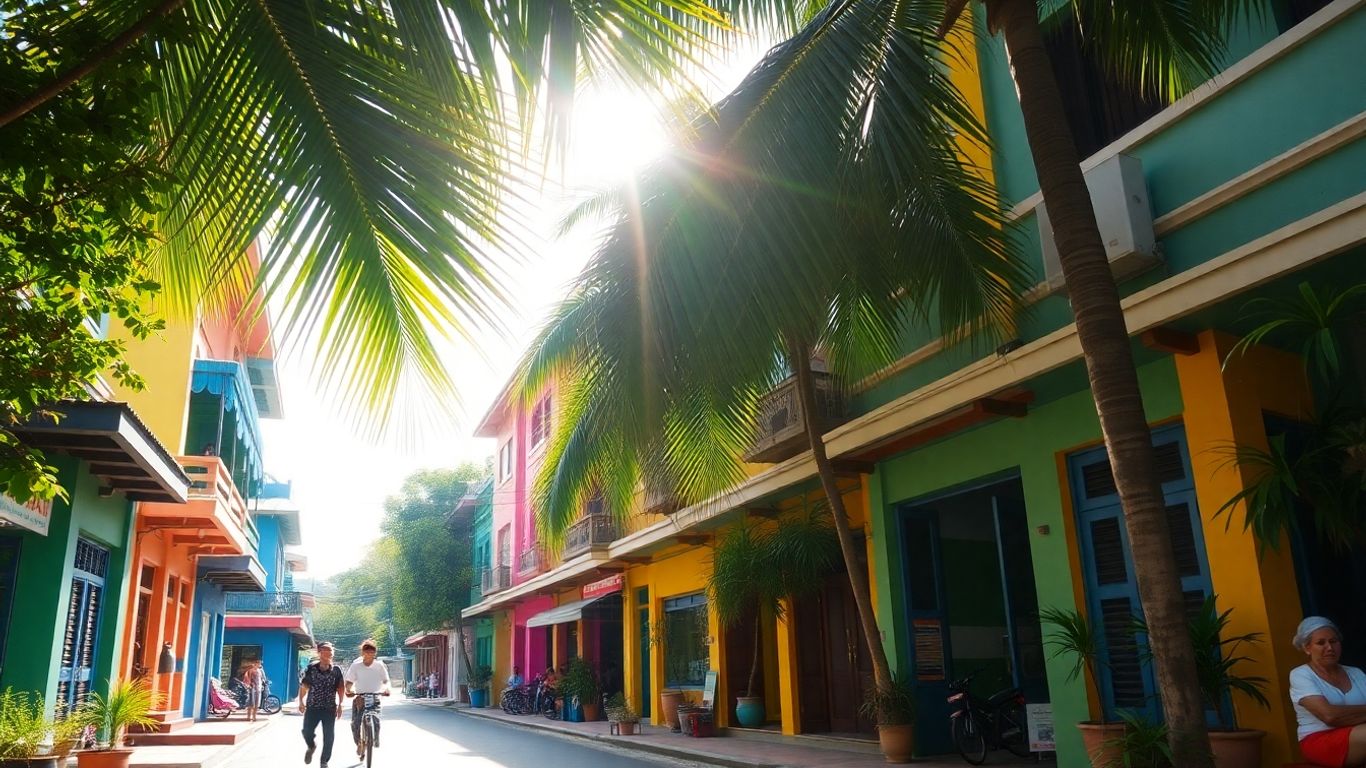
Phuket isn’t just a holiday destination; it’s a place where thousands of expats build real lives. The island offers a surprising variety of areas, each with its own character and appeal. Choosing where to settle can really shape your daily routine and how connected you feel to the island’s pulse. It’s not a one-size-fits-all situation, and that’s part of what makes it so interesting.
Think about what you really want. Are you dreaming of waking up right on the beach, or is being close to international schools and shopping centres more your style? Do you crave a peaceful retreat, or is a lively expat community with plenty of social spots what you’re after? And how important is being able to walk to places versus relying on transport?
Rawai & Nai Harn: Laid-Back Southern Charm
Located at the island’s southern tip, Rawai and Nai Harn offer a more relaxed pace of life. This area is popular with long-term expats and retirees who appreciate the quieter atmosphere and proximity to beautiful beaches. You’ll find a good mix of local markets, beachfront restaurants, and a growing number of wellness centres. It feels more authentically Thai than some of the busier tourist spots, with a strong sense of community among residents.
- Vibe: Quiet, local, beach-adjacent.
- Best for: Retirees, long-term expats, wellness-focused lifestyles.
- Property: Mix of villas and condos, often with sea views or close to the beach.
Chalong: The Practical Hub For Rooted Expats
Chalong is often considered the practical heart of Phuket for many expats. It’s not known for its beaches, but it excels in convenience and centrality. Home to the main marina, it’s a hub for boating enthusiasts. You’ll find a wide range of services here, from supermarkets and hardware stores to international schools and hospitals, making it a solid choice for families and those putting down long-term roots. It has a more local feel, with plenty of affordable dining options and a busy, functional energy.
Chalong makes a lot of sense if you want to live like a local, stay connected to everything, and still have space to breathe. It may not win points for glamour, but it earns top marks for convenience, value, and centrality.
- Vibe: Central, practical, local-leaning.
- Best for: Families, value seekers, boat lovers.
- Property: Apartments, townhouses, and some villas, generally more affordable than beach areas.
Phuket Town: Culture, Character, And City Comforts
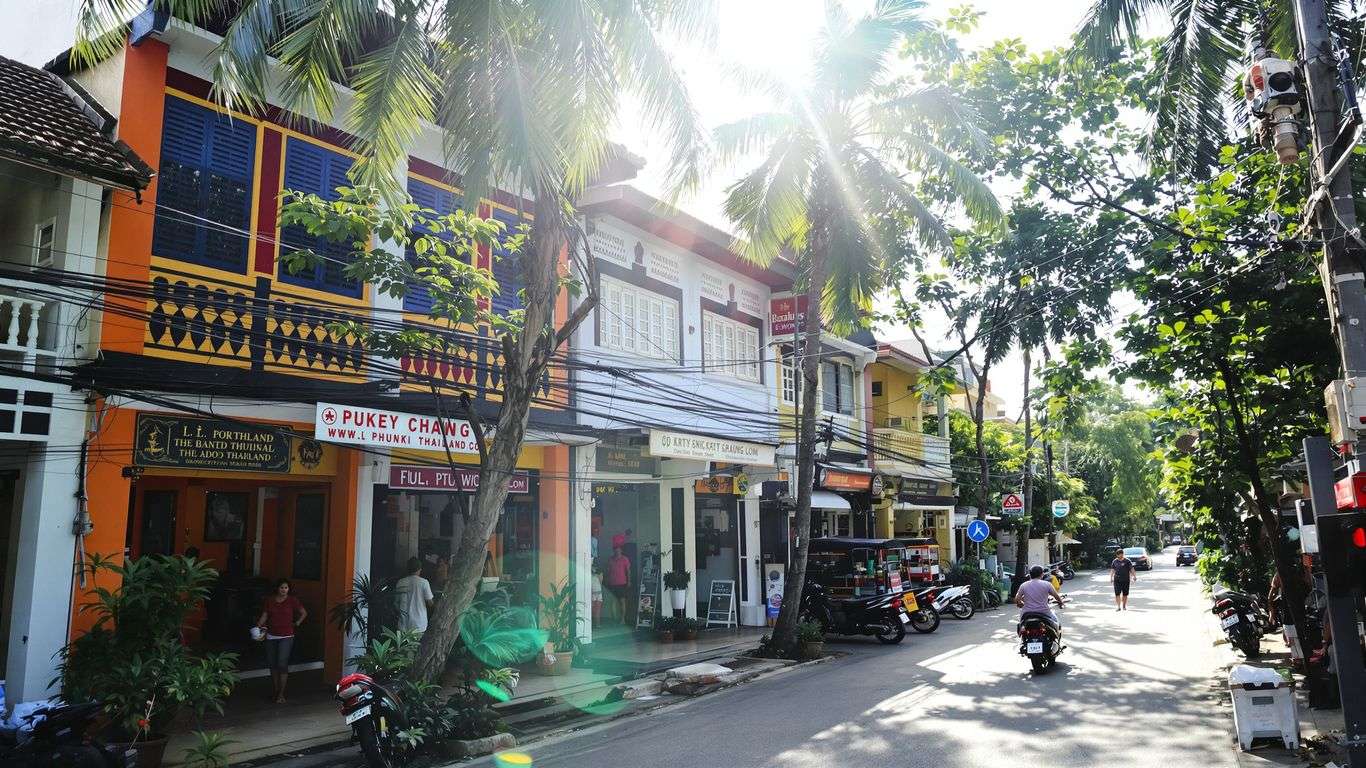
If beaches aren’t your main draw, Phuket Town offers a different kind of island living. This is the island’s historic and administrative centre, filled with colourful Sino-Portuguese architecture, vibrant street art, and a thriving café culture. It has a distinctly urban feel, but it’s more relaxed and intimate than Bangkok. You’ll find a growing expat scene here that values authenticity, creativity, and a good food scene. It’s also incredibly convenient, with major shopping centres, hospitals, and government offices all within easy reach. You’re not on the beach, but most coastal areas are only a 20–30 minute drive away. This area is perfect for those who enjoy walkable city life with a creative edge, or professionals who appreciate culture and value.
- Vibe: Historic, walkable, creative.
- Best for: Culture lovers, urban expats, professionals.
- Property: Condos and apartments are common, including stylish units in converted shophouses.
When you’re ready to explore property options that match your vision, consider looking at places like this recently updated family home near Laguna Discover a recently updated 3-bedroom, 2-bathroom family home near Laguna in Phuket. It’s about finding the right fit, not just a listing.
Exploring Different Living Styles
Phuket isn’t just one big beach resort; it’s a surprisingly varied island with distinct areas that cater to different tastes and lifestyles. When you’re thinking about settling down here, it’s not just about finding a nice view, but about finding a place that actually fits how you want to live day-to-day. Let’s look at a few spots that offer different vibes.
Kathu: Quiet, Central, And Surprisingly Convenient
Kathu often gets overlooked, which is a shame because it’s a really practical spot for expats. It’s not on the coast, so you don’t get the immediate beach access, but it’s right in the middle of things. If you like being close to shopping centres like Central Phuket, or need easy access to the main roads for getting around, Kathu is a solid choice. It’s got a more local feel than some of the beach towns, with residential areas that are generally more affordable. You’ll find a mix of housing here, from apartments to houses, and it’s a good base if you’re working on the island or just prefer being a bit removed from the tourist crowds but still close to amenities.
- Good for: People who value convenience and a central location over beach proximity.
- Vibe: More local, suburban, and less tourist-focused.
- Property: Mix of apartments, townhouses, and some villas, often more budget-friendly.
Kathu offers a slice of everyday Thai life, away from the constant buzz of the coast. It’s a place where you can get your groceries from a local market one minute and be at a major shopping mall the next.
Patong: Lively, Central, And Built For Convenience
Patong is famous, or perhaps infamous, for its nightlife, but it’s also a very practical place to live for certain expats. It’s incredibly central, meaning you can walk to a huge number of restaurants, shops, and services. If you enjoy being in the thick of it, with plenty of entertainment options right on your doorstep, Patong could be for you. It’s also a hub for business and has a wide range of accommodation, from budget studios to more upscale apartments. The sheer density of amenities makes daily life very easy here. However, if you’re looking for peace and quiet, this is probably not your spot.
- Pros: Extremely convenient, lots of amenities, vibrant atmosphere.
- Cons: Can be noisy and very busy, not ideal for those seeking tranquility.
- Best suited for: Expats who enjoy a lively social scene and want everything within walking distance.
Kata & Karon: Scenic Beach Towns With A Balanced Lifestyle
These neighbouring beach towns offer a more relaxed pace than Patong but still provide plenty of amenities and a beautiful coastal setting. Kata is known for its surf-friendly beach and a good selection of restaurants and bars, while Karon is a bit larger with a longer stretch of sand and a slightly more family-oriented feel. Both areas have a good mix of condos and villas, and they strike a nice balance between being tourist-friendly and having a settled expat community. If you want to be near the beach, enjoy water sports, and have good dining options without the intense energy of Patong, Kata and Karon are definitely worth considering.
| Feature | Kata | Karon |
|---|---|---|
| Beach | Popular for surfing, scenic cove | Longest beach in southern Phuket |
| Atmosphere | Lively but more relaxed than Patong | Family-friendly, slightly quieter |
| Amenities | Good range of restaurants, bars | More shops, restaurants, family focus |
| Expat Community | Growing, mixed demographic | Established, good for families |
Upscale And Tranquil Living Options
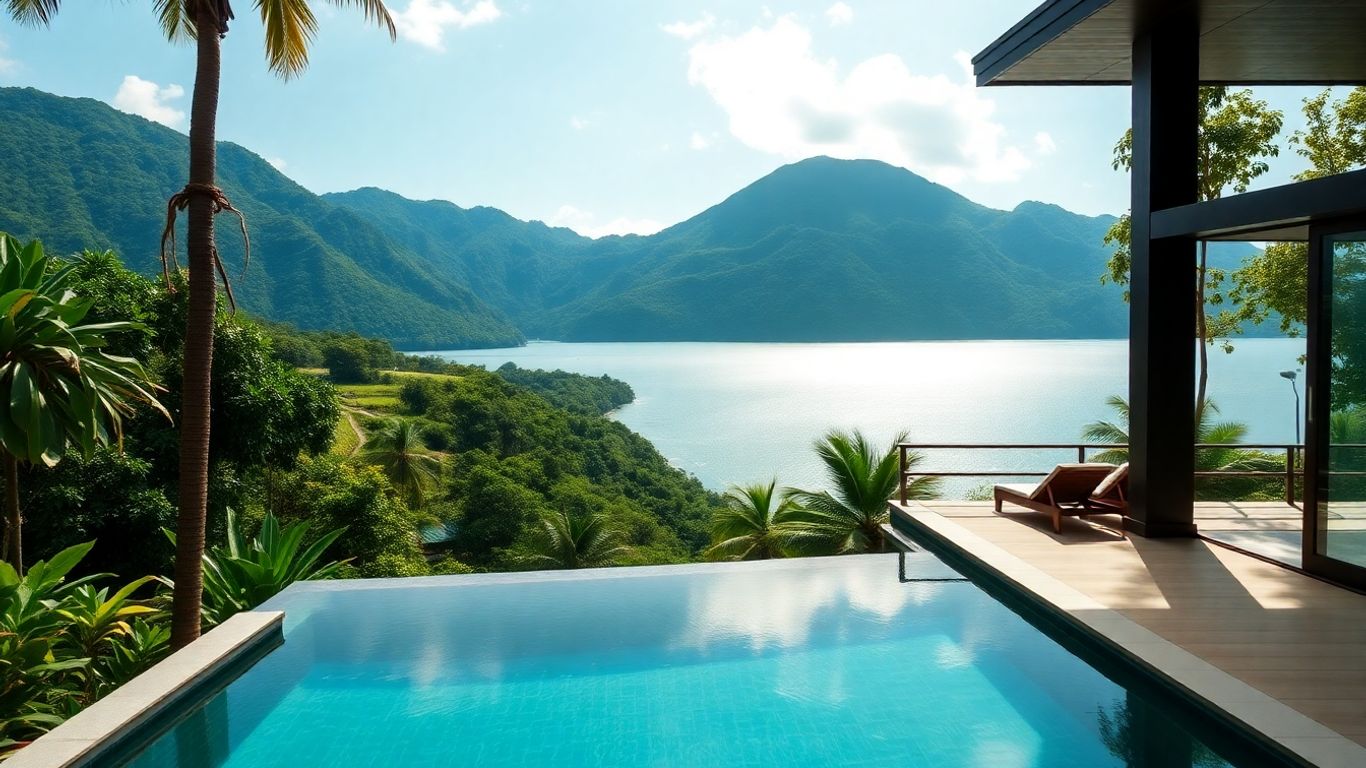
If you’re dreaming of a Phuket lifestyle that leans towards sophistication and peace, there are a few areas that really stand out. These spots offer a more refined experience, blending natural beauty with high-quality amenities, often attracting those looking for a more permanent or extended stay.
Kamala: Quiet Sophistication With A Luxury Edge
Kamala has managed to keep its charm despite the island’s growth. It’s a place that feels polished but still relaxed, perfect if you want to enjoy the scenery without the constant buzz. Think quiet mornings, pleasant walks along the wide beach, and then heading up into the hills where some seriously impressive villas are located. These places often have those amazing infinity pools overlooking the sea, the kind you see in magazines. The social scene here is more about community, with nice restaurants and some chic beach clubs. It’s close enough to places like Patong or Bang Tao if you fancy a change of pace, but you can easily retreat back to your peaceful haven.
- Ideal for: Retirees wanting a scenic seaside spot, people buying holiday homes in the luxury villa market, or long-term expats who like beach access without the crowds.
- Property: You’ll find lots of high-end villas, especially in the hills, which are good for long-term value and rentals. There are also many condos, some right on the beach, which are great as easy-to-manage investments.
While Kamala isn’t the cheapest spot, many feel the quality of life and the properties available make the extra cost worthwhile.
Bang Tao & Laguna: Resort Living With Everyday Comfort
For a really well-planned community feel with all the modern conveniences, Bang Tao and the Laguna area are top choices. Situated on the northwest coast, this area combines long beaches with fancy resorts, good schools, and some of Phuket’s most desirable villas and condos. It’s a hit with families, remote workers, and retirees who appreciate convenience but don’t want the city rush. Life here is about balance. The beach is long and can be quiet or lively depending on the time of day, with beach clubs and restaurants dotted along the sand. Laguna itself is like a self-contained town with its own gated communities, golf courses, and shopping areas. Outside the complex, places like Boat Avenue have become popular spots for international dining, shopping, and cafes.
- Who it suits: Families moving for the long haul, retirees seeking comfort and safety near the beach, and investors looking for good quality properties in a stable rental market.
- What to expect: High-end pool villas are common, especially within Laguna and nearby gated communities, offering privacy and comfort. Condos are also plentiful, often close to the beach or amenities, and tend to have good resale and rental potential.
Surin: Exclusive Beachfront Tranquility
Surin used to be known for its lively beach clubs, but it’s now settled into a more serene and upscale vibe. It’s a beautiful stretch of sand, and while the big clubs have mostly gone, the area has retained a sense of exclusivity. You’ll find some very nice restaurants and cafes, and the surrounding hills are home to some impressive private residences. It’s a quieter alternative to some of the more bustling beach areas, appealing to those who appreciate a more refined atmosphere and direct beach access without the constant activity.
- Good for: People who want a peaceful beach experience, those looking for luxury property with a direct connection to the sea, and individuals who prefer a more understated, high-quality lifestyle.
- Property types: Expect to find a good number of high-end condos and some exclusive villas, often with sea views. The focus here is on quality and location, which naturally comes with a higher price point.
Embracing The Expat Social Scene
Phuket isn’t just about the beaches and the sunshine; it’s also about the people you meet and the connections you make. For expats, finding your tribe is a big part of settling in. It’s not always obvious where to start, but there are plenty of spots and ways to connect.
Social Hubs: Cafes, Bars, and Night Markets
When you’re looking to meet people, cafes and bars are often the first port of call. Places like Boat Avenue in Cherng Talay, near the Laguna area, have become quite popular. It’s got a good mix of restaurants and cafes, and the weekly night market there is a great place to just wander around, grab some food, and strike up a conversation. You’ll find a lot of familiar faces if you go regularly. Patong, of course, is still a big draw for nightlife, with plenty of beachside bars where you can easily chat with others. But even in quieter spots like Rawai or Nai Harn, there are local pubs and eateries that have a strong expat following.
Community Vibes In Different Areas
Each part of Phuket has its own feel, and that extends to the social scene. Chalong, being a hub for the boating community, naturally attracts a certain crowd, often with shared interests in the sea. If you’re into sailing or yachting, you’ll find plenty of people to talk to around the marina. In contrast, areas like Kathu or Phuket Town might have a more local vibe, but you can still find expat groups gathering in specific spots. It’s about finding the area that matches your preferred social pace. Some people like the buzz of Patong, while others prefer the more relaxed atmosphere of the southern beaches.
Meeting Fellow Expats
Beyond just dropping into popular spots, there are organised ways to meet people. The Phuket Expat Club is a well-known group that holds regular meetings and events, which can be a good starting point for newcomers. They often have talks on practical matters or just social gatherings. There are also more specialised groups, like international women’s clubs or hobby-specific meetups, such as hiking or photography groups. Don’t underestimate the power of just striking up a conversation at a coffee shop or a local market; most people are happy to share their experiences and tips. It’s amazing how many friendships can start with a simple ‘hello’. If you’re looking to get involved in the local scene, exploring events in places like Hong Kong might give you some ideas on how communities connect engaging in outdoor adventures.
Making friends as an expat often comes down to putting yourself out there consistently. It might feel a bit awkward at first, but showing up regularly to places or events you enjoy makes a big difference. People start to recognise you, and it becomes easier to start conversations. Shared interests are a great icebreaker, so joining clubs or activities related to your hobbies is a smart move.
Practicalities Of The Phuket Expat Lifestyle
So, you’re thinking about making Phuket your permanent home? That’s brilliant! But before you pack your bags and imagine yourself sipping cocktails on the beach 24/7, let’s talk about some of the nitty-gritty stuff. It’s not all sunshine and perfect sunsets, you know. There are a few things you’ll need to get your head around to make the move smoother.
Understanding Local Driving Styles
Right, the traffic. It’s… an experience. If you’re used to orderly lanes and predictable driving, Phuket will certainly test your patience. Scooters weave in and out of cars, and the general rule seems to be ‘he who dares wins’. Renting a scooter or car is almost a necessity here, but be prepared for a steep learning curve. It’s not about being aggressive, but about being aware and anticipating the unexpected. Always wear a helmet, and maybe take a few lessons if you’re new to two wheels. It’s a bit like a video game sometimes, but with real consequences.
Dealing With The Rainy Season
Phuket has a tropical climate, which means a distinct rainy season. This isn’t just a bit of rain; it can be torrential downpours that last for hours, sometimes days. You’ll quickly learn what “waterproof” really means, and it might not be what you think. Expect flash floods in some areas and a general dampness that can be a bit of a mood killer if you’re not prepared. However, it’s also a time when the island becomes incredibly lush and green. Plus, the crowds thin out, which can be a nice change.
Here’s a quick rundown of what to expect:
- Heavy Rainfall: Be ready for intense, short bursts or prolonged periods of rain.
- Increased Humidity: Things will feel sticky, so good ventilation in your home is key.
- Fewer Tourists: Enjoy some of the popular spots with more breathing room.
- Greener Scenery: The island really comes alive with vibrant colours.
Navigating Paperwork And Power Outages
Like anywhere, there’s bureaucracy. Visas, work permits, and other bits of paperwork can feel a bit overwhelming. It’s best to get organised early and perhaps seek advice from immigration specialists or expat forums. Don’t leave things to the last minute. As for power outages, they do happen, especially during storms. Having a few candles or a power bank handy is a good idea. It’s all part of the adventure, really. If you’re looking for a place that offers a good balance of island living and convenience, you might consider a villa in areas like Chalong, which offers a more grounded expat experience. This elegant villa could be a great example of what’s available.
Lifestyle Considerations For Expats
Phuket offers a fantastic lifestyle, but it’s not all sunshine and beaches, is it? You’ve got to think about how you’ll actually live day-to-day. It’s about finding that sweet spot between enjoying the tropical vibe and making sure your life runs smoothly. Balancing the dream with the practicalities is key to a happy expat life here.
Balancing Beach Life With Convenience
Sure, waking up to the sound of waves is lovely, but how far are you willing to travel for groceries or a decent coffee? Some areas are right on the sand, but might mean a longer drive for everyday needs. Others are more central, offering easier access to amenities, but perhaps less of that secluded beach feel. It’s a trade-off, and where you land depends on what you prioritise.
Consider these points when thinking about location:
- Proximity to amenities: How important are supermarkets, hospitals, and international schools to you?
- Commute times: Are you okay with navigating busy roads, or do you prefer to be within walking distance of essentials?
- Noise levels: Beachfront areas can be lively, while inland spots might offer more peace and quiet.
Finding Your Pace: From Bustling To Serene
Phuket isn’t a one-size-fits-all kind of place. You can find areas that are buzzing with activity, think Patong or parts of Chalong, where there’s always something going on. Then there are the quieter corners, like Rawai or some of the more residential parts of Kathu, where life moves at a more relaxed speed. It’s important to figure out if you’re someone who thrives on constant energy or if you prefer a more tranquil existence. Your ideal neighbourhood will really depend on your personal rhythm.
The Importance Of Location For Your Experience
Where you choose to live in Phuket will shape your entire experience. If you’re keen on water sports and a lively social scene, areas like Chalong or Patong might be more your speed. For those seeking a more laid-back, family-friendly atmosphere with beautiful beaches, Rawai and Nai Harn are often recommended. If you’re looking for a blend of convenience and natural beauty, places like Kathu offer a central base. For a taste of island living with access to amenities, consider the condos near Bang Tao Beach, offering a mix of resort-style living and everyday comfort. It’s about matching the location to your lifestyle needs, whether that’s for a holiday home or a permanent move.
The cost of living can vary significantly depending on your chosen location and lifestyle. While Phuket generally offers good value compared to Western countries, being mindful of your spending, especially on rent and daily expenses, will help you maintain a comfortable life. Researching rental prices in different areas, understanding local transport costs, and exploring local markets for groceries can make a big difference to your budget.
Property Insights For Foreign Nationals
Condos Versus Villas: What To Expect
When you’re thinking about putting down roots in Phuket, the big question often comes down to whether to go for a condo or a villa. It really depends on what you’re after, doesn’t it? Condos are generally more affordable and come with built-in facilities like pools and gyms, which is handy. Plus, the maintenance is usually sorted by the building management, meaning less hassle for you. Villas, on the other hand, offer more space and privacy. You get your own garden, often a private pool, and a real sense of having your own place. But, with that comes more responsibility – you’ll be looking after the garden, the pool, and any repairs yourself, or you’ll need to pay for a management service.
Here’s a quick look at what you might expect:
| Feature | Condo | Villa |
|---|---|---|
| Price Range | Generally lower entry point | Higher entry point, wider range |
| Space | More compact, shared common areas | More private space, private garden/pool |
| Maintenance | Managed by building, less personal work | Personal responsibility or management fees |
| Facilities | Shared pools, gyms, security | Private pool/garden, sometimes shared amenities |
| Privacy | Less private, shared walls/floors | High privacy |
Rental Income Potential In Popular Areas
If you’re thinking of buying property in Phuket with the idea of renting it out, location is absolutely key. Areas that are popular with tourists, especially around the beaches like Patong, Kata, and Karon, tend to have a higher demand for short-term rentals. Bang Tao and Kamala are also doing quite well, particularly with families and those looking for a slightly more upmarket experience. You’ll find that condos in these busy spots can be quite lucrative, especially during the peak season. Villas, particularly those with private pools, also attract a good rental income, though they might appeal to a slightly different market – think groups or families wanting more space.
It’s worth doing your homework on specific developments and their rental management programs. Some complexes have very organised systems in place that can make renting out your property much simpler, handling bookings, guest services, and maintenance for a fee. This can be a good option if you’re not living in Phuket full-time.
Value For Money In Different Neighbourhoods
Figuring out where you get the most bang for your buck can be a bit of a puzzle. Generally speaking, the southern parts of the island, like Rawai and Nai Harn, often present better value for money compared to the more developed northern beaches. You tend to get more space for your money, whether that’s a larger condo or a more substantial villa. Chalong is another area where you can find reasonable prices, and it’s practical because it has all the amenities you need for daily life. Phuket Town, while not a beach area, offers a different kind of value with its cultural charm and more affordable living costs, especially for apartments or older shophouses. If you’re looking for luxury, areas like Surin and Laguna will naturally command higher prices, but you’re paying for the prime location and the high-end lifestyle.
Activities And Interests For Residents
Phuket offers a whole lot more than just beaches, especially if you’re planning to stick around for a while. It’s easy to get caught up in the daily grind, but making time for hobbies and exploring what the island has to offer is key to really settling in.
Surfing And Outdoor Pursuits
While not Hawaii, Phuket does have some decent surf spots, particularly during the monsoon season from May to October. Kata Beach is probably the most well-known for beginners, with gentle waves that are perfect for getting started. You can rent boards and even take lessons there. For those looking for something a bit more challenging, Surin Beach can sometimes offer better breaks. Beyond surfing, the island is great for kayaking, paddleboarding, and hiking. The interior of the island has some lovely national parks and viewpoints that are worth checking out.
Cultural Exploration In Phuket Town
Phuket Town is where you’ll find the island’s historical heart. The Sino-Portuguese architecture is really something to see, with colourful buildings lining the streets. It’s a great place to wander around, discover little art galleries, and sample local food from street vendors or small, family-run restaurants. There are also several temples and shrines, like the Jui Tui Shrine, that offer a glimpse into local beliefs and traditions. Exploring the weekend night market here is also a must-do for experiencing the local vibe and finding unique crafts.
Boating And Yachting Hubs
Chalong Bay is the main hub for boating activities. From here, you can easily arrange day trips to the famous Phi Phi Islands, the stunning Phang Nga Bay with its limestone karsts, or the quieter Similan Islands (which are only open during certain months). There are options for every budget, from shared speedboats and ferries to private yacht charters. If you’re into diving or snorkelling, many of these trips will take you to prime spots. It’s a fantastic way to see the surrounding Andaman Sea and experience the natural beauty of the region. For those interested in a more permanent connection to the water, you can also look into mooring options if you plan on owning a boat. Many expats find that joining a sailing club or charter company is a good way to meet like-minded people and get access to the best spots. For example, finding a place like this luxurious villa in Bang Tao could be a great base for exploring the coast. a prime beachside retreat
Phuket’s natural beauty extends far beyond its shores, offering a wealth of activities for residents. Whether you’re drawn to the thrill of catching a wave, the charm of historical streets, or the allure of the open sea, there’s always something new to discover.
Making Phuket Your Home
So, you’ve spent some time here, maybe explored a few different spots, and now you’re thinking about putting down roots. It’s a big step, moving to a new country, even one as lovely as Phuket. But honestly, it’s less about finding the ‘perfect’ place and more about finding the place that feels right for you right now.
Spending Time On The Ground
Before you even think about signing any papers or signing a lease, you absolutely have to spend time here. Like, proper time. Not just a week on holiday. Try to rent a place for a month or two in the area you’re leaning towards. Walk around at different times of the day. Go to the local markets, find a favourite coffee shop, see what the commute is like if you plan to work. It’s the little things that make a place feel like home, not just the big attractions. You’ll get a feel for the daily rhythm, the noise levels, and whether the local vibe matches what you’re looking for. It’s the best way to avoid any nasty surprises later on.
Connecting With The Local Community
Phuket isn’t just about the beaches and the resorts, though they are pretty great. There’s a whole other layer to it, a local culture that’s really worth getting to know. Making an effort to connect with Thai people, even if your language skills are limited to ‘hello’ and ‘thank you’, goes a long way. Visit local restaurants, not just the expat hangouts. Learn a few basic Thai phrases; people really appreciate it. It opens up a different side of the island, one that’s often more authentic and rewarding. You might find yourself invited to local festivals or just having a friendly chat at the market. It’s these connections that really make you feel like you belong.
Finding The Right Fit For Your Long-Term Stay
When it comes to settling in for the long haul, think about what truly matters for your day-to-day life. Is it proximity to international schools for the kids? Easy access to healthcare? Or perhaps a quiet neighbourhood where you can really unwind? Phuket offers a huge range of lifestyles, from the bustling energy of Patong to the serene beaches of Nai Harn. It’s about matching your personal needs and preferences with what the island provides. Don’t be afraid to try different areas before committing. Many expats find that their initial idea of where they wanted to live changes after they’ve experienced different parts of the island. For instance, while Bang Tao and Laguna are popular for their polished resort feel, some might find the more local, community-driven atmosphere of Rawai more appealing for a long-term stay. It’s a personal journey, and taking the time to explore your options is key to finding your perfect Phuket base. The property market here is quite active, with new villa launches attracting buyers, so there are plenty of choices available if you’re considering property investment in Phuket.
The key is to be patient with yourself and the process. Moving abroad is an adventure, and Phuket offers a unique blend of tropical beauty and everyday living that many find incredibly fulfilling. Embrace the differences, stay open-minded, and you’ll soon discover your own special corner of this beautiful island.
Thinking about making Phuket your new home? It’s a fantastic idea! Imagine waking up to beautiful views every day. We can help you find the perfect place to settle down. Visit our website to start your search for a dream home in paradise.
So, is Phuket Home?
Phuket really is more than just a holiday spot; it’s a place where loads of people from overseas have built actual lives, finding their rhythm with the sun, sea, and the island’s unique way of doing things. Whether you’re drawn to the calm mornings in Nai Harn, the buzz of Patong, or the friendly feel of Bang Tao, there’s a part of this island that seems to match everyone’s pace, budget, and what they’re looking for in a home. The best bit of advice? Spend some real time here. Wander through the neighbourhoods, have a chat with the locals, check out the markets and the little cafes. While online info can point you in the right direction, only being here will truly tell you what feels like ‘home’.