
- Why Koh Samui in 2026?
- The Best Areas to Buy a Villa on Koh Samui
- Freehold vs Leasehold on Koh Samui
- What Rental Yields Look Like in 2026
- Off-Plan vs Completed Villas: What to Know
- Buying Process: What to Expect
- Costs Beyond the Purchase Price
- Why Work With an Agency That Knows Both Islands
- A Note on the Broader Investment Picture
- FAQs: Koh Samui Villas for Sale
Koh Samui has spent years quietly building a case as one of Southeast Asia's most compelling places to own property. In 2026, that case is stronger than ever. Foreign buyer activity is rising, villa rental yields are holding firm, and the island's infrastructure has matured well beyond its backpacker origins.
If you are searching for Samui villas for sale, this guide covers what you actually need to know: which areas to consider, how ownership structures work, what rental returns look like, and how to avoid the mistakes that catch first-time Thailand buyers off guard.
Why Koh Samui in 2026?
Samui is not Phuket. That is not a criticism. It is the point.
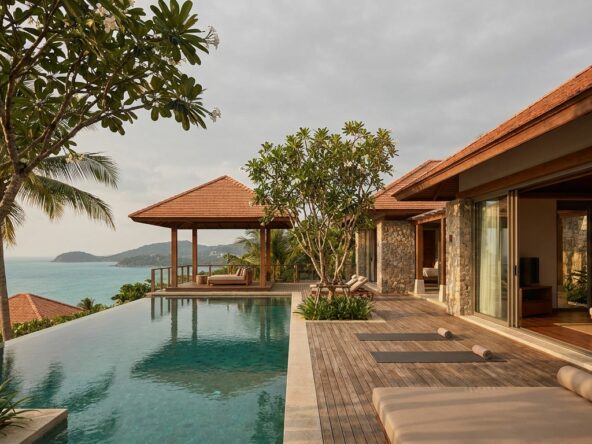
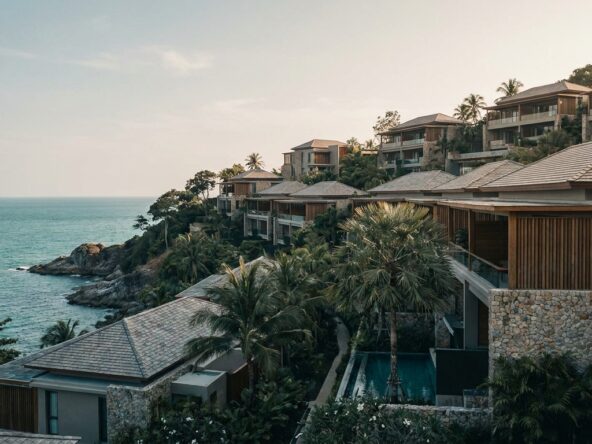
The island draws a buyer who wants something quieter, more private, and less developed. Chaweng still has its energy, but the areas that attract serious property buyers — places like Bophut, Maenam, Lipa Noi, and the hillside pockets above Choeng Mon — feel genuinely removed from the tourist circuit.
What makes 2026 a meaningful year to buy here:
- Airport connectivity has improved, with more regional routes making Samui easier to reach from Bangkok, Singapore, and Hong Kong
- Villa rental demand from high-net-worth travelers continues to outpace supply in the premium segment
- Land availability is tightening in the best hillside and beachfront zones, which historically precedes price appreciation
- Foreign buyer interest from Middle Eastern and European markets has grown noticeably, with buyers seeking alternatives to more saturated island destinations in the region
The Phuket real estate market is valued at $12.8 billion and climbing. Samui is tracking a similar trajectory in its own weight class.
The Best Areas to Buy a Villa on Koh Samui
Bophut and Fisherman’s Village
Bophut sits on the north coast and offers a rare combination: calm water, a walkable village with genuine character, and easy access to the ferry terminal. Villas here tend to attract buyers who want a lifestyle property they can also rent out. The Friday Night Walking Street draws consistent foot traffic, which supports short-term rental occupancy.
Maenam
Maenam is the quieter stretch of the north coast. It appeals to buyers who want more space for their budget and a slower pace. Land plots here tend to be larger, which suits buyers building custom villas or prioritising privacy above all else.
Choeng Mon
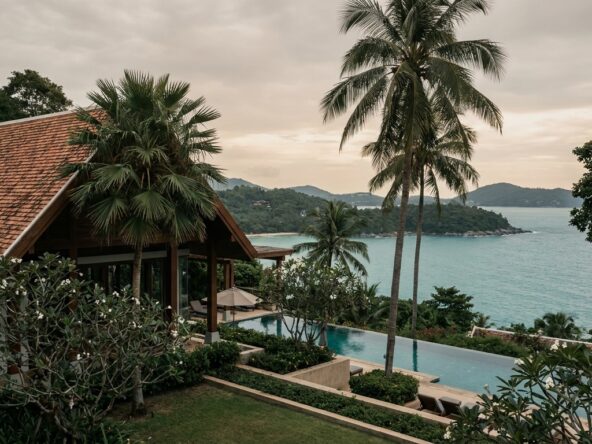
On the northeast tip, Choeng Mon is one of the island's most consistently popular areas for villa ownership. The beach is sheltered, the water is calm year-round, and the neighbourhood sits close to the airport without feeling like it. Premium hillside villas with sea views are the dominant property type.
Lipa Noi and the West Coast
The west coast faces the Gulf of Thailand sunsets. Lipa Noi is less developed than the north and east, which means more land, more privacy, and a buyer profile that skews toward serious investors and retirees rather than holiday renters. Prices per square metre remain lower here than comparable Phuket areas, though that gap has been narrowing.
Lamai and the South
Lamai is Samui's second-largest beach town, sitting south of Chaweng. Villa buyers here get strong rental potential from the tourist trade alongside a more established expat community. It is a practical choice for buyers who want yield without sacrificing island lifestyle.
Freehold vs Leasehold on Koh Samui
This is the question every foreign buyer asks, and it deserves a direct answer.
Thai law does not allow foreigners to own land outright. What you can own freehold is a condominium unit, provided foreign ownership in that building does not exceed 49 percent of total floor area.
For villas, which sit on land, the standard route for foreign buyers is a 30-year leasehold, typically with options to renew for two additional 30-year terms. This gives you effective long-term use and control of the property, though the land itself remains in Thai ownership.
Some buyers structure villa purchases through a Thai Limited Company, which can hold land title. This is a legitimate route but requires proper legal setup and ongoing compliance. Working with a qualified Thai property lawyer before choosing this structure is essential.
The practical takeaway: leasehold villa ownership on Koh Samui is the norm for foreign buyers, not the exception. Thousands of buyers have purchased this way without issue. What matters is the quality of the lease agreement, the reputation of the developer, and having independent legal advice before you sign anything.
At OCEAN Worldwide Property, every listing clearly shows ownership type — freehold or leasehold — so you can filter by what suits your situation before you even pick up the phone.
What Rental Yields Look Like in 2026
Buyers targeting income from their Samui villa typically see gross rental yields in the range of 5 to 8 percent annually, depending on location, villa quality, and how the property is managed.
A well-positioned three-bedroom villa in Choeng Mon or Bophut, professionally managed and listed across the main short-term rental platforms, can achieve 60 to 75 percent occupancy during peak season (December to March and July to August). The shoulder months have strengthened in recent years as Samui's appeal broadens beyond European school holidays.
Villa management is a real operational consideration. Owners who are not based on the island need a reliable local management partner to handle bookings, maintenance, and guest services. Choosing the right management company before you buy — not after — is one of the most important decisions you will make.
Off-Plan vs Completed Villas: What to Know
The Samui market offers both completed resale villas and off-plan new developments. Each carries a different risk and reward profile.
Completed villas let you see exactly what you are buying. Rental history, if any exists, is verifiable. Condition is known. You can walk through the property before committing. The trade-off is price: completed villas in desirable areas carry a premium.
Off-plan villas offer lower entry prices, the ability to customise finishes, and in some cases, developer-backed rental guarantees. The risk is developer delivery. Delays, specification changes, and in the worst cases, stalled projects, are documented risks across Southeast Asian markets.
Managing off-plan risk comes down to three things: only buy from developers with a completed track record on Samui, insist on a payment schedule tied to construction milestones rather than a lump sum, and have a lawyer review the sale and purchase agreement before you sign.
OCEAN's inventory includes verified and pre-checked developer projects. The developers behind those listings have been assessed before they appear on the site — not after a buyer raises a concern.
Buying Process: What to Expect
The Koh Samui purchase process follows Thai property law and typically runs as follows:
- Property selection and offer — you identify the villa, agree on price, and submit a formal offer
- Reservation agreement and deposit — a small deposit (typically 1 to 2 percent) holds the property while due diligence proceeds
- Due diligence — title search, land office verification, building permits, and lease or ownership structure review
- Sale and purchase agreement — the main contract, reviewed by your lawyer before signing
- Transfer and final payment — completed at the Koh Samui Land Office; transfer fees and taxes are settled at this stage
From offer to transfer, a completed property typically takes 30 to 90 days. Off-plan timelines vary based on construction stage.
Foreign buyers do not need to be present for the transfer if they provide a power of attorney to a trusted representative. Many international buyers complete the final steps remotely, which is standard practice.
Costs Beyond the Purchase Price
Thailand's transaction costs are lower than many comparable markets, but they are real and should be factored into your budget from the start.
| Cost | Typical Rate |
|---|---|
| Transfer fee | 2% of registered value |
| Stamp duty | 0.5% (applies when transfer fee is paid) |
| Withholding tax | 1% of appraised or sale price (seller pays) |
| Specific Business Tax | 3.3% if property held less than 5 years (replaces stamp duty) |
| Legal fees | Variable; budget THB 30,000 to 80,000 for a standard transaction |
These are the costs at transfer. Ongoing costs include annual land and building tax, villa management fees if you are renting the property, and routine maintenance.
Why Work With an Agency That Knows Both Islands
Most agencies operating in Thailand cover one island. OCEAN Worldwide Property covers both Phuket and Koh Samui, and that distinction matters more than it might initially seem.
Buyers who start their search on Samui often compare it against Phuket. Some end up buying on Phuket after seeing both markets. Others confirm Samui is the right choice once they understand the differences in price points, rental dynamics, and lifestyle. Having an agent who can walk you through both — with verified inventory on both islands — means you make that decision with complete information, rather than whatever a single-island agency happens to be selling.
You can browse Samui villas for sale directly on the OCEAN site, filtered by area, bedroom count, price range, and ownership type.
A Note on the Broader Investment Picture
Buying a villa on Koh Samui is primarily a lifestyle decision with investment characteristics. It is not a liquid asset. The buyers who do best here are those who would be happy living in or visiting the property even if rental income underperformed in a given year.
That said, the fundamentals in 2026 are sound. Rising foreign buyer demand, tightening supply in premium areas, and a well-established short-term rental market all support the case for Samui villa ownership as a medium to long-term holding.
FAQs: Koh Samui Villas for Sale
Can a foreigner buy a villa on Koh Samui?
Yes. The most common structure for foreign buyers is a 30-year leasehold, often with renewal options. Foreigners cannot own land outright under Thai law, but leasehold ownership gives you long-term use and control of the property. Some buyers use a Thai Limited Company structure to hold land title, which requires proper legal setup.
What is the average price of a villa on Koh Samui in 2026?
Entry-level villas in less central areas start around THB 5 to 8 million. Mid-range three-bedroom villas in Bophut or Choeng Mon typically range from THB 10 to 25 million. Premium hillside or beachfront villas with sea views can exceed THB 50 million. Prices vary significantly by location, finish, and land size.
What rental yield can I expect from a Koh Samui villa?
Gross yields of 5 to 8 percent annually are realistic for well-located, professionally managed villas. Actual yield depends on occupancy rates, nightly rates, management fees, and seasonal demand patterns.
Is off-plan buying safe on Koh Samui?
It can be, provided you buy from a developer with a completed track record on the island, structure payments tied to construction milestones, and have a Thai property lawyer review all contracts before signing. Unverified developers represent the primary risk in off-plan purchases.
What are the main costs when buying a villa in Thailand?
Beyond the purchase price, budget for a 2 percent transfer fee, stamp duty of 0.5 percent — or Specific Business Tax of 3.3 percent if the property is sold within five years — and legal fees. Total transaction costs typically run 3 to 4 percent of the purchase price for a standard resale.
How long does the buying process take on Koh Samui?
For a completed property, the process from offer to transfer typically takes 30 to 90 days. Off-plan purchases follow a construction timeline. Foreign buyers can complete the transfer remotely using a power of attorney.
Do I need to be in Thailand to buy a villa on Koh Samui?
No. While visiting the property in person before buying is strongly recommended, the legal transfer can be completed remotely via a power of attorney. Many international buyers complete the final steps without being present at the Land Office.
Koh Samui in 2026 offers a real opportunity for buyers who approach it with clear goals, sound legal advice, and the right agency behind them. Buying property in Thailand does not have to be complicated. It does require working with people who know the market properly.
We have been on the ground across both Phuket and Koh Samui since 2004. If you are ready to explore what is available, get in touch with the OCEAN team and we will walk you through the current inventory on both islands.