
Watch This Episode: Our Phuket Real Estate Podcast
Our podcast covers all the topics for property investors looking at buying real estate in Thailand.
Watch This Episode: Our Phuket Real Estate Podcast
Our podcast covers all the topics for property investors looking at buying real estate in Thailand.
Investing in commercial real estate in Bangkok can be an exciting venture, given the city’s vibrant economy and diverse property options. With its strategic location in Southeast Asia, Bangkok attracts both local and international investors eager to tap into the growing market. However, before you jump in, it’s essential to consider various factors that could influence your investment’s success. This article will explore the key aspects of buying commercial real estate in Bangkok, helping you make an informed decision.
Key Takeaways
- Location is vital; choose districts with high foot traffic and good transport links.
- Bangkok’s rental market is growing, with rising rates for various commercial properties.
- The tourism sector is booming, offering lucrative opportunities in hospitality and short-term rentals.
- There are diverse property options available, catering to different budgets and investment strategies.
- Understanding the local regulations and potential risks is crucial for successful investment.
Location: The Cornerstone of Real Estate Success
Location, location, location! It’s the old saying, but it rings especially true when you’re talking about commercial property in Bangkok. You can have the fanciest building, but if it’s in the wrong spot, you’re going to struggle. It’s not just about being in a ‘good’ area; it’s about being in the right area for your specific business or investment goals. Think about accessibility, visibility, and the surrounding environment. These factors can make or break a commercial venture.
Importance of Location in Bangkok
Bangkok is a sprawling city, and different areas cater to different industries and demographics. A prime location for a tech startup might be completely unsuitable for a traditional retail business. Understanding the nuances of each district is absolutely key. Consider things like traffic patterns, public transport links, and the presence of complementary businesses. A location near a major BTS station or MRT line, for example, can significantly increase foot traffic and accessibility for both employees and customers.
Key Districts for Commercial Investments
Bangkok offers a range of districts, each with its own unique appeal and investment potential. Here are a few to consider:
- Sukhumvit: A popular choice for expats and tourists, offering a mix of retail, office, and residential properties. Expect higher prices but also strong rental demand.
- Sathorn: The central business district, home to many multinational corporations and high-end hotels. Ideal for office spaces and luxury retail.
- Silom: A historic commercial area with a mix of office buildings, street markets, and entertainment venues. Offers a more traditional Bangkok vibe.
- Rama 9: An emerging business district with modern office towers, shopping malls, and residential developments. A good option for those seeking growth potential.
Choosing the right district depends heavily on your target market and business model. Do your research and consider consulting with a local real estate expert to get a better understanding of the pros and cons of each area.
Factors Influencing Property Value
Several factors can influence the value of commercial property in Bangkok. These include:
- Proximity to public transport: Properties near BTS or MRT stations tend to command higher prices.
- Accessibility: Easy access to major roads and highways is crucial for businesses that rely on logistics or deliveries.
- Surrounding infrastructure: The presence of amenities such as restaurants, banks, and shopping malls can increase the attractiveness of a location.
- Zoning regulations: Understanding the permitted uses for a property is essential to avoid potential legal issues.
- Future development plans: Keep an eye on planned infrastructure projects or new developments in the area, as these can significantly impact property values. Investing in commercial properties in Bangkok requires careful consideration of these factors to maximise returns.
Market Trends and Economic Indicators
Recent Market Highlights
Bangkok’s commercial property scene is always moving, and keeping up with the latest is key. Tourism is bouncing back, which is great news for hotels and shops. Plus, Thailand is working hard to attract foreign investment, especially in tech, healthcare, and green energy. This means more demand for office and factory space. We’re also seeing more mixed-use developments popping up, combining homes, shops, and leisure spots.
- Tourism recovery is boosting hospitality and retail sectors.
- Foreign direct investment is creating demand for office and industrial spaces.
- Mixed-use developments are becoming increasingly popular.
Impact of Foreign Investment
Foreign investment is a big deal for Bangkok’s property market. Thailand is benefiting from shifts in the global landscape, with strong interest from foreign investors in logistics, industrial, data centres, and hotels. Manufacturers are also looking to expand in Southeast Asia, and Thailand is at the forefront. The Board of Investment’s (BOI) promotion allowing foreign investors to acquire freehold land has played a pivotal role in bolstering investment in hotels, data centres, and industrial estates.
Southeast Asian governments are creating business-friendly environments and offering incentives to attract investment. Sustainability and green building initiatives are also driving property investment, with smart cities attracting technology-focused investors.
Government Policies Affecting Real Estate
Government policies can really shake things up in the property world. Keep an eye on any new rules about land use, taxes, or foreign ownership. These can all affect how easy it is to invest and how much profit you can make. For example, changes to property laws can have a big impact on foreign investors. Also, infrastructure projects like new train lines can make certain areas more attractive, boosting property values.
- Changes to land use regulations.
- Tax incentives for developers.
- Infrastructure development plans.
Thriving Tourism Industry
Bangkok’s tourism scene is a major draw, pulling in millions each year. It’s a top global destination, and this popularity has a direct impact on the commercial property market. The recovery in tourism, especially after the pandemic, has really given the hospitality and retail sectors a boost. It’s not just about numbers; it’s about the opportunities this creates for savvy investors.
Tourism’s Impact on Real Estate
Tourism significantly shapes Bangkok’s real estate. The demand for accommodation and services fuels growth in specific property types. Think about it: more tourists mean more hotels, guesthouses, and even short-term rentals. Plus, the retail sector benefits as tourists spend money on shopping, dining, and entertainment. This creates a ripple effect, boosting property values in key tourist areas. The tourism and hotel industries are particularly attractive to foreign investors.
Opportunities in Hospitality Investments
Investing in hospitality in Bangkok can be quite rewarding. The city offers a range of options, from budget-friendly hotels to luxury resorts. The key is to identify the right location and target audience. Consider these points:
- Boutique hotels in trendy neighbourhoods.
- Serviced apartments catering to long-stay visitors.
- Upscale resorts in prime locations.
The Board of Investment’s (BOI) promotion allowing foreign investors to acquire freehold land has played a pivotal role in bolstering investment in hotels, data centres, and industrial estates.
Short-Term Rentals and Their Potential
Short-term rentals are becoming increasingly popular in Bangkok, driven by platforms like Airbnb. This offers property owners a chance to earn higher rental yields compared to traditional long-term leases. However, it’s important to be aware of the regulations and potential challenges. Here’s a quick look at the pros and cons:
| Feature | Pros | Cons |
|---|---|---|
| Rental Yield | Higher potential compared to long-term rentals | Can be inconsistent, depending on occupancy rates |
| Flexibility | Owners can use the property themselves when needed | Requires more active management |
| Market Demand | Strong demand from tourists and business travellers | Subject to changing regulations and competition from other rentals |
With Bangkok being a top global destination, the rebound in tourism post-pandemic has rejuvenated the hospitality and retail sectors. Smart investments in hotels and short-term rental apartments are wise choices due to the high demand for lodging.
Strong Rental Market Growth
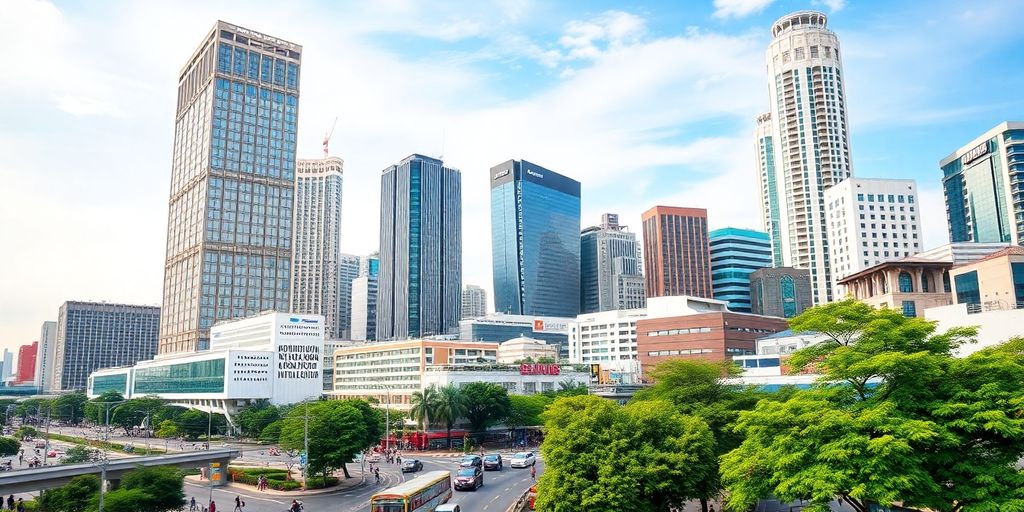
Bangkok’s rental market is showing some serious growth, making it an interesting place for property investment. It’s not just apartments either; we’re seeing rental rates climb across the board, from office spaces to retail units. This upward trend is fuelled by a few things, including a growing number of expats, young professionals moving to the city, and a consistently strong tourism sector.
Rising Rental Rates
Rental rates in Bangkok have been steadily increasing. This is great news for property owners, as it means a potentially higher return on investment. Several factors are contributing to this, including increased demand and limited supply in certain areas. Properties that have been renovated or are relatively new tend to command higher rental rates, so it’s worth considering this when looking at potential investments.
Types of Commercial Properties in Demand
There’s a diverse range of commercial properties that are currently in demand in Bangkok:
- Office spaces, particularly those in central business districts and close to public transport.
- Retail units, especially in areas with high foot traffic and tourist activity.
- Serviced apartments, catering to both short-term and long-term stays.
- Warehouses and logistics centres, driven by the growth of e-commerce.
Long-Term Rental Trends
Looking at the long-term, several trends are shaping the rental market in Bangkok. The rise of co-working spaces is impacting demand for traditional office leases. Also, there’s a growing interest in sustainable and eco-friendly properties. Finally, the ongoing development of infrastructure projects, like new MRT lines, is opening up new areas for investment and driving rental growth in previously less accessible locations.
The rental market in Bangkok is expected to continue its upward trajectory. Factors such as urbanisation, economic growth, and tourism will keep demand high. This makes it a potentially lucrative market for investors who are looking for long-term rental income.
Diverse Property Options
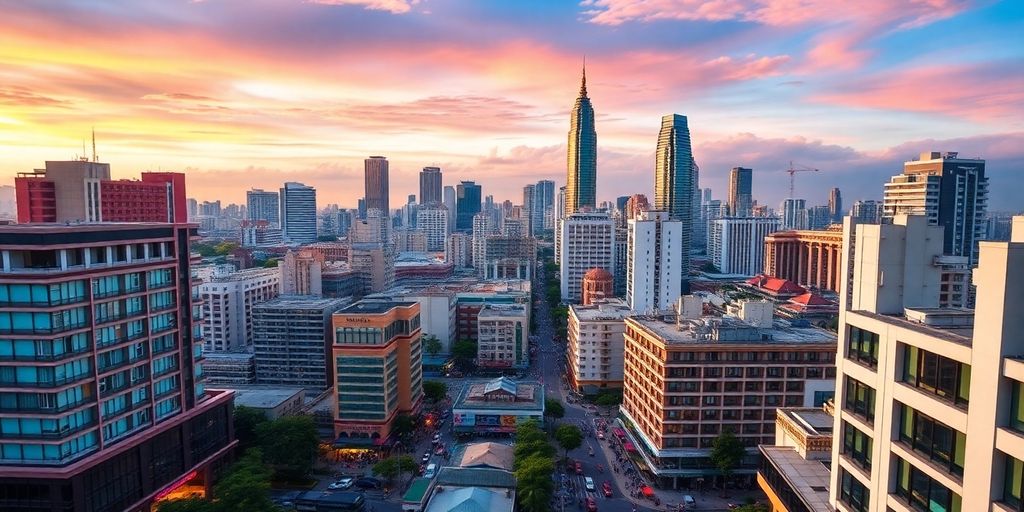
Bangkok’s commercial real estate market is like a box of chocolates – you never know what you’re gonna get! From swanky office towers to quaint shophouses, there’s something for every investor, no matter how big or small their wallet might be. Let’s have a look at the variety on offer.
Affordable vs. Luxury Investments
One of the great things about Bangkok is that you don’t need to be a millionaire to get in on the action. There are definitely opportunities for those with smaller budgets, but it’s all about knowing where to look. Of course, if you’re rolling in it, the sky’s the limit with luxury condos and prime office spaces up for grabs. It really depends on your risk appetite and what kind of returns you’re hoping for.
Types of Commercial Properties Available
Bangkok offers a wide array of commercial properties. Here’s a quick rundown:
- Office Spaces: From modern skyscrapers in the CBD to smaller, more affordable options in up-and-coming areas.
- Retail Units: Shops in malls, standalone stores, and spaces in community malls – perfect for tapping into Bangkok’s vibrant retail scene.
- Warehouses and Industrial Properties: Essential for logistics and manufacturing, often found on the outskirts of the city.
- Hotels and Serviced Apartments: Catering to tourists and business travellers, these can be lucrative investments, especially in prime locations.
- Shophouses: Traditional buildings that combine residential and commercial space, offering a unique investment opportunity.
Investment Strategies for Different Budgets
No matter your budget, there’s a way to invest in Bangkok’s commercial real estate. Here are a few strategies to consider:
- Small Budget: Consider investing in smaller retail units in developing areas or look into REITs (Real Estate Investment Trusts) to invest in real estate without needing a huge capital outlay.
- Medium Budget: Explore office spaces outside the CBD or consider purchasing shophouses with rental potential.
- Large Budget: Go for prime office buildings, luxury hotels, or large-scale retail developments in central locations.
It’s important to do your homework and understand the market before jumping in. Don’t be afraid to seek advice from local experts and conduct thorough due diligence. Remember, property investment is a long-term game, so patience is key.
High Rental Yield Potential
Bangkok’s commercial real estate market is known for its attractive rental yield potential. Compared to other major cities in the region, Bangkok often presents a more favourable landscape for investors seeking strong returns. Let’s explore the factors that contribute to this and how you can make the most of it.
Comparative Analysis with Other Cities
Bangkok often stands out when compared to other major Asian hubs. Rental yields in Bangkok can be significantly higher than in cities like Singapore or Hong Kong. This is due to a combination of factors, including lower property prices and a strong demand for rental properties. For example, a luxury condo can bring in up to 8%, while a one-bedroom apartment in a prime location typically yields around 6%.
Factors Contributing to High Yields
Several elements contribute to Bangkok’s high rental yields:
- Thriving Tourism: The constant influx of tourists creates a steady demand for short-term rentals and hotel accommodations. Tourism’s impact is significant.
- Strong Expat Community: A large number of expats working and living in Bangkok seek rental properties, driving up demand.
- Growing Economy: Bangkok’s expanding economy attracts businesses and professionals, further boosting the rental market.
- Relatively Affordable Property Prices: Compared to other major cities, property prices in Bangkok are relatively affordable, allowing for higher rental yields.
Investing in Bangkok commercial property can be a smart move, but it’s important to do your homework. Understanding the local market dynamics and seeking professional advice can help you maximise your returns and minimise risks.
Case Studies of Successful Investments
Let’s look at some examples. Consider an investor who purchased a retail space in a busy area. They secured a long-term lease with a well-known brand, resulting in a consistent rental income and a high yield. Another example is an investor who bought a serviced apartment building catering to tourists and business travellers. By offering quality accommodation and excellent service, they achieved high occupancy rates and strong rental income. These successful investments highlight the potential for lucrative returns in Bangkok’s commercial real estate market.
Risk Management and Long-Term Viability
Every investment, especially in commercial property, comes with risks. Spotting these risks early and having a plan to deal with them is super important for keeping your investment safe and sound over the long haul.
Common Risks in Bangkok’s Commercial Property Market
Bangkok’s commercial property market, while promising, isn’t without its potential pitfalls. Here are a few things to keep in mind:
- Market Swings: The economy can be unpredictable. If things slow down, it can hit property demand and rental prices. It’s a good idea to keep an eye on economic growth indicators.
- Maintenance Costs: Older buildings might need a lot of work to keep them in good shape. This can eat into your profits.
- Tenant Troubles: If you have empty units or tenants leaving often, your cash flow can take a hit.
- Regulation Changes: New laws or policies can throw a wrench in your investment plans. It’s important to stay informed about property laws in Thailand.
Strategies for Risk Mitigation
So, what can you do to protect your investment? Here are a few ideas:
- Don’t put all your eggs in one basket: Spreading your investments across different types of properties or locations can help cushion the blow if one area struggles.
- Get insured: Make sure you have good property insurance to cover any unexpected damages or losses.
- Hire a pro: A good property management company can handle the day-to-day stuff and keep tenants happy.
- Think long-term: Consider how future developments, like new transport links, might affect your property’s value. Conversion into alternative assets might be a good idea.
It’s always a smart move to get a feasibility study done before you commit to anything. This will help you understand the potential risks and rewards of your investment.
Importance of Feasibility Studies
A feasibility study is like a health check for your investment. It helps you understand if a project is likely to succeed before you sink a lot of money into it. It looks at things like market demand, costs, and potential returns. Think of it as doing your homework before the big exam. It’s a step that can save you a lot of headaches (and money) down the road. Diversifying risks and investing in real estate is a good idea.
Growing Economy and Infrastructure Development
Economic Growth Indicators
Bangkok’s economy is a key factor in its property market. The city’s ongoing expansion provides opportunities for capital growth. Property values have risen because of infrastructure improvements and the growing economy. Many multinational corporations have set up regional headquarters in Bangkok, making it a hub for international trade.
Infrastructure Projects Enhancing Connectivity
Bangkok is constantly evolving, and a big part of that is down to the ongoing infrastructure projects. These projects are designed to improve connectivity and make the city more accessible. Think about it – better transport links mean easier access to commercial properties, which can boost property value. Some key projects include:
- Extensions to the BTS Skytrain and MRT subway lines.
- New expressways and road networks.
- Upgrades to Suvarnabhumi Airport.
These developments not only make it easier to get around but also open up new areas for commercial development. Areas that were once considered too far from the city centre are now becoming attractive investment locations.
Impact on Commercial Real Estate
The growing economy and improved infrastructure have a direct impact on commercial real estate.
- Increased demand for office space as businesses expand.
- Higher rental yields due to improved accessibility.
- Growth in retail and hospitality sectors, driven by tourism and local spending.
Thailand’s real estate investment market showed resilience in 2024, with activity in select asset classes. The Board of Investment’s (BOI) promotion allowing foreign investors to acquire freehold land has played a role in investment in hotels, data centres, and industrial estates.
Regulatory Environment and Legal Considerations
Understanding Property Laws in Thailand
Thailand’s property laws can seem a bit complex at first glance, especially if you’re not familiar with the local system. It’s not just about knowing the basics; it’s about understanding the nuances that can affect your investment. Getting to grips with these laws is key to making sound decisions.
- Land Code Act
- Condominium Act
- Civil and Commercial Code
Foreign Ownership Regulations
Foreign ownership is where things get interesting. Direct land ownership by foreigners is restricted, but there are ways around it. Leasehold agreements are common, typically for 30 years with the possibility of renewal. Setting up a Thai Limited Company is another option, but it comes with its own set of rules and compliance requirements. It’s worth noting that daily condo rentals are illegal.
Navigating the Buying Process
Buying property here involves a few steps. First, due diligence is a must. Check the title deed, get a survey done, and make sure there aren’t any hidden surprises. Then, there’s the Sale and Purchase Agreement, which needs to be watertight. Finally, registration at the Land Department seals the deal. It sounds straightforward, but having a good lawyer on your side can make all the difference. Understanding Thailand Land & Building Tax is also important.
It’s always a good idea to get professional advice. A local lawyer or property consultant can help you navigate the legal landscape and avoid potential pitfalls. They can also help you understand the local market and find the best investment opportunities.
When dealing with real estate, it’s important to understand the rules and laws that apply. These regulations can affect how you buy, sell, or rent properties. If you’re unsure about what you need to know, visit our website for more information and guidance on legal matters related to real estate. Don’t hesitate to reach out and get the help you need!
Final Thoughts on Investing in Bangkok’s Commercial Real Estate
In summary, putting your money into commercial real estate in Bangkok can be a smart move, especially with the city’s growing economy and vibrant tourism scene. There’s a mix of properties available, catering to different budgets and investment goals. However, it’s not all sunshine and rainbows; you need to be aware of the risks involved, like market fluctuations and maintenance costs. Doing your homework is key. Look into the location, market trends, and potential challenges before making a decision. If you play your cards right, Bangkok could be a great place to invest and see some solid returns.