


Watch This Episode: Our Phuket Real Estate Podcast
Our podcast covers all the topics for property investors looking at buying real estate in Thailand.
Buying a villa in Thailand can feel like a big adventure, but it doesn’t have to be overwhelming. With a bit of planning and smart decision-making, you can cut down on upfront costs and make the whole process a lot easier. From picking the right spot to understanding the local property rules, there’s a lot to consider. But don’t worry, with the right approach, you can make your dream of owning a villa in Thailand a reality.
Key Takeaways
- Get familiar with the Thai property market and the rules for foreign buyers.
- Pick the right location by exploring popular spots like Phuket and Samui.
- Look into various financing options, including mortgages and leasehold agreements.
- Trim initial costs by negotiating prices, using payment plans, and tapping into tax benefits.
- Follow a clear step-by-step guide to avoid common mistakes and simplify the buying process.
Understanding the Thai Property Market
Key Trends in Thai Real Estate
The Thai property market is quite a mixed bag, catering to everyone from budget-conscious buyers to those seeking luxury. Luxury beachfront condos in hotspots like Phuket, Pattaya, and Hua Hin start at around $200,000. These places are a magnet for both local and international buyers looking for vacation homes or investment properties. Meanwhile, if you’re watching your wallet, there are great options in up-and-coming areas. Studio apartments in cities like Bangkok and Chiang Mai can cost about $100,000, making them attractive to young professionals and investors eyeing rental income.
Recent trends? Mixed-use developments are on the rise. These combine residential, commercial, and public spaces, catering to diverse lifestyles. Plus, the Thai government’s policies are making it easier for international buyers to explore these varied real estate options.
Popular Locations for Villas
Thailand has some top spots for villa purchases, each with its own unique charm. Phuket is famous for its stunning beaches and lively nightlife, making it a prime destination. The real estate market here is buzzing, offering a range of villas, from beachfront properties to hillside retreats.
Samui is another market that’s catching on, drawing buyers with its peaceful vibe and beautiful landscapes. Villas here often blend modern amenities with traditional Thai architecture, appealing to those looking for personal use or investment.
When choosing between coastal and inland properties, coastal areas like Phuket and Pattaya are favoured for their scenic views. In contrast, inland areas like Chiang Mai offer a more tranquil and culturally rich environment. It’s all about what you prefer and your investment goals.
Legal Considerations for Foreign Buyers
Buying property in Thailand as a foreigner comes with its own set of rules. Thai law restricts foreign ownership of land, allowing foreigners to own buildings but not the land itself. This often leads investors to go for leasehold agreements, which let you lease land for up to 30 years, with possible extensions.
It’s important to get advice from real estate experts and legal consultants to make sure you comply with Thai property laws. By understanding these regulations, you can reduce risks and boost your investment potential.
Getting to grips with the Thai property market is key to making informed decisions and ensuring a successful investment.
Choosing the Right Location for Your Villa
Exploring Phuket’s Villa Market
Phuket is a standout choice for those eyeing a villa in Thailand. Known for its stunning beaches and lively nightlife, Phuket offers a mix of luxury and affordability. Whether you’re after a beachfront paradise or a serene inland retreat, Phuket has it all. The island’s popularity among tourists makes it a hot spot for short-term rentals, providing a steady income stream for villa owners. When considering new projects in Pattaya, it’s worth noting that Phuket’s vibrant culture and scenic beauty make it a perennial favourite for both holidaymakers and investors.
Discovering Samui’s Hidden Gems
Samui is emerging as a go-to spot for villa buyers seeking tranquillity. Its serene environment and breathtaking landscapes offer a peaceful escape from the hustle and bustle. Villas here often blend modern comforts with traditional Thai design, appealing to those looking for a personal retreat or an investment opportunity. The island’s growing appeal is reflected in its increasing popularity among international buyers, making it a promising area to consider.
Evaluating Other Promising Areas
Beyond Phuket and Samui, Thailand has other locations worth exploring for villa investments. Pattaya, with its robust development plans, is gaining traction among investors. Inland areas like Chiang Mai offer a culturally rich experience and a slower pace of life, which might suit those looking for something different. Each location has its unique charm, so it’s vital to align your choice with your lifestyle preferences and investment goals.
Choosing the right location is more than just picking a spot on the map. It’s about finding a place that matches your lifestyle and investment aspirations. Whether it’s the bustling beaches of Phuket, the peaceful vibes of Samui, or the cultural richness of Chiang Mai, Thailand offers a diverse range of options for villa buyers.
Exploring Financing Options
When buying a villa in Thailand, getting your head around the financing part is a big deal. Foreign buyers often face unique hurdles, but don’t worry, there are several options to consider.
Traditional Mortgages and Loans
- Local Bank Mortgages: Some Thai banks offer mortgages to foreign buyers. Usually, they ask for a down payment of about 30%. It’s a bit steep, but it’s an option if you meet their criteria.
- International Banks: A few international banks might give you a loan for property in Thailand. They sometimes have more flexible terms, which could be a lifesaver.
- Personal Loans: If your credit history is solid, personal loans are on the table. Just keep in mind, they often come with higher interest rates.
Leasehold Agreements Explained
Leasehold agreements are a common route for foreigners buying property in Thailand. They let you lease the land for a set time, often up to 30 years, with a chance to renew.
- Duration: Typically lasts for 30 years, but you might get extensions.
- Transferability: You can often transfer the lease to someone else, which is handy.
- Legal Framework: Make sure the lease is registered with the Land Department to protect your rights.
Alternative Financing Methods
If traditional loans aren’t your thing, there are other ways to go about it:
- Home Equity Loans: If you own property, you can borrow against its value. This can be a good way to raise funds without selling your current home.
- Co-signers: Having a co-signer with a strong financial profile can boost your chances of getting a loan.
“Understanding the financing landscape is crucial for foreign buyers looking to invest in Thailand’s vibrant property market.”
In short, exploring financing options is key to cutting down upfront costs and making buying a villa in Thailand a smoother ride. By getting to know your mortgage options, leasehold agreements, and alternative financing methods, you can make choices that suit your financial goals.
Negotiating to Minimise Costs
Researching Market Values
Before diving into negotiations, it’s smart to get a good grasp of the market. Check out similar properties and see what they’re going for. This gives you a solid idea of what’s fair and what’s not. Being informed is your best weapon when it comes to bargaining. If you’re eyeing something like the Japanese Inspired Design Villa in Bangtao, knowing its market value can help you make a strong case for your offer.
Making Informed Offers
When you’re ready to make an offer, don’t just throw out a number. Base it on your research and current market trends. Sellers appreciate an offer that’s grounded in reality. Plus, being ready to chat about terms that work for everyone can make the whole process smoother.
Utilising Payment Plans
Lots of developers offer flexible payment plans. These can be a lifesaver if you’re trying to spread out costs over time. Instead of paying a huge chunk upfront, you can ease the financial hit by opting for staggered payments. This is especially common with high-end villas in places like Phuket. It’s a good idea to ask about these options and see if they fit your budget.
Negotiating isn’t just about the price tag. It’s about finding terms and conditions that make the purchase less of a financial burden. By doing your homework and being open to different payment structures, you can make buying a villa in Thailand a more affordable reality.
Navigating the Legal Landscape
Essential Legal Documents
When buying a villa in Thailand, having all your legal documents in order is a must. You’ll need to sort out these key papers:
- Sale and Purchase Agreement: This is your primary contract, outlining the terms between you and the seller.
- Title Deed: Proves ownership and is crucial for any property transaction.
- Necessary Permits: Depending on the property, certain permits might be required.
Getting these documents right can save you from future headaches. Missing or incorrect paperwork can cause delays and extra costs.
Working with Local Lawyers
A local lawyer can be your best friend in this process. They know the ins and outs of Thai property laws and can help you:
- Verify Documents: Ensuring all your paperwork is legit.
- Understand Ownership Laws: Foreigners face restrictions, like not being able to own land outright.
- Navigate Leasehold Agreements: These allow you to lease land for up to 30 years.
Having a lawyer by your side can make the whole legal process less daunting.
Understanding Property Ownership Laws
If you’re a foreign buyer, Thai property laws can be tricky. Here’s what you need to know:
- Leasehold Agreements: You can lease land for a set period, often with renewal options.
- Setting Up a Thai Company: Some buyers create a company to hold the property.
It’s important to get familiar with these laws so you can make smart decisions. Also, if you’re thinking about short-term rentals, you might need special permits.
Knowing the legal ropes can make buying a villa in Thailand a lot smoother. It’s all about planning and getting the right help. For those interested in luxurious tropical pool villas, understanding these legalities is key to a successful purchase.
Utilising Real Estate Agents
Benefits of Professional Guidance
When you’re buying a villa in Thailand, having a real estate agent by your side can be a game-changer. They know the ins and outs of the market and can help you avoid pitfalls. Agents bring a wealth of experience, guiding you through the maze of property choices and negotiations. Their insights can save you time and money, making the process smoother and less stressful.
Accessing Exclusive Listings
One of the perks of working with an agent is gaining access to exclusive listings. These are properties that you won’t find on public websites or listings. Agents often have connections and know about villas that are perfect for your needs before they hit the market. Imagine finding a gem like the Sea View Balinese Villa in Bo Phut before anyone else!
Negotiating the Best Deals
Negotiation isn’t just about haggling over price; it’s about getting the best terms for your purchase. Real estate agents are skilled negotiators. They can help you understand the market value, craft offers that appeal to sellers, and even navigate tricky situations like counteroffers or bidding wars. With their help, you’re more likely to secure a villa at a price and terms that suit your budget and needs.
Working with a real estate agent isn’t just about convenience; it’s about making sure you get the best possible outcome when buying your dream villa in Thailand.
Conducting Thorough Property Inspections
Hiring Qualified Inspectors
When you’re buying a villa in Thailand, one of the first steps you should take is hiring a qualified inspector. These professionals are trained to spot issues that might not be obvious to the untrained eye. Think of them as your safety net, catching potential problems before they become costly headaches. It’s essential to ensure the inspector is licenced and has experience with properties in Thailand. They should thoroughly check the villa’s structure, plumbing, electrical systems, and more.
Identifying Potential Issues
A good inspection can reveal a lot about a property. Common issues might include plumbing leaks, electrical faults, or structural damage. Inspectors will also look for signs of pest infestations, which can be a big problem in tropical climates. Make a list of any faults or concerns they find, and discuss these with the seller. This can be a great bargaining tool to lower the price or request repairs before you move in.
Avoiding Hidden Costs
Hidden costs can turn your dream villa into a financial nightmare. By conducting a thorough inspection, you can avoid unexpected expenses down the line. For example, if the roof needs replacing, that’s a cost you want to know about upfront. Don’t forget to check for any legal or zoning issues that might affect the property. Understanding Thai laws on property can be crucial here, as foreign ownership can sometimes be complex. This step is about protecting your investment and ensuring there are no nasty surprises after you’ve signed on the dotted line.
Taking the time to conduct a thorough inspection might seem tedious, but it’s a crucial step in the buying process. It provides peace of mind and ensures that your new villa doesn’t come with any unwelcome surprises.
Finalising the Purchase Process
Reviewing and Signing Documents
Once you’ve reached this stage, you’re almost at the finish line. Carefully reviewing all documents is crucial before you sign anything. You wouldn’t want any surprises later on. Get a lawyer, preferably someone familiar with Thai property laws, to go through everything with you. They can help translate and explain any complex terms. This might seem tedious, but it’s worth the peace of mind.
Coordinating with Sellers
Communication is key here. Regular updates with the seller can prevent any last-minute hiccups. Make sure you’re both on the same page about what’s included in the sale. Is the furniture part of the deal? What about appliances? Get everything in writing to avoid misunderstandings. A quick email confirming these details can save a lot of hassle.
Ensuring a Smooth Transition
You’ve signed the papers, but the process isn’t over yet. Now it’s about making the transition as seamless as possible. Confirm all inventory details and ensure everything is as agreed upon. It’s also smart to schedule a final walkthrough before the closing date. This way, you can check that everything’s in order and nothing’s been damaged or removed. Finally, set a closing date that works for all parties involved, giving everyone enough time to prepare.
Taking Advantage of Tax Benefits
When buying a villa in Thailand, understanding the tax benefits available can lead to significant savings. These savings can make a substantial difference in your overall investment. Let’s explore some ways to take advantage of these opportunities.
Understanding Local Tax Incentives
Thailand offers various tax incentives that can benefit property buyers. It’s essential to:
- Research available tax breaks: These might include reductions for first-time buyers or specific deductions related to property improvements.
- Stay updated on policy changes: Tax laws can change, so keeping informed ensures you won’t miss out on potential savings.
- Consult with a local tax advisor: They can provide insights into the latest tax benefits and how to apply them effectively.
Reducing Property Taxes
Reducing property taxes is another way to save money:
- Evaluate the property’s assessed value: Sometimes, properties are overvalued, leading to higher taxes. Requesting a reassessment might lower your tax burden.
- Utilise homestead exemptions: If applicable, these can significantly reduce the taxable value of your villa.
- Consider long-term ownership strategies: Holding onto property can sometimes provide tax advantages over time.
Maximising Financial Savings
To maximise your financial savings, consider the following:
- Plan renovations wisely: Certain improvements might qualify for tax deductions or credits.
- Leverage investment property benefits: If you rent out your villa, there might be additional tax advantages.
- Engage with local experts: Property experts in Thailand can offer tailored advice to ensure you’re making the most of available benefits.
By understanding and utilising these tax benefits, you can reduce your financial burden and make owning a villa in Thailand more affordable. Careful planning and advice from professionals can turn these savings into a reality.
Avoiding Common Pitfalls
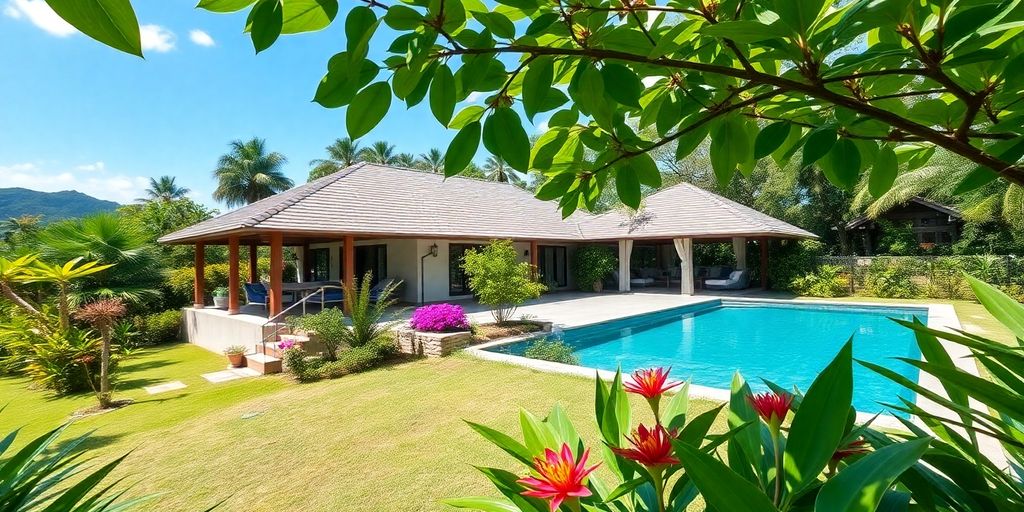
Skipping Home Inspections
When buying a villa, it’s tempting to rush through the process, especially if you’ve found a place that feels just right. But skipping a thorough home inspection can lead to costly surprises. Imagine moving into your dream villa only to discover hidden water damage or electrical issues. A detailed inspection can save you from unexpected repairs later on. Hiring a qualified inspector is a small price to pay for peace of mind.
Ignoring Legal Advice
Legal documents can be overwhelming, especially if you’re not familiar with local regulations. Yet, ignoring legal advice is a mistake you definitely want to avoid. A local lawyer can help you understand the implications of the contracts you’re signing. They can explain the “Thanarak Eua Rat” programme, which offers affordable land leases, ensuring you make informed decisions. It’s all about protecting your investment and avoiding future headaches.
Overlooking Additional Costs
Buying a villa isn’t just about the purchase price. There are plenty of additional costs that can catch you off guard if you’re not prepared. Think about taxes, maintenance fees, and utility bills. It’s crucial to budget for these ongoing expenses to avoid financial strain down the line. Make a list of all potential costs and factor these into your budget from the start.
Buying a villa in Thailand can be a rewarding experience, but it’s essential to approach it with caution. By steering clear of these common pitfalls, you can ensure a smoother buying process and enjoy your new home without unnecessary stress.
Ensuring a Smooth Transition

Coordinating with Sellers
Making sure everything goes smoothly when buying a villa in Thailand starts with good communication with the sellers. Keep in touch regularly to avoid any last-minute surprises. It’s also a smart move to get an itemised list of what’s included in the sale, like fixtures and fittings, to prevent any misunderstandings later on.
Confirming Inventory Details
Before you finalise anything, double-check the inventory details. This means going over the list of items included in the sale to make sure everything is accounted for. It’s not just about what’s there, but also about what’s missing. A thorough review can save you from unexpected headaches down the road.
Scheduling a Closing Date
Setting a closing date is more than just picking a day on the calendar. It’s about aligning all the parties involved, from lawyers to real estate agents, to ensure everything is ready for the big day. Once the date is set, confirm it with everyone to avoid any last-minute hiccups.
Careful planning and clear communication are key to a smooth transition. By keeping everyone in the loop and double-checking all details, you can make moving into your new villa a stress-free experience.
When considering luxurious renovation investment villas like those marketed by Ocean Worldwide, it’s crucial to understand the different pricing options and ownership types available, such as freehold and leasehold, to make an informed decision.
Making a smooth transition is key to enjoying your new home. Whether you’re buying, renting, or selling, it’s important to have the right support. Visit our website to explore how we can help you find your perfect property and make the process easy. Don’t wait—start your journey with us today!
Conclusion
Buying a villa in Thailand doesn’t have to be a daunting task. With a bit of planning and the right approach, you can make it happen without breaking the bank. Start by doing your homework—know your budget and the areas you’re interested in. Getting a pre-approved loan can save you a lot of hassle later on. When you find a villa you like, don’t skip the home inspection. It’s tempting to rush, but taking your time can save you from future headaches. And remember, legal advice is your friend here. It might seem like an extra cost, but it can prevent bigger problems down the line. By following these steps and staying patient, you’ll be well on your way to owning a piece of paradise in Thailand. Enjoy the journey!