
Thinking about building a house in Thailand? It’s a big decision, especially if you’re an expat. From understanding the laws to picking the right spot, there’s a lot to figure out. This guide breaks it all down for you, step by step. Whether you’re dreaming of a modern villa or a traditional Thai-style home, this article has got you covered.
Key Takeaways
- Expats need to navigate specific legal rules for owning land and building houses in Thailand.
- Choosing between urban and rural areas depends on lifestyle preferences and access to amenities.
- Incorporating Thai architectural styles can add cultural charm to your home.
- Budgeting for construction includes understanding local costs and planning for unexpected expenses.
- Hiring reliable contractors and understanding contracts is crucial for smooth construction.
Understanding Legal Frameworks for Building Houses in Thailand
Land Ownership Laws for Expats
Foreigners looking to own land in Thailand face certain restrictions. While direct ownership of land is generally not permitted, there are legal avenues available. For instance, expats can lease land for up to 30 years or establish a Thai company to purchase the property. Additionally, under specific conditions, foreigners can own up to 1 Rai (1,600 square metres) of land for residential purposes, as permitted by a Board of Investment regulation. Understanding these options is critical to making informed decisions.
Building Permits and Regulations
Before starting construction, obtaining a building permit is mandatory. This involves submitting architectural and engineering plans, the property title deed, and proof of ownership to the local municipal office. The process ensures the construction complies with zoning laws and safety standards. Here’s a simple breakdown:
- Gather required documents, including land surveys and environmental assessments if needed.
- Submit the application to the local authorities.
- Wait for approval, which can take weeks or months depending on the project’s complexity.
Navigating Thai Property Taxes
Owning property in Thailand comes with tax obligations. Property taxes include land tax, building tax, and transfer fees. If you sell the property, withholding tax and specific business tax may apply. It’s advisable to consult a tax professional to ensure compliance and avoid unexpected liabilities.
Building a home in Thailand requires careful planning and adherence to local laws. By understanding the legal frameworks, expats can navigate the process more smoothly and avoid potential pitfalls.
Choosing the Right Location for Your Thai Home
Urban vs Rural Living in Thailand
When deciding between urban and rural living in Thailand, it’s essential to think about your lifestyle and daily needs. Urban areas like Bangkok and Chiang Mai offer modern conveniences, bustling activity, and a wide array of amenities. On the other hand, rural settings provide tranquillity, natural beauty, and a slower pace of life. Your choice will largely depend on whether you prioritise accessibility or serenity.
Here’s a quick comparison:
| Feature | Urban Living | Rural Living |
|---|---|---|
| Amenities | High availability | Limited options |
| Cost of Living | Generally higher | More affordable |
| Traffic and Commute | Heavy traffic, faster transport options | Minimal traffic, fewer options |
| Community Feel | Diverse but fast-paced | Tight-knit, slower-paced |
Factors to Consider When Selecting a Neighbourhood
Choosing the right neighbourhood can make or break your experience in Thailand. Consider these factors:
- Safety: Look into crime rates and overall security.
- Proximity to Work or School: Long commutes can be draining.
- Access to Public Transport: Convenient transport options can save you time and money.
- Local Amenities: Check for nearby hospitals, supermarkets, and recreational facilities.
- Noise Levels: Some areas may be noisier than others, especially near nightlife districts.
Proximity to Amenities and Infrastructure
Living close to essential services and infrastructure can significantly improve your quality of life. Hospitals, schools, and grocery stores are must-haves for families, while expats working remotely might prioritise reliable internet services. Additionally, access to public transportation networks can make your day-to-day travel much easier.
“Whether you choose a bustling city or a serene village, ensure the location aligns with your lifestyle and long-term goals.”
For those who prefer less sunlight and a cooler indoor environment, selecting a north-facing unit could be a practical choice. This small detail can make a big difference in your comfort level over time.
Designing Your Dream Home in Thailand

Incorporating Thai Architectural Styles
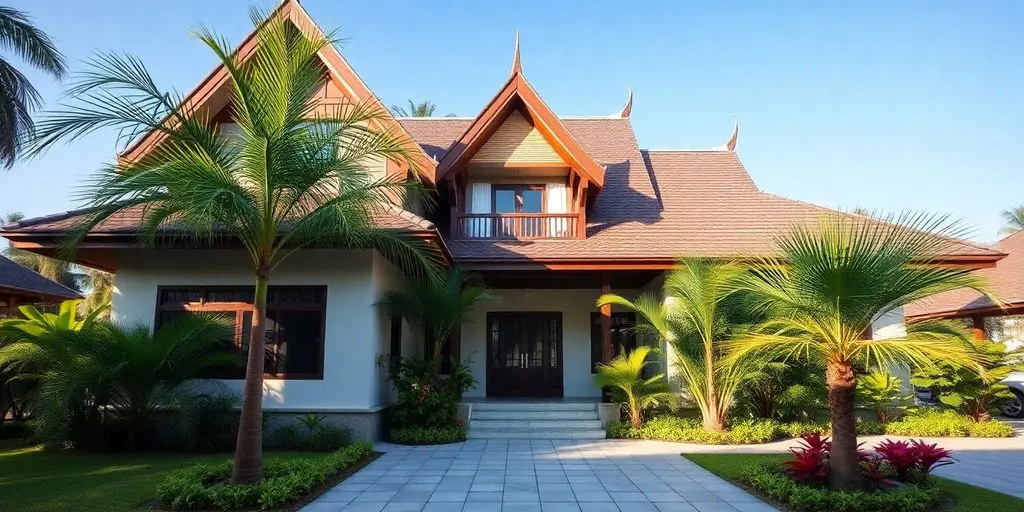
When designing your home in Thailand, it’s worth considering traditional Thai architectural styles. These designs often feature elevated structures, steeply pitched roofs, and wide verandas, all of which are perfect for the tropical climate. Blending traditional aesthetics with modern functionality can create a unique and comfortable living space. Many expats also choose to incorporate local materials like teak wood or bamboo, which are not only beautiful but also sustainable.
Sustainable Building Practises
Sustainability is becoming increasingly important in home construction. In Thailand, you can take advantage of the climate by incorporating solar panels for energy, rainwater harvesting systems, and natural ventilation designs. Here’s a quick list of sustainable features to consider:
- Solar energy systems to reduce electricity costs.
- Rainwater collection tanks for gardening and household use.
- Insulation materials to keep your home cool naturally.
These practises not only help the environment but can also lower your long-term maintenance costs.
Working with Local Architects and Designers
Hiring local professionals is key to bringing your dream home to life. Thai architects and designers are familiar with the country’s building codes, materials, and climate considerations. When choosing a professional, look for:
- Experience in designing homes for expats.
- A portfolio showcasing diverse styles.
- Good communication skills to bridge any language gaps.
Collaborating with local experts ensures your home is both functional and compliant with Thai laws, while also reflecting your personal style.
For those considering Hua Hin as a location, Hua Hin offers a diverse range of real estate options, including land plots perfect for custom building.
Budgeting and Financing Your Construction Project
Estimating Construction Costs in Thailand
Before starting a construction project, it’s essential to have a clear understanding of the costs involved. These include:
- Land preparation: Clearing and levelling the site, which can range from 50,000 to 200,000 THB depending on the location and size.
- Materials: Costs vary widely based on quality. For example, basic concrete may cost 1,500 THB per cubic metre, while premium materials can significantly increase the budget.
- Labour: Daily wages for construction workers typically range from 300 to 600 THB, depending on skills and experience.
It’s wise to include a contingency of 10-20% in your budget to cover unforeseen expenses.
Understanding Mortgage Options for Expats
Securing financing as a foreigner in Thailand can be challenging. Here are common options:
- Local Banks: Some Thai banks offer mortgages to expats, but they often require a long-term visa or work permit. Loan-to-value ratios are typically 50-70%.
- International Banks: These may provide better terms, but the application process can be complex and time-consuming.
- Developer Financing: Some property developers offer in-house financing for new builds, which can be more flexible but may have higher interest rates.
Always review the terms carefully, including interest rates, repayment schedules, and any penalties for early repayment.
Managing Unexpected Expenses
Even the best-planned projects can encounter surprises. To minimise financial strain:
- Set aside an emergency fund: Aim for at least 10% of your total budget.
- Track your spending: Regularly review expenses to avoid overspending.
- Consult a Quantity Surveyor: These professionals can help manage costs effectively, ensuring your project stays within budget. Learn more about the role of a Quantity Surveyor.
Building a home in Thailand requires careful financial planning. By understanding costs, exploring financing options, and preparing for the unexpected, you can ensure a smoother construction journey.
Hiring Contractors and Builders in Thailand
Finding Reliable Construction Professionals
When building a home in Thailand, choosing the right contractor is a critical step. Start by seeking recommendations from other expats or locals who have recently completed construction projects. Online platforms and forums can also be helpful for finding reputable professionals. Make sure to verify reviews and testimonials to avoid hiring inexperienced or unreliable builders.
Evaluating Contractor Credentials
Before signing any agreements, ensure the contractor has the necessary licences and certifications. Request proof of past projects, and if possible, visit completed sites to assess the quality of their work. Additionally, check if they are insured, as this can protect you from liabilities during construction.
| Key Credential | Importance |
|---|---|
| Licences | Ensures compliance with Thai laws and regulations |
| Insurance | Protects against unforeseen accidents or damages |
| Portfolio | Demonstrates their expertise and quality of work |
Negotiating Contracts Effectively
A well-drafted contract is essential to avoid misunderstandings and disputes. Clearly outline the scope of work, timelines, payment terms, and penalties for delays or substandard work. It’s advisable to have the contract reviewed by a legal expert familiar with Thai construction laws. Consider breaking payments into stages, tied to project milestones, to maintain accountability.
Understanding Cultural and Environmental Considerations
Adapting to Thai Building Traditions
Building a house in Thailand means more than just bricks and mortar; it involves respecting local traditions. For instance, many Thai homeowners include a “spirit house” on their property to honour protective spirits. This small shrine is typically placed in a prominent outdoor spot and is an integral part of Thai culture. Understanding and respecting these practises can go a long way in building goodwill with neighbours and the community.
Additionally, Thai architecture often incorporates open spaces and natural ventilation to cope with the tropical climate. While modern designs are common, blending these traditional elements can enhance both functionality and cultural harmony.
Environmental Impact and Sustainability
Thailand’s tropical climate and rich biodiversity make it crucial to consider environmental factors in construction. Here are some ways to minimise your ecological footprint:
- Use locally sourced materials like bamboo or teak, which are more sustainable and readily available.
- Incorporate rainwater harvesting systems to reduce water waste.
- Opt for energy-efficient appliances and solar panels to reduce electricity consumption.
A thoughtful approach to sustainability not only benefits the environment but can also reduce long-term costs.
Respecting Local Customs and Practises
Thai culture places a high value on respect and harmony. Simple gestures, like removing your shoes before entering a home, reflect this cultural ethos. In Bangkok, for example, this practise is common even in condos and reflects respect for cleanliness.
When working with local contractors or interacting with neighbours, maintaining a polite and friendly demeanour is essential. Avoid confrontational behaviour, as “saving face” is an important concept in Thai society. Building relationships through mutual respect can make your construction journey smoother and more enjoyable.
Building a home in Thailand is not just a construction project; it’s an opportunity to immerse yourself in a unique culture while contributing to its preservation. By respecting traditions and prioritising sustainability, you can create a home that is both functional and culturally harmonious.
Navigating Utilities and Infrastructure Setup
Connecting Electricity and Water Services
Setting up electricity and water in Thailand can be straightforward, but there are a few things to keep in mind. First, you’ll need to visit your local Provincial Electricity Authority (PEA) or Metropolitan Electricity Authority (MEA) office to apply for electricity. Bring along your property deed and identification documents. For water, the process is similar, and applications are typically handled by the Provincial Waterworks Authority (PWA).
Steps to connect utilities:
- Prepare required documents, including property ownership proof and ID.
- Visit the respective utility office (PEA/MEA for electricity, PWA for water).
- Pay the necessary connection fees.
- Schedule an installation date with the utility provider.
Internet and Communication Options
Thailand offers a range of internet service providers, including AIS, True, and 3BB. Fibre-optic connections are widely available in urban areas, while rural regions may rely on mobile data or satellite services. When choosing an internet plan, consider speed, reliability, and customer service.
Popular internet providers:
| Provider | Service Type | Average Monthly Cost |
|---|---|---|
| AIS | Fibre, Mobile Data | 600–1,200 THB |
| True | Fibre, Mobile Data | 500–1,000 THB |
| 3BB | Fibre | 700–1,500 THB |
Ensuring Proper Waste Management
Proper waste disposal is essential for maintaining hygiene and environmental health. Most municipalities in Thailand provide garbage collection services for a small monthly fee. However, in rural areas, you may need to arrange for private waste collection or manage composting and recycling yourself.
Tips for waste management:
- Separate recyclables like plastic, glass, and paper.
- Use compost bins for organic waste.
- Check with local authorities for collection schedules and regulations.
“Setting up utilities and infrastructure in Thailand requires a bit of planning, but once done, it ensures a comfortable and functional living environment.”
Overcoming Challenges in Building Houses in Thailand
Dealing with Language Barriers
Building a home in Thailand as a foreigner can be tricky when it comes to communication. Many local contractors and suppliers may not speak English fluently, which can lead to misunderstandings during the project. Hiring a bilingual project manager or translator can make a world of difference. This person can act as a bridge between you and the local team, ensuring that your instructions and expectations are understood clearly. Additionally, learning basic Thai phrases related to construction can help build rapport and avoid small miscommunications.
Handling Delays and Disputes
Delays are a common occurrence in construction projects, and Thailand is no exception. Weather conditions, material shortages, or even cultural differences in work pace can slow progress. To minimise frustration, it’s a good idea to build extra time into your project timeline from the start. If disputes arise, having a detailed written contract in place can save you a lot of headaches. This contract should outline payment schedules, deadlines, and penalties for delays. Regular site visits can also help you keep the project on track and address issues before they escalate.
Mitigating Risks in Construction Projects
Risks such as structural problems or subpar materials can derail your dream home. One way to reduce these risks is by thoroughly vetting your contractors. Check their credentials, past projects, and client reviews. Another tip is to consider using aerated concrete for walls, which not only improves insulation but also reduces long-term maintenance costs. Regular inspections by a third-party expert can ensure that the construction meets safety and quality standards. Finally, always allocate a contingency budget—unexpected costs are almost inevitable in any build.
Maintaining Your Thai Home Post-Construction
Regular Maintenance Tips for Tropical Climates
Thailand’s tropical climate can be both a blessing and a challenge for homeowners. High humidity and frequent rains mean you’ll need to stay on top of maintenance to keep your home in good condition. Here are some key areas to focus on:
- Air Conditioning Units: These are essential in Thailand and should be serviced every 6-12 months to ensure they run efficiently and avoid costly repairs.
- Roof and Gutters: Regularly inspect your roof for leaks or damage, especially after the rainy season. Clean out gutters to prevent water build-up.
- Pest Control: Termites and other pests thrive in warm climates. Schedule periodic pest control treatments to protect your home’s structure.
Tip: Proactive maintenance saves money in the long run by preventing small issues from becoming major problems.
Hiring Property Management Services
For expats who may not reside in Thailand full-time, hiring a property management service can be a smart move. These companies handle day-to-day upkeep, including:
- Routine inspections to ensure the property remains in good condition.
- Managing repairs and coordinating with contractors.
- Taking care of landscaping, pool cleaning, and other outdoor tasks.
Costs for such services vary depending on the size and location of your home, but they can offer peace of mind, especially for absentee homeowners.
Understanding Home Insurance Options
Securing the right insurance for your home is crucial. Policies typically cover:
| Type of Coverage | What It Includes |
|---|---|
| Structural Damage | Repairs to the building itself |
| Contents Insurance | Protection for furniture and appliances |
| Natural Disasters | Coverage for floods or storms |
Make sure to read the fine print and understand what is excluded. For example, some policies might not cover damage caused by termites or gradual wear and tear.
By staying informed and proactive, you can enjoy your home in Thailand without unnecessary stress. After 8 months and 1 week, when your home is finally ready, these steps will help you maintain it for years to come.
Exploring Investment Opportunities in Thai Real Estate
Benefits of Building vs Buying
When considering real estate investment in Thailand, one of the first decisions to make is whether to build a new property or buy an existing one. Building allows for customisation to suit your preferences, from design to layout. However, it often involves navigating local building regulations and longer timelines. Buying, on the other hand, offers immediate possession and sometimes lower upfront costs, especially for older properties. Each option has its pros and cons, so weigh them carefully based on your goals and budget.
Potential ROI for Expats
Thailand’s real estate market offers a variety of investment opportunities with promising returns. Tourist hotspots like Phuket and Pattaya consistently deliver high rental yields, often ranging from 6% to 8% annually. For example:
| Location | Property Type | Average Price (THB) | Rental Yield (%) |
|---|---|---|---|
| Phuket | Condominiums | 6,000,000 | 6-7 |
| Pattaya | Beachfront Condos | 4,500,000 | 7-8 |
| Bangkok | Luxury Apartments | 10,000,000 | 5-6 |
Investors should also consider the impact of rising tourist numbers, which is expected to grow by 15.1% in 2025, further boosting demand for short-term rentals.
Understanding Market Trends in Thailand
The Thai real estate market is heavily influenced by tourism and economic policies. Locations with strong tourism appeal tend to see higher property appreciation rates. Additionally, government incentives aimed at foreign investors, such as relaxed ownership laws for condominiums, make the market even more attractive. Staying updated on local trends, like infrastructure projects or new tourist developments, can help identify emerging hotspots.
For expats, investing in Thai real estate isn’t just about returns—it’s also an opportunity to secure a foothold in a vibrant and growing market. With proper planning, it can be both a profitable and rewarding venture.
For more insights on investment opportunities in Thailand, explore options like stocks and businesses alongside real estate to diversify your portfolio effectively.
Legal and Financial Advice for Expats Building in Thailand
Consulting with Legal Experts
Engaging a qualified legal professional is a must when building a home in Thailand. Thai property laws can be intricate, and foreign nationals are prohibited from owning land directly. A lawyer can guide you through available options, such as long-term leases, setting up a Thai company, or purchasing condominiums (where foreign ownership is allowed up to 49% of the building’s total area). Additionally, they can assist in verifying land titles, drafting contracts, and ensuring compliance with local regulations.
Tax Implications for Foreign Homeowners
Understanding the tax landscape is vital for expats. Key taxes include:
| Tax Type | Rate/Details |
|---|---|
| Transfer Fee | 2% of the property value |
| Stamp Duty | 0.5% of the property value |
| Withholding Tax | 1% for individuals; varies for companies |
| Specific Business Tax | 3.3% (if the property is sold within 5 years) |
Budgeting for these taxes upfront can help avoid surprises later. It’s also wise to consult a tax advisor who understands both Thai and international tax laws.
Setting Up a Thai Limited Company
For those considering land ownership, establishing a Thai Limited Company is a common route. This requires at least 51% Thai ownership, meaning Thai nationals must hold the majority of shares. However, using nominees without active roles is illegal and can lead to severe penalties. Ensure your Thai shareholders are genuine participants in the business to stay on the right side of the law.
“While setting up a company offers a pathway to land ownership, it also comes with administrative responsibilities, including annual audits and tax filings.”
Final Thoughts
Legal and financial planning is non-negotiable when building a home in Thailand. From understanding ownership restrictions to navigating taxes and corporate structures, taking the time to get expert advice will save you from costly mistakes. Always prioritise due diligence and professional guidance.
If you’re an expat looking to build in Thailand, it’s important to get the right legal and financial advice. Understanding the rules and regulations can help you avoid problems down the line. Make sure to consult with experts who know the local laws and can guide you through the process. For more information and resources, visit our website today!
Wrapping Up Your Thai Housing Journey
Building a home in Thailand as an expat might seem like a big task, but it’s definitely doable with the right approach. From understanding the local laws to picking the right location, every step matters. Take your time, do your research, and don’t hesitate to ask for help from local experts. Whether you’re renting or buying, the key is to stay informed and plan ahead. Thailand has so much to offer, and with the right preparation, you can create a space that truly feels like home. Good luck on your journey!
Frequently Asked Questions
Can foreigners own land in Thailand?
No, foreigners cannot own land in Thailand outright. However, they can lease land or own buildings on leased land. Another common option is purchasing a condominium, where foreign ownership is allowed up to 49% of the building’s total area.
What permits are needed to build a house in Thailand?
You need a building permit from the local municipal office. This process usually requires submitting architectural plans and proof of land ownership or lease agreements.
How much does it cost to build a house in Thailand?
The cost varies depending on location, materials, and design, but on average, it ranges between 10,000 to 20,000 THB per square metre for standard construction.
Are there sustainable building options in Thailand?
Yes, sustainable options like solar panels, rainwater harvesting systems, and eco-friendly materials are available. Many local architects specialise in green building practises.
What should I consider when choosing a location for my home?
Consider factors like proximity to schools, hospitals, and markets, as well as the availability of utilities and public transport. The choice between urban and rural areas also impacts lifestyle and costs.
How can I find reliable contractors in Thailand?
You can ask for recommendations, check online reviews, or consult local expat communities. Always verify credentials and visit previous projects before hiring.
What are the common challenges when building a house in Thailand?
Language barriers, delays in construction, and navigating local regulations are common challenges. Hiring a local expert or translator can help mitigate these issues.
Do I need home insurance for my house in Thailand?
While not mandatory, home insurance is highly recommended to protect against natural disasters, theft, and other risks. Various providers offer policies tailored for expats.