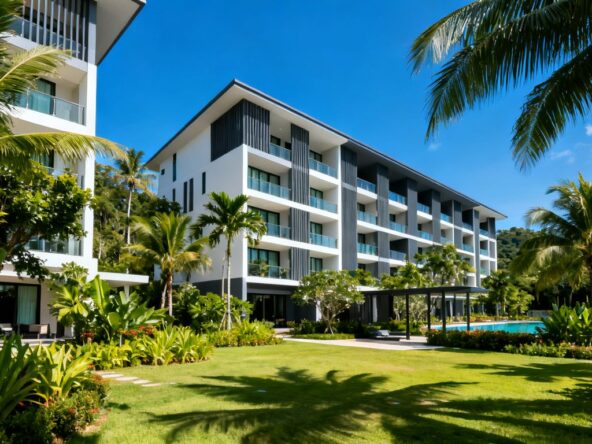

Searching for your dream apartment in Thailand in 2025? You’re in the right place. The Thai property market is buzzing with opportunities, whether you’re eyeing a chic city pad in Bangkok or a serene coastal retreat in Phuket. With a bit of research and some local know-how, you can snag a fantastic deal. In this guide, we’ll walk you through the ins and outs of buying an apartment in Thailand, from understanding the market trends to navigating the legal landscape.
Key Takeaways
- Thailand’s property market in 2025 is full of opportunities for both locals and foreigners.
- Bangkok, Phuket, and Chiang Mai are prime spots for apartment sales.
- Understanding Thai property laws is crucial for a smooth buying process.
- Financing options are available, but it’s important to explore them thoroughly.
- Investing in Thai real estate can be both a lifestyle choice and a financial opportunity.
Understanding the Thai Property Market in 2025
Current Market Trends and Predictions
The Thai property market is buzzing with activity as we step into 2025. Phuket remains a standout location, thanks to its stunning beaches and vibrant cultural scene. Tourism is a major driver here, leading to high demand for rental properties. Local buyers, foreign investors, and digital nomads are all contributing to the market’s growth. This diverse mix of buyers is shaping the market, creating opportunities for both residential and investment properties.
Looking ahead, property values in Thailand are expected to rise. Infrastructure improvements, like better transport facilities and amenities, are set to boost property values. There’s also a noticeable shift towards sustainable living, with eco-friendly developments gaining popularity among environmentally conscious buyers. The market is predicted to remain stable, making it a safe bet for investors.
Key Factors Influencing Property Prices
Several economic factors are influencing property prices in Thailand. The country’s economic recovery post-pandemic is playing a big role in boosting property prices. The anticipated growth in the housing market is likely to fuel demand, with property transfers expected to rise by 3.7% next year. Inflation rates and interest rates also affect buying power and investment returns, so it’s important for potential buyers to stay informed about these economic shifts.
- Economic recovery post-pandemic
- Growth in the housing market
- Inflation and interest rates
The Role of Foreign Investment in Thailand
Foreign investment plays a significant role in Thailand’s real estate market. The constant flow of tourists looking for short-term stays drives the demand for rental properties, particularly in regions like Phuket. This demand is especially high during peak tourist seasons, leading to lucrative rental yields. Moreover, the appeal of owning a piece of paradise in a tourist-friendly location is enticing to many investors. The tourism industry’s influence ensures that real estate remains a thriving sector, with properties in desirable areas experiencing consistent appreciation.
Investing in Phuket real estate not only provides financial rewards but also the chance to own a slice of paradise in one of the world’s most sought-after destinations.
For more insights and guidance on the Thailand property market outlook for 2025, including tips and tools for navigating various aspects of property buying and selling, make sure to stay updated on the latest trends.
Prime Locations for Apartment Sales in Thailand
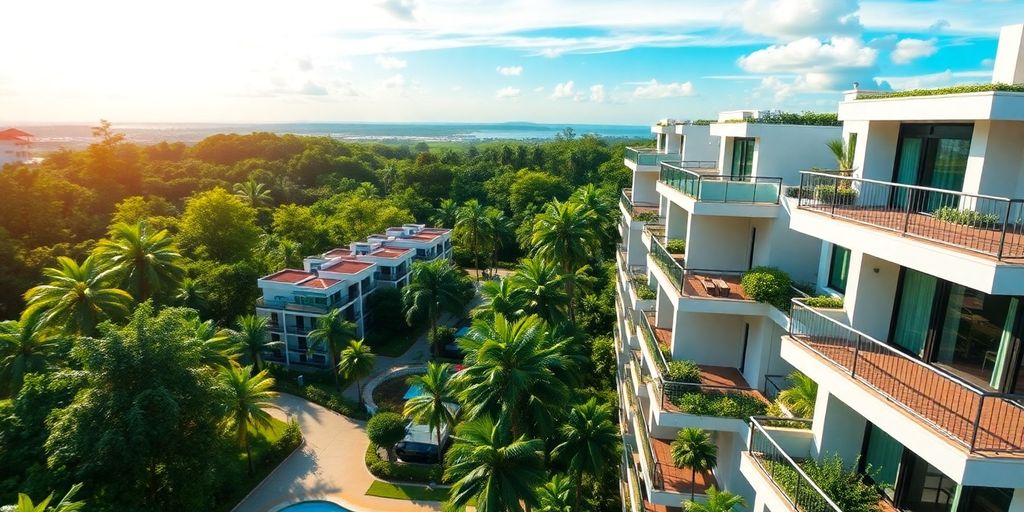
Exploring Bangkok’s Urban Appeal
Bangkok, the bustling heart of Thailand, is a city that never sleeps. It’s a place where modern skyscrapers meet ancient temples, offering a unique blend of old and new. For many, Bangkok is the epitome of urban living, offering a vibrant lifestyle with endless possibilities. Areas like Sukhumvit and Silom are particularly popular, known for their lively nightlife and excellent shopping options. The demand for properties in Kaset Nawamin-Ram Intra and Bang Na-Samut Prakan has been on the rise, making them some of the most sought-after locations in the city.
The Allure of Phuket’s Coastal Properties
Phuket is synonymous with tropical paradise, boasting stunning beaches and a relaxed atmosphere. It’s a top choice for those seeking a slice of island life, with properties ranging from luxury villas to cosy beachfront apartments. The island’s real estate market is thriving, driven by its appeal as a holiday destination. Whether you’re drawn to the bustling Patong area or the serene Kamala, Phuket offers a diverse array of options for property buyers.
Chiang Mai: A Blend of Culture and Comfort
Nestled in the mountains of northern Thailand, Chiang Mai is perfect for those who appreciate cultural richness and scenic beauty. The city is known for its beautiful temples, vibrant markets, and lush landscapes. Real estate options here range from traditional Lanna-style homes to modern apartments with breathtaking views. Chiang Mai’s slower pace and rich cultural heritage make it an ideal location for those seeking a peaceful yet engaging lifestyle.
Discovering the right location for your dream apartment in Thailand involves understanding what each city has to offer. From the bustling streets of Bangkok to the serene beaches of Phuket, and the cultural charm of Chiang Mai, there’s something for everyone in this beautiful country.
Legal Considerations for Buying Apartments in Thailand
Navigating Thai Property Laws for Foreigners
Buying property in Thailand as a foreigner isn’t as straightforward as one might hope. Foreigners can’t own land directly in Thailand, but they can own up to 49% of a condominium building. This is a key regulation under the Foreign Business Act. If you’re considering land, setting up a Thai Limited Company is one route, where you can hold 49% of the shares, while Thai nationals own the rest. This setup gives you control without direct ownership. Alternatively, leasing land for up to 30 years with possible renewals is another option.
Understanding Leasehold vs Freehold
When buying, knowing the difference between leasehold and freehold is vital. Leasehold means you’re essentially renting the property for a long period, typically 30 years, with renewal options. Freehold, on the other hand, means you own the property outright. For foreigners, leasehold is often the simpler route under Thai law, but securing a freehold offers a more permanent solution if available.
Essential Legal Steps for a Smooth Purchase
The legal process can be daunting, but manageable with the right help. Hiring a competent lawyer is crucial. They assist with due diligence, ensuring the property’s legal status is clear and free from hidden issues. They’ll help you review contracts to ensure fairness and conduct a title search to confirm the seller’s ownership. Finally, they guide you through the transaction, from negotiation to finalising the transfer.
Engaging a professional legal advisor when buying property in Thailand ensures all legalities are covered, providing peace of mind and securing your investment.
Financing Your Apartment Purchase in Thailand
Exploring Mortgage Options for Foreign Buyers
When it comes to financing an apartment in Thailand, foreign buyers have some options, though it might not be as straightforward as in your home country. Local banks do offer mortgages to foreigners, but be prepared for a hefty down payment, usually around 30% of the property’s value. It’s wise to shop around, as each bank has its own terms and rates.
International banks might also offer mortgages in Thailand, sometimes with more flexible terms. However, it’s crucial to thoroughly understand the conditions. Developer financing is another option, where developers provide instalment plans, making it easier to manage payments over time.
Understanding Local Banking Regulations
Thailand’s banking regulations can be a bit tricky for foreign buyers. Not all banks lend to non-residents, and those that do may have strict criteria. Typically, loans are available for up to 70% of the property’s value, with loan terms extending up to 30 years. However, these come with conditions, such as proof of income and a solid credit history.
Interest rates can vary widely, so it’s important to compare offers from different banks. Some might offer fixed rates, which are usually higher than variable rates, but they provide stability over the loan term. Be sure to ask about any hidden fees or early repayment penalties.
Tips for Securing the Best Loan Rates
Securing a good loan rate in Thailand requires some strategy. Here are a few tips to help you get the best deal:
- Compare Offers: Don’t settle for the first offer you receive. Compare rates and terms from multiple banks to find the best deal.
- Negotiate Terms: Don’t be afraid to negotiate the terms of the loan. Banks may be willing to adjust rates or fees to secure your business.
- Improve Your Credit: A strong credit history can lead to better loan terms. If possible, work on improving your credit score before applying.
Financing a property in Thailand can be challenging, but with careful planning and a bit of negotiation, you can secure a deal that fits your needs. Remember, understanding the local market and regulations is key to making a successful purchase.
Evaluating Property Value and Investment Potential
Assessing Long-term Investment Opportunities
When considering property investment in Thailand, it’s vital to think about the long-term prospects. The key is to look for areas with ongoing infrastructure projects such as new roads or public transport systems. These developments often lead to increased property values over time. Cities like Bangkok and Chiang Mai are experiencing urban growth, which makes them attractive for investors. Additionally, properties in tourist-heavy areas like Phuket can offer stable rental yields due to the constant influx of visitors.
Factors Affecting Property Appreciation
Several elements can impact how a property’s value increases over time. Here’s a list to consider:
- Location: Proximity to amenities like schools, hospitals, and shopping centres can boost property value.
- Infrastructure: Areas with good road networks and public transport options are more likely to appreciate.
- Market Trends: Keep an eye on economic factors that might influence the real estate market, such as household debt and loan-to-value measures.
Investing in Thai real estate offers not just financial rewards but also the chance to own a piece of paradise. With careful planning, your investment can yield substantial returns over time.
Comparing New vs Old Apartment Investments
When deciding between new and older apartments, each has its pros and cons. New apartments often come with modern amenities and require less maintenance initially. However, they might be priced higher. On the other hand, older apartments might offer better locations and larger spaces but could need renovations. Consider your budget and investment goals when making a choice.
A table comparing new and old apartments might help clarify:
| Feature | New Apartments | Old Apartments |
|---|---|---|
| Price | Higher | Lower |
| Maintenance Needs | Lower | Higher |
| Location | Varies | Often Central |
| Space | Smaller | Larger |
For more insights on how projected growth is expected to enhance housing demand despite challenges, consider the impact of economic factors on your investment strategy. This understanding will help you make informed decisions and maximise your returns.
Lifestyle and Community in Thai Apartment Living
Integrating into Local Thai Communities
Settling into an apartment in Thailand is more than just finding a place to live; it’s about becoming part of a vibrant community. Joining local events and activities can be a fantastic way to meet people and feel at home. Consider participating in community festivals or joining local clubs that match your interests. Learning some basic Thai phrases can also help break the ice and show your appreciation for the culture.
- Attend local festivals like Songkran or Loy Krathong.
- Enrol in cooking classes to learn Thai cuisine.
- Volunteer for community projects.
Embracing the local culture not only enriches your experience but also helps you build meaningful relationships with your neighbours.
Exploring Amenities and Facilities
Thai apartments often come with a range of amenities that cater to a modern lifestyle. From swimming pools to fitness centres, these features are designed to enhance your living experience. Here’s what you might find:
- Swimming Pools: Perfect for relaxation and exercise.
- Fitness Centres: Equipped with the latest machines and often staffed with trainers.
- Community Halls: Spaces for social gatherings and events.
Many apartments are also located near parks or recreational areas, providing easy access to outdoor activities.
Balancing Urban Living with Tranquillity
Living in a bustling city like Bangkok doesn’t mean you have to give up peace and quiet. Many Thai apartments are designed to offer a serene environment amidst the urban hustle. Look for apartments that provide:
- Soundproofing features to minimise noise.
- Private gardens or balconies for personal retreats.
- Proximity to parks or green spaces.
Finding the right apartment can offer a harmonious blend of city convenience and peaceful living, making your stay in Thailand truly enjoyable.
The Buying Process: Step-by-Step Guide
Initial Research and Property Selection
Embarking on the journey to purchase an apartment in Thailand begins with thorough research. Start by defining your budget and understanding your financing options. This will help you narrow down the properties that align with your financial capabilities. Consider what type of lifestyle you want, whether it’s the bustling city life of Bangkok or the serene beaches of Phuket. It’s essential to evaluate the proximity to amenities such as schools, hospitals, and shopping centres, which can significantly impact your daily life and the property’s value.
Engaging with Real Estate Agents
Once you’ve got a clear idea of what you’re looking for, the next step is to connect with a professional real estate agent. A good agent is invaluable; they possess in-depth local knowledge and can guide you through the complexities of the Thai property market. They’ll assist in identifying properties that meet your criteria and can negotiate on your behalf to secure the best possible deal. Remember, the right agent can make a significant difference in your buying experience.
Finalising the Purchase and Ownership Transfer
After selecting your desired property and agreeing on a price, it’s time to finalise the purchase. This involves a series of legal steps that must be meticulously followed to ensure a smooth transaction. Conduct a comprehensive due diligence check to confirm there are no legal encumbrances on the property. Once satisfied, you’ll proceed to sign the sale agreement and transfer the ownership at the Land Department. This step is crucial, so it’s advisable to have a legal expert review all documents to safeguard your interests. Take your time to understand every detail to avoid any surprises later on.
Buying property in Thailand is more than a transaction; it’s a commitment to a new lifestyle. Whether you’re looking for a 2-bedroom sea view condo in Patong, Phuket or a cultural retreat in Chiang Mai, the process requires careful planning and expert guidance.
Understanding Taxes and Fees in Thai Real Estate
Overview of Property Taxes for Buyers
When buying property in Thailand, it’s important to understand the various taxes and fees involved. These costs can significantly impact your budget, so it’s wise to plan for them early. Here’s a quick breakdown:
- Transfer Fee: Typically, this is 2% of the property’s assessed value. It’s often split between the buyer and the seller, but this can be negotiated.
- Stamp Duty: This is 0.5% of the sale price or the assessed value, whichever is higher. However, if the specific business tax is applicable, the stamp duty does not apply.
- Withholding Tax: Generally, this is 1% of the registered sale value or the appraised value, whichever is higher.
Calculating Additional Costs and Fees
Apart from the main taxes, there are additional costs that buyers should consider:
- Legal Fees: Hiring a legal advisor is crucial to ensure all paperwork is in order.
- Property Valuation Fees: These fees are for assessing the value of the property, which is essential for calculating taxes.
- Agent Fees: If you’re working with a real estate agent, their commission is another cost to factor in.
Budgeting for these expenses can help avoid surprises and ensure a smoother buying process.
Tax Benefits and Incentives for Investors
Investing in Thai real estate comes with its own set of perks. Here are some potential benefits:
- Tax Deductions: Certain expenses, like interest on a mortgage, may be deductible.
- Incentives for Eco-friendly Properties: There might be tax incentives for investing in eco-friendly or sustainable properties.
- Long-term Investment Benefits: Holding onto a property for more than five years could reduce certain tax liabilities.
Understanding these aspects can make a significant difference in your investment strategy. For more detailed insights into Thailand’s property tax system, consider consulting a local expert who can guide you through the nuances.
Sustainable Living and Eco-friendly Apartments

Trends in Green Building Practises
In Thailand, the shift towards eco-friendly building practises is more than just a trend; it’s a necessity. Many new apartments are being constructed with sustainability in mind, incorporating features like solar panels, green roofs, and rainwater harvesting systems. These initiatives not only help in reducing the carbon footprint but also enhance the quality of life for residents by ensuring a healthier living environment.
Benefits of Sustainable Living in Thailand
Choosing an eco-friendly apartment can lead to significant savings and a healthier lifestyle. Energy-efficient designs reduce utility bills, while the use of renewable energy sources like solar power can further decrease costs. Moreover, these homes often have better air quality and natural lighting, contributing to improved well-being. As more people recognise these benefits, the demand for sustainable living options continues to grow.
Finding Eco-friendly Apartments for Sale
When searching for eco-friendly apartments in Thailand, it’s important to look for properties with recognised green building certifications. Certifications such as LEED or those from the Thai Green Building Institute ensure that the building meets high environmental standards. Additionally, consider the availability of sustainable features like energy-efficient appliances, water-saving fixtures, and waste reduction programmes.
As the world becomes more conscious of environmental issues, eco-friendly apartments are not just a choice, but a smart investment for the future. They offer a way to live responsibly while enjoying the comforts of modern living.
Exploring the Rental Market for Apartment Owners
Opportunities for Renting Out Your Property
Owning an apartment in Thailand opens up a world of rental opportunities, especially in bustling tourist spots like Bangkok and Phuket. Rental yields here can range from 5% to 8%, making it a lucrative option for property owners. To maximise returns, consider these factors:
- Proximity to Tourist Attractions: Apartments near popular sites or beaches tend to have higher demand.
- Access to Infrastructure: Properties close to new transport links or facilities often attract more tenants.
- Community Appeal: Areas with a growing expat community can offer stable rental income.
Understanding Rental Laws and Regulations
Renting out your property in Thailand requires understanding the local laws. Ensure compliance with:
- Lease Agreements: Clearly outline terms to avoid disputes.
- Tenant Rights: Familiarise yourself with tenant protection laws.
- Tax Obligations: Ensure you declare rental income to avoid penalties.
Maximising Rental Income Potential
To boost your rental income, consider:
- Furnishing and Amenities: Well-furnished apartments can command higher rents.
- Marketing Strategies: Use online platforms to reach a broader audience.
- Flexible Leasing Options: Offering both short-term and long-term leases can attract a wider range of tenants.
The rental market in Thailand is thriving, driven by a steady influx of tourists and expats. With the right strategy, apartment owners can enjoy substantial returns on their investments.
Cultural Insights for Foreign Apartment Buyers
When you’re buying property in Thailand, understanding local customs is not just polite—it’s essential. Thai culture values respect and politeness above all. One of the first things you’ll notice is the "wai," a traditional greeting involving a slight bow with hands pressed together. It’s a gesture of respect that you’ll want to master. Also, remember to address people by their title and first name—this shows respect and understanding of local norms.
Building strong connections with the local community is more than just being friendly—it’s a smart move when buying property. Participating in community events and showing interest in local traditions can help you integrate smoothly. This approach not only enriches your living experience but also provides valuable insights into the local property market.
Adapting to life in Thailand means embracing a vibrant culture and a welcoming community. Engage in activities like joining local clubs or volunteering for causes you care about. These not only help you integrate but also offer a deeper understanding of Thai culture. Learning some basic Thai phrases can go a long way in making connections and showing your commitment to adapting.
Embracing Thai culture isn’t just about adapting to a new environment; it’s a journey into a rich and diverse way of life that can greatly enhance your experience as a property owner.
For those considering buying property in Thailand, it’s crucial to be aware of the new foreign income tax rules that may impact your investment decisions, especially if you’re looking at condos in Bangkok or other properties abroad.
If you’re considering buying an apartment abroad, understanding the local culture is key. Each region has its own customs and traditions that can affect your property purchase. To make the best choice, explore our website for expert advice and tailored property listings. Start your journey to finding the perfect home today!
Conclusion
In the end, finding your dream apartment in Thailand by 2025 is more than just a transaction; it’s about embracing a new chapter in life. Whether you’re captivated by the vibrant city life of Bangkok or the tranquil beaches of Phuket, there’s a perfect spot waiting for you. Take your time to explore the market, understand the local laws, and consult with professionals to make informed decisions. Remember, this isn’t just about buying property; it’s about finding a place that feels like home. So, take the plunge and start your journey towards owning a piece of this beautiful country. Happy house hunting!
Frequently Asked Questions
Can foreigners purchase property in Thailand?
Foreigners can buy condos but not land. They can lease land or purchase through a company.
What is the difference between freehold and leasehold?
Freehold means owning the property forever, while leasehold is like renting for a long time.
Do I need a lawyer to buy a house in Thailand?
It’s smart to have a lawyer to help with legal stuff and make sure everything is correct.
How can I get a mortgage in Thailand?
Some banks offer loans to foreigners. It’s good to check different banks for options.
Are there taxes when buying a house in Thailand?
Yes, there are taxes and fees. It’s important to know them before buying.
What should I consider when choosing a location?
Think about how close it is to shops, schools, and transport. Also, decide if you like city or country living.
Is it better to buy a new house or an old one?
New houses might have modern features, but old ones can be cheaper. Consider what suits you best.
Can I rent out my property in Thailand?
Yes, you can rent it out. Just make sure to follow the local rules and regulations.