

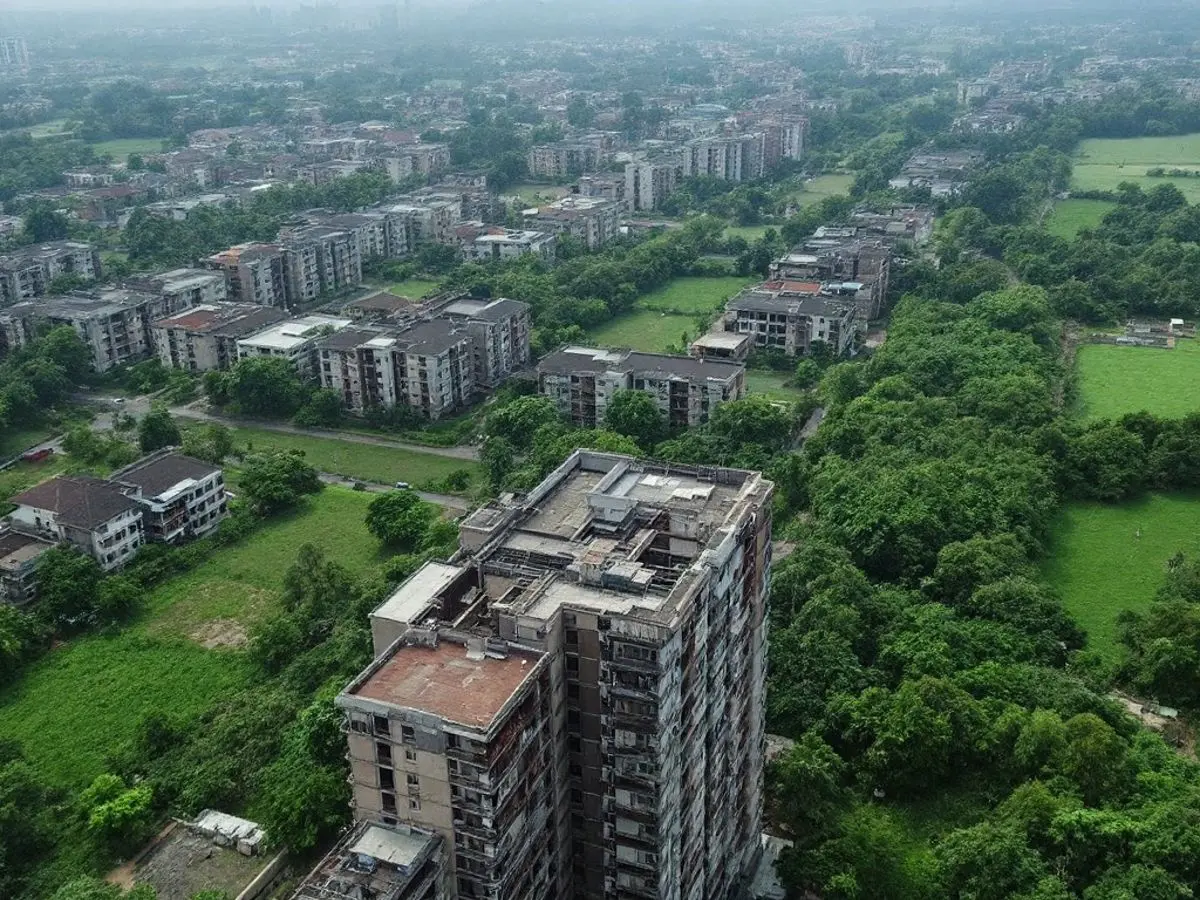
The Thai property sector is facing a significant crisis, with unsold housing stock valued at a staggering THB1.6 trillion. Industry experts convened at a recent forum to discuss the implications of this growing issue and the future of the real estate market in Thailand.
Key Takeaways
- Unsold housing stock has reached THB1.57 trillion, nearly double the figure from a decade ago.
- The number of unsold units has increased from 250,000 to approximately 355,000 over the past ten years.
- A growing debt crisis is affecting lower-income groups and younger generations, with debt levels surpassing income.
Market Contraction and Unsold Inventory
Wichai Wiratkapan, acting director of the Real Estate Information Centre (REIC), reported a notable slowdown in the overall real estate market. He stated that the transfer of house ownership priced at no more than 7.5 million baht in the first half of 2024 has been negative across almost all price ranges. This indicates that recent government stimulus measures have had limited impact on reviving the market.
The unsold housing stock has swelled to an alarming value of THB1.57 trillion, a significant increase from THB830 billion a decade ago. The cumulative number of unsold units has risen from 250,000 to about 355,000 in 2024, reflecting a troubling trend in the market.
Debt Crisis and Demographic Challenges
Phadet Charoensivakorn, executive vice president of the National Credit Bureau (NCB), highlighted the escalating debt crisis, particularly among lower-income groups and younger generations. He noted that in 2024, the increase in debt was 46% higher than income, with the average debt per household reaching approximately THB600,000.
Charoensivakorn expressed particular concern for individuals earning less than THB30,000 monthly. He stated, "The group that is worrying is those who don’t have income more than 30,000 baht. Debt accounts for 138%, but 13.2% is spent on living expenses and 25% is debt repayment, including the Gen Y group who have more debt from credit cards, home and car loans, etc."
Future Prospects
The current state of the Thai property market raises questions about its future. With a significant amount of unsold inventory and rising debt levels, industry experts are calling for urgent measures to address these challenges. The forum participants emphasised the need for innovative solutions to stimulate demand and alleviate the financial burdens faced by potential homebuyers.
As the situation unfolds, stakeholders in the real estate sector will need to closely monitor market trends and adapt strategies to navigate this crisis effectively. The coming months will be crucial in determining the trajectory of the Thai property market and its ability to recover from this unprecedented situation.
Sources
- With unsold housing worth THB1.6 trillion, property sector faces crisis, Nation Thailand.