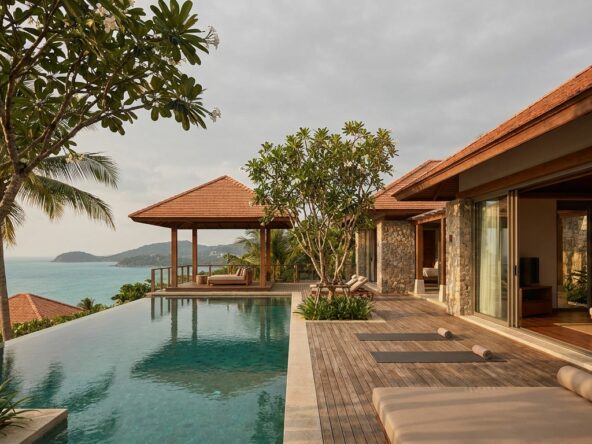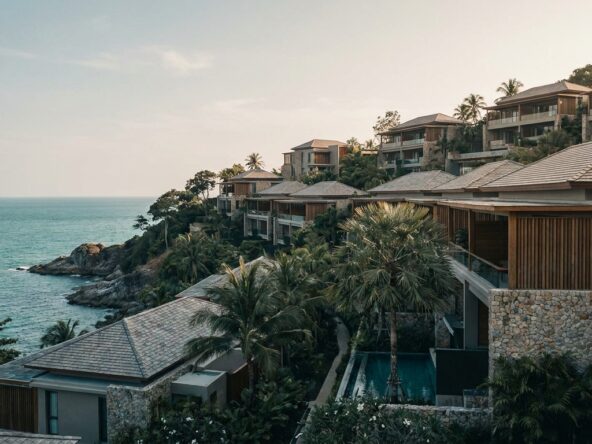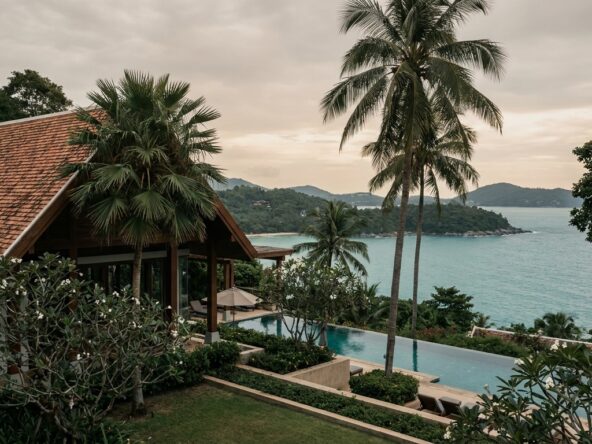


For buyers watching how established Thai developers read the Phuket market, CG Capital’s next move is worth noting. The private equity arm of Central Group is preparing to launch its second mixed-use hotel and residential project on the island within two months, choosing Layan Beach after its first Phuket development reached 85% sold.
The timing matters because it reflects continued confidence in Phuket’s branded residences market at a moment when selective buying has replaced the post-pandemic rush. The company’s managing partner, Phoom Chirathivat, told the Bangkok Post that the decision to proceed with a second project follows strong performance at The Standard Residences Phuket Bang Tao, launched two years ago and scheduled for completion by year-end.
What the Bang Tao figures show
The Standard Residences Phuket Bang Tao reached 85% sales, with Thai and foreign buyers split evenly at 50% each. That balance is notable. Phuket projects often skew heavily toward either domestic or international buyers depending on location, pricing and brand positioning. An even split suggests the project appealed across segments.
The project combined hotel operations with branded residential units, a format that has become more common in Phuket as developers seek to offer buyers hotel-managed rental programmes alongside ownership. The Standard brand, known in hospitality circles for design-led boutique properties, gave the project recognisable positioning without requiring the scale or formality of larger luxury hotel groups.
The Layan Beach project
The second project will be located in Layan Beach, north of Bang Tao, and will include both a hotel and branded residential units. The development will feature condominium units and villas, according to Mr Phoom.
Layan sits between Bang Tao and the northern headlands, with access to a quieter stretch of beach than the more developed Laguna Phuket area to the south. The location has seen increased developer interest in recent years, though it remains less built-up than Surin, Kamala or Patong.
The mix of condominiums and villas indicates the project will target different buyer profiles within the same development. Villas typically attract families, long-stay residents or buyers prioritising privacy and land ownership structures. Condominiums appeal to investors focused on rental yield, lower entry price points and simpler management.
Why branded residences continue to lead
Mr Phoom attributed demand for branded residences to three factors: internationally recognised hospitality standards, professional management and a lifestyle proposition that appeals to global investors and second-home buyers.
In plain English, buyers are paying for predictable service levels, rental management by an established operator and the ability to use the property themselves without handling day-to-day operations. For foreign buyers who may visit Phuket only a few weeks each year, the model solves practical problems around maintenance, security and rental income during absence.
The trend is visible across Phuket’s west coast, where Angsana, Marriott, Rosewood, Mandarin Oriental and other hotel groups have attached residences to resort developments. The model works particularly well in Phuket because the island supports year-round tourism demand, which sustains hotel operations and rental pool performance even outside peak season.
The Bangkok comparison
CG Capital’s other active project, InterContinental Residences Bangkok Asoke, launched in March 2024 shortly after an earthquake in the region. Despite the timing, the project reached 60% sold across 88 units, with a total sales value of 5.5 billion baht.
Unit sizes start from 139 square metres for two-bedroom residences, priced from 44.8 million baht or approximately 322,000 baht per square metre. Mr Phoom noted that large-format units remain relatively scarce in the Sukhumvit area, helping the project stand out.
The Bangkok project’s performance is relevant to Phuket because it shows how the same developer approaches branded residences in different markets. In Bangkok, the focus is on location and unit size. In Phuket, the focus shifts to beach access, lifestyle appeal and rental potential. Both projects rely on established hotel brands to anchor buyer confidence.
What the wealth migration data suggests
Mr Phoom cited figures from wealth advisory Henley & Partners showing that 142,000 wealthy individuals relocated globally in 2025, up from 51,000 in 2013—a 178% increase over 12 years. He described Thailand as maintaining its position as a destination with strong fundamentals and broad appeal, particularly amid rising geopolitical uncertainty elsewhere.
The suggestion is that Thailand benefits as a perceived safe, stable, lifestyle-oriented location within Asia. For Phuket specifically, that positioning supports second-home buying and long-term residence interest among affluent buyers who may be diversifying away from other markets or seeking a base in Southeast Asia.
Mr Phoom noted that affluent buyers have become more selective, prioritising quality, brand reputation, location and long-term asset resilience. That shift favours branded residences and established developers over speculative or unproven projects.
What remains to be seen
The Layan Beach project has not yet been formally launched, so pricing, unit count, hotel brand and completion timeline remain unconfirmed. Those details will determine how the project compares with other Phuket developments currently selling or under construction in the north-west coastal zone.
CG Capital is also exploring a second residential project in Bangkok and plans to acquire a prime plot for development, according to Mr Phoom. That indicates the company is expanding its branded residences portfolio across both resort and urban markets, rather than concentrating solely on Phuket.
For Phuket property watchers, the key point is that a major Thai corporate group with deep capital and hospitality connections is committing to a second island project based on demonstrated demand. That reflects confidence in the fundamentals—tourism recovery, infrastructure access, foreign buyer interest and the continuing appeal of branded, managed residences in Phuket’s high-end market.
Frequently Asked Questions
What is CG Capital’s first Phuket project?
The Standard Residences Phuket Bang Tao, launched two years ago. The branded residential project reached 85% sales with an even split between Thai and foreign buyers. Completion and unit transfers are scheduled for the end of 2025.
Where is the second Phuket project located?
The second project will be in the Layan Beach area, north of Bang Tao. It will include a hotel and branded residential units, featuring both condominiums and villas. The project is expected to launch within two months.
Why are branded residences popular in Phuket?
Branded residences offer internationally recognised hospitality standards, professional management and rental programmes managed by established hotel operators. For foreign buyers who visit infrequently, the model provides predictable service, income potential and simplified property management.
What does the wealth migration trend mean for Phuket property?
According to Henley & Partners, global wealth migration increased 178% over 12 years, reaching 142,000 relocations in 2025. Thailand is positioned as a stable, lifestyle-oriented destination within Asia, which supports second-home buying and long-term residence interest in markets like Phuket.
How does CG Capital’s Bangkok project compare?
InterContinental Residences Bangkok Asoke launched in March 2024 and reached 60% sold across 88 units. Unit sizes start from 139 square metres, priced from 44.8 million baht. The project focuses on large-format units and a prime Sukhumvit location, while Phuket projects emphasise beach access and rental potential.
Sources
- Bangkok Post — CG Capital readies second Phuket mixed-use project — link