
Watch This Episode: Our Phuket Real Estate Podcast
Our podcast covers all the topics for property investors looking at buying real estate in Thailand.
As we look ahead to 2025, the Bangkok property market is gearing up for some notable changes. With its lively culture and booming economy, the city is expected to experience significant developments that will reshape the real estate landscape. Factors like infrastructure upgrades, sustainability initiatives, and shifting buyer preferences will play a key role in determining where the best investment opportunities lie. Let’s explore the Bangkok real estate trends for 2025 and what they mean for investors and homebuyers alike.
Key Takeaways
- Bangkok’s property market shows resilience, adapting to global challenges and local demands.
- Infrastructure projects, especially in public transport, will enhance property accessibility and value.
- Sustainability is becoming a priority, with rising demand for eco-friendly homes and developments.
- Technological advancements, like smart homes, are set to transform living spaces and attract tech-savvy buyers.
- The rental market is booming, particularly among younger generations seeking flexibility in their living arrangements.
Bangkok Real Estate Trends 2025: An Overview
Market Resilience Amidst Challenges
Bangkok’s property market has shown surprising strength, even when things got tough globally. The market’s ability to bounce back is a key factor as we look ahead to 2025. It’s not been easy, but Bangkok’s appeal remains strong. We’ve seen a few things that have helped:
- Government support measures, like reduced property transfer fees.
- Continued investment in infrastructure projects.
- A steady stream of both local and foreign buyers.
Key Economic Indicators
Several economic factors are shaping the Bangkok property scene. Inflation, interest rates, and overall economic growth all play a part. Here’s a quick look:
| Indicator | Projection for 2025 | Impact on Property Market |
|---|---|---|
| GDP Growth | 3.5% – 4.5% | Increased demand for housing and commercial spaces. |
| Inflation Rate | 2.0% – 3.0% | Potential increase in property prices and construction costs. |
| Interest Rates | 3.0% – 4.0% | Affects affordability and investment returns. |
Impact of Global Trends
Global events definitely have an impact. Things like international trade, foreign investment, and even political stability elsewhere can affect Bangkok’s property market. For example, increased foreign investments can drive up demand for luxury condos, while a global recession could slow things down. It’s a complex picture, but here are some key trends to watch:
- Geopolitical stability in the region.
- Fluctuations in currency exchange rates.
- Changes in global interest rates.
Infrastructure Developments Shaping the Market
Public Transport Expansion
Bangkok’s public transport is getting a serious upgrade, and it’s going to change where people want to live and invest. The expansion of the BTS Skytrain and MRT subway lines is making previously far-flung areas much more accessible. This means property values in those areas are likely to increase as they become more attractive to commuters. Think about it – a quick train ride can make all the difference. The land price index is definitely something to keep an eye on.
- New lines are opening up new residential areas.
- Increased connectivity reduces commute times.
- Property values near stations are expected to rise.
Eastern Economic Corridor
The Eastern Economic Corridor (EEC) is a massive project that’s set to transform the eastern seaboard of Thailand. It’s not just about factories and ports; it’s about creating a whole new economic zone with better infrastructure, improved logistics, and more jobs. This will inevitably impact the property market, especially in areas close to industrial estates. The government’s backing of the local industrial sector is strong, with infrastructure expansion, manufacturing investments, and e-commerce growth fuelling demand for warehouses and logistics hubs. Investors are actively seeking high-yielding industrial properties.
Urbanisation and Connectivity
Bangkok is getting bigger and more connected, and that’s having a big impact on the property market. As more people move to the city, demand for housing increases, pushing up prices. But it’s not just about more people; it’s about how they move around. Better roads, more trains, and improved internet connectivity are all making it easier to live and work in different parts of the city. This is leading to the development of new residential areas and the revitalisation of older ones. Developers will prioritise rental properties and co-living spaces as demand for flexible housing increases.
The growth of urban areas is not just about physical expansion; it’s about creating connected communities. This means investing in infrastructure that supports not just transportation, but also communication and social interaction.
Sustainability Trends in Real Estate
It’s interesting to see how much things have changed in just a few years. Back in 2020, sustainability was a ‘nice to have’ for many property developers. Now, in 2025, it’s pretty much essential. Buyers, especially younger ones, are way more clued up about the environmental impact of their choices. This is really shaping the Bangkok property market.
Demand for Eco-Friendly Properties
People are actively seeking out properties that are kind to the planet. It’s not just about feeling good; it’s also about saving money in the long run. Energy-efficient homes, for example, can seriously cut down on utility bills. Plus, there’s a growing awareness of the health benefits of living in a green building. Eco-friendly features are becoming a major selling point.
Here’s a quick look at what buyers are prioritising:
- Energy efficiency (solar panels, insulation)
- Water conservation (rainwater harvesting, efficient fixtures)
- Use of sustainable materials (bamboo, recycled content)
- Proximity to green spaces and public transport
Green Building Certifications
Certifications like LEED and TREES are becoming increasingly important. These certifications provide a stamp of approval, showing that a building meets certain environmental standards. Developers are keen to get these certifications because they attract buyers and investors. It’s a way of proving that they’re serious about sustainability. The hotel and industrial estate sectors are expected to remain strong, and green building certifications will only help them.
Sustainable Living Initiatives
It’s not just about the buildings themselves; it’s also about the lifestyle they promote. Developments are now incorporating things like community gardens, electric vehicle charging stations, and waste recycling programmes. These initiatives encourage residents to live more sustainably and create a sense of community. It’s all part of a bigger shift towards a greener way of living.
I was chatting with a property developer the other day, and he was saying that sustainable living initiatives are now a key part of their marketing strategy. They’re finding that buyers are really drawn to developments that offer these kinds of amenities. It’s a sign of the times, really. People want to live in places that reflect their values.
Technological Innovations in Property
Rise of Smart Homes
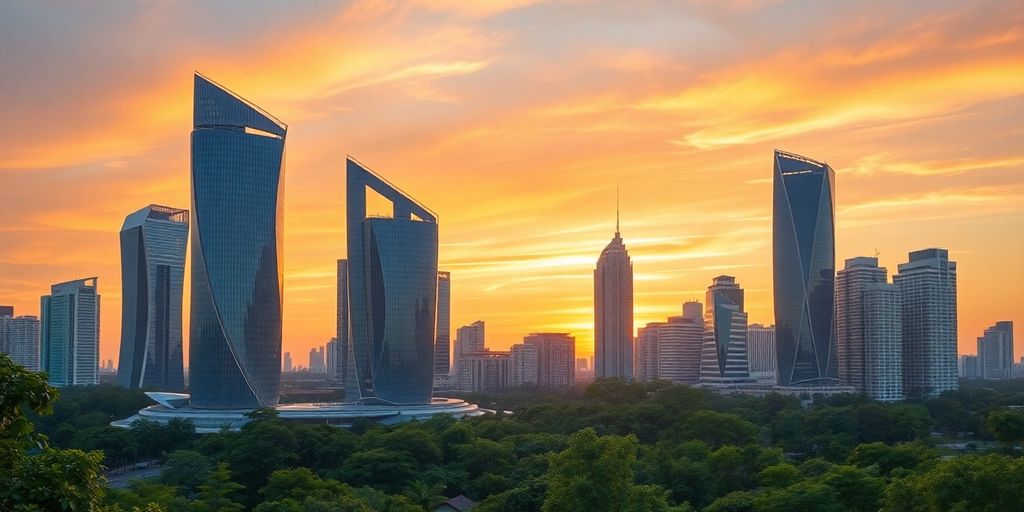
Smart homes are becoming increasingly common in Bangkok, and by 2025, they’re expected to be a pretty big deal. We’re talking automated lighting, climate control, security systems you can manage from your phone, and energy management that actually saves you money. It’s not just about convenience; it’s about efficiency and a better quality of life. Developers are already jumping on this, integrating smart tech into new builds, from luxury apartments to more affordable condos. The demand is definitely there, making it an exciting area for investment.
Integration of IoT in Real Estate
The Internet of Things (IoT) is changing how properties are managed and operated. Think about sensors that monitor everything from air quality to water usage, feeding data back to a central system. This data can then be used to optimise building performance, reduce waste, and improve the overall tenant experience. For example:
- Predictive maintenance: Sensors can detect potential problems before they become major issues, saving time and money on repairs.
- Energy optimisation: IoT devices can adjust lighting and temperature based on occupancy, reducing energy consumption.
- Enhanced security: Smart locks and surveillance systems provide an extra layer of protection for residents and businesses.
IoT is not just about adding gadgets; it’s about creating intelligent buildings that respond to the needs of their occupants and the environment. This is where the real value lies, and it’s something investors should be paying close attention to.
Impact of Virtual Reality on Sales
Virtual reality (VR) is transforming how people buy, sell, and even design properties. Instead of just looking at photos or floor plans, potential buyers can now take virtual tours of properties from anywhere in the world. This is especially useful for overseas investors or those who simply don’t have the time to visit multiple properties in person. VR is also being used to:
- Showcase off-plan developments: Buyers can see what a property will look like before it’s even built.
- Personalise the viewing experience: VR allows buyers to customise the layout and design of a property to their liking.
- Reach a wider audience: VR tours can be shared online, attracting potential buyers from all over the globe.
Here’s a quick look at how VR is impacting sales:
| Feature | Impact |
|---|---|
| Virtual Tours | Increased engagement and interest |
| Customisation | Improved buyer satisfaction |
| Global Reach | Wider audience and potential sales |
Shifting Buyer Preferences in 2025
From Ownership to Rental
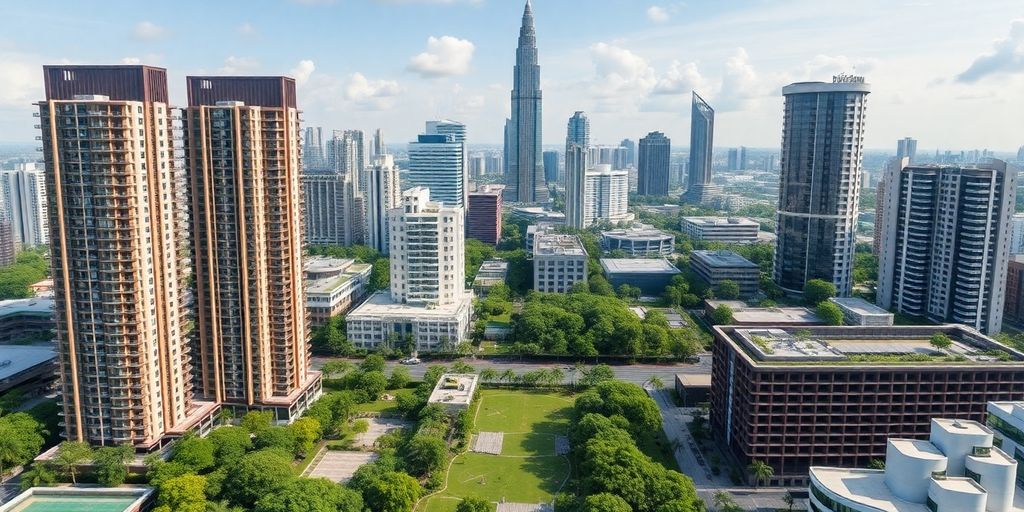
It feels like things are changing fast, doesn’t it? One of the biggest shifts we’re seeing in Bangkok’s property market is a move away from traditional ownership and towards renting. This is especially true for millennials and expats, who often value flexibility and mobility over settling down in one place. Rising property prices are also a factor, making renting a more accessible option for many. You can see this reflected in the rental market, which is expected to keep growing.
Developers are cottoning on, too. They’re starting to offer more high-quality rental options, particularly in up-and-coming neighbourhoods. It’s all about providing attractive alternatives to buying, with good amenities and convenient locations.
Millennial Housing Trends
Millennials have different priorities than previous generations, and that’s shaping the housing market. They’re often looking for:
- Convenient locations close to public transport.
- Modern amenities like co-working spaces and gyms.
- Sustainable and eco-friendly features.
- A sense of community and shared experiences.
They’re also more likely to be influenced by social media and online reviews when making decisions about where to live. This means developers need to focus on creating properties that are not only functional but also Instagrammable. It’s a whole new world, really.
Impact of Remote Work on Living Choices
Remote work has really shaken things up, hasn’t it? With more people working from home, the need to live close to the city centre isn’t as pressing as it used to be. This has led to increased demand for properties in suburban areas and new developments near transport hubs. People are looking for more space, a quieter environment, and a better work-life balance. The rise of smart homes is also playing a role, as people want to create comfortable and efficient home offices.
The shift towards remote work has given people more freedom to choose where they want to live. This is driving demand for properties outside the city centre and creating new opportunities for developers in suburban areas. It’s all about finding that sweet spot between urban convenience and suburban tranquillity.
Luxury Real Estate Market Dynamics
Changing Definitions of Luxury
Okay, so what even is luxury these days? It’s not just about gold taps and marble floors anymore. People with money want experiences, not just stuff. Think resort-style living, with infinity pools, gyms that put your local fitness centre to shame, and concierge services that anticipate your every need. It’s about a lifestyle, not just a place to live. And don’t forget the green stuff – air filtration, natural materials, all that jazz. It’s luxury with a conscience, apparently.
High-Net-Worth Buyer Trends
While the average Joe might be struggling with affordability, the high-end market is still buzzing. Wealthy folks, both local and international, are still keen on snapping up exclusive properties in prime spots. Developers are cottoning on, focusing on low-density projects with unique architecture to lure in those global investors. It’s all about exclusivity and making a statement. The Bangkok condo market is expected to see some aggressive investment this year.
Here’s a quick look at what’s trending with these buyers:
- Privacy and exclusivity are key.
- Prime locations (Sukhumvit, Silom, riverside) remain popular.
- Unique architectural design is a must-have.
Sustainable Luxury Developments
Sustainability isn’t just a buzzword; it’s becoming a real selling point, even in the luxury market. People want to feel good about their choices, even when they’re dropping serious cash on a fancy pad. So, developers are incorporating eco-friendly features and sustainable practises into their projects. Think energy-efficient appliances, green spaces, and responsibly sourced materials. It’s about creating a luxurious lifestyle that doesn’t cost the earth.
It’s interesting to see how the definition of luxury is evolving. It’s no longer just about opulence; it’s about creating a holistic living experience that prioritises well-being, sustainability, and a sense of community. It’s a sign of the times, really.
Investment Opportunities in Emerging Areas
Identifying Up-and-Coming Neighbourhoods
Okay, so Bangkok’s property scene is always shifting, right? It’s not just about sticking to the usual Sukhumvit spots anymore. We’re seeing some real buzz around areas that were, let’s say, a bit quieter before. Think about places with new transport links popping up – suddenly, they’re way more appealing. Keep an eye on neighbourhoods near future MRT or BTS extensions; that’s usually a good sign.
- Areas near the planned extensions of the MRT lines (like the Purple Line extension) are worth a look.
- Don Mueang district, with its airport access and improving infrastructure, is gaining traction.
- Consider locations slightly outside the city centre, offering more space for your money.
Potential for Capital Appreciation
Right, so everyone wants to know where they can actually make some money, yeah? It’s not just about buying a place; it’s about seeing its value go up. The key is getting in early. Areas that are still developing often have lower prices now, but as they get more popular and infrastructure improves, those prices are likely to climb. It’s a bit of a gamble, sure, but the potential rewards can be pretty decent. Bangkok has been ranked as a prime investment destination in Asia.
Rental Yields in Suburban Areas
Don’t just think about buying and selling; renting is a big deal too. In the city centre, you’re paying a premium, and rental yields might not be amazing. But if you look a bit further out, to the suburbs, you can often find properties that are cheaper to buy and still attract good rental income. Plus, with more people working remotely, there’s a growing demand for bigger places outside the city centre. Long-term rental yields are a key opportunity.
It’s worth doing your homework and checking out the local amenities, transport links, and future development plans before you invest. A bit of research can make a big difference to your returns.
Commercial Real Estate Prospects
Growth of Co-Working Spaces
Co-working spaces are still on the up, and Bangkok is no exception. It’s not just freelancers anymore; bigger companies are using them too. They like the flexibility and the chance to avoid long leases. We’re seeing more co-working spaces pop up with better facilities and locations. This trend is likely to continue, especially as more businesses adopt hybrid work models. The demand for flexible office solutions is definitely there.
Retail Sector Recovery
The retail sector took a hit, but it’s showing signs of bouncing back. Malls are adapting by offering experiences, not just shops. Think entertainment, food, and events. Online shopping is still big, but people still want to go out. The key is creating a reason for them to visit. The recovery might be slow, but there’s potential for growth, especially in areas with lots of tourists. Here’s a quick look at the projected retail growth:
| Year | Projected Growth (%) |
|---|---|
| 2023 | 3.5 |
| 2024 | 4.0 |
| 2025 | 4.5 |
Impact of E-Commerce on Commercial Properties
E-commerce is changing the game for commercial properties. Warehouses and distribution centres are in high demand. Traditional retail spaces need to adapt. Some are becoming showrooms or pick-up points for online orders. The rise of e-commerce means businesses need efficient logistics, so properties that can support that are doing well. It’s all about location and infrastructure. The impact of online retail is undeniable.
The shift towards e-commerce has created both challenges and opportunities for commercial real estate. Properties that can adapt to the changing needs of businesses, such as providing flexible warehouse space or integrating online and offline retail experiences, are likely to thrive in the coming years.
Here are some key factors influencing commercial property:
- Location, location, location.
- Adaptability to changing business needs.
- Integration of technology.
Regulatory Changes Affecting Real Estate
New Property Laws
It’s worth keeping an eye on the evolving legal landscape. New property laws are always on the horizon, and they can significantly impact investment strategies and development projects. For example, there’s been talk of revisions to land ownership regulations, potentially affecting foreign investors. These changes could streamline processes or, conversely, introduce new hurdles. Staying informed is key.
Foreign Investment Regulations
Foreign investment is a big driver in the Bangkok property market, so any changes here are worth noting. The government is constantly tweaking the rules to either encourage or control the flow of foreign capital. Recent discussions have centred around easing restrictions for certain types of investments, particularly in the Eastern Economic Corridor. However, there are also concerns about speculative buying, which could lead to tighter regulations in some areas. It’s a balancing act.
Tax Incentives for Developers
Tax incentives can be a game-changer for developers, influencing the types of projects they undertake and where they choose to build. The government sometimes uses tax breaks to encourage development in specific areas or to promote certain types of construction, such as green buildings. Keep an eye out for any new tax incentives that could affect the market. Here’s a quick rundown of potential incentives:
- Reduced property taxes for eco-friendly developments
- Tax credits for projects in designated economic zones
- Exemptions on import duties for construction materials
It’s important to remember that regulatory changes can be unpredictable. What seems like a minor adjustment can have a ripple effect throughout the market. Staying informed and seeking expert advice is crucial for navigating these changes successfully.
Market Predictions for 2025
Expert Insights and Analyses
Looking ahead, several factors suggest continued, albeit moderated, growth in the Bangkok property market. Experts predict a rise in demand for properties near established and expanding transport links. This is largely due to the ongoing infrastructure projects and the increasing desire for convenient commuting options. We’re also seeing a shift in what people want, with sustainability and technology playing bigger roles than ever before. It’s not just about location anymore; it’s about lifestyle and future-proofing your investment.
Potential Risks and Challenges
Of course, it’s not all smooth sailing. Several potential risks could impact the market. Economic fluctuations, both globally and within Thailand, could affect buyer confidence and investment. Changes in government regulations, particularly concerning foreign ownership and taxation, could also introduce uncertainty. It’s important to keep a close eye on these factors and adjust your strategy accordingly. For example, the struggling economy may lead to a decrease in Hong Kong rental prices, which could influence investment decisions in Bangkok as well.
Long-Term Growth Projections
Despite the potential challenges, the long-term outlook for the Bangkok property market remains positive. The city’s continued urbanisation, coupled with its growing economy and strategic location within Southeast Asia, positions it as an attractive destination for both domestic and international investors. The increasing demand for sustainable properties and smart homes will also drive growth in specific segments of the market. While short-term fluctuations are inevitable, the underlying fundamentals suggest a solid foundation for long-term appreciation.
It’s worth noting that the shift from ownership to rental, particularly among millennials, is expected to continue. This trend will likely fuel demand for high-quality rental properties in both central and suburban areas, presenting opportunities for investors looking for consistent rental income.
Here’s a quick look at projected growth areas:
- Properties near new MRT/BTS extensions
- Eco-friendly developments
- Smart homes with integrated technology
- Co-working spaces in commercial districts
As we look ahead to 2025, the real estate market is expected to see some exciting changes. With more people wanting to buy homes in beautiful places like Phuket and Samui, prices may rise. If you’re thinking about investing in property, now is a great time to start planning. For more insights and updates on the market, visit our website and stay informed!
Final Thoughts on Bangkok’s Property Market in 2025
As we look ahead to 2025, Bangkok’s property market is shaping up to be quite the adventure. With new transport links, a push for eco-friendly living, and the rise of smart homes, there are plenty of chances for savvy investors and homebuyers. The luxury market is still buzzing, attracting those with deep pockets, while the rental scene is booming, especially for those who prefer flexibility. Areas that are growing fast due to infrastructure improvements are definitely worth keeping an eye on. Overall, whether you’re eyeing a new home or an investment, Bangkok’s real estate landscape is ripe with potential. Just remember to stay updated on the trends and make informed choices to navigate this vibrant market.