
Table of Contents
- Why Foreigners Are Buying in Phuket Right Now
- Can Foreigners Actually Own Property in Thailand?
- The Most Common Structures Foreign Buyers Use
- Best Areas in Phuket for Foreign Buyers in 2026
- Off-Plan vs. Completed Property: What to Know
- The Buying Process Step by Step
- Costs to Budget For Beyond the Purchase Price
- Common Mistakes Foreign Buyers Make
- FAQs
Searching for property in Phuket as a foreigner raises questions fast. Thai property law works differently from what most international buyers are used to, and the wrong ownership structure can create real problems down the line.
The good news: buying property in Thailand does not have to be complicated. Thousands of foreign buyers have done it successfully, and the legal framework — while specific — is well-established. You just need to understand it before you sign anything.
This guide covers what you need to know in 2026: ownership structures, the buying process, area selection, costs, and the risks worth taking seriously.
Why Foreigners Are Buying in Phuket Right Now
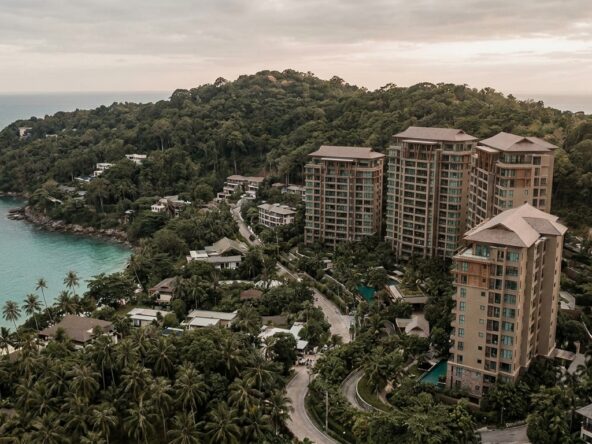
Phuket's property market is valued at $12.8 billion, and that figure reflects genuine demand. The fundamentals are straightforward: limited beachfront land, a strong cash-buyer culture, year-round international tourism, and an island lifestyle that draws repeat visitors who eventually decide to stay.
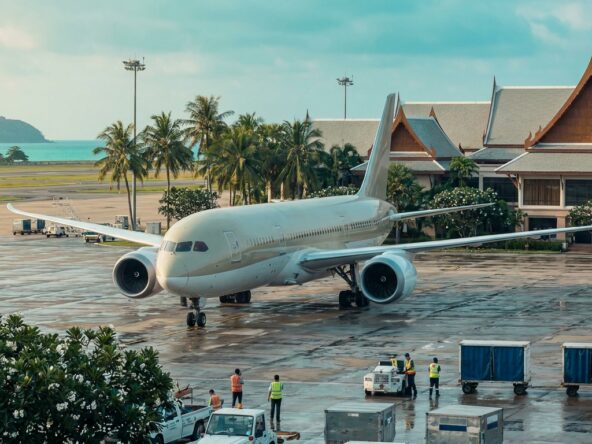
The 2026 market is also moving on infrastructure. The Phuket International Airport expansion is underway, the planned Andaman Airport in Phang Nga is progressing, and Sansiri — one of Thailand's largest developers — has committed 15 billion baht to new Phuket development. These are capital commitments already in motion, not speculative signals.
Foreign buyer activity has grown steadily across European, Australian, Middle Eastern, Chinese, and Russian buyers. Rental yields of 5 to 8 percent are achievable in well-located properties, keeping Phuket competitive with other Asian investment destinations.
Can Foreigners Actually Own Property in Thailand?
Yes, but with important conditions. Thai law restricts foreign ownership of land, which means you cannot buy a plot and hold the title in your own name the way you might in Australia or the UK. That said, foreigners can legally own certain property types outright, and there are well-used structures for villa and land ownership.
The distinction that matters most is freehold versus leasehold.
Freehold Ownership Options
Condominium freehold is the clearest path to outright ownership. Under the Thai Condominium Act, foreign nationals can own up to 49 percent of the total floor area in any registered condominium building. If the foreign quota has not been filled, you can hold the title in your own name with a Chanote — a full title deed.
This is genuine freehold ownership, not a lease or a nominee structure. It is the most straightforward form of foreign property ownership in Thailand.
Villa freehold is more involved. Foreigners cannot hold land title personally, but two common routes exist: purchasing through a Thai-registered company (where the company holds the land), or structuring the purchase through a Board of Investment (BOI) promotion, which in certain cases allows foreign nationals to hold land for residential use. Both require proper legal setup and ongoing compliance.
Leasehold Ownership Explained
A leasehold gives you the right to use and occupy a property for a defined term. In Thailand, the standard registered leasehold runs 30 years, with options to renew for two further 30-year terms — a practical horizon of up to 90 years.
Leasehold is widely used for villa purchases in Phuket and is legally sound when properly drafted and registered at the Land Office. The key word is registered: an unregistered lease offers far weaker protection than one recorded on the title deed.
Many well-regarded villa developments in Layan and Cherngtalay are sold on leasehold terms. The structure does not make a property a poor investment — it simply means you need to understand what you are buying and ensure the documentation is correct.
The Most Common Structures Foreign Buyers Use
| Structure | Property Type | Foreign Ownership | Key Consideration |
|---|---|---|---|
| Condo freehold | Condominium | Direct title in your name | 49% foreign quota per building |
| Thai company freehold | Villa / Land | Company holds title | Requires proper legal setup and compliance |
| Registered leasehold | Villa / Land | 30-year term, renewable | Must be registered at Land Office |
| BOI promotion | Residential land | Direct title possible | Eligibility criteria apply |
Most foreign villa buyers in Phuket use either a Thai company structure or a registered leasehold, depending on the project and their long-term intentions. A qualified Thai property lawyer should review any purchase before you commit.
Best Areas in Phuket for Foreign Buyers in 2026
Phuket is not one market. It is a collection of distinct neighborhoods, each with its own character, price point, and buyer profile.
Cherngtalay is the most active area for new development. Close to Bang Tao Beach, Boat Avenue, and Porto de Phuket, it draws buyers who want modern villas within reach of good restaurants, international schools, and everyday amenities. In 2026, it has the highest concentration of new project launches on the island.
Layan sits just north of Cherngtalay and offers a quieter, more private feel — hillside estates with sea views, proximity to Laguna, and a sense of space that Cherngtalay's denser development does not always provide. Freehold villas in Layan are consistently in demand.
Surin occupies the stretch between Bang Tao and Kamala. Elevated positions with sea views, boutique dining, and a premium atmosphere that attracts buyers who want prestige without the noise of Patong. Properties here tend to hold value well.
Rawai, in the south, suits buyers who want an established expat community, a beachfront promenade, and easy access to Chalong Bay and the outer islands. It is more affordable than the northwest coast and popular with buyers planning to live in Phuket rather than purely invest.
Kamala and Naithon are worth watching in 2026 for buyers seeking established neighborhoods with room for value appreciation ahead of the next development wave.
Off-Plan vs. Completed Property: What to Know
Off-plan property — buying before construction completes — is common in Phuket and can offer attractive entry pricing. But it carries real risk when the developer is not financially sound or the project is not properly permitted.
The risks are specific: construction delays, specification changes, developers who run out of capital, projects that never complete. These are not hypothetical scenarios — they have happened in Phuket.
The mitigation is straightforward: only buy off-plan from developers with a documented track record of delivery. That means checking completed projects, not just marketing materials. It means reviewing Escrow or payment protection arrangements. And it means working with an agency that has verified the developer's credentials before listing the project.
At OCEAN Worldwide Property, every developer project in the inventory is pre-checked. That is not a marketing phrase — it is a process that filters out projects that do not meet the standard.
The Buying Process Step by Step
Here is how a typical Phuket property purchase works for a foreign buyer:
-
Define your ownership structure before you start viewing. Know whether you are buying a freehold condo, leasehold villa, or exploring a company structure. This determines which properties are suitable from the outset.
-
Engage a qualified Thai property lawyer early — before you find a property, not after. Legal fees are modest relative to the transaction size, and good advice at the start prevents expensive problems later.
-
Search and shortlist. Use a verified search tool that filters by ownership type, area, and property type. The Phuket villas for sale search at OCEAN lets you filter by freehold or leasehold from the start, which saves time and avoids confusion.
-
Due diligence on the title. Your lawyer checks the Chanote or title deed, confirms there are no encumbrances, and verifies planning permissions. For off-plan purchases, this includes checking EIA (Environmental Impact Assessment) approval and construction permits.
-
Reservation agreement and deposit. A reservation fee — typically 100,000 to 200,000 THB — takes the property off the market while due diligence completes.
-
Sales and Purchase Agreement (SPA). The main contract. Review every clause. Payment schedules for off-plan projects are set out here.
-
Transfer at the Land Office. Both buyer and seller (or their representatives) attend the Land Office to transfer title. Transfer fees and taxes are paid at this stage.
-
Post-purchase setup. Arranging property management if you are not resident, registering utilities, and setting up rental management if applicable.
Costs to Budget For Beyond the Purchase Price
Transaction costs in Thailand are lower than in many Western markets, but they are real and worth planning for.
| Cost | Who Pays | Approximate Rate |
|---|---|---|
| Transfer fee | Shared (negotiable) | 2% of registered value |
| Specific Business Tax | Seller (if held under 5 years) | 3.3% of appraised or sale value |
| Stamp duty | Seller (if SBT exempt) | 0.5% |
| Withholding tax | Seller | Calculated on appraised value |
| Legal fees | Buyer | Typically 30,000–80,000 THB |
| Agent commission | Seller | Market standard (not paid by buyer) |
Transfer fee splits are negotiated between buyer and seller. In a buyer's market, sellers sometimes absorb a larger share. Your agent and lawyer will advise on what is standard for the specific transaction.
Ongoing annual costs to factor in include common area fees for condo or managed villa projects, property management fees if you use a rental program, and Thai income tax on rental income where applicable.
Common Mistakes Foreign Buyers Make
Relying on the developer's recommended lawyer. That is a conflict of interest. Always appoint your own legal counsel, independent of the developer or seller.
Leaving the ownership structure question too late. Deciding you want freehold after falling in love with a leasehold villa creates pressure and limits your options. Clarify the structure before you start viewing.
Buying from unverified developers. Off-plan risk is real. Checking a developer's track record takes time, but it is non-negotiable for a purchase of this size.
Underestimating ongoing costs. Rental management fees, maintenance, and common area charges add up. Model the full cost of ownership, not just the purchase price.
Not visiting before buying. Phuket's areas feel very different in person. Cherngtalay and Rawai are both excellent — but they suit different buyers. The trip is worth it before you commit.
FAQs
Can a foreigner own a house in Phuket outright?
Foreigners cannot hold land title in their personal name under Thai law. However, you can own a villa through a registered leasehold or a properly structured Thai company. Freehold condo ownership in your personal name is fully available within the 49 percent foreign quota.
Is leasehold safe for foreign buyers in Phuket?
Yes, when the lease is properly drafted and registered at the Land Office. A registered 30-year leasehold with renewal options is a legally sound structure used by thousands of foreign buyers. The risk comes from unregistered or poorly drafted agreements — not from leasehold as a concept.
How long does the buying process take in Phuket?
For a completed property with clear title, the process from offer to transfer typically takes four to eight weeks. Off-plan purchases follow a longer timeline tied to the construction schedule, with the Land Office transfer happening at completion.
Do I need to be in Thailand to buy property there?
No. Many foreign buyers complete purchases remotely using a Power of Attorney, which allows a lawyer or trusted representative to sign documents and attend the Land Office transfer on your behalf. That said, visiting the property before committing is strongly advisable.
What is the foreign quota for condominiums in Thailand?
Under the Thai Condominium Act, foreign nationals can collectively own up to 49 percent of the total floor area in a registered condominium building. If the foreign quota in a specific building is full, foreign buyers can still purchase on a leasehold basis.
Is rental income from Phuket property taxable in Thailand?
Yes. Rental income earned in Thailand is subject to Thai income tax, with the rate depending on total income and applicable deductions. Foreign buyers who are not Thai tax residents may also have reporting obligations in their home country. A Thai tax advisor can clarify your specific position.
What should I look for when choosing a real estate agency in Phuket?
Look for documented on-the-ground experience, a clear process for verifying developer credentials on off-plan projects, and the ability to filter listings by ownership type. An agency that has operated continuously in the market since 2004 has seen multiple market cycles and knows which developers deliver. That track record matters when the purchase is this significant.
Buying property in Phuket as a foreigner is entirely achievable. The legal framework is established, the market is active, and the lifestyle case speaks for itself. What it requires is the right structure, verified inventory, and advisors who know the market from the inside.
OCEAN Worldwide Property has been on the ground in Phuket since 2004. Browse verified listings, filter by freehold or leasehold, and search by area at oceanwwp.com.