

For Phuket property buyers, visa policy matters more than it first appears. How long visitors can stay without paperwork affects rental demand, long-stay buyer profiles and the balance between short-term holiday bookings and extended occupancy.
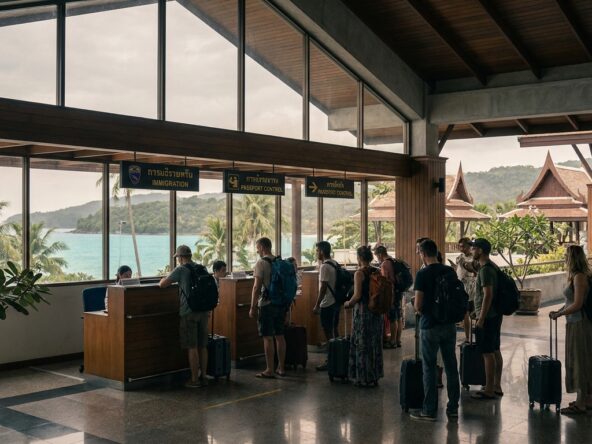
Thailand has now reversed its extended visa-free policy and returned to 30-day stays, following consultations between the government and tourism operators in Phuket and Pattaya. The Department of Consular Affairs under the Foreign Affairs Ministry described the move as part of a wider restructuring of Thailand’s visa system aimed at reducing confusion, tightening immigration controls and aligning permitted stay periods with actual travel behaviour.
Why the change happened
The decision followed lengthy consultations between the government and tourism operators, according to Bhummikitti Ruktaengam, president of the Sustainable Tourism Development Foundation.
He told the Bangkok Post that most tourism businesses agreed 30 days was already sufficient for ordinary tourists, while investors and business travellers could apply through other visa channels.
Phuket MP Chalermpong Saengdee of the People’s Party supported the change, arguing Thailand should shift towards “quality tourism” rather than focusing solely on visitor numbers.
“Thirty days is already enough for tourism, and personally, I think even 18 days would be sufficient,” he said.
He warned that extended visa-free stays had created loopholes allowing some foreigners to establish nominee businesses, compete with local operators and engage in criminal activities. He urged the government to intensify legal action against illegal foreign-run businesses and improve immigration screening capacity, particularly in major tourist provinces such as Phuket.
What operators say about spending patterns
Chutima Jeeramongkol, president of the Pattaya Business and Tourism Association, backed the return to 30-day stays, describing it as a return to normal conditions after the temporary extension.
She said the shorter period could help tackle problems linked to scammers and foreigners illegally operating businesses while encouraging higher-spending short-term visitors.
“Tourists staying three to seven days generally spend more on accommodation, food and activities, while long-stay travellers are often more budget-conscious,” she said.
The implication is that operators in Phuket and Pattaya prefer shorter, higher-turnover bookings over extended low-spend stays, particularly when those stays are tied to concerns about illegal business activity rather than genuine tourism.
What this means for Phuket property
The policy shift is worth watching for several reasons.
First, it could affect the profile of long-stay renters. Extended visa-free access made it easier for foreign visitors to occupy properties for months without formal documentation. The return to 30-day limits may push longer-term renters towards formal visa routes or reduce demand for extended-stay rentals aimed at budget-conscious travellers.
Second, the change aligns with operator concerns about low-spending visitors. If Phuket’s rental market depends on short-term, higher-turnover bookings rather than extended budget stays, the policy shift may reinforce that dynamic.
Third, the tightening of immigration controls and the stated focus on illegal businesses could increase scrutiny on foreign ownership structures and nominee arrangements. Chalermpong Saengdee’s comments about nominee businesses competing with local operators suggest enforcement may become a higher priority in Phuket.
For buyers considering Phuket property as a rental investment, the question is whether shorter visa-free stays will increase short-term booking demand or reduce overall occupancy. The answer likely depends on property type, price point and tenant profile.
What remains unclear
The article does not specify when the policy change takes effect or which nationalities are affected beyond Kazakhstan, which previously enjoyed visa-free access and will now return to normal visa requirements.
Bhummikitti Ruktaengam said arrivals from the Middle East to Phuket had already declined sharply, while Australian tourists remained stable because they tended to book trips well in advance. Indian arrivals had softened slightly but continued at relatively high levels.
It is not clear whether those shifts are linked to the visa policy change or to other factors such as seasonality, exchange rates or flight capacity.
What is clear is that the change reflects a deliberate policy direction supported by Phuket tourism operators and political representatives, rather than a temporary adjustment.
Frequently Asked Questions
Does the 30-day visa cap affect property buyers?
The policy affects how long visitors can stay without a visa, not property ownership. However, it may reduce demand for long-stay rentals aimed at budget-conscious travellers and could lead to increased scrutiny on nominee business structures used by foreigners in Phuket.
Will this reduce rental demand in Phuket?
The impact depends on property type. Operators say short-stay tourists spend more than long-stay budget travellers, which could support turnover-based rental strategies. Properties targeting extended-stay renters on visa-free access may see reduced demand.
Why do Phuket operators support the change?
Operators say extended visa-free stays created loopholes for illegal businesses and attracted low-spending visitors. They argue that 30 days is sufficient for ordinary tourists, while investors and business travellers can use other visa channels.
What happens to visitors from Kazakhstan?
Kazakhstan previously enjoyed visa-free access and will now return to normal visa requirements under the revised measures, according to Bhummikitti Ruktaengam.
Could this lead to stricter enforcement on foreign businesses?
Phuket MP Chalermpong Saengdee urged the government to intensify legal action against illegal foreign-run businesses and improve immigration screening capacity, particularly in Phuket. This suggests enforcement may become a higher priority.
Sources
- The Phuket News — Tourism operators back 30-day visa return — link
- Bangkok Post — referenced in the article