

Almost every conversation we have with a first-time buyer arrives, sooner or later, at this question. Here is the plain version, the way we would explain it to a friend.
Freehold, within the quota
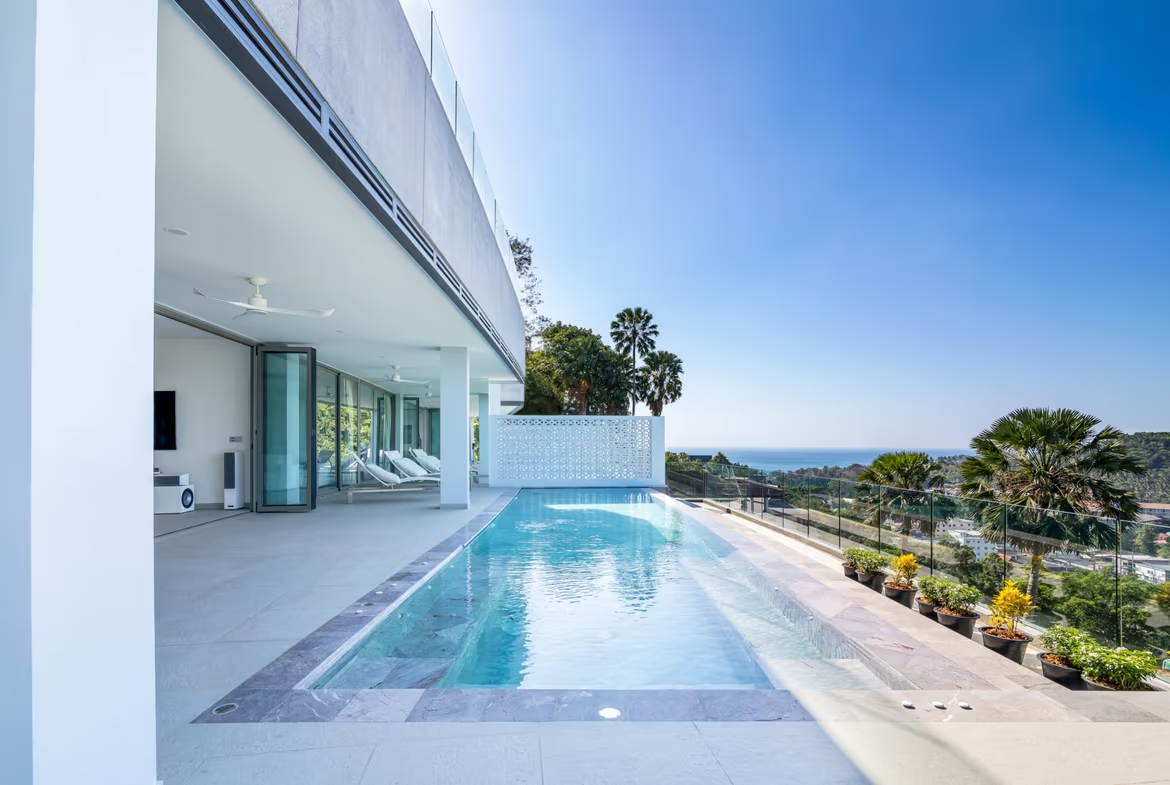
You can own a condominium unit outright as a foreigner, provided foreign owners hold no more than 49% of the building's saleable area. This is the simplest form of ownership for a foreigner, and the easiest to resell. The two checks that matter: confirm the foreign-quota space is still available in the specific building, and confirm the building is licensed as a condominium (some are not, and the rules don't apply).
Registered leasehold
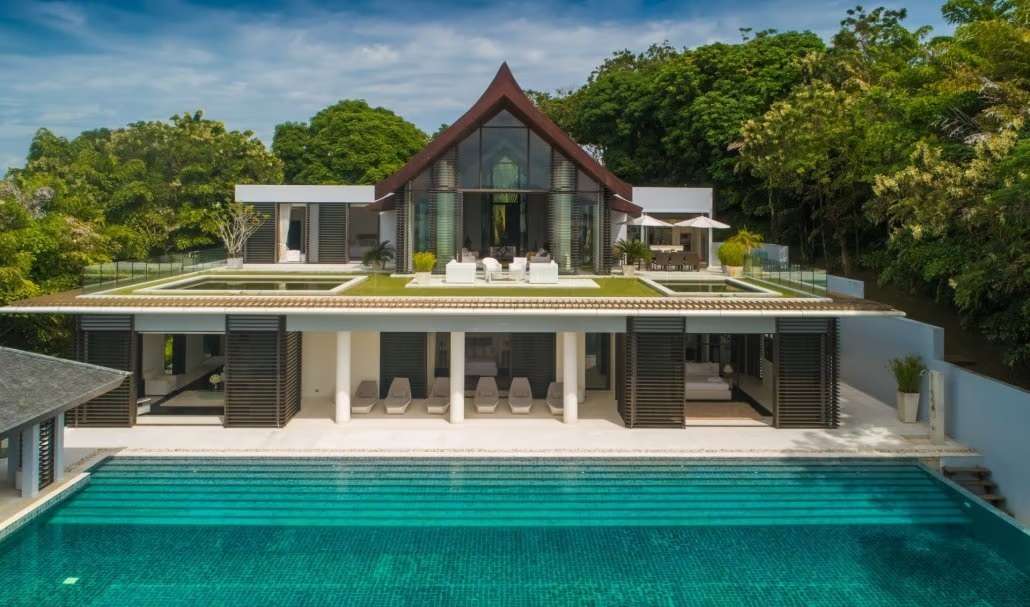
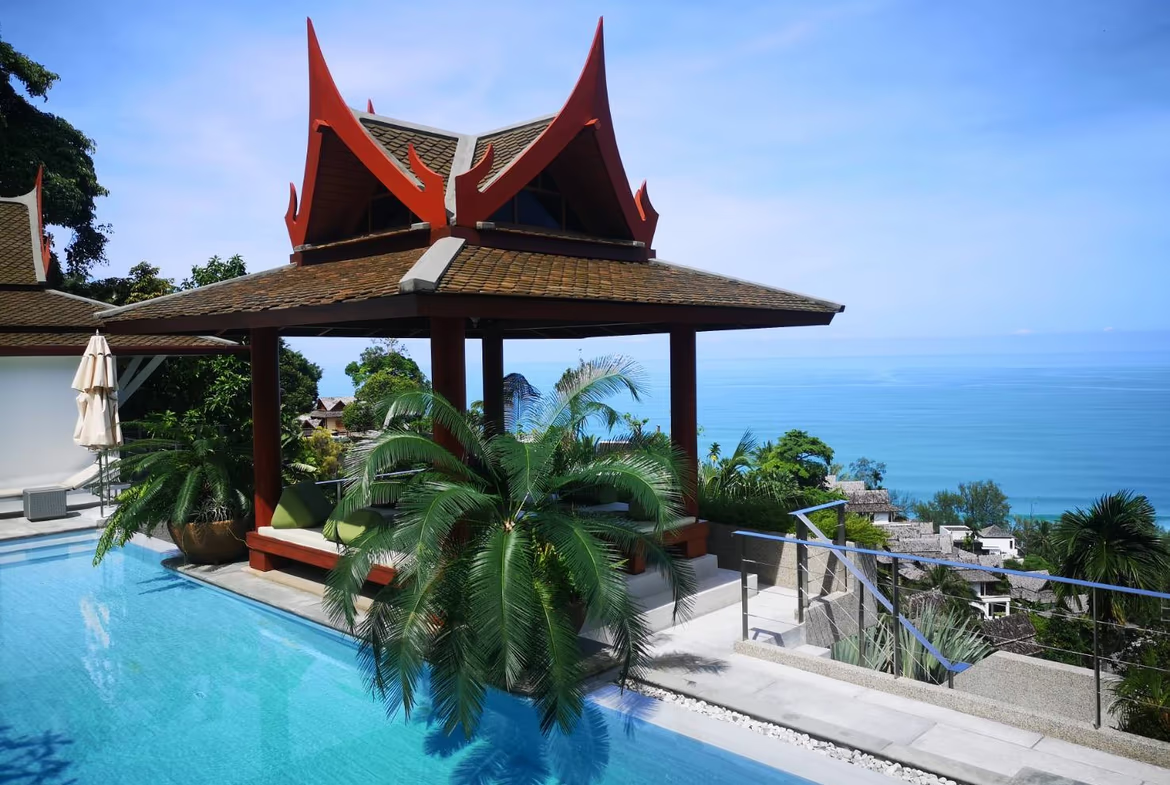
As a general rule, foreigners cannot own land in Thailand; a villa is usually held on a lease of the land registered for up to 30 years, often with separate ownership of the house. A registered residential lease runs for a maximum of 30 years. You can sign a new lease when that term ends, but a pre-agreed 30+30+30 is not a secured 90-year right.
Using Thai shareholders as nominees so that a foreigner indirectly owns land is illegal, and a 51/49 share split on its own does not make it legal.